

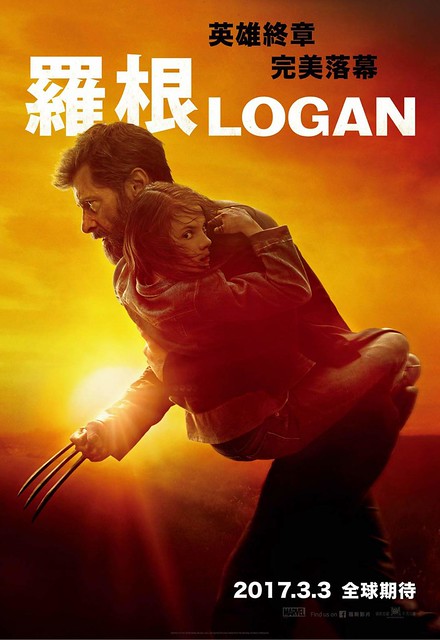
Hello everyone, it's time for another article from your editor. Today, we'll be discussing the Easter eggs and cultural analysis of the movie Logan, as well as some key connections to the X-Men series. Of course, there's also a very mysterious Easter egg. However, before writing this article, I noticed some people's perspectives, so I'd like to offer a reminder here. An Easter egg is meant to be an interesting hidden detail for those who understand it, undoubtedly adding to the fun. Therefore, the short scenes that appear after the credits roll in Marvel Cinematic Universe films are just one way Easter eggs are used. The idea that "no post-credits scene means no Easter eggs" is incorrect. Furthermore, this article will also include introductions to the villains from the original comics, and since the Deadpool 2 short film has already been released, I believe everyone will want to know about the gags and Easter eggs within it, so I will also cover those. If you still have questions after reading the article, feel free to ask on my Screen Fandom page.
This article references: My own watched works, Whatculture
"Deadpool 2 Teaser Trailer"
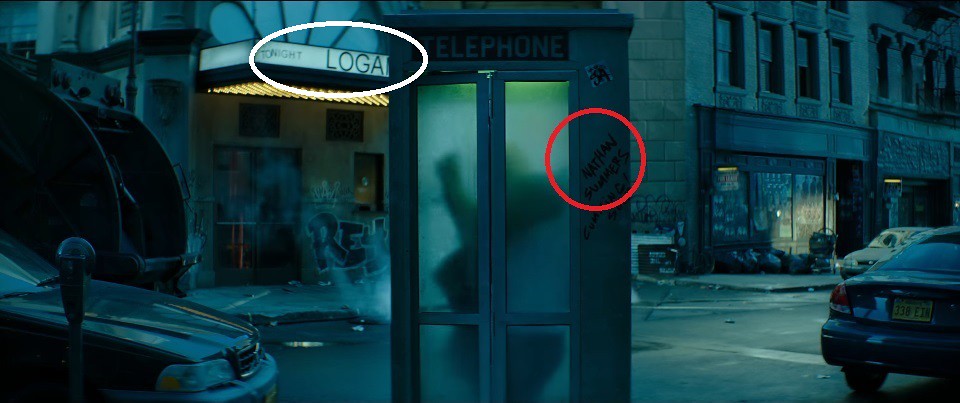
1. First, in the phone booth scene, the Superman movie theme song, composed by legendary music maestro John Williams, is playing. This is a gag referencing the early Superman's habit of changing in a phone booth.
2. In the red circle, you'll find "Nathan Summers Coming Soon!" written. Nathan Summers is the real name of Cable, who was mentioned at the end of the first Deadpool movie. He is expected to appear in Deadpool 2 and is "considered" Deadpool's best friend.
3. In the white circle, the cinema marquee reads "Logan." This Deadpool 2 short was released as a special feature on the same day Logan premiered in the US, so it was used for joint promotion. You'll see the marquee announcing Logan playing tonight, which is one of the fourth-wall-breaking jokes. 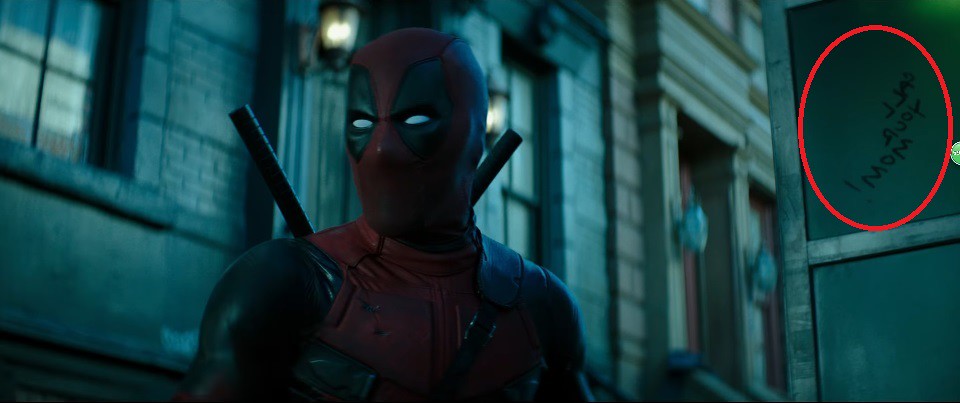 4. Another DC-related Easter egg is "Call Your Mom" written on the phone booth, clearly a jab at the climactic fight in Batman v Superman.
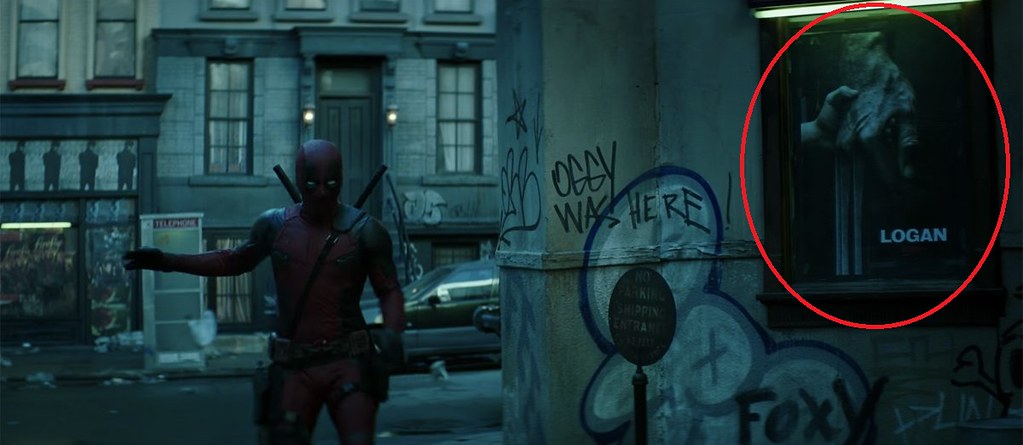 5. Then, on the other side of the corner, there's a Logan movie poster, the one with X-23's small hand holding Wolverine's hand, clearly showing no effort spared in promotion.
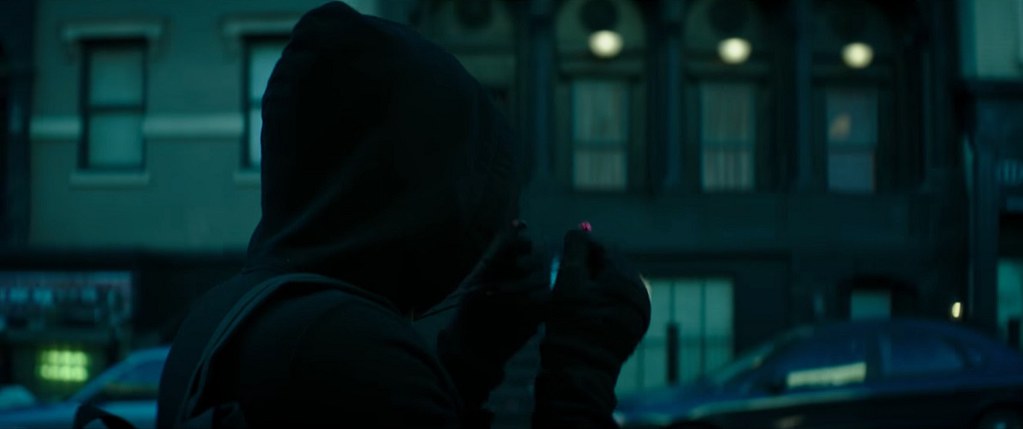
6. It's strange that the music Deadpool initially listens to on his headphones was "St. Elmo's Fire (Man in Motion)" by John Parr in the theatrical version, but the online version changed to "Angel Of The Morning" by Juice Newton. The latter was used in the first Deadpool movie. Foreign media speculates that the reason for two versions is copyright issues. 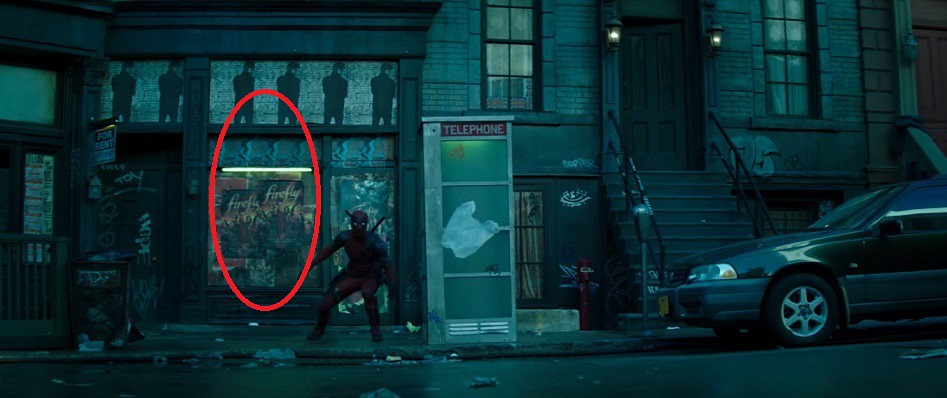 7. The red circle highlights a poster for the famous sci-fi series Firefly. This is a very classic and excellent work, created by Joss Whedon, director of The Avengers. However, Fox canceled it after only one season, often cited by the entertainment industry as Fox's dumbest decision. This corresponds to Deadpool, who was once underestimated and almost a stillborn project. However, some also say the Firefly poster is an extension of the actress Morena Baccarin, who played a similar role to a prostitute in the Firefly series and was the female lead in the first Deadpool movie.
8. Additionally, the red word on the phone booth is "Hope." This is the name of a female mutant, also like Cable's daughter. At a time when mutants face extinction due to infertility, Hope's birth was seen by Cyclops as the mutant Messiah, entrusted to his son Cable to protect through time travel. Whether this character will appear with Cable in Deadpool 2 or is just an Easter egg reference, we'll have to wait and see. 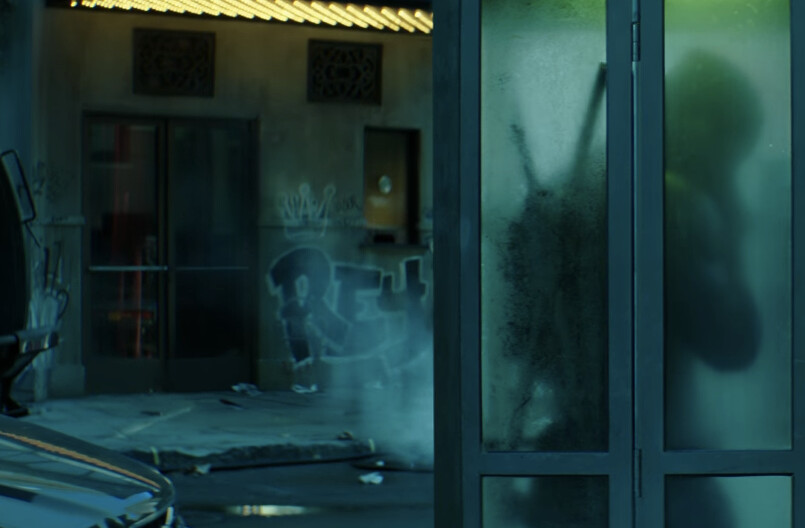 9. Only the online version shows Deadpool making a call from the phone booth. He calls someone named Laird. Later, when Deadpool is lying on the old man's corpse, he mentions Laird is his costume designer. However, in real life, the person who designed Deadpool's movie costume is Angus Strathie. Or perhaps Laird is the person who helps Deadpool design costumes within the story's world? We'll reserve judgment and see if Deadpool 2 explains it.
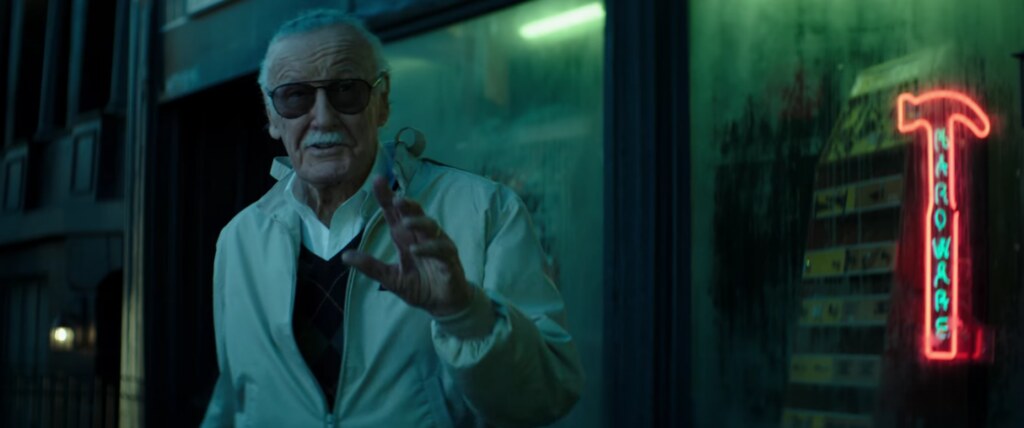
10. Stan Lee never cameos in films of Marvel characters he didn't create, which is why he was never seen in the Wolverine series. However, perhaps for fun, he already cameoed in the first Deadpool movie and now appears here again, possibly still in his role as a strip club owner. 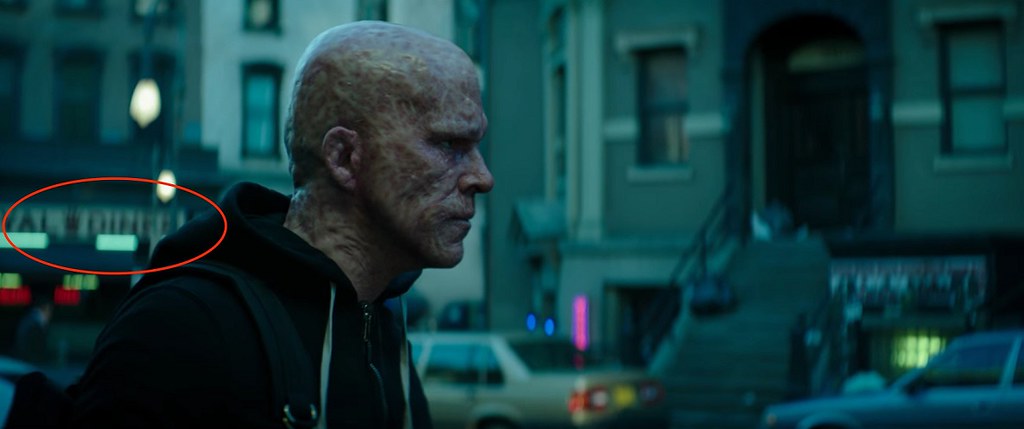 11. The full sign in the background reads "Royal Diner," a restaurant frequently visited by the male and female leads in Fox's original series Bones. However, this series often filmed there and was set to conclude on March 28, 2017, so there shouldn't be any related references. Perhaps Deadpool 2 also happened to be filming there, and it was just a coincidence.
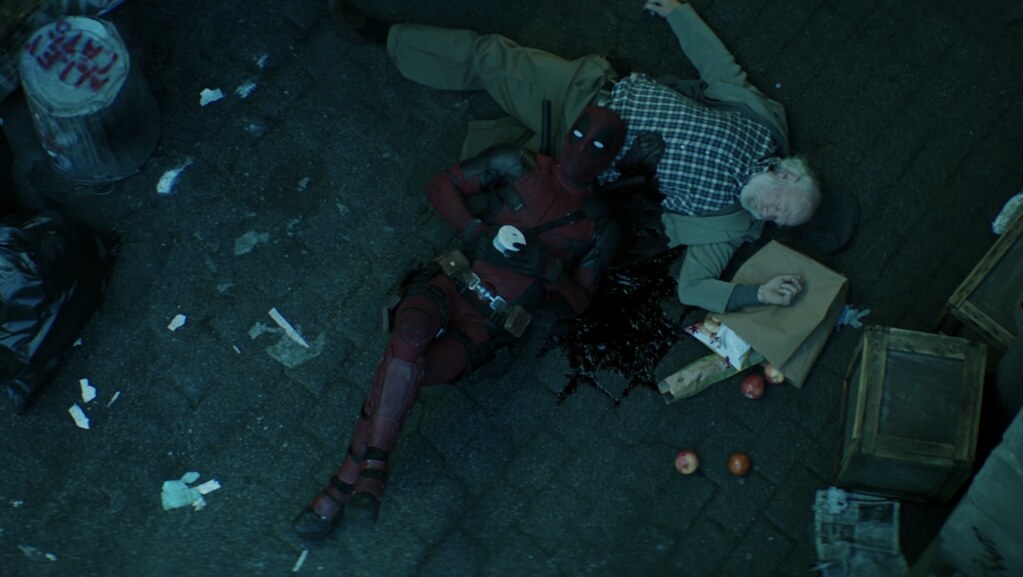 12. When Deadpool is lying on the old man's corpse, the music playing is "You're So Cool," a song written by Hans Zimmer for the crime film True Romance.
13. The ice cream Deadpool is holding is Ben & Jerry's Cherry Garcia flavor, named in memory of the deceased Jerry Garcia. This is just a pop culture reference and has nothing to do with Marvel. 
14. After the Deadpool segment ends, instead of credits, chapters from "The Old Man and the Sea" appear. "The Old Man and the Sea" is also one of the literary predecessors that influenced superheroes. In a recent Deadpool Kills the Marvel Universe comic story, a crazy Deadpool traveled to the literary reality to kill the old man and the giant fish.
"Logan"
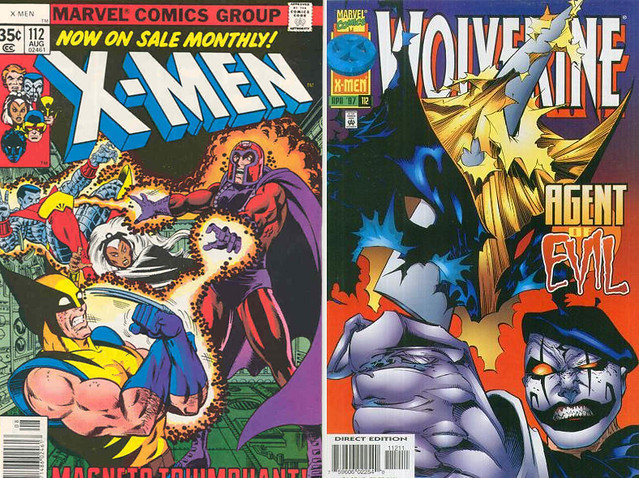 15. Logan moonlights as a limousine driver, and his license plate number is WER 112. This can be traced to the story content of issue 112 of either Uncanny X-Men or Wolverine.
The former tells of Magneto using a mutant's power to turn all X-Men into infants physically while retaining their adult minds, contrasting with Logan's struggle in combat in the movie. The latter comic tells of Wolverine blaming himself for Professor X giving birth to the monster Onslaught, leading him to leave the X-Men and live a solitary life, which somewhat corresponds to Logan's state of mind in the movie. 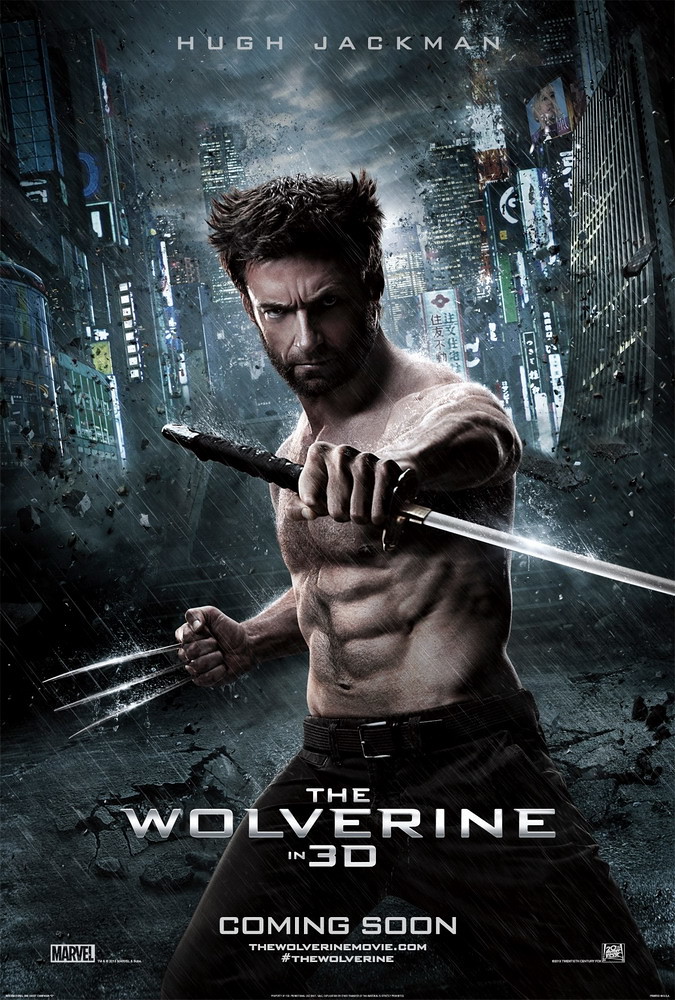 16. Although this movie rarely involves past films in the same series, you can see many Japanese decorations in Logan's residence, especially the prominent samurai sword, clearly linking to the previous film and implying that Logan's acquaintances in Japan have also passed away. Furthermore, both The Wolverine and Logan were directed by James Mangold, so such a connection is not surprising.
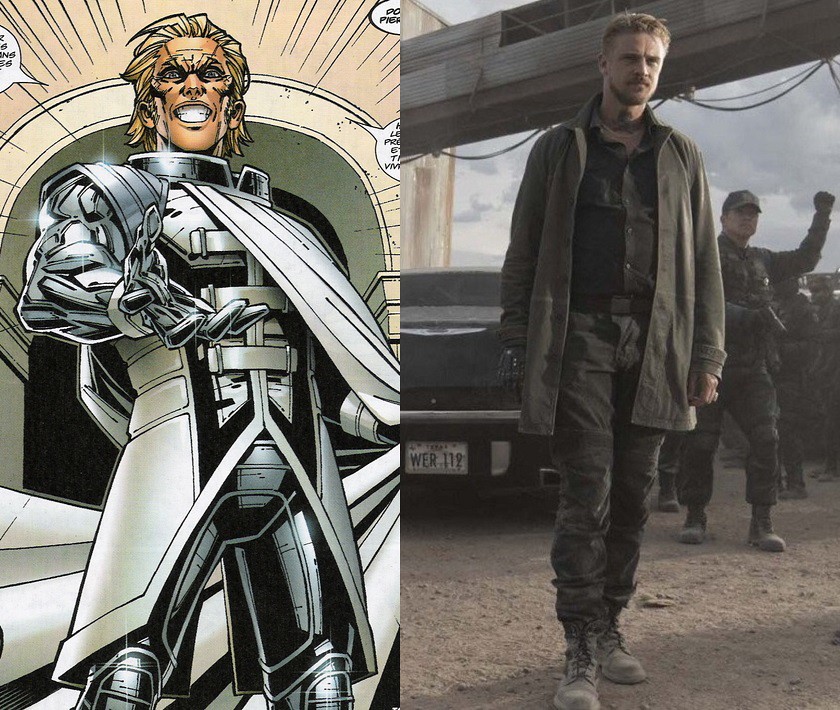
17. The villain Donald Pierce, who appears in this movie, is a member of the Hellfire Club in the original comic's main continuity. When fighting the X-Men, Wolverine severed his arm, revealing him to be a cyborg. He later joined Lady Deathstrike's Reavers mercenary team and was eventually killed by Cyclops in the large X-Men story "Messiah CompleX." In the movie, his mechanical hand and his status as a Reaver member are retained.
18. In the movie, Pierce hands out his business card, stating that he and his Reavers mercenary group now work for Alkali Corporation. If you recall X-Men 2, Colonel Stryker and the Weapon X program operated out of a facility at Alkali Lake, so this can be seen as a successor company founded by his heirs. 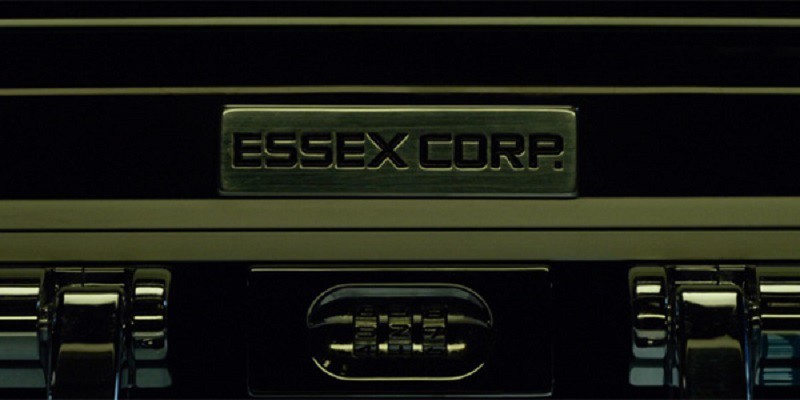 19. The ESSEX Corporation, which appeared in the post-credits scene of X-Men: Apocalypse, was the instigator that helped the Weapon X program create super soldiers. They also created genetically modified food in the Logan movie, leading to the near extinction of the mutant race. The collection of Wolverine's serum in the Apocalypse post-credits scene was used to create X-23 and X-24.
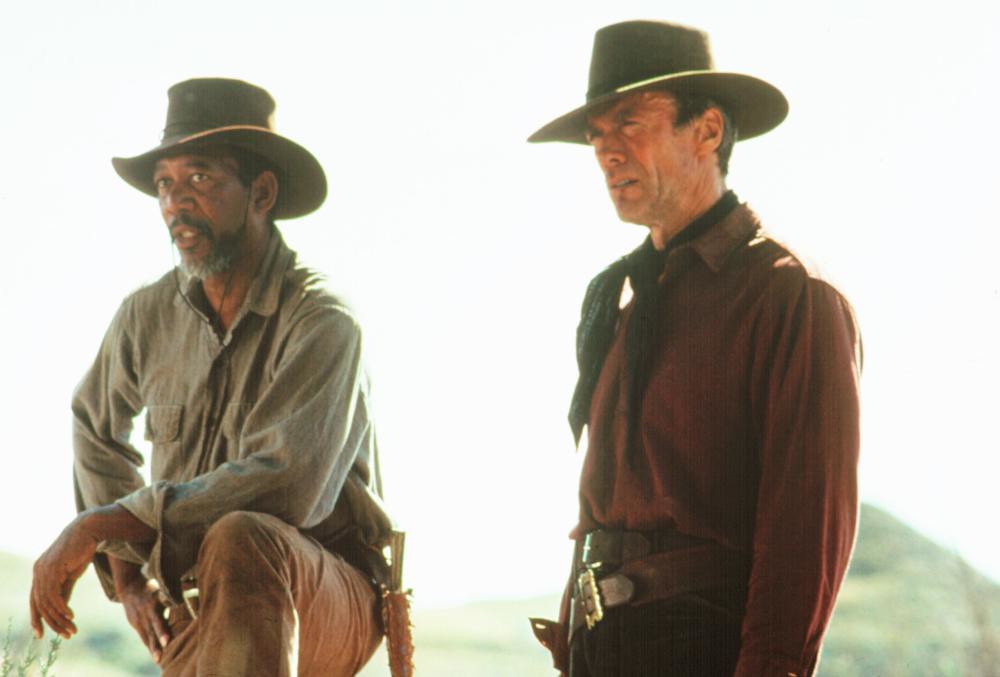 20. The director stated that Logan referenced three films: 1953's "Shane," 1992's "Unforgiven," and 2008's "The Wrestler," thereby expressing the themes of aging characters and violence. Moreover, the comic story "Old Man Logan," which the Logan movie referenced, paid homage to many Western stories, coincidentally aligning with "Shane" and "Unforgiven."
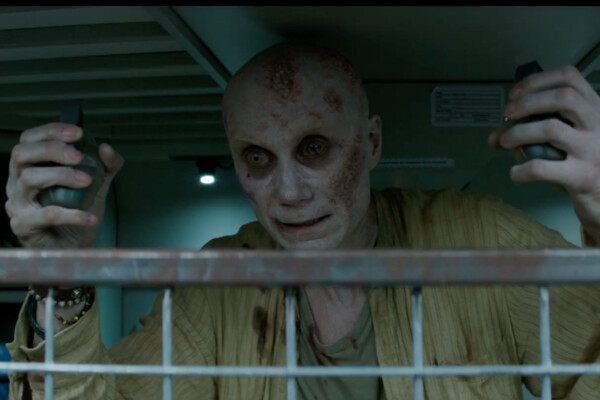
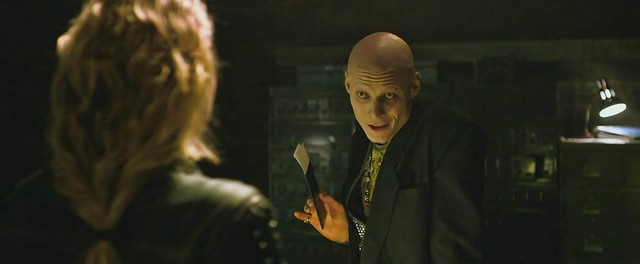
21. Caliban, in the original comic's main continuity, is a mutant belonging to an underground community called the Morlocks, possessing the superpower to detect other mutants. He was twice recruited by Apocalypse into the Four Horsemen, being transformed into Death and Pestilence, respectively, and gaining different superpowers. In the previous movie Apocalypse, Caliban became a dealer of mutant information, with Psylocke as his bodyguard. He was later threatened by Apocalypse to find Magneto and Angel, completing the members of the Four Horsemen.
▼ Caliban's appearance in "X-Men: Apocalypse."
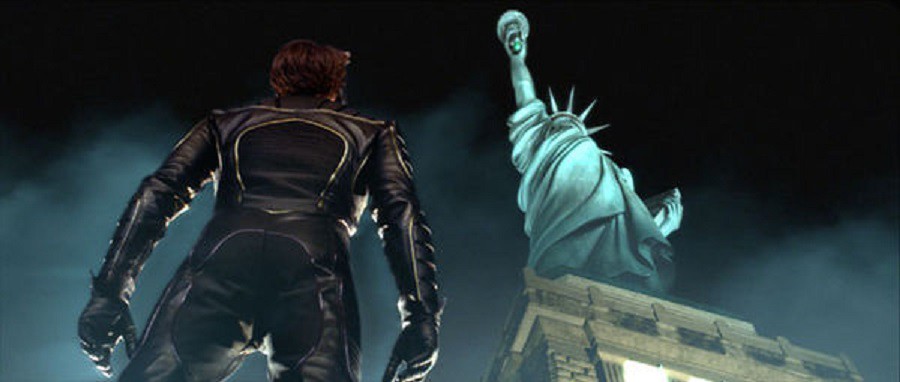 22. When Professor X talks about the past, he mentions the Statue of Liberty, referring to X-Men 1. Additionally, when Professor X chats with the farming family who took them in, he repeatedly mentions Wolverine as a rebellious student, reminiscing about the old school days.
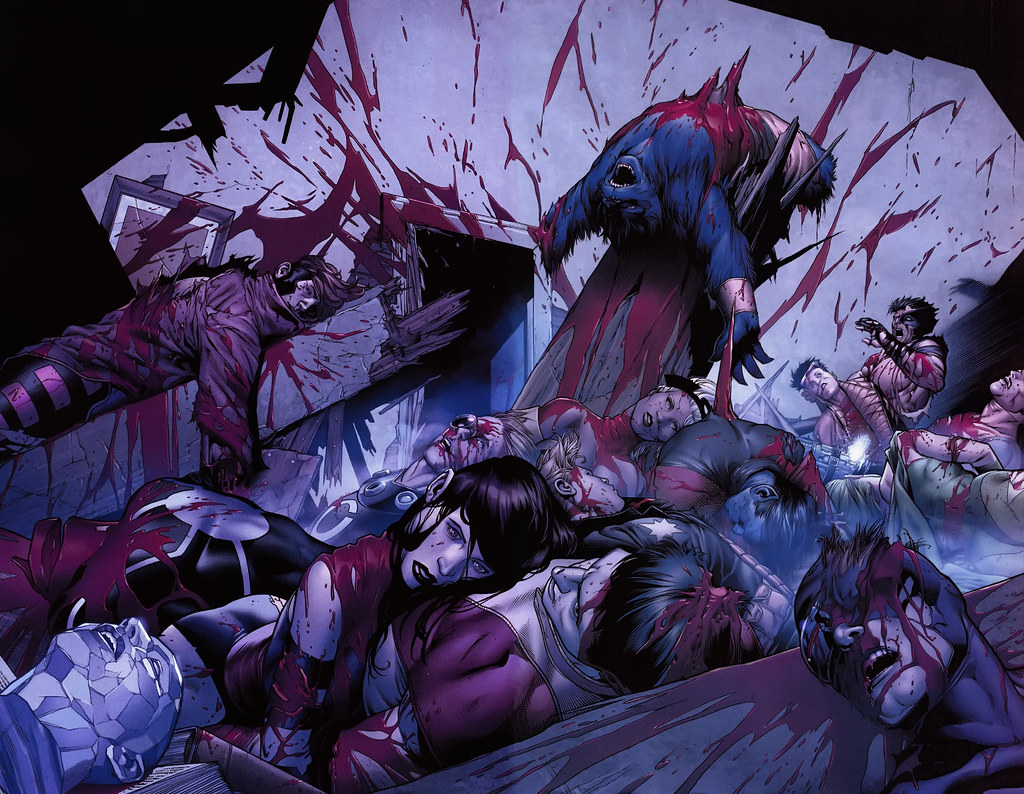
23. A radio broadcast mentions an incident in Westchester County similar to Professor X's brain losing control. Westchester County is the location of the X-Mansion, and the plot also states that seven X-Men members died there, implying that Professor X's powers killed his students. Coupled with the genetically modified food leading to mutant extinction, this caused Professor X's breakdown due to immense guilt. This is actually an inverse homage to the "Old Man Logan" story, where Wolverine, lured by the Spider-Man villain Mysterio, saw all the X-Men as different Marvel villains and consequently killed all his friends, leading to his breakdown.
24. Following the above, in Old Man Logan, Logan goes on a road trip with an elderly Hawkeye to pay taxes to the Hulk Gang, while the movie changes it to Professor X. The villains encountered on the road are all replaced by the Reavers. Furthermore, the Hulk's grandson is replaced by X-23, which is a compromise due to copyright. 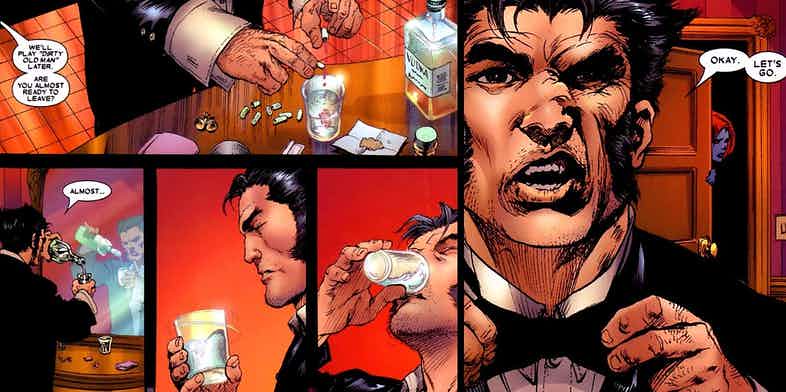 25. Professor X mentions Logan's past participation in caged underground fighting and his habit of heavy drinking. The heavy drinking is not often seen in the movies; it's a habit he has in the comics. The fighting refers to his activities in Canada before joining the X-Men, which is depicted in both comics and movies. Basically, no one dares to comment on Wolverine's alcoholism, except for one time when Aunt May, living in Stark Tower due to Peter's Avengers membership, forcibly took away Wolverine's alcohol (he was also an Avenger at the time), causing Wolverine to return to the X-Mansion that night (he was a member of both teams then).
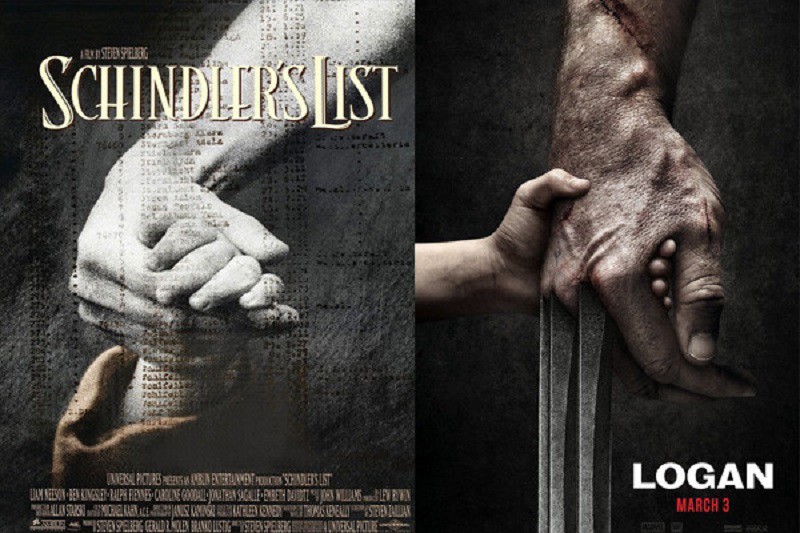 26. Logan's movie poster references Schindler's List, and coincidentally, the two protagonists' sense of justice is somewhat similar.
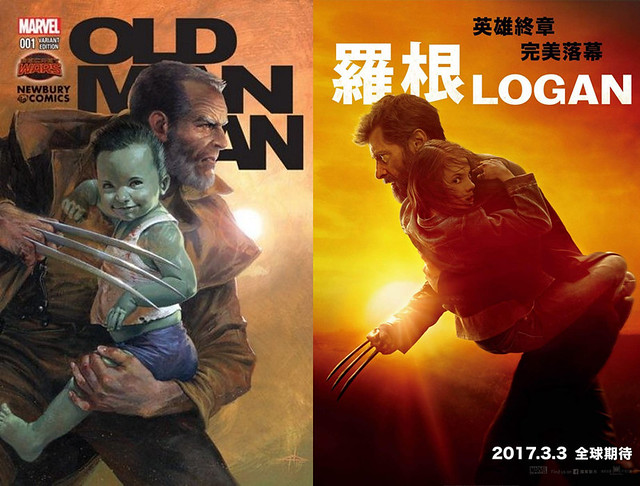
27. The movie poster of Logan holding X-23 references the cover of the Old Man Logan tie-in to Secret Wars. Secret Wars tells of the destruction of the Marvel multiverse, with Doctor Doom using divine power to merge many different worlds into a "Battleworld." One of the territories in Battleworld was the recreated Old Man Logan world. In the story, he also encountered the X-Men and Apocalypse from the Age of Apocalypse territory, met the son of Ultimate Universe Wolverine, and was hinted to travel to the main continuity after Secret Wars. 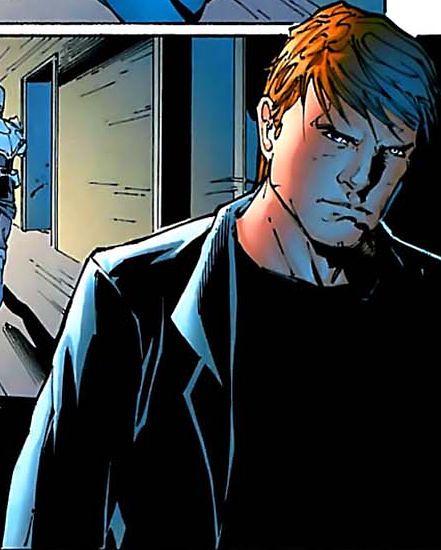 28. In the movie, the doctor who controls X-24 and created X-23 is named Zander Rice. In the original comics, his father was a member of the Weapon X program but was killed by a rampaging Wolverine. Growing up, he inherited his father's research, using mutants as super soldiers. He later disagreed with his colleague Sarah Kinney's plan to make the X-program female, but still deceptively allowed Sarah Kinney to become the pregnant mother of X-23, intending to use X-23 to seize internal power within his organization, only to be killed by her. The movie's setting makes him older, and X-23's creation and cultivation are solely his work, without opposing feminization.
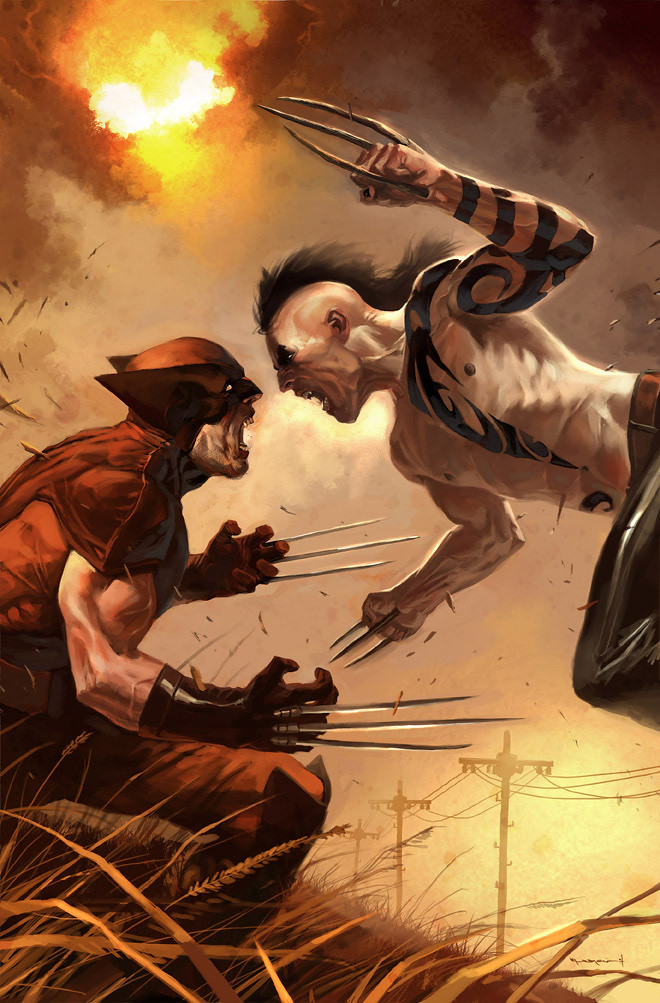 29. X-24 symbolizes what Weapon X would be if it were truly controlled, rather than becoming the humane Wolverine, thus representing Logan's dark side and the past he doesn't want to face. It also references the design of Wolverine's villainous son, Daken. For example, X-23 symbolizes Wolverine's good legacy, and X-24 symbolizes Wolverine's bad legacy, which is similar to the concept of Daken and Laura each inheriting different aspects of their father. In the original comics, X-23 was followed by X-24 to X-50, but they were all destroyed by X-23 while still in their incubation chambers.
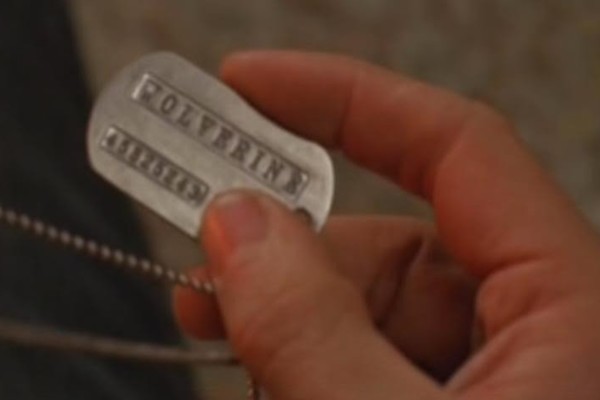
30. Colonel Stryker's military dog tags for Wolverine also appear multiple times in the Logan movie. 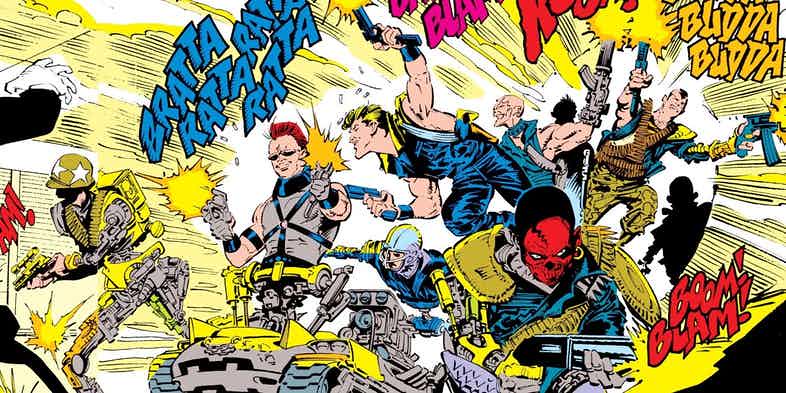 31. In the comics, the Reavers are a mercenary group with various cybernetically enhanced body parts. They not only fought Wolverine but were also repeatedly hired by Kingpin, the crime lord of Hell's Kitchen. In early Punisher side-scrolling video games, Kingpin hired the Reavers to fight Nick Fury (2P) and Punisher (1P).
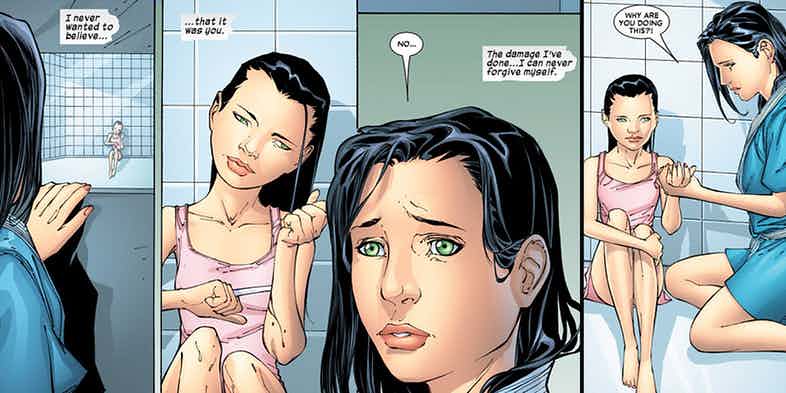 32. Laura's scene of curiously cutting herself and then self-healing also references a comic panel.
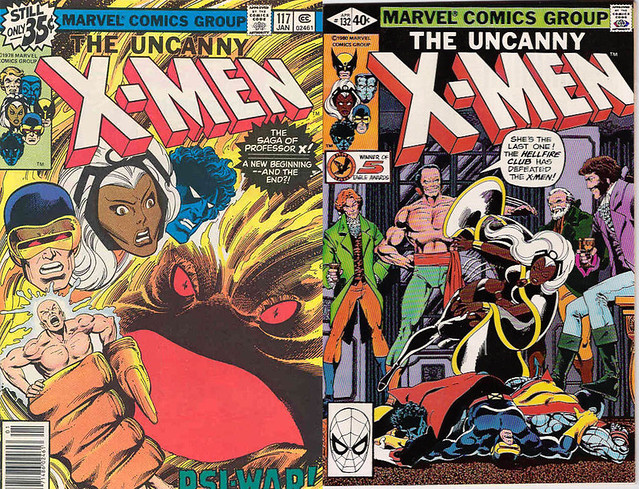
33. In the movie, Logan picks up a semi-biographical X-Men comic, specifically issues 117 and 132. If these correspond to the actual X-Men comic issues 117 and 132, the former's plot happens to be about Professor X believing the X-Men are dead and pondering whether the world would be better if mutants hadn't publicly existed. The latter is Wolverine's first comic confrontation with Donald Pierce. Both themes align with the movie, so the numbers have a hidden meaning. 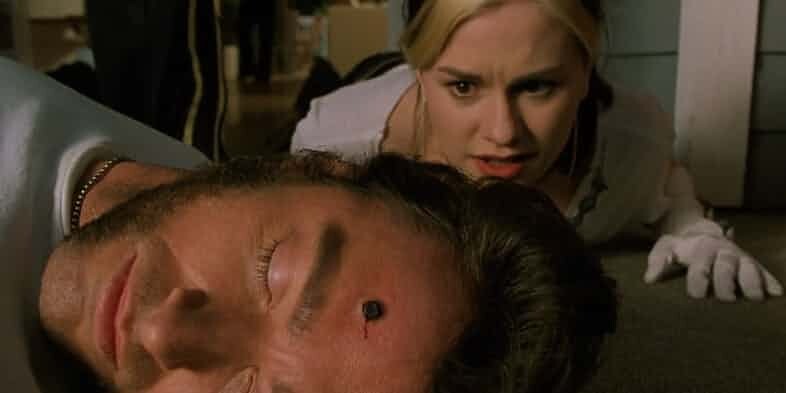 34. The cause of Wolverine's poisoning, leading to the decline and eventual failure of his healing factor and ultimately his death, is hinted at in the movie. In one scene, Caliban discovers an adamantium bullet in Logan's pocket. If you've noticed, adamantium bullets in the movies have caused Wolverine to lose his memory, so it's possible this suggests adamantium causes "chronic toxicity," leading to the loss of Wolverine's healing ability.
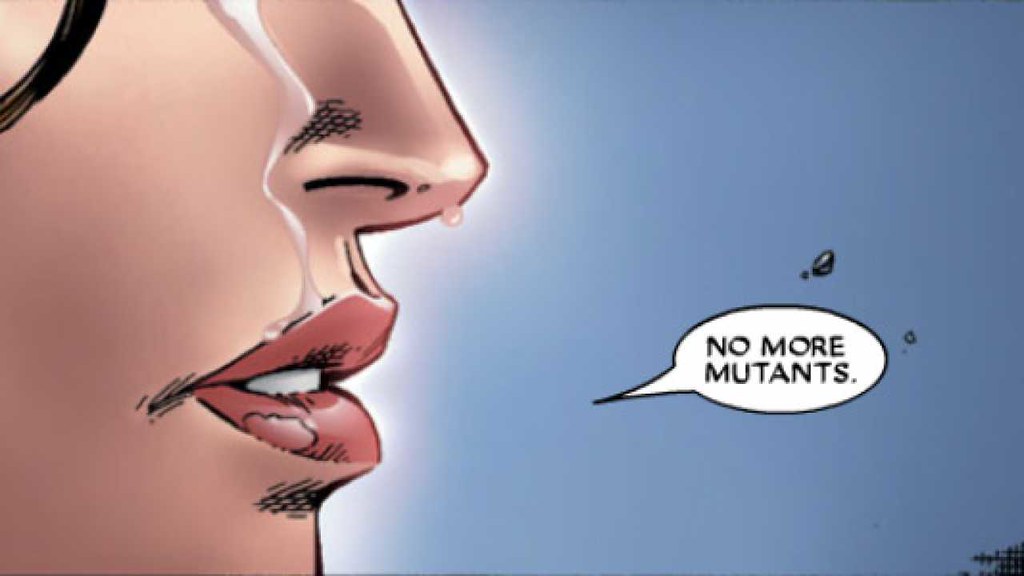 35. The phrase "No More Mutants" is repeatedly mentioned in the movie, referencing the Scarlet Witch's words using her reality-altering powers at the end of the House of M event. This resulted in only 198 mutants remaining, with others losing their powers or dying, and no new mutant births until Hope's arrival, which coincidentally corresponds to a similar situation in the Logan movie.
36. When Logan and his companions are hosted by a farming family, the son's room is filled with posters of various American bands and books about racial issues. 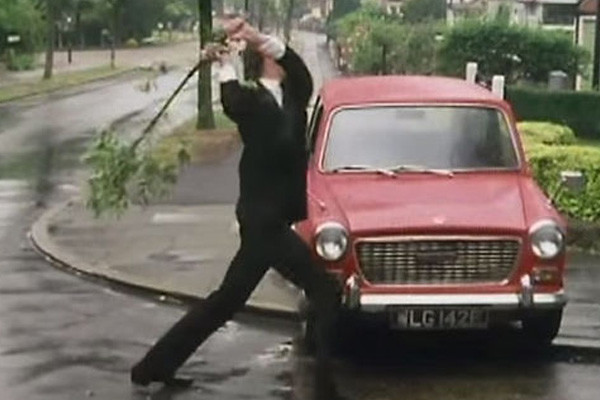 37. According to foreign media speculation, Logan's exaggerated action of hitting his broken-down car is taken from a famous scene of the British comedian Basil Fawlty.
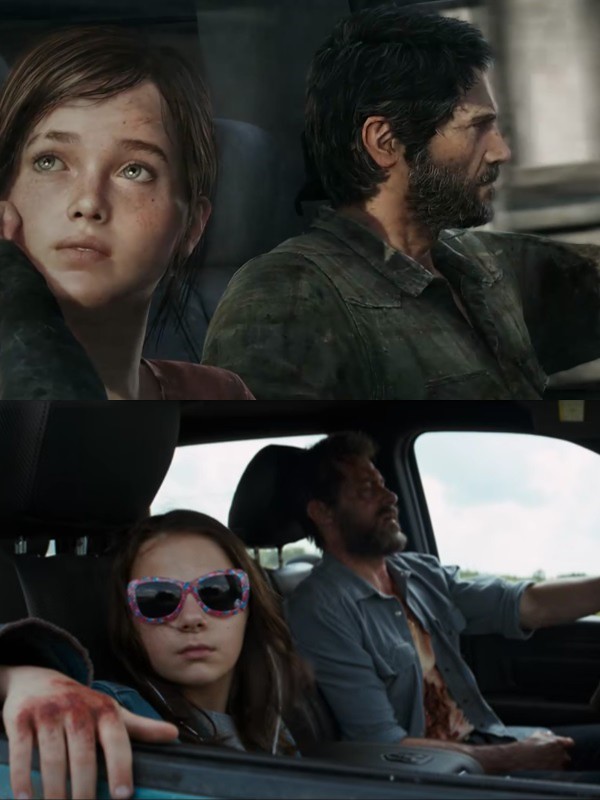 38. Logan tells the story of an older man caring for a girl in a dystopian future, developing a father-daughter bond. Isn't this similar to the video game The Last of Us? Not only are the general directions similar, but many camera angles also seem to have been referenced.
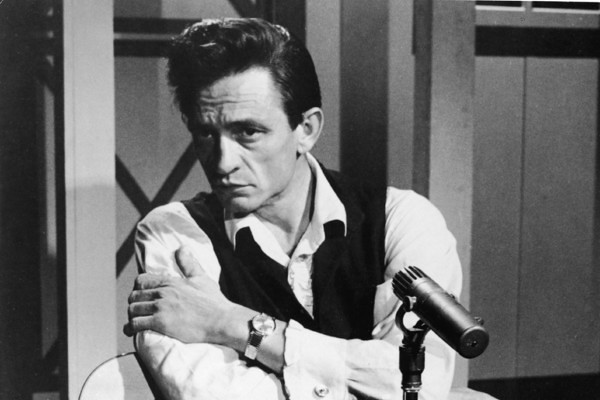
39. The movie uses Johnny Cash's "Hurt" (Nine Inch Nails song), which is practically the theme song for Logan. It deals with weariness of life, depression, and loneliness—doesn't that perfectly match Wolverine's state of mind at the time?
40. The song "I Got A Name" by the talented singer Jim Croce is used as background music when X-23 steals items in the supermarket. Additionally, the classic scene with Quicksilver in the Pentagon in Days of Future Past used the soundtrack "Time in A Bottle," also by this talented singer. 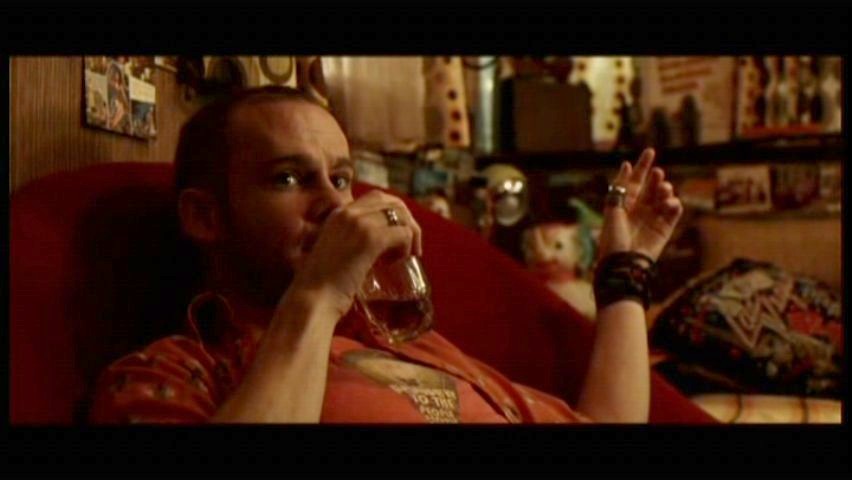 41. The mutant children who appear at the end are all artificially cultivated. From their abilities and the laboratory videos, we can see a child with Iceman's powers, and some famous mutant character names are also listed. Clearly, the government is using mutant abilities to create super soldiers. The father of the child who can generate electricity is a mutant named Bolt/Maverick, who appeared in the first Wolverine movie.
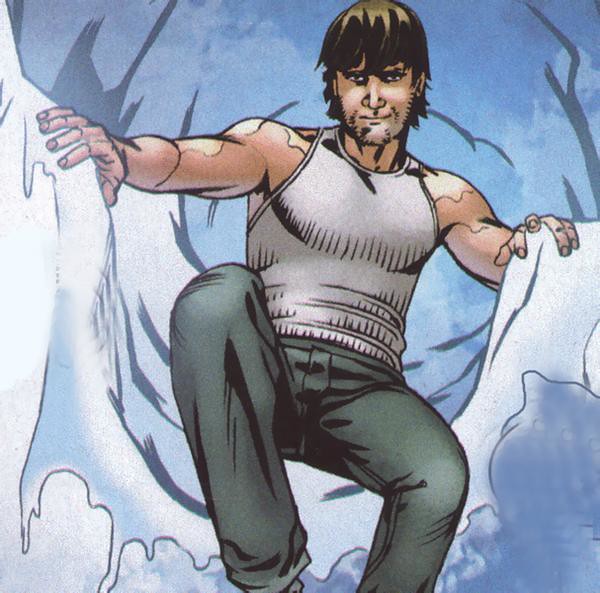 42. The mutant child with earthquake powers references Rictor from the comics, but in the comics, he is a naturally born mutant, not artificially created. Furthermore, in the comics, he is roughly the same age as Cyclops and other X-Men, while the movie changes him to be the age of the next generation of X-Men. In the comics, he is also a member of the X-Factor organization, which might be why the movie implies he is part of the new generation of X-Men.
43. In the Marvel Universe, super-powered individuals are divided into innate and acquired. Innate are mutants, while acquired are like Spider-Man, Hulk, and Daredevil, who gain powers through accidents or experiments. However, Fox currently only holds the rights to Fantastic Four and mutant characters. Since the Fantastic Four are not in the same universe as the X-Men in the movies, if they were to introduce a group of acquired super-powered individuals, they would have to be set up as artificially created mutants. 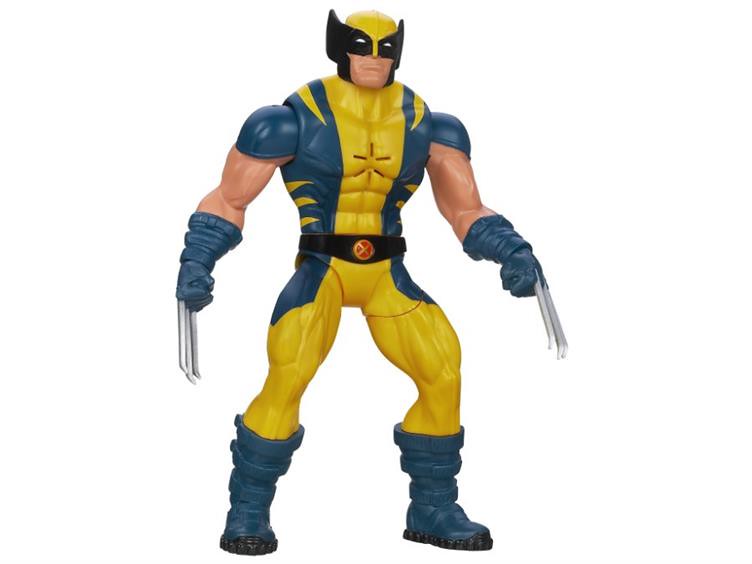
44. When these mutant children are making a grave for Logan, one of them is holding a Wolverine action figure, further proving that in the X-Men movie universe, the X-Men are popular enough to have many merchandise products, with comics being a famous example. 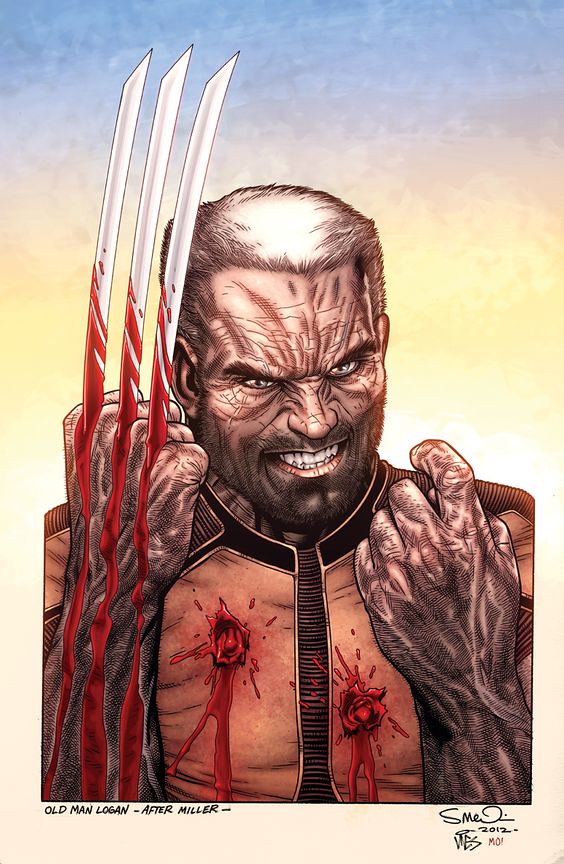 45. When Logan arrives at Eden and the children prank him by messing with his beard, his appearance is similar to Old Man Logan in the comics, which is also a homage to the original work.
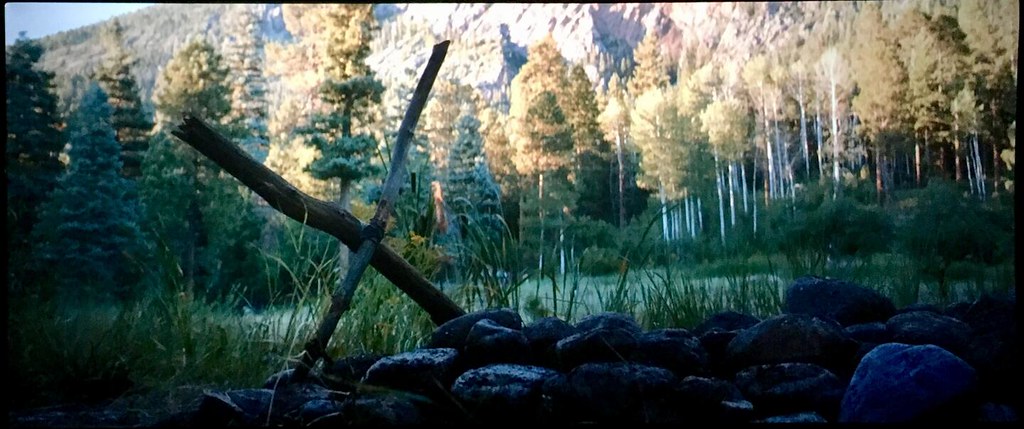 46. The final scene needs no explanation; please experience its conveyed meaning with your heart.
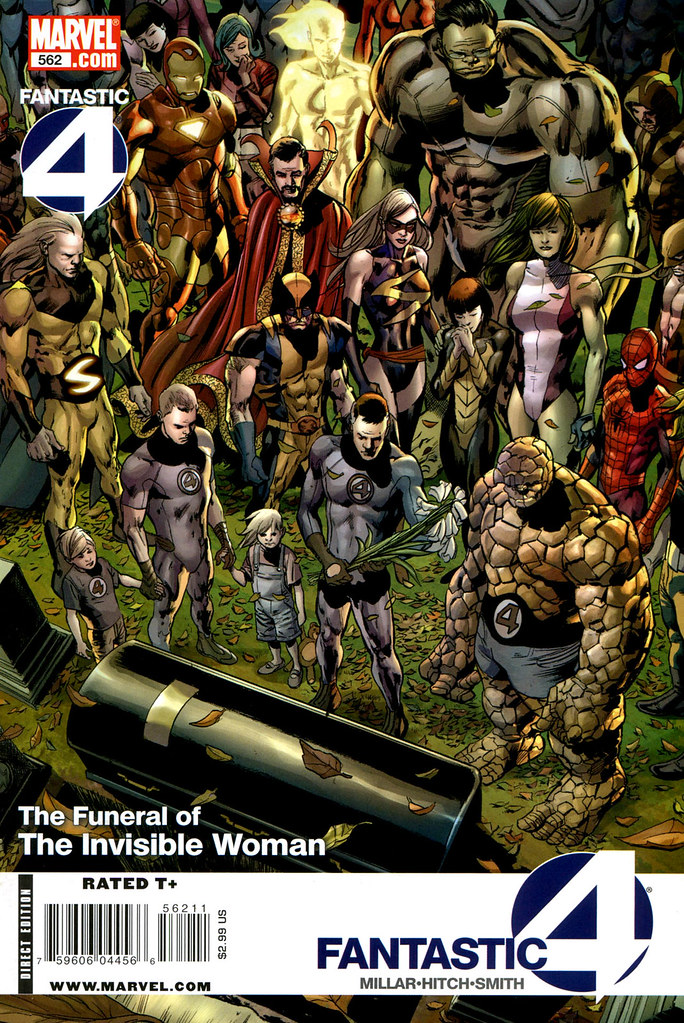
47. This is the most important hidden Easter egg: the cemetery Logan visits in the movie is called Greenwood Cemetery. Although the movie changes its location to the American Southwest, in the Marvel main continuity, Ultimate Universe, and the real world, it is set in Brooklyn. In the Fantastic Four comic story "Death of the Invisible Woman" in the main continuity, Invisible Woman buries her future self there.
And in the Ultimate Universe's Ultimates 2 story, it is described as Captain America's memorial site (everyone thought he had died in WWII at the time). Coincidentally, both Ultimates 2 and Death of the Invisible Woman, like the original Old Man Logan comic, were written by Mark Millar, the author of Kingsman and Kick-Ass. So, it can be said this is a Mark Millar exclusive Easter egg.
* Greenwood Cemetery does not appear in the Old Man Logan comic; it only appears in the Logan movie. Additionally, the real-world Greenwood Cemetery also has a statue commemorating Captain America's 75th anniversary. 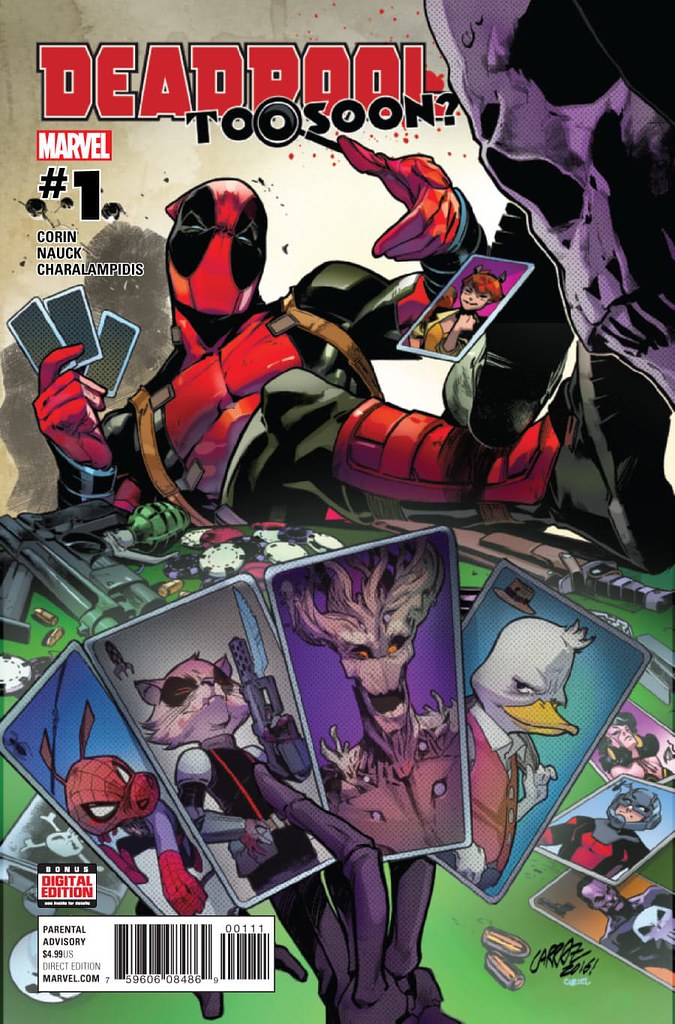 In the Deadpool digital comic story Deadpool: Too Soon?, the plot tells of Deadpool gathering a bunch of funny Marvel characters who are then mysteriously murdered, and the first victim, Forbush Man, is buried in Greenwood Cemetery. This is the only story unrelated to Mark Millar that is connected to it.
If any toy enthusiasts have further questions about this special feature, feel free to ask on the fan page Screen Fandom!