

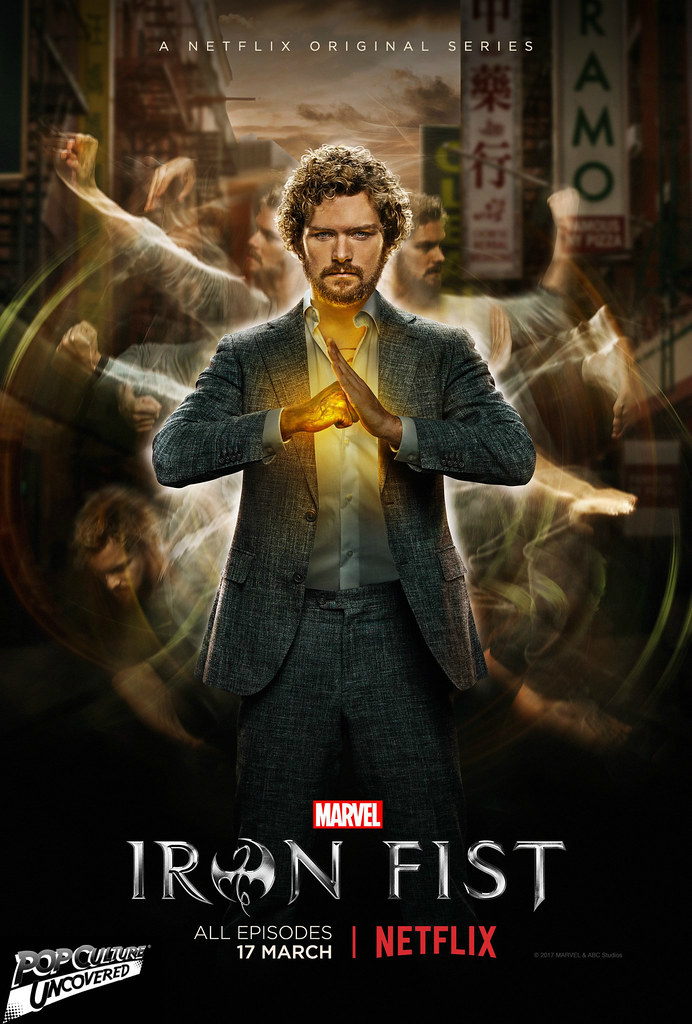
Iron Fist is premiering on Netflix tomorrow. As a media partner, I've had the opportunity to watch the first six episodes. However, I've noticed that the show's reception in the US has been quite polarized, so I'm here to analyze why these varied opinions exist and share my own thoughts. Before diving into my review of the series, let me briefly introduce the character of Iron Fist to all you toy enthusiasts. 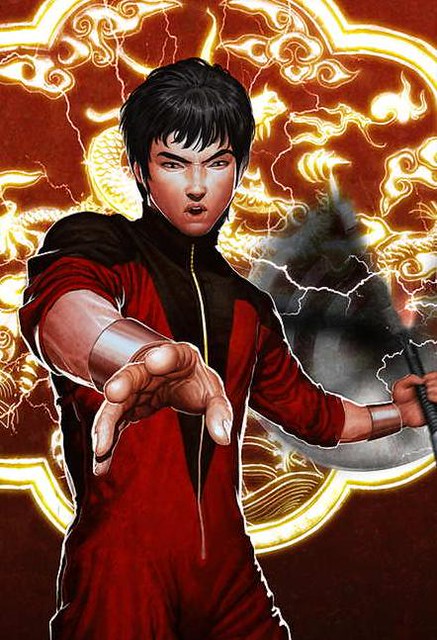
Iron Fist, much like his predecessor Master of Kung Fu, Shang-Chi, is a character born from the popular kung fu culture of 1970s America. His real name is Daniel Rand, the son of businessman Wendell Rand. In his youth, Wendell discovered the mystical city of K'un-Lun and, during his time there, saved the city's ruler, subsequently becoming his adopted son. However, he eventually left to return to New York to start a business and married socialite Heather Duncan, with whom he had Daniel. 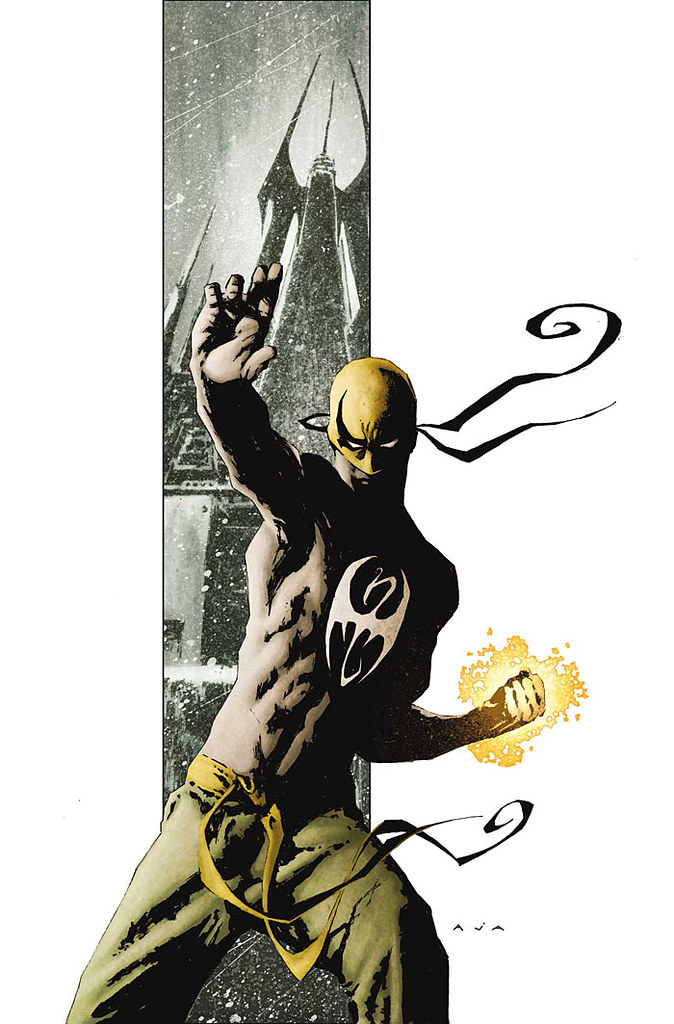 Wendell later wished to return to K'un-Lun, so when Daniel was nine, he embarked on the journey with his family and business partner, Harold. During a mountain climb, Daniel accidentally slipped, and because they were all roped together, his parents were also pulled down. Harold, deeply in love with Heather, seized the opportunity not to help Wendell, leading to his death. Daniel and Heather, unforgiving, decided to walk back to camp on their own, but were attacked by wolves, resulting in Heather sacrificing herself to protect her son. Soon after, the people of K'un-Lun rescued Daniel and taught him martial arts, transforming him into Iron Fist.
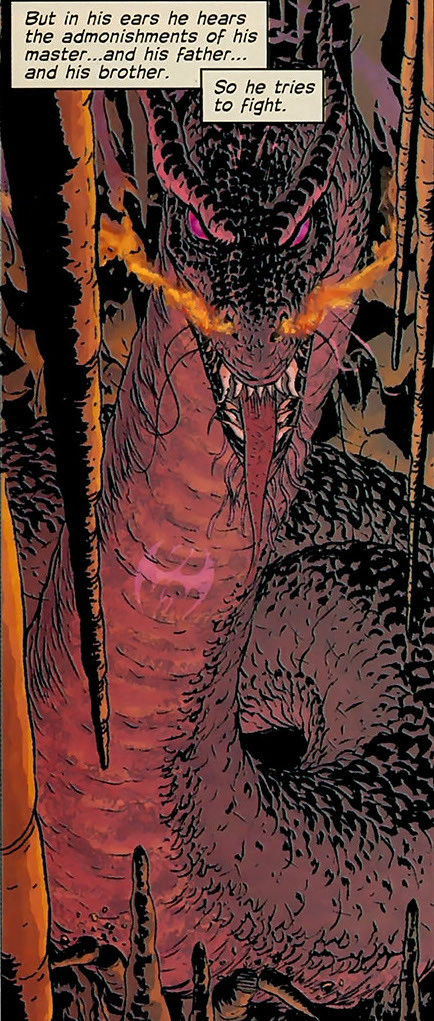 Iron Fist's powers are derived from Daniel's battle with the immortal dragon, Shou-Lao. This dragon resurrects multiple times, and each generation of Iron Fist must defeat it to gain its power. The method of acquiring this power involves plunging one's fists into a brazier containing the dragon's molten heart. This allows him to freely summon and focus his chi, granting unprecedented enhancements to his strength, speed, stamina, durability, agility, reflexes, and senses. The dragon tattoo on Daniel's chest was seared onto him by Shou-Lao.
Six Famous Related Feats (All from the Main Continuity):
1. Iron Fist's best friend is Luke Cage, and together they founded Heroes for Hire. 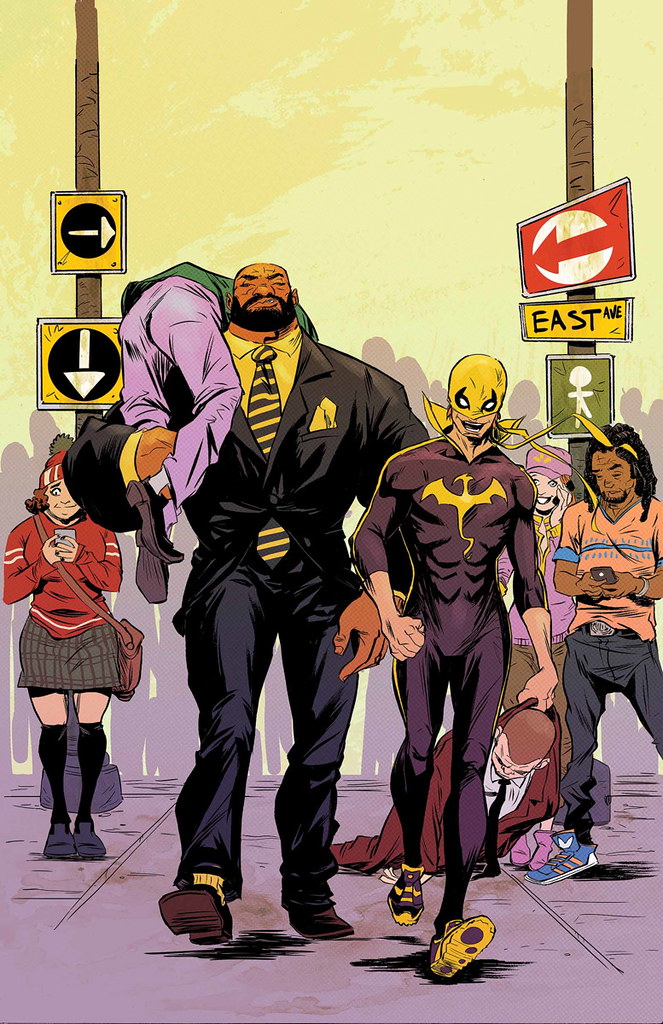
2. Iron Fist's famous love interest is Misty Knight, though the Marvel Cinematic Universe portrays her as being closer to Luke Cage. 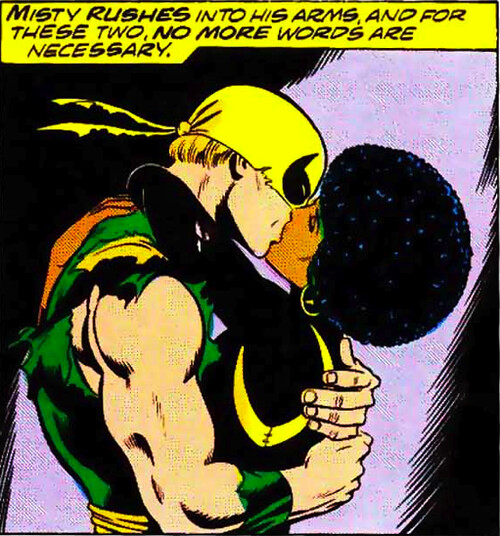
3. Wolverine's archenemy, Sabretooth, first appeared in Iron Fist's comic series. 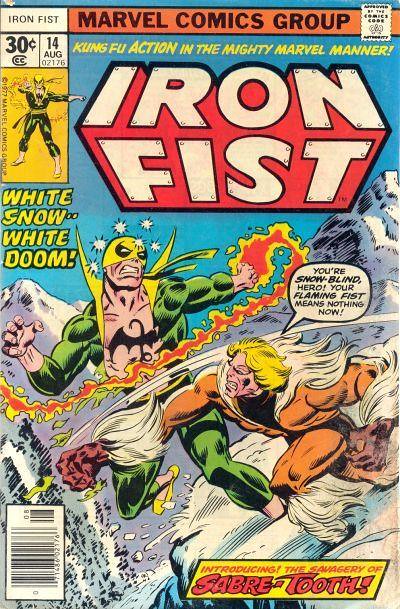
4. Iron Fist temporarily impersonated Daredevil during the Civil War event. 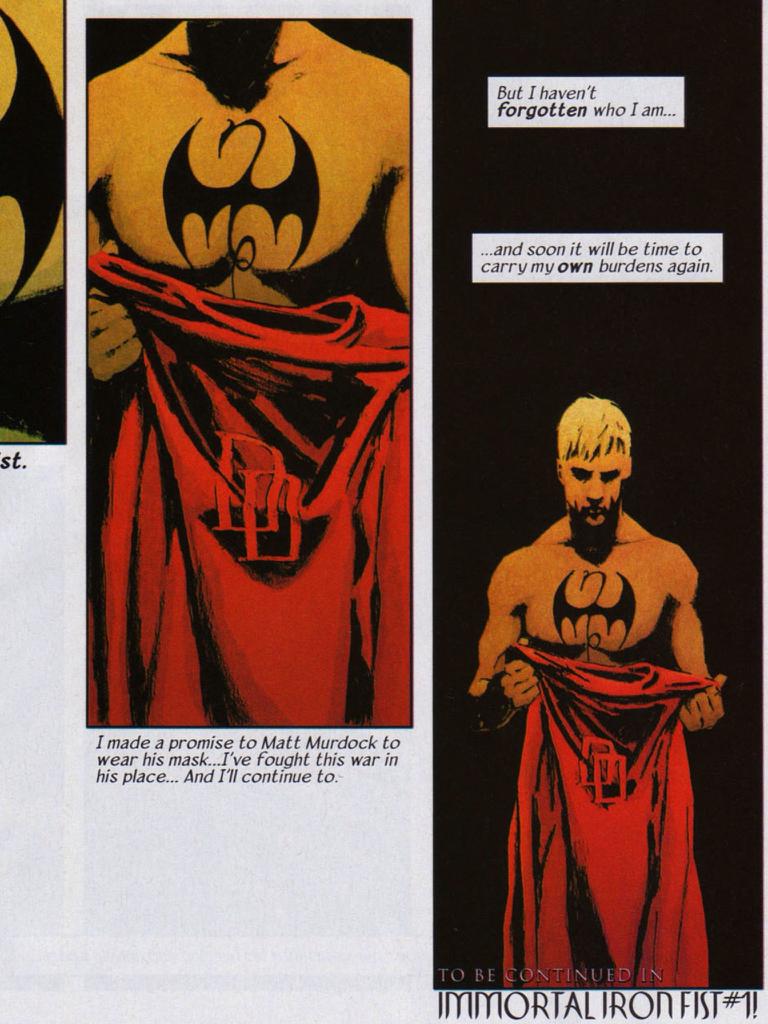
5. Deadpool once impersonated Iron Fist, becoming Dead Fist. 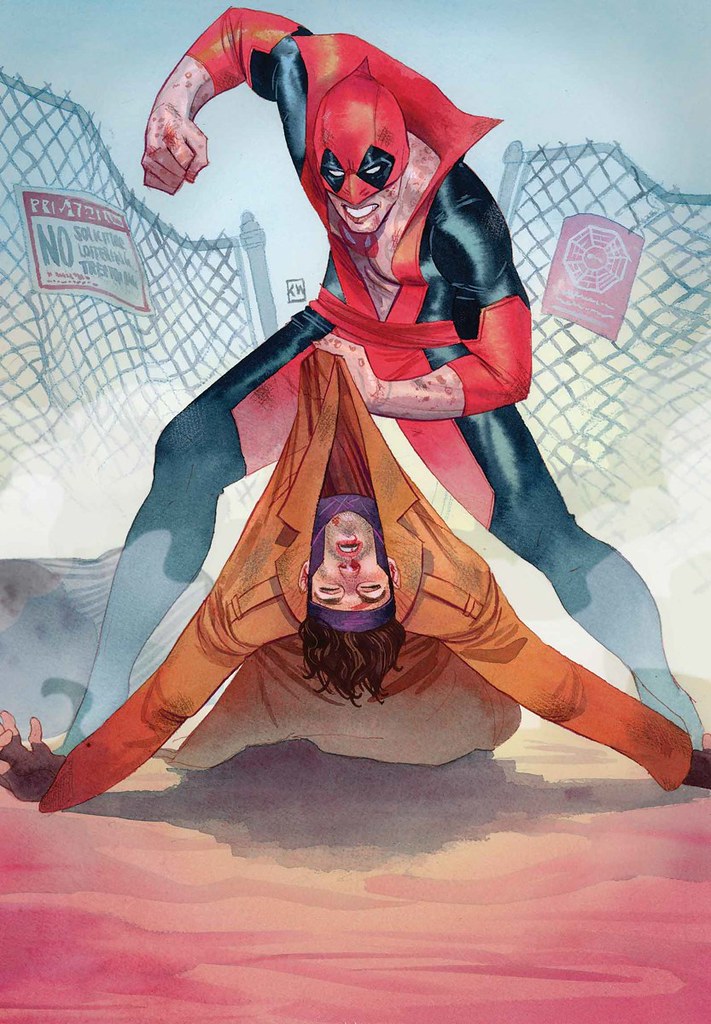
6. Iron Fist's first time joining the Avengers was after the Civil War, when he joined Doctor Strange's anti-registration faction, the New Avengers, placing him in opposition to Iron Man's Mighty Avengers. 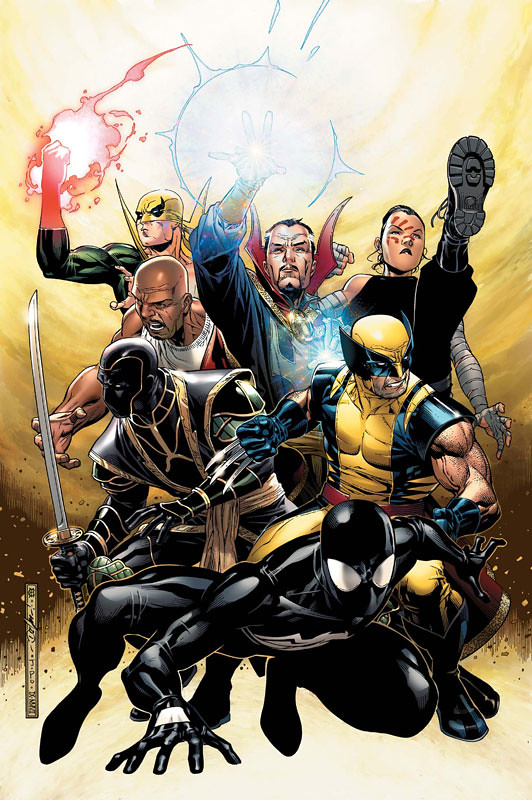
▼ Netflix Iron Fist Trailer
Regarding my impressions, I'll start with a simple assessment: Iron Fist's strengths can become weaknesses when viewed from a different perspective, and conversely, its weaknesses can also be seen as strengths. However, I must emphasize that these thoughts are based only on the first six preview episodes. The remaining seven episodes, once released, might alter the overall reception, but I've synthesized both sides of the argument into the following points:
1. The Pacing of the Story is Very Fast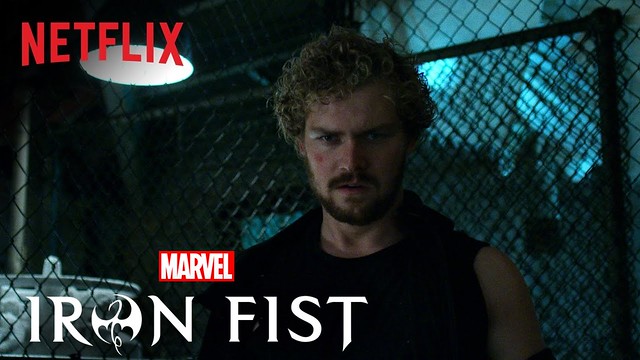
Advantage: Compared to the series of the previous three Defenders heroes, it's much easier to get into the plot. It's concise and impactful, much like watching a movie, making it very suitable for those who have only seen the films and not the other series.
Disadvantage: The biggest characteristic of Marvel's Netflix series is that they fill in the gaps of the Marvel Cinematic Universe that films cannot elaborate on, such as citizens' perceptions of super-powered individuals or using super-powered issues for political grandstanding. For a shared universe, each work needs a different angle to allow the audience to better experience its atmosphere. However, due to its fast pacing, the Iron Fist series hasn't developed its own unique perspective within the MCU.
2. Integration of The Defenders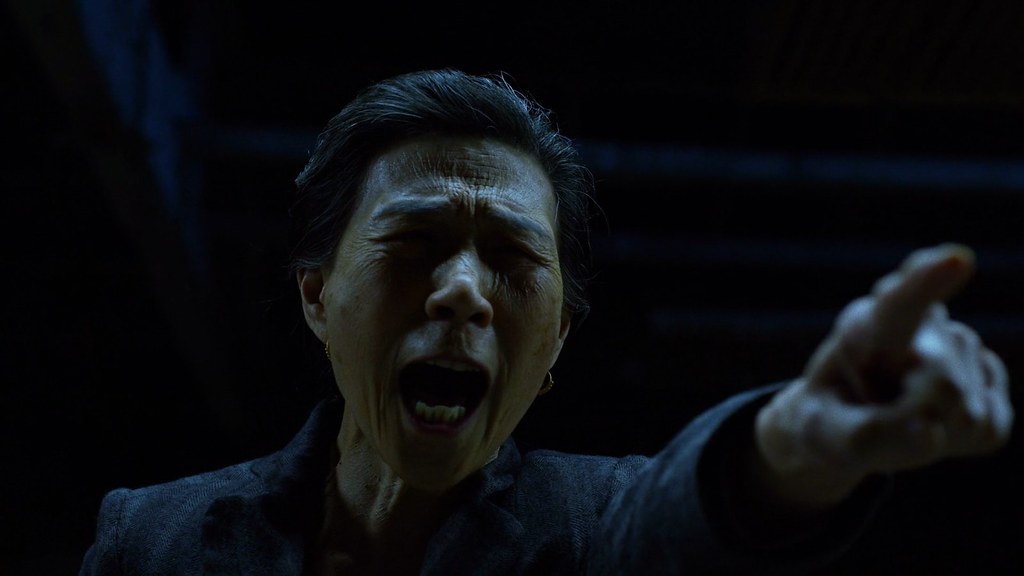 Advantage: Live-action media incurs higher costs and longer production times, and its flexibility cannot match that of comics, which can develop individually and then connect through major events. Therefore, to convey a shared universe, live-action productions often establish many common elements and settings around a single theme. For this reason, from the very first episode of Season 1, Iron Fist begins to link with the storylines of the previous three Netflix heroes, especially Daredevil (thus, to watch Iron Fist, it's at least recommended to finish both seasons of Daredevil first). This approach ensures that non-comic fans won't find the relationships between works complicated and can quickly understand how characters from different series interact and get to know each other.
Disadvantage: Much like the first Captain America movie, which, in setting up The Avengers, lost some of Captain America's own story characteristics, Iron Fist, in laying the groundwork for The Defenders, sacrifices many of Iron Fist's unique traits in its plot. Many elements make the Iron Fist series feel like a spin-off side story of Daredevil, but I can't spoil why; you'll just have to watch it tomorrow to find out.
*From the trailer, we can already see that three supporting characters from the Daredevil, Jessica Jones, and Luke Cage series also appear in the Iron Fist series. This is something everyone can pay attention to; perhaps even more will appear once the remaining seven episodes are released.
3. Elucidation of Eastern Mysticism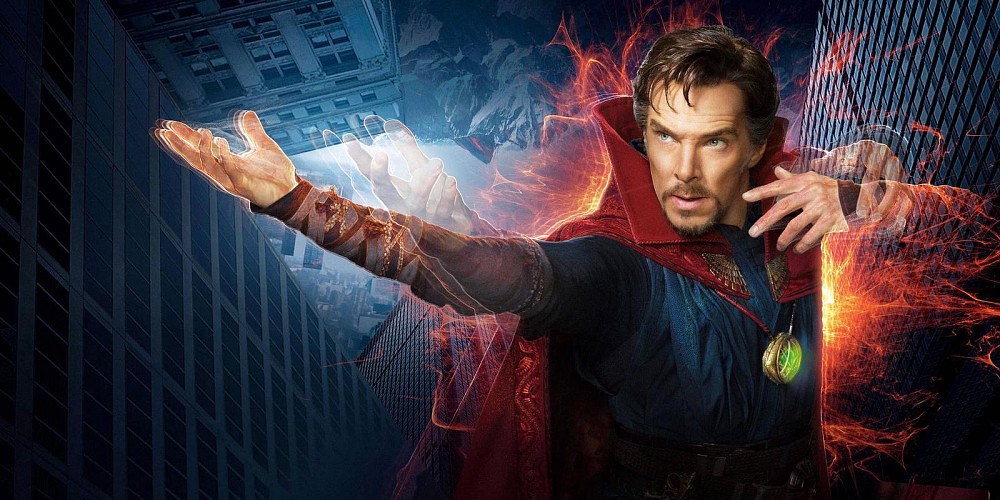 Advantage: Besides the Doctor Strange movie, there's an additional Marvel Cinematic Universe work that explores Eastern mystical elements, which is an excellent development.
Disadvantage: None. Some websites claim that Iron Fist's "white savior" trope is a flaw in this regard, but I think that's a bit excessive. Firstly, Iron Fist in the original comics is indeed a wealthy white second-generation heir. Every religion aims to inspire compassion and encourage people to do good deeds. "Doing good" and "heroism" mean using one's abilities to the fullest. Is it wrong for Daniel, a wealthy white man skilled in kung fu, to use his circumstances to address societal problems? Furthermore, Eastern mysticism, as depicted, is America's imaginative portrayal of Eastern culture. To argue that it differs from our understanding of Chinese culture is truly a bit strange and puts the cart before the horse, especially since America also adapts its own myths for entertainment purposes.
4. Connection to Social Issues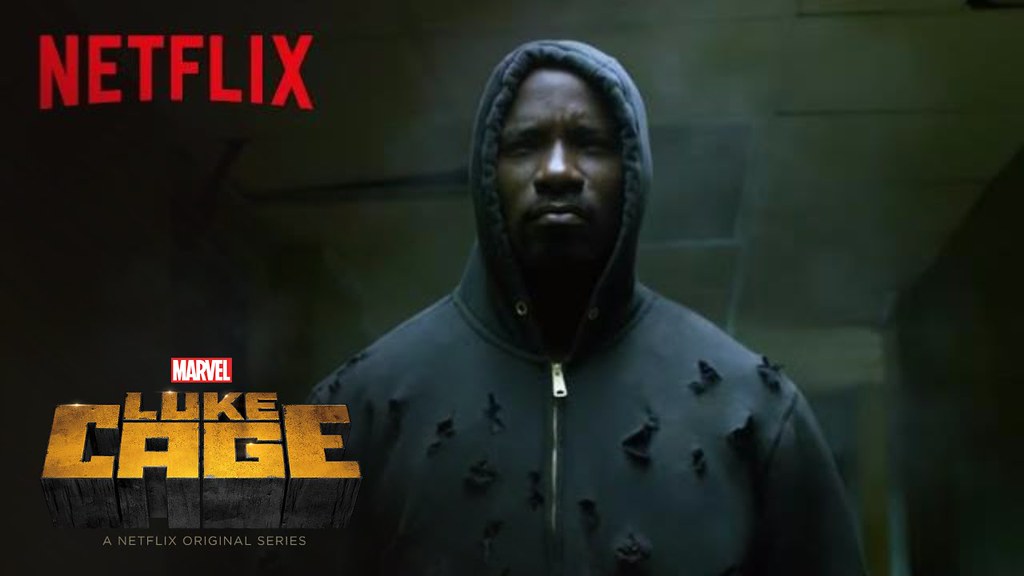
Advantage: None. Daredevil discusses corporate corruption and the oppression of ordinary citizens by the wealthy and powerful. Jessica Jones is linked to feminist issues, and Luke Cage deals with Black issues (especially police brutality against Black individuals). Moreover, the literary archetype of a hero fighting social injustice inherently connects to social issues as a fundamental aspect of their character. However, the Iron Fist series lacks a clear social issue.
Disadvantage: Same as above. 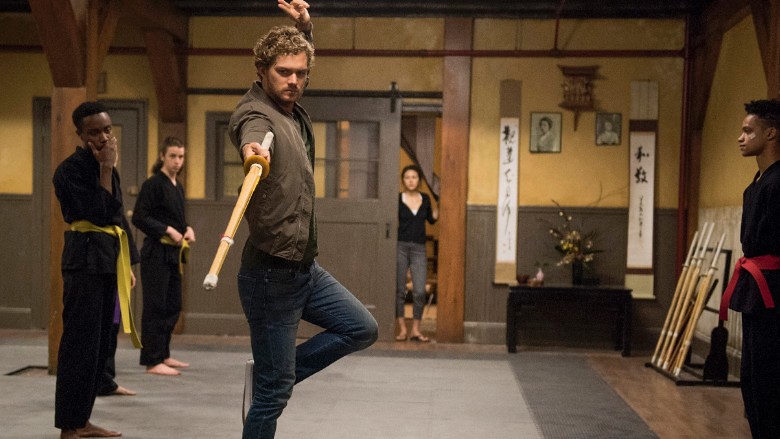
In conclusion, compared to the other three Netflix hero series, Iron Fist certainly has its share of drawbacks. However, some of these aren't even true flaws; many stem from an accustomed way of storytelling from the previous three shows, rather than being inherent problems with the Iron Fist series itself. As I've also mentioned, its disadvantages can be seen as advantages from a different perspective. I don't believe it's as bad as some foreign media outlets have claimed, especially since only six episodes have been screened so far (American media also only saw six episodes, just like me). Therefore, the criticism seems a bit excessive, as Netflix original series are typically designed to be watched as a complete, cohesive story.
Extended Reading:
Screen Fandom