
In Part 1: The Founding Story of the Miyawaki Father-Son Duo, From a Tiny Shop to a Global Name, we covered how Osamu Miyawaki, after working over 30 different jobs, followed his destiny and established Kaiyodo. With his endless stream of creative ideas, he transformed a tiny 1.5-tsubo (approx. 54 sq. ft.) shop into one of Japan's most famous model stores in just a few years. It was a thrilling ride! But the Kaiyodo story doesn't end there. The Miyawakis' passion for models might be far wilder than you imagine. So how did Kaiyodo evolve from a retail store into a full-fledged manufacturer?
The "Age of the Sculpting Maniacs" Arrives: Diving into the Garage Kit Scene
In the 1980s, Japanese modelers felt that commercially available assembly kits were inaccurate and crudely detailed. To this day, Kaiyodo's Senior Managing Director, Shuichi Miyawaki, still jokes that they were "basically garbage designed to fool kids." If that was the case, the only option was to make something better yourself! This sentiment sparked the rise of the Garage Kit (GK) movement, where enthusiasts passionately shared and duplicated their own sculpted works.
Shuichi Miyawaki with his fellow modeling comrades who pioneered Garage Kit production techniques. They called themselves the "Zokeikyo Gakkai," or the "Society of Sculpting Maniacs." Image credit:mamipiyoza-da-kunesu
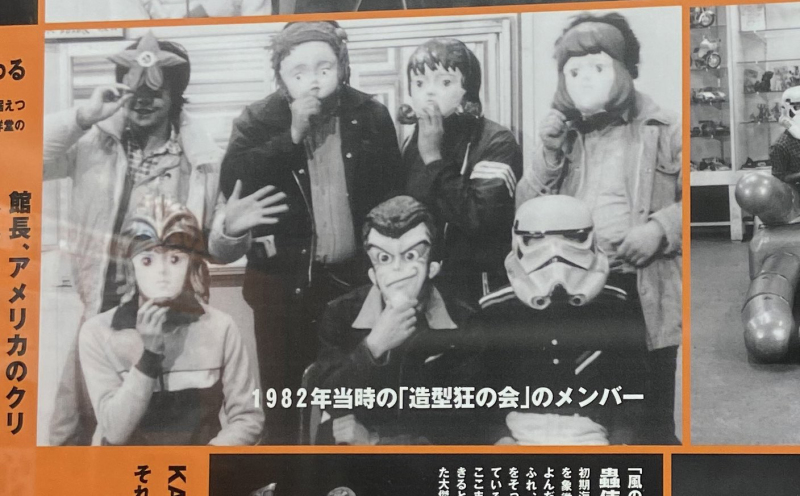
Following their philosophy that "a hobby is about having fun," the Miyawakis set up workstations inside their 200-tsubo (approx. 7,100 sq. ft.) Kaiyodo Hobby-kan. This attracted the era's most passionate "sculpting maniacs" to gather, build, and exchange ideas. Soon, they mastered a low-cost, high-precision technique—"creating silicone molds to cast replicas with non-foaming polyurethane resin"—and began producing their own highly-acclaimed products. However, it was during this time that Kaiyodo would meet its fiercest rival to date: "GENERAL PRODUCTS."
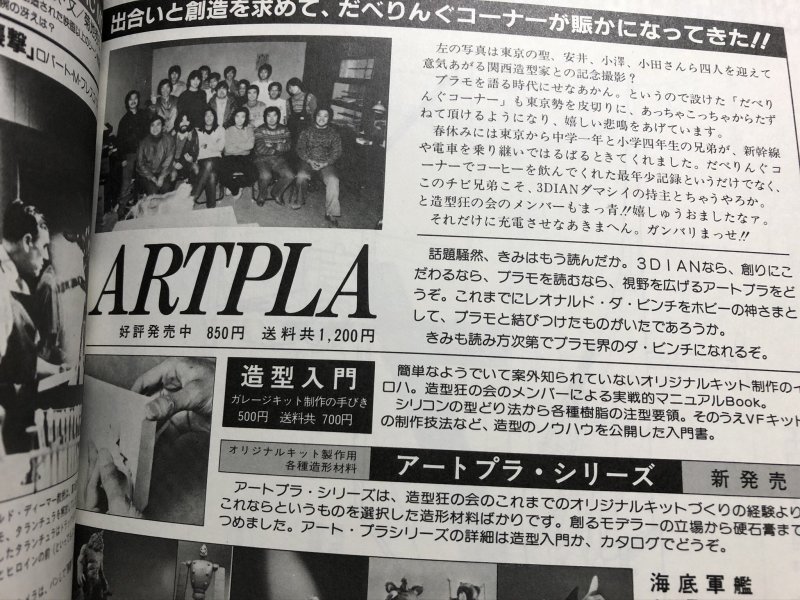
An ad for Kaiyodo from the '80s. Early Garage Kits were made via vacuum forming heated plastic sheets. The resin casting method using silicone molds matured later. Image credit:Rintaro
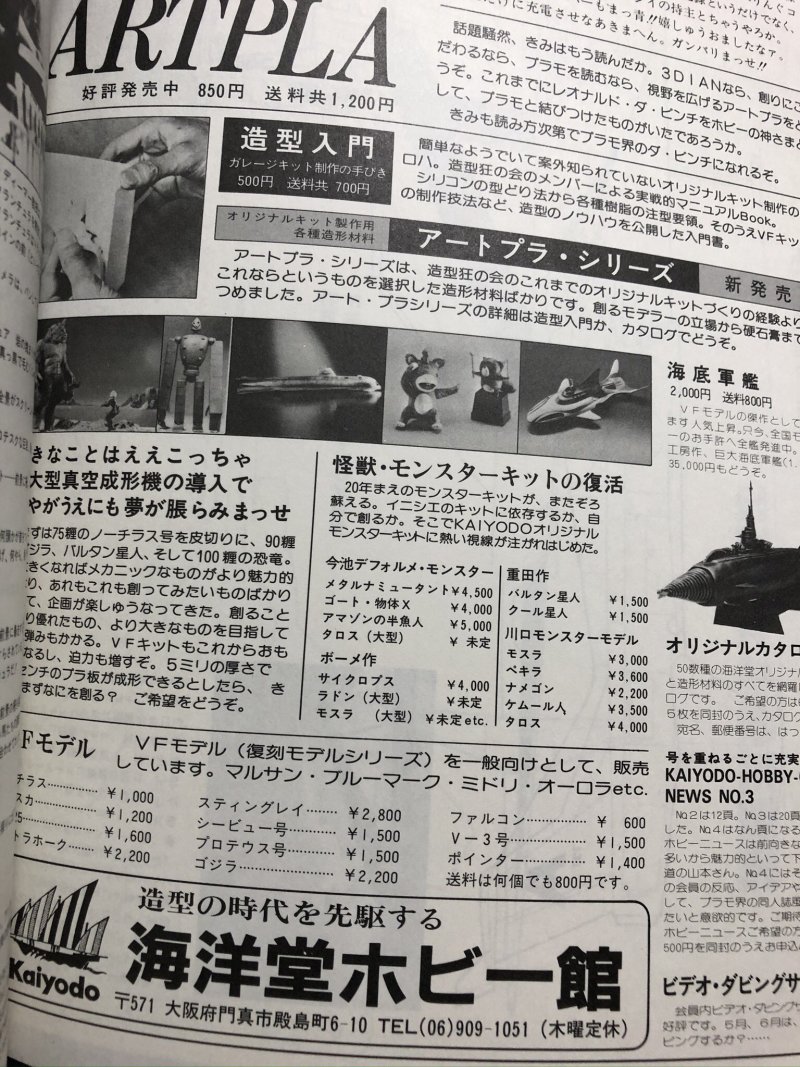
Image credit:Rintaro
The Ultimate Rival: The Fuel for Kaiyodo's Growth
A young man named Toshio Okada, his passion for science fiction ignited after watching "Space Battleship Yamato," became a well-known figure in the Kansai region's SF convention scene. In 1981, at the 20th Japan SF Convention, Okada saw sci-fi garage kits selling out to massive crowds and was determined to enter the booming industry. The next year, he partnered with fellow sci-fi fan Yasuhiro Takeda, dropped out of college, borrowed money from his parents, and opened the sci-fi specialty store "GENERAL PRODUCTS" as a division of his family's business.
General Products and Toshio Okada, already catching media attention just one year after opening. Image credit:syogeki
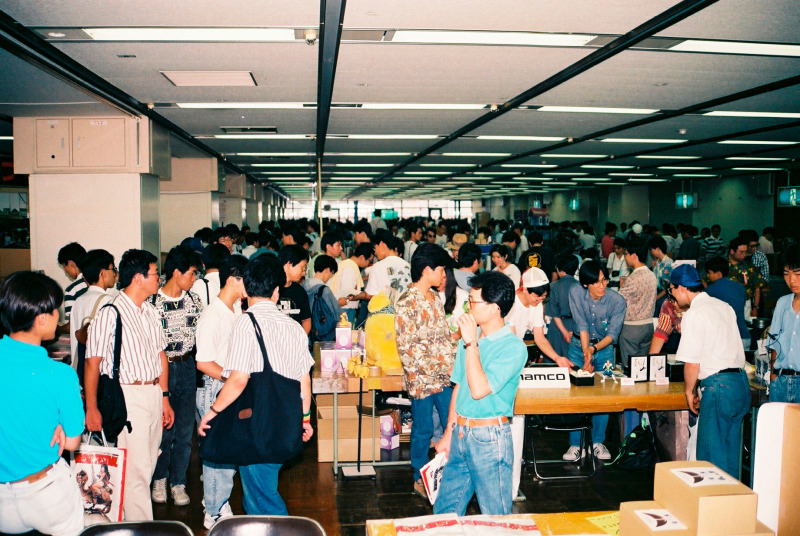
Leveraging his connections from his university days, Okada stocked the store with numerous officially licensed SF products, including garage kits. In this legally-gray dawn of the hobby, obtaining official licenses was rare and difficult—something even Kaiyodo hadn't actively prioritized. General Products, however, aggressively pursued licensing, making frequent trips to Tokyo. They also invested heavily in professional packaging and promotion, running columns in anime magazines that doubled as advertisements. In 1985, they took their biggest step yet, launching "Wonder Festival," an event where modelers could showcase and sell their own creations. The event's scale grew year after year, cementing the fame of General Products.
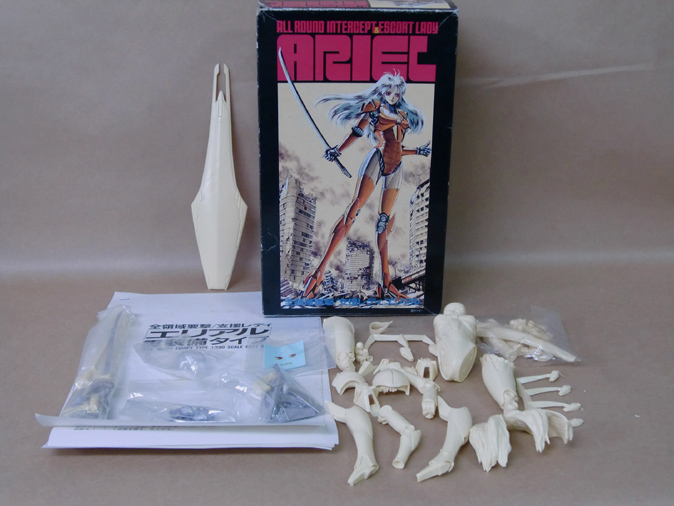
The "1/200 All-Domain Intercept/Support Lady Ariel 'ARIEL' Heavy Equipment Type" Garage Kit released by General Products. Image credit:Aucfree
Wonder Festival, held at the Tokyo Metropolitan Industrial Trade Center from 1985 to 1991, had a much less commercial atmosphere in its early days. Image credit:Niconico News ORIGINAL
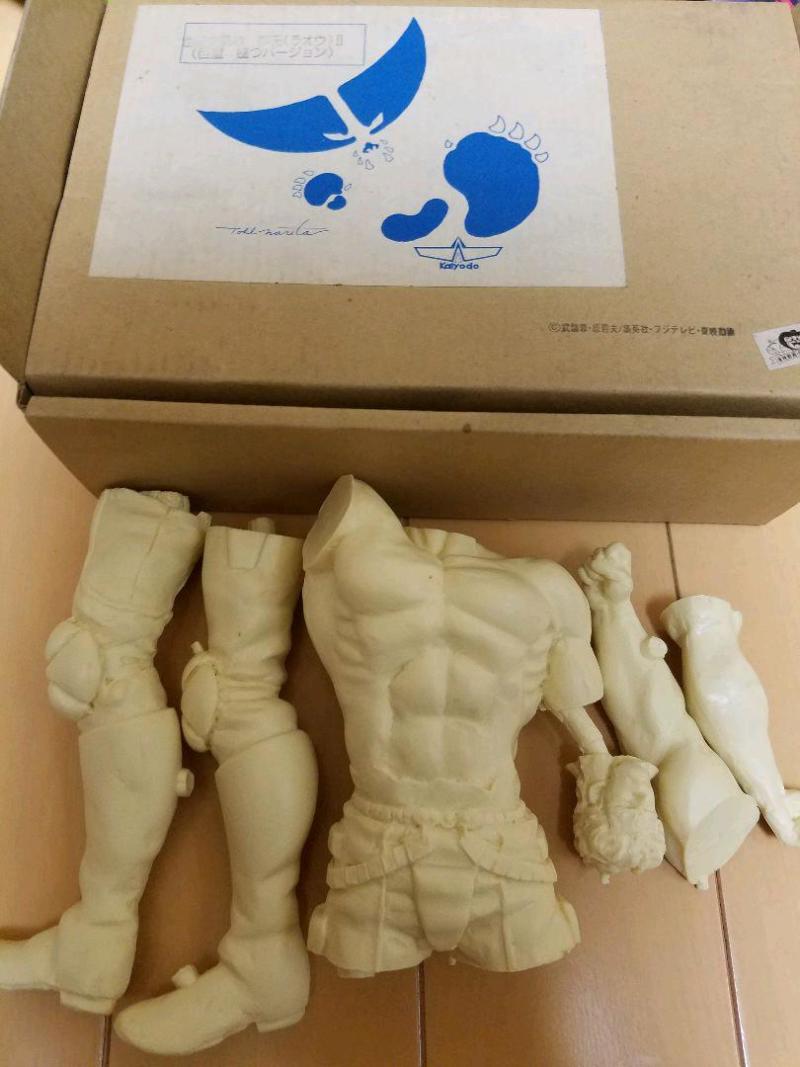
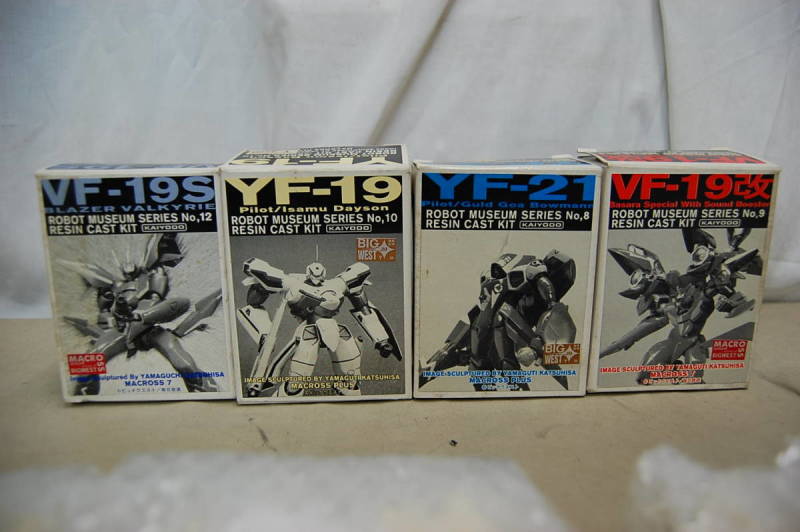
While Kaiyodo acknowledged GENERAL PRODUCTS' impressive marketing and business acumen, the model-making spirit of the Miyawaki father-and-son duo refused to be outdone. After all, Kaiyodo was the first company to witness Tatsuya Kawaguchi's revolutionary garage kit (GK) production methods. In 1984, Kaiyodo consolidated its GK manufacturing and sales, officially transitioning from a model shop into a full-fledged manufacturer. They steadily recruited exceptional sculptors like Katsuhisa Yamaguchi, BOME, and Shinobu Matsumura, establishing absolute confidence in their product quality. At the same time, they actively secured licenses from Toho for their monster films, Tsuburaya Productions for the Ultraman series, and Sunrise for its anime properties. This led to the launch of GK product lines like the animal-themed "MUSEUM" series and the mecha-focused "ROBOT MUSEUM" series. By 1988, they became pioneers in the pre-painted figure market, releasing several figures from "Fist of the North Star."
Early Kaiyodo GK products were shipped in simple cardboard boxes with just a logo sticker; the only identifier was a small line of text with the product name. Image credit:Mercari
Spurred on by the competition from GENERAL PRODUCTS, their box art and packaging design began to look much more professional. Image credit:Aucfree
Looking back at their rival, GENERAL PRODUCTS, the late 1980s saw them frequently traveling between Osaka and Tokyo to handle licensing deals and organize Wonder Festival. They eventually relocated their store to Tokyo. However, after the move, manpower was diverted to the newly established animation company, GAINAX. This, combined with various issues like the failure of their planned magazine "CYBER COMICS," led to the store's closure in 1992. The company shifted its entire focus to anime production under the GAINAX banner. This marked the end of a nearly decade-long rivalry, but it left a critical question: what would happen to the massive responsibility of running Wonder Festival? At the time, there was only one answer: their most passionate business rival, "Kaiyodo."
Image credit:Niconico News ORIGINAL
Fueled by a Love for Toys, Kaiyodo Fearlessly Takes the Helm
In a plot twist worthy of a shonen manga, even Kaiyodo didn't see this coming. They were a small manufacturer with zero experience in event management. Even if they had the courage, they risked facing jealousy from their peers. How could they possibly take on such a heavy burden? Soon, however, they understood why they were chosen. Wonder Festival was an event "driven by passion far more than profit." The vast majority of participants were there to share their creations and showcase their technical skills, fueled by a deep love for the hobby—not to get rich. This perfectly aligned with Kaiyodo's founding philosophy: "To bring the joy of creation to everyone."
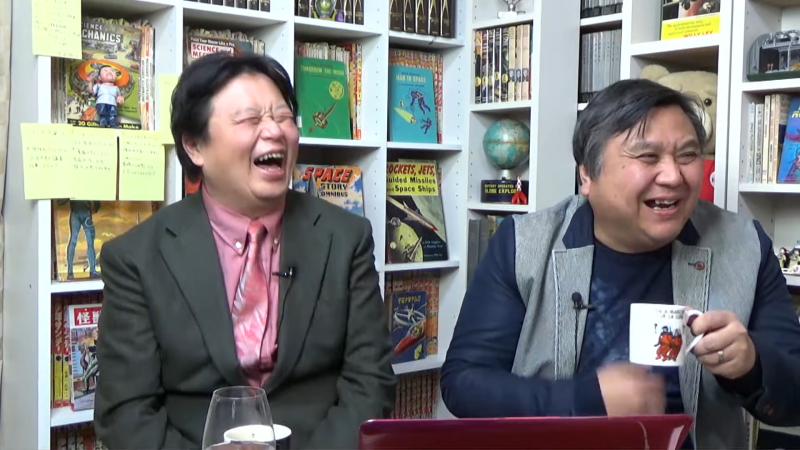
Toshio Okada and Kaiyodo maintained a strong relationship afterward. Okada introduced Kaiyodo to contemporary artist Takashi Murakami for a collaboration, and Shuichi Miyawaki often appeared on Okada's programs. Image credit:Toshio Okada
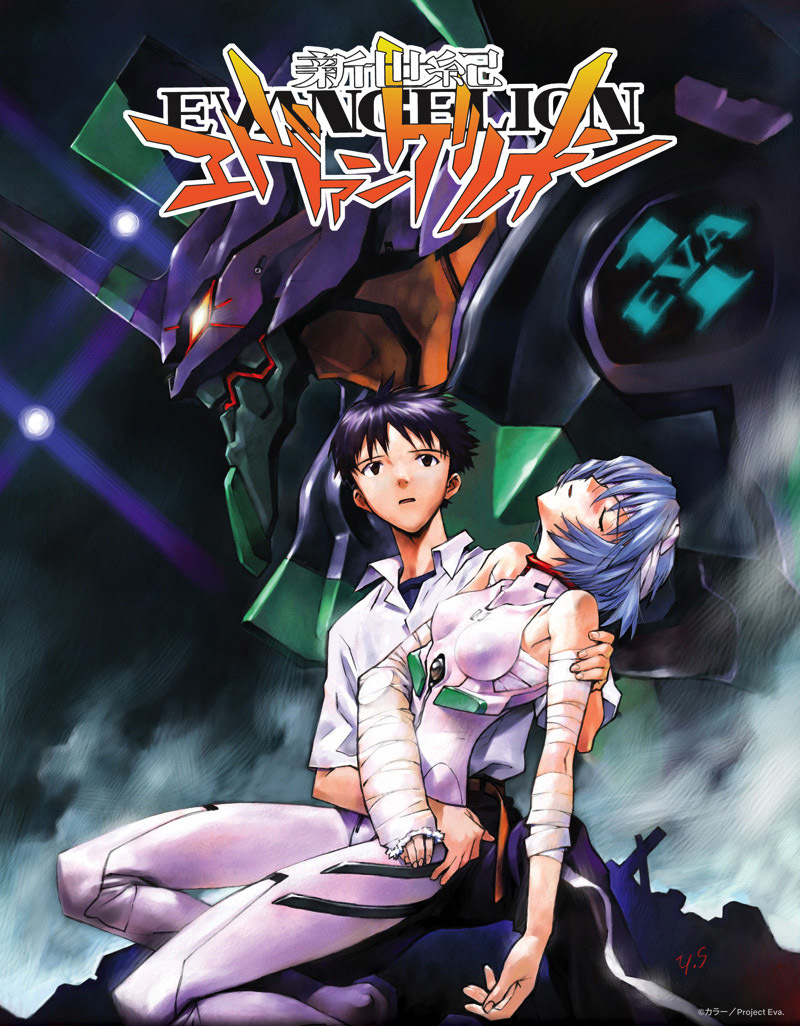
GAINAX's 1995 TV anime "Neon Genesis Evangelion" became a massive social phenomenon in Japan, which in turn helped fuel the rapid growth of Wonder Festival under Kaiyodo's operation. Image credit:khara, Inc.
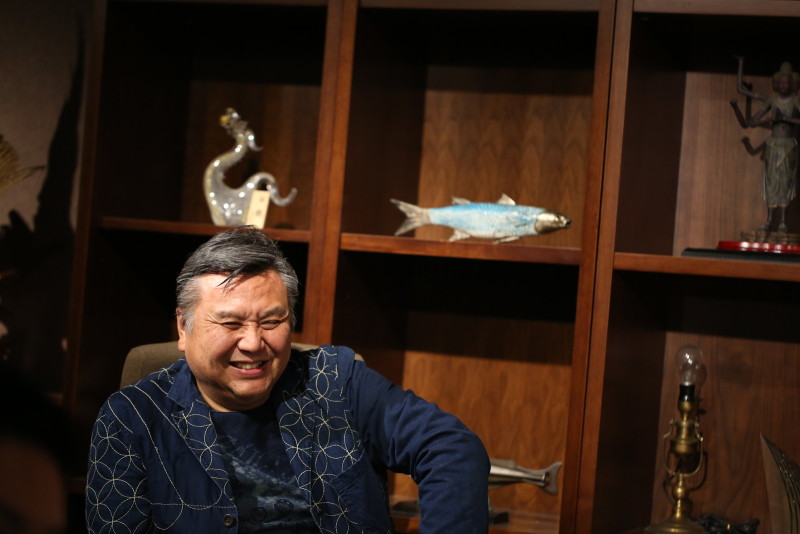
As a passionate modeler himself, Shuichi Miyawaki has always loved Wonder Festival, the ultimate celebration for model enthusiasts. Even though the process was difficult and likely made him more enemies, he chose to have Kaiyodo take over the event. Kaiyodo's passion successfully earned the trust of copyright holders, allowing the "Same-Day Licensing System"—a system crucial for creators—to continue to this day. He once said that it was precisely because Kaiyodo is a company that doesn't act like one that such a miracle was possible.
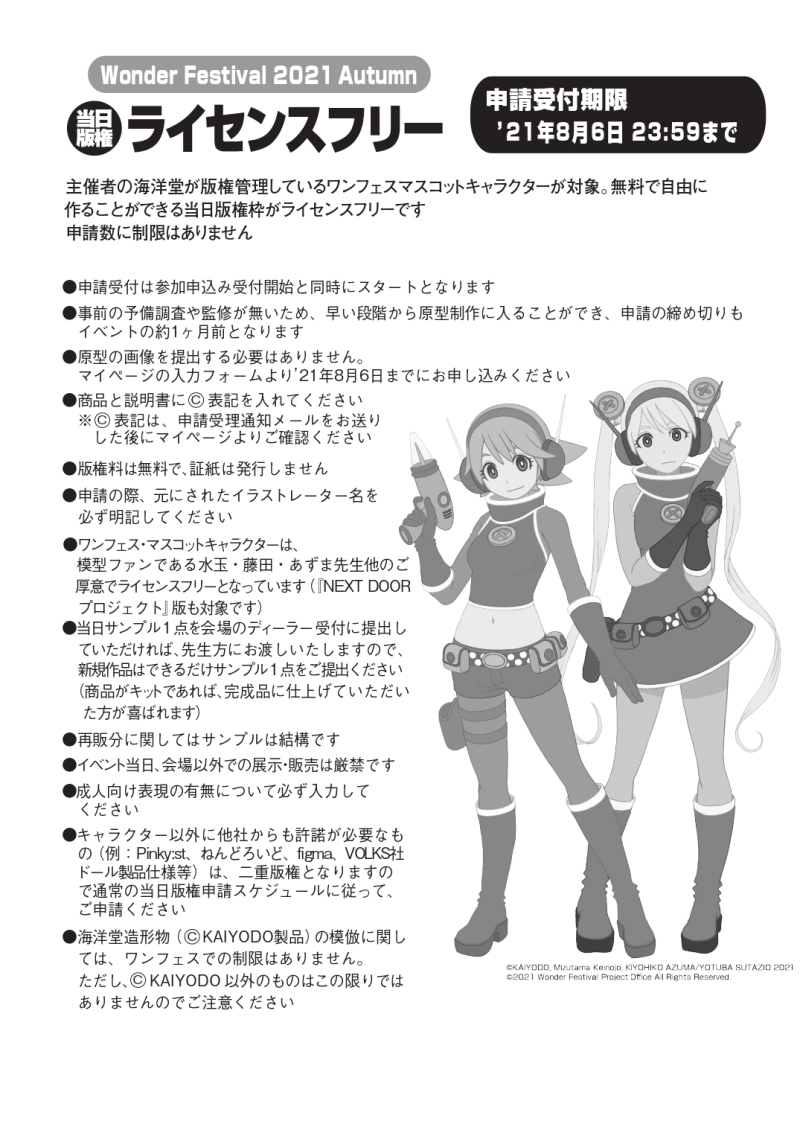
The "Same-Day Licensing System," a tradition carried over from the General Products era, is a framework that allows the garage kit makers and modelers participating in WF to operate with peace of mind while also protecting the rights of the license holders. The WF organizers consolidate all the applications and seek permission from the copyright holders, allowing participating DEALERs to legally sell their works on the condition that sales are limited to "the day of the exhibition, within the venue only." This is a testament to the trust and goodwill between the organizers and the rights holders.
An explanation of the "Same-Day Licensing System" rules. Image credit:Wonder Festival
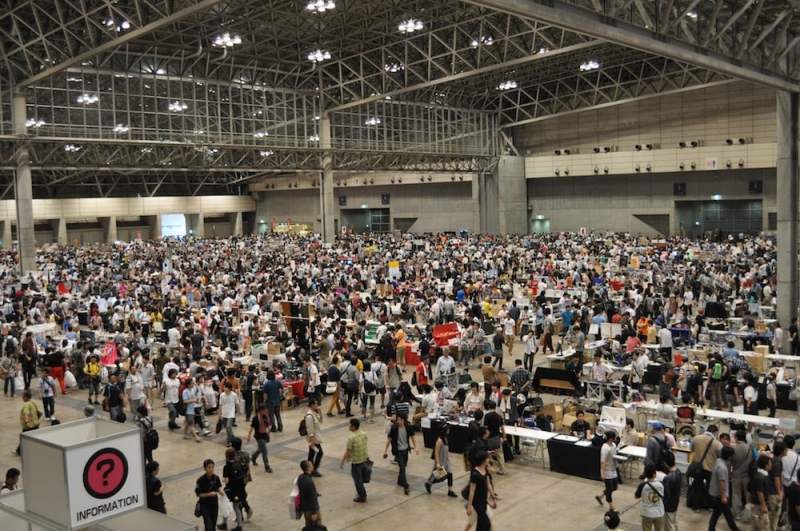
Today's Wonder Festival is a far cry from its origins as a small fan gathering. Held twice a year at Makuhari Messe, it rents out the 54,000-square-meter International Exhibition Halls 1-8, attracting nearly a hundred corporate exhibitors from the model and toy industry. It features over a thousand DEALER booths where sculptors can network, display, and sell their creations, drawing in tens of thousands of fans to the massive event.
In recent years, the Wonder Festival venue is always packed with massive crowds. Image credit:KAI-YOU.net
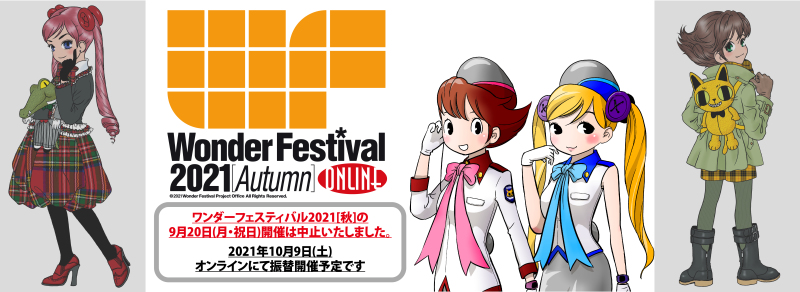
Even as the number of corporate booths at Wonder Festival has increased, Kaiyodo has stayed true to the philosophy it had when it took over. The corporate area is kept to a single hall, separate from the DEALER booths, ensuring the spotlight remains on the independent sculptors who make up the majority of the event. Even today, with the COVID-19 pandemic still a serious concern, the thrice-canceled Wonder Festival has actively shifted to an online format, fighting to give DEALERs a chance to showcase and sell their work.
Wonder Festival 2021 [Autumn], which was canceled due to the pandemic, was held online instead. Image credit:Wonder Festival
A Company Unlike a Company: Valuing 'Artistry' Over Profit
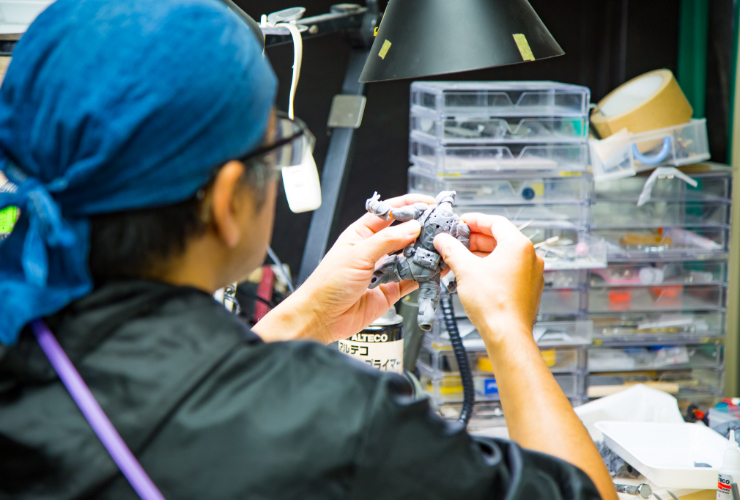
This spirit of prioritizing the "passion of the sculptor" would go on to deeply influence Kaiyodo as it transformed into a model kit manufacturer. Shuichi Miyawaki often refers to his company as a "sculpting group" rather than a corporation. Kaiyodo doesn't treat its sculptors as employees, but as individual creators, each with a unique personality. This is why they don't just use the term "prototyper" (原型師), which implies simple replication, but "sculptor" (造形師), a title that signifies the creation of a personal style. For the Miyawakis, father and son, a work's "artistry" is far more important than its profitability. This shows the immense faith they have in their sculptors. They credit the sculptor's name on every single work, a rare practice even for small products like candy toys. What's even more astonishing is that not a single one of the artists producing these outstanding works ever studied their craft at a technical school.
Image credit:Monodukuri Town Kadoma
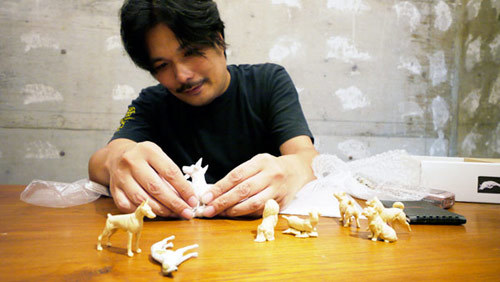
Hailed as one of the world's foremost animal sculptors, Shinobu Matsumura has created countless lifelike creature models for Kaiyodo. A graduate of the Tokyo University of Marine Science and Technology's natural history department, he spent his early years observing and documenting the planet's diverse organisms and even joined environmental protection groups. With his extensive biological knowledge, he chose to join Kaiyodo as a sculptor in 1987. At the time, the prevailing social attitude was that model toys couldn't be considered art. No matter how exquisite his dinosaur models were, they struggled to find an audience. However, Kaiyodo saw immense potential in sculptors like Matsumura who specialized in animals and dinosaurs, and continued to support his work with funds earned from other product lines.
Shinobu Matsumura Image credit:Hobonichi
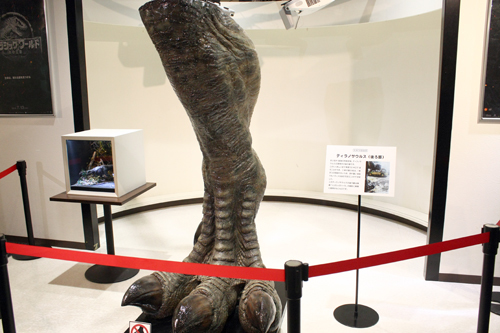
Within a few years, Matsumura's efforts paid off in a way no one could have expected. His dinosaur sculptures earned Kaiyodo invitations from institutions both in Japan and abroad, including the Fukui Prefectural Dinosaur Museum and the American Museum of Natural History in New York, elevating model toys to the status of museum exhibits. When the sensational 1993 Hollywood blockbuster "Jurassic Park" was in production, the filmmakers consulted with Kaiyodo. The maquettes used for the "sick Triceratops" and the "T-Rex leg close-up" scenes were based on models sculpted by Shinobu Matsumura himself.
The maquettes for the "sick Triceratops" and "T-Rex leg close-up" used for "Jurassic Park" are now displayed in museums operated by Kaiyodo. Image credit:Shuichi Miyawaki Kaiyodo Senmu
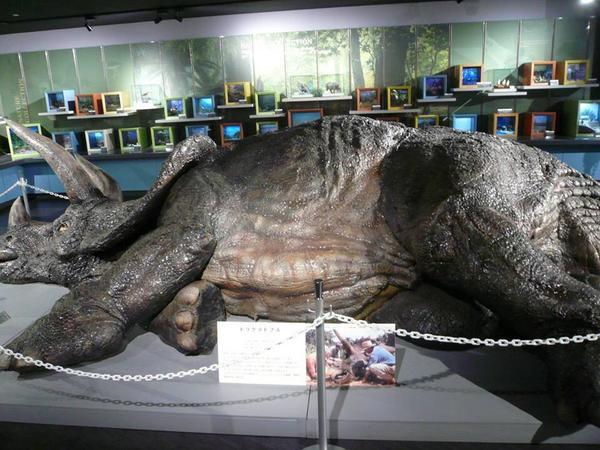
The sick Triceratops scene. Image credit:Movieclips
T-Rex leg close-up. Image credit:CINEMA PRESS
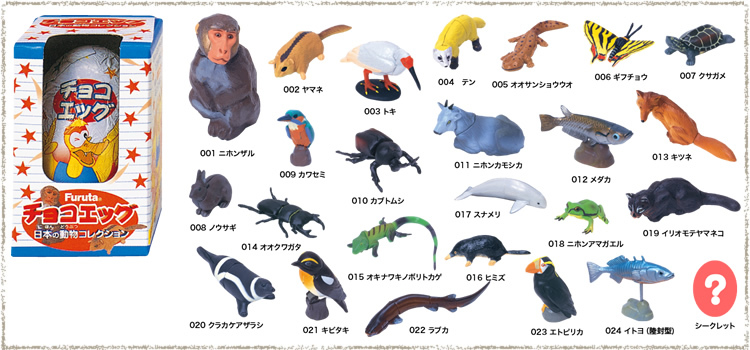
In 1999, Kaiyodo collaborated with Furuta Confectionery to launch the candy toy line "Choco Egg Japanese Animals Collection," a project where Matsumura was involved in both planning and prototyping. The line's unprecedentedly detailed sculpts ignited a massive shokugan craze in Japan, captivating even adults who weren't the target demographic. The Japanese Animals Collection became the best-selling series in the line's history, and Choco Egg went on to win numerous awards, including the Nikkei Superior Products and Services Award in 2001.
The first wave of the "Choco Egg Japanese Animals Collection." Image credit:Furuta Confectionery Co., Ltd.
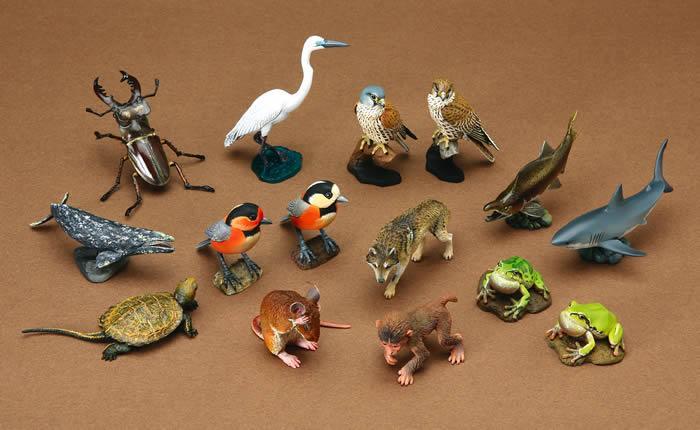
However, Furuta later engaged in several acts of bad faith, leading Kaiyodo to take them to court. After winning the case decisively, Kaiyodo completely severed ties with Furuta and partnered with Takara to release a similar candy toy product, "Choco Q," which continued to feature Matsumura's high-quality animal models.
Animal models from the "Choco Q" series. Image credit:Monotone no Shouzouga
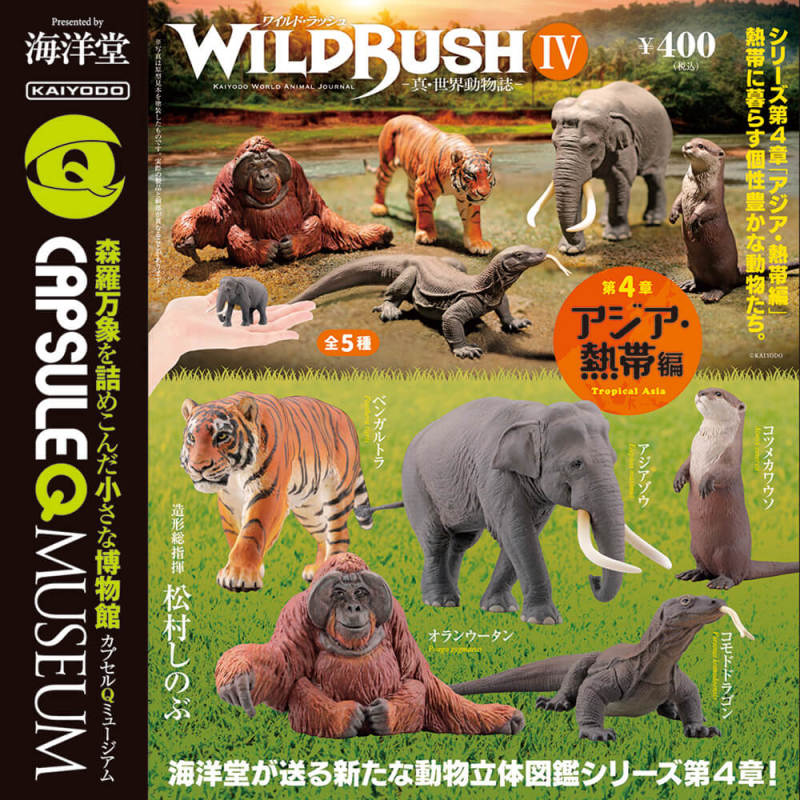
After several evolutions, this series eventually became Kaiyodo's most popular capsule toy line, "Capsule Q." (Pictured: Capsule Q Museum WILD RUSH True World Animal Encyclopedia IV ~Asia Tropical Edition~) Image credit:Kaiyodo
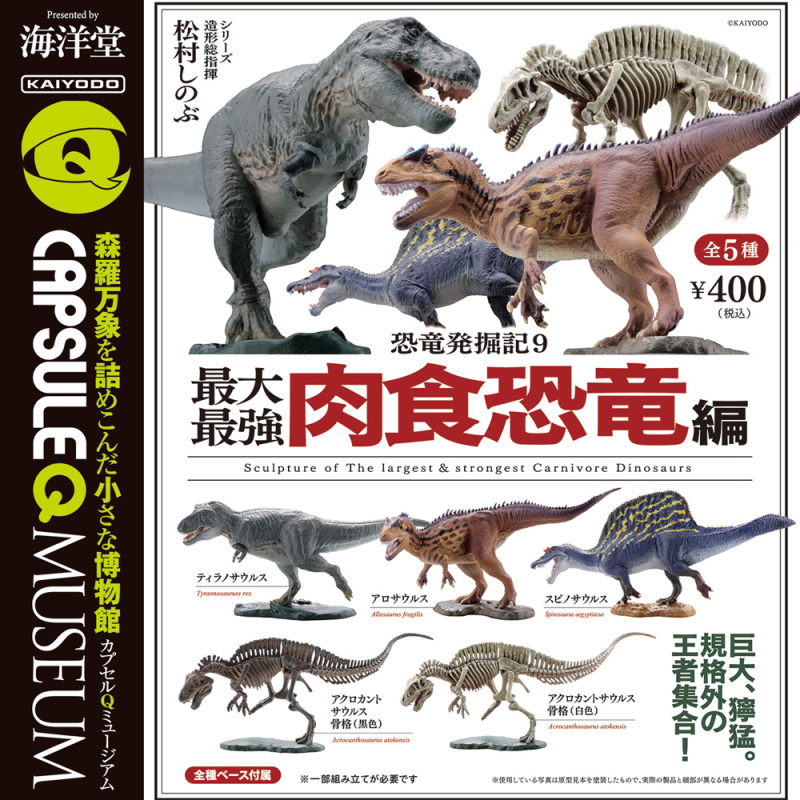
Capsule Q Museum Dinosaur Excavation Chronicle 9: The Largest & Strongest Carnivorous Dinosaurs Edition. Image credit:Kaiyodo
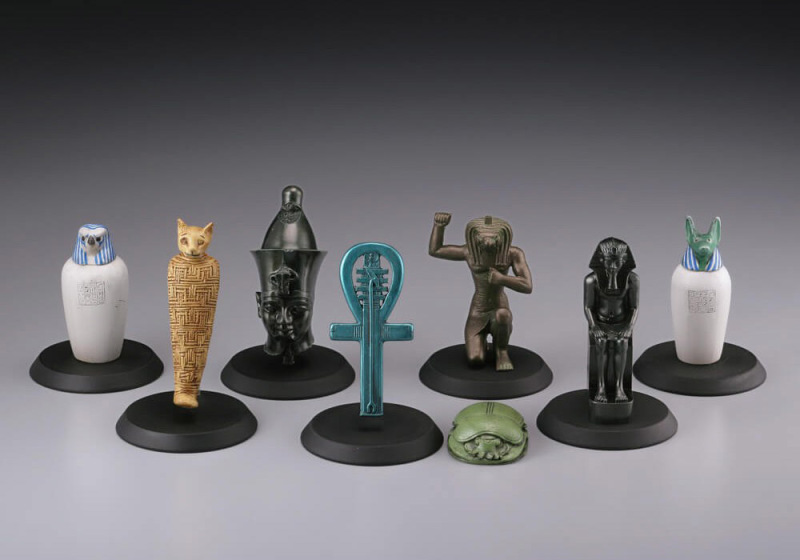
Following his meteoric rise during the shokugan boom, Matsumura's reputation grew even further. When the British Museum held an exhibition in Tokyo, they invited Kaiyodo to produce a series of officially licensed ancient artifact candy toys, which received critical acclaim. Image credit:Kaiyodo
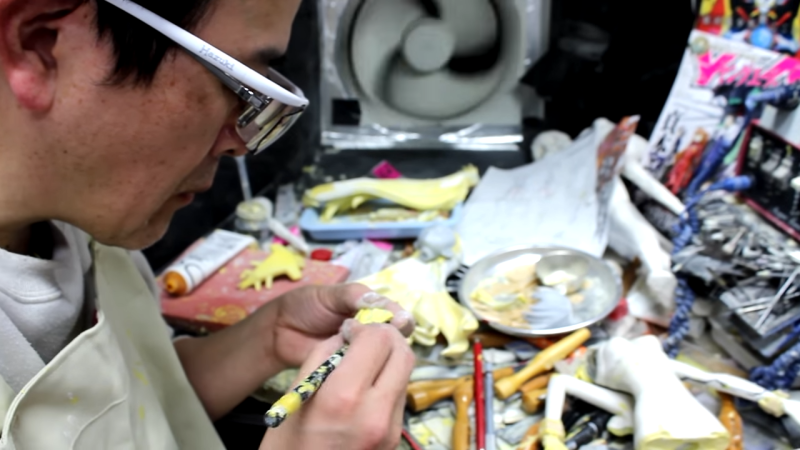
Another of Kaiyodo's master sculptors is BOME, who started as one of the many sculpting fanatics frequently found hanging around the Kaiyodo shop. He originally chased a dream of becoming an animator in Tokyo, but after a stint at an animation studio, he was disillusioned by the harsh working conditions. In 1984, he returned to Osaka and officially joined Kaiyodo. Long before the era of mass-produced, pre-painted PVC figures from Chinese factories began in the 2000s, BOME was already a trailblazer in the bishoujo figure scene. He created numerous outstanding figures of both anime and original characters, setting trends and earning a reputation as the industry's top artist at the time. Starting in 1995, he was frequently invited to exhibit his work in Japan, the United States, and beyond. Through an introduction by Toshio Okada, he even collaborated with renowned contemporary artist Takashi Murakami on a project to create life-size bishoujo figures.
Kaiyodo sculptor BOME. Image credit:Kaiyodo
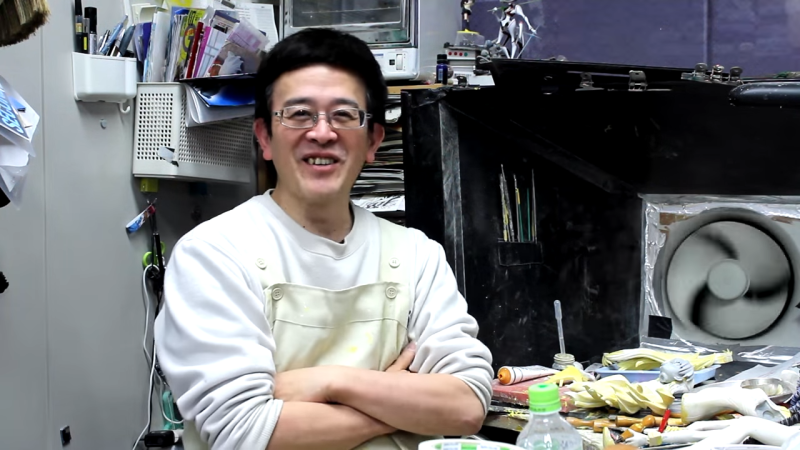
Image credit:Kaiyodo
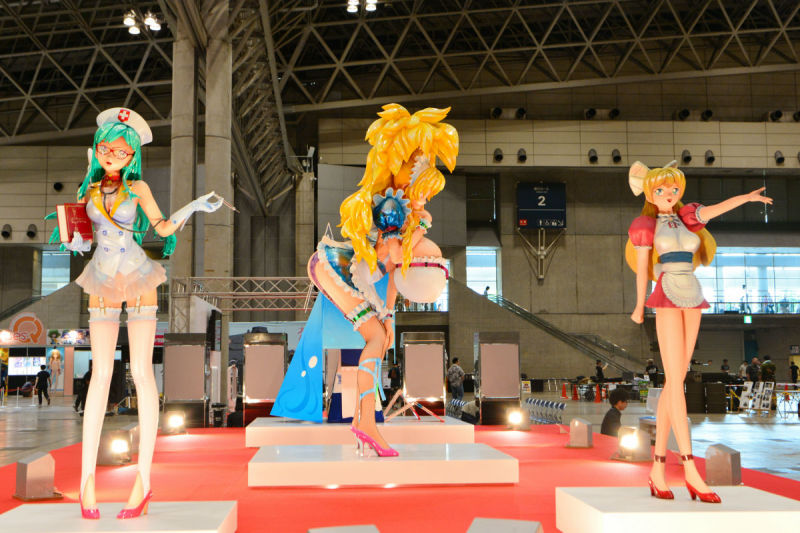
BOME and Murakami's "Project KO2" fused otaku culture with fine art, producing several voluptuous and nude life-size bishoujo statues that unabashedly displayed the fantasies and desires of otaku. In a more conservative era, the project sparked considerable controversy and was dismissed by some as lacking artistic merit. In recent years, however, it has increasingly been recognized as a significant work of art.
From left to right: "Nurse Ko2," "3m Girl," and "Miss Ko2 Original (Project Ko2)." Image credit:Gigazine
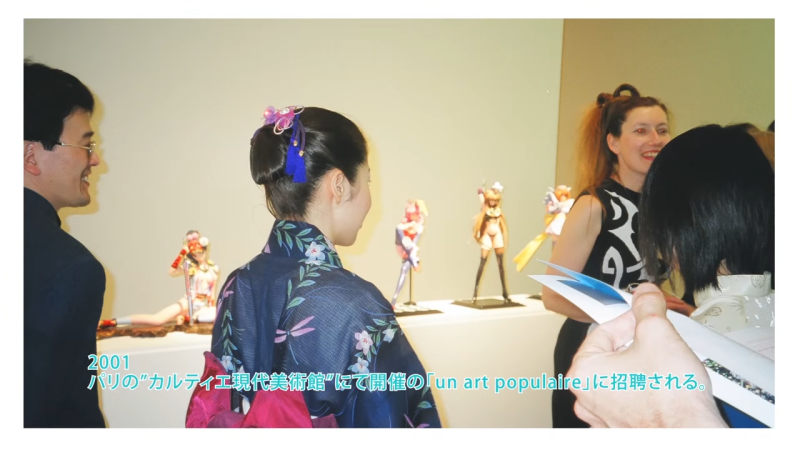
Around the year 2000, BOME was also invited to exhibit his bishoujo figures at the "Feature, Inc." gallery in New York and as part of the "Un art populaire" exhibition hosted by the Fondation Cartier pour l'art contemporain in Paris. Image credit:Kaiyodo
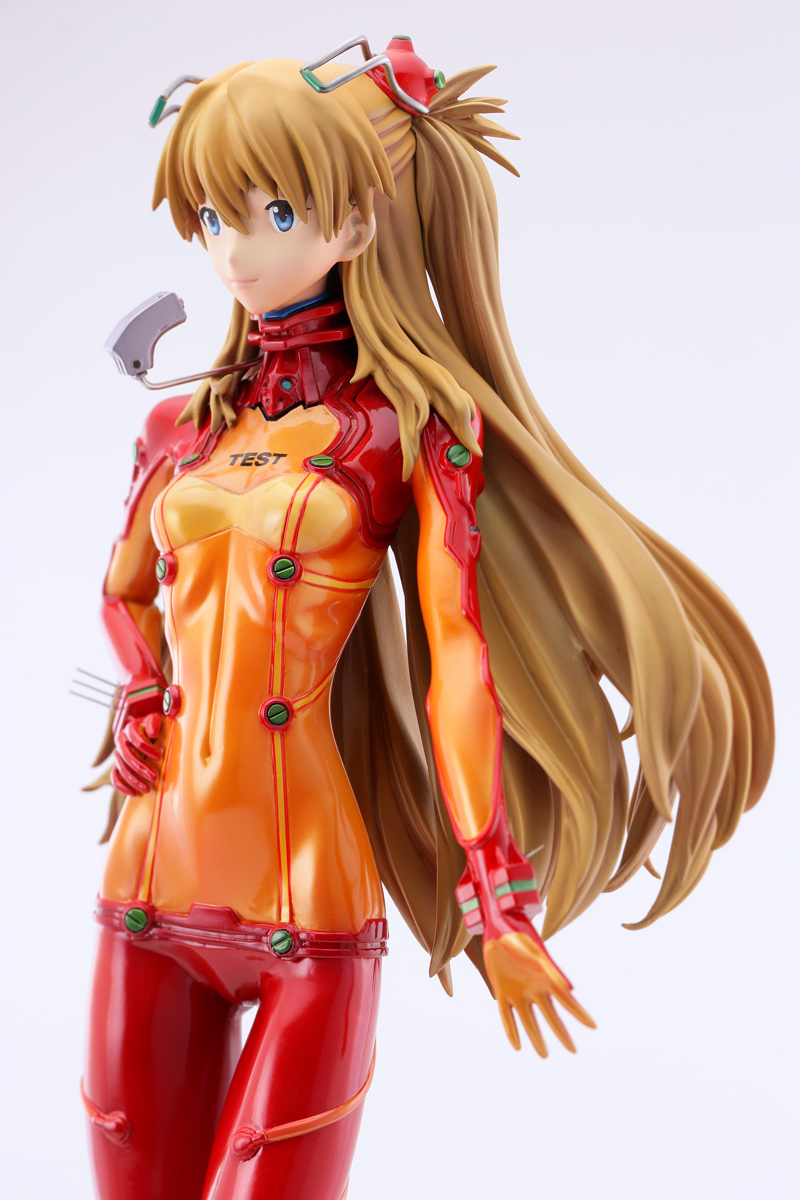
Lamenting the soaring prices and often mismatched quality of modern bishoujo figures, Kaiyodo launched a 55cm tall "Evangelion: 2.0 You Can (Not) Advance Shikinami Asuka Langley" in 2015, personally sculpted and painted by BOME himself. Marketed as "not a replica, but a true BOME original," the piece carried a hefty price tag of 800,000 JPY. However, for a completely handmade work of art, such a price was not considered excessive.
The "Shikinami Asuka Langley" personally crafted by BOME. Image credit:Kaiyodo
Full of Passion, But on the Brink of Collapse: Shuichi Miyawaki's Candid Confession
This deep respect for artistry is perhaps one of the reasons Kaiyodo has consistently set new milestones in the industry, why collectors adore the brand, and why its spirit is indispensable today. However, in an interview last year, Senior Managing Director Shuichi Miyawaki revealed a shocking truth: “The fact is, in February 2020, I was planning to dissolve Kaiyodo. It might sound arrogant, but at the time, I believed there was no one else who understood sculpting better than me—no one with the knowledge, the skill, and the passion to keep it going. Kaiyodo and I were one and the same. I am Kaiyodo, and Kaiyodo is me.”
His words reveal a profound confidence and passion for the Kaiyodo name, perhaps mixed with the frustration of not being understood. Miyawaki had reviewed numerous investment proposals in the past, but the vast majority couldn't guarantee that Kaiyodo could continue operating in its unique way, leading him to reject them personally. Fortunately, he later met Tetsuro Sato, a former director at Oriental Land Company, which operates Tokyo Disneyland. Sato connected him with MSD Corporate Value Enhancement Fund, an investment firm under the Mitsui & Co. group, which acquired a 90% stake in Kaiyodo. This saved the small company, which still operates with only 49 employees, from dissolution.
While it may seem like a corporate buyout, with Sato taking the role of president, the new partners view Kaiyodo as an essential piece of Japan's cultural heritage, believing its potential is far greater than its current state. Miyawaki has also assured fans that his and his father Shu's authority will remain unchanged, and they will continue to pursue their "sculpting spirit" in a new environment with more robust resources.
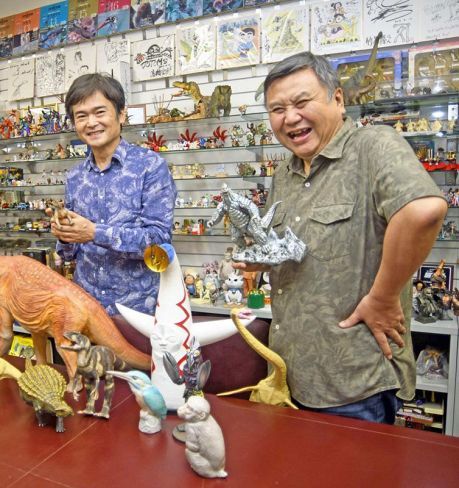
Contemporaries Tetsuro Sato (left) and Shuichi Miyawaki (right) get along well. Image credit:Kochi Shimbun
How will Kaiyodo evolve in the future? We believe Shuichi Miyawaki will give us an answer very soon.