

As previously reported, "Marvel's Spider-Man 2," the third installment in the acclaimed "Marvel's Spider-Man" series, finally swung onto PC on January 30, 2025. However, the highly anticipated port immediately faced "mixed" reviews on Steam, with players expressing frustration over its subpar performance and even demanding refunds.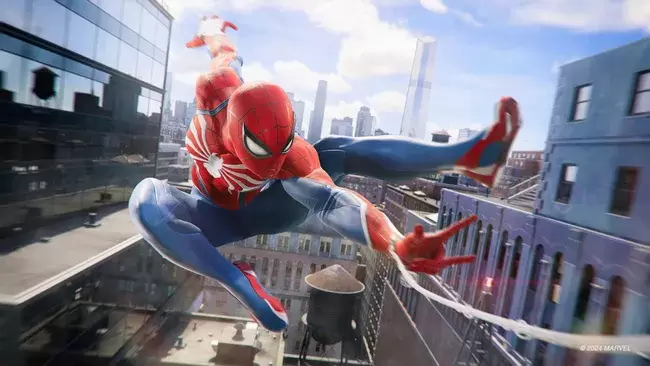
Reports indicate a litany of issues plaguing the game, including severe stuttering, significant frame rate drops, extended loading screens, missing object textures, non-functional DLSS and ray tracing features, and even outright crashes. The primary suspect behind these widespread problems appears to be DirectStorage's GPU decompression functionality.
The Impact of DirectStorage
DirectStorage, a Microsoft-developed technology, aims to significantly accelerate game loading times and alleviate the CPU's workload when handling vast compressed game assets. It achieves this by optimizing system memory allocation, enabling solid-state drives (SSDs) to directly transfer game data to the GPU, thus bypassing conventional processing bottlenecks.
The core issue with the "Marvel's Spider-Man 2" PC port stems from porting developer Nixxes Software's decision to activate DirectStorage's GPU decompression option. While asset decompression is typically a CPU task, DirectStorage offers an alternative, offloading this work to the GPU. In theory, this feature can boost game performance, particularly for systems with rapid SSDs but less powerful CPUs.
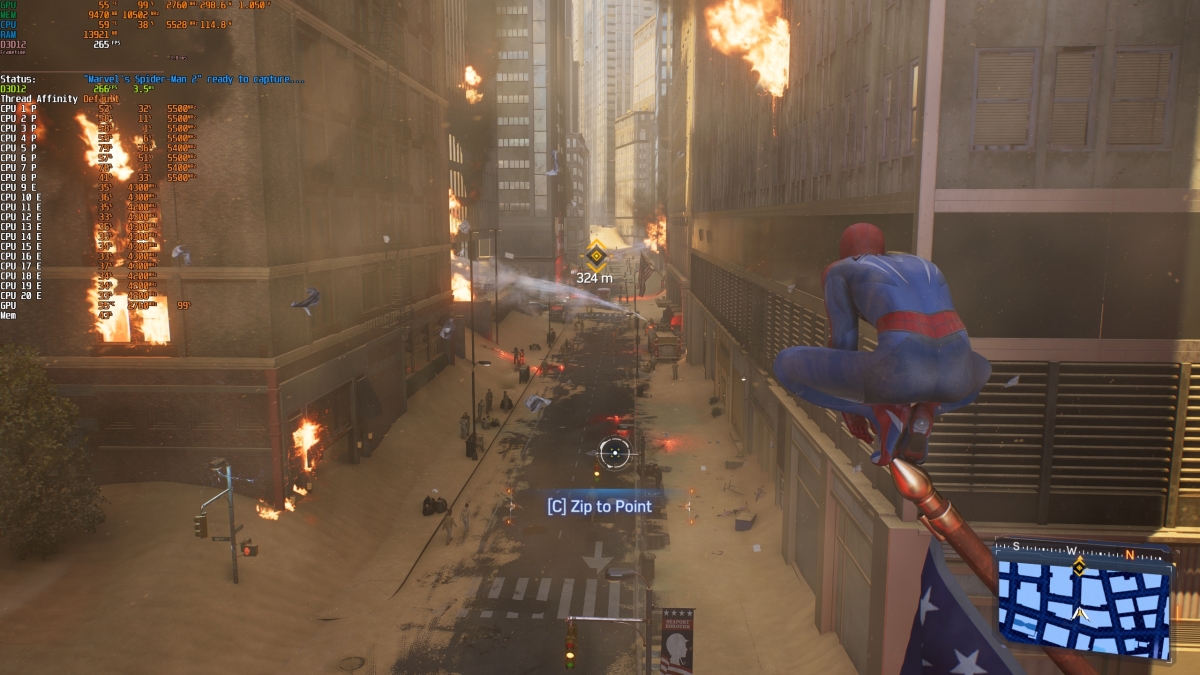
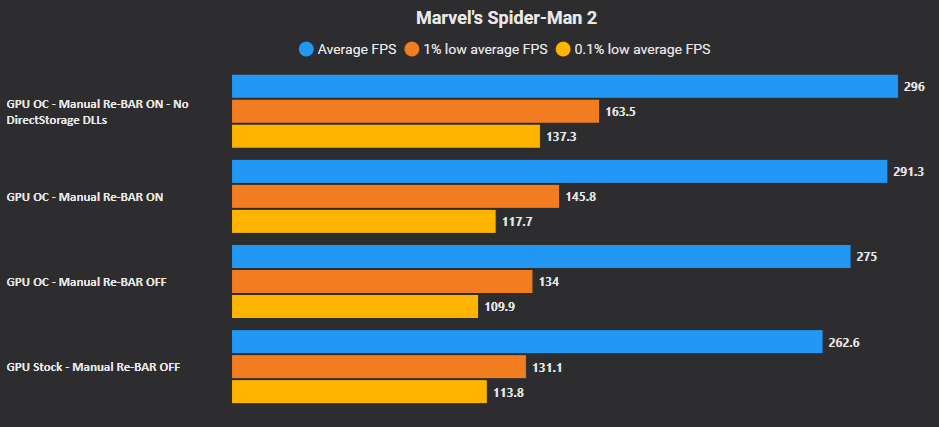
However, "Marvel's Spider-Man 2" is a graphically intensive title, heavily reliant on real-time ray tracing, high-speed traversal, and expansive open-world exploration. The GPU is already tasked with significant rendering demands. When the GPU is additionally burdened with asset decompression, it can lead to a noticeable drop in performance and overall game instability.
Comparison with Other Ports
Nixxes Software has, in fact, built a commendable reputation for its PC ports, having successfully handled titles such as "Marvel's Spider-Man," "Spider-Man: Miles Morales," "Ratchet & Clank: Rift Apart," and most recently, "Ghost of Tsushima."
Crucially, among these acclaimed ports, "Ratchet & Clank: Rift Apart" stands out as the only Nixxes title to utilize GPU decompression. Even then, this feature was only enabled at higher graphics settings, not as a default option. 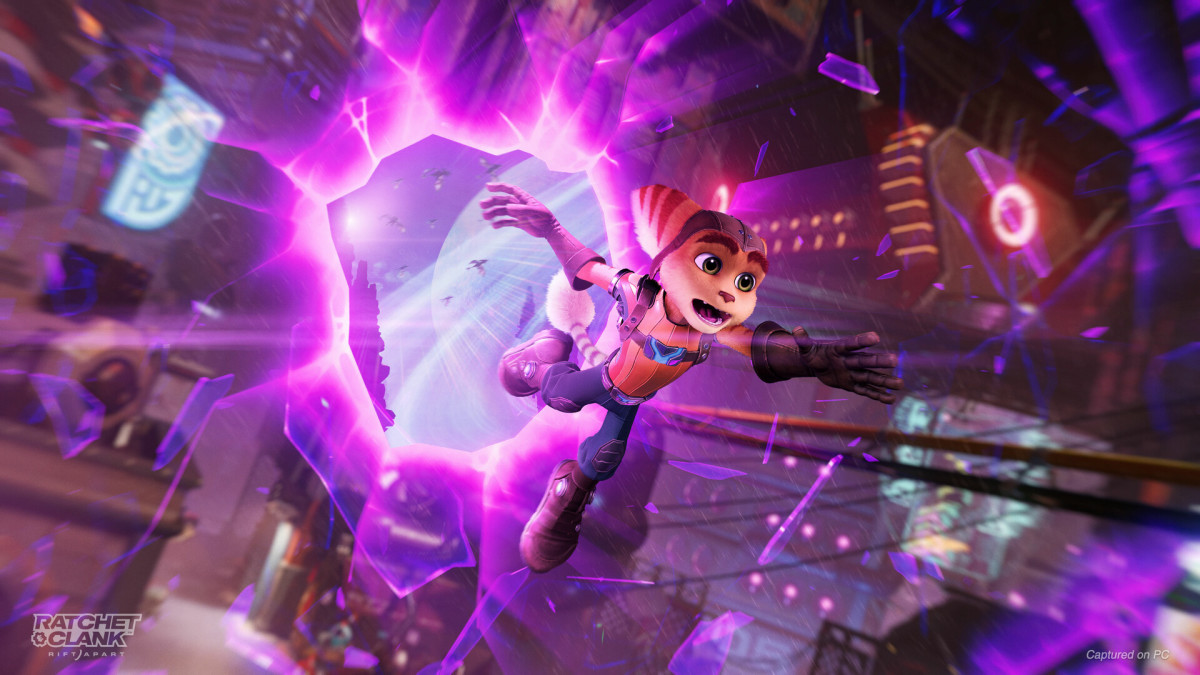
Moreover, "Ratchet & Clank" features a comparatively slower gameplay pace, unlike "Marvel's Spider-Man 2," which demands rapid movement and real-time processing of extensive visual data. This stark difference has prompted numerous technical experts to question Nixxes' decision to forcibly enable GPU decompression in "Marvel's Spider-Man 2."
Undoubtedly, Nixxes' immediate priority is to swiftly release a patch that disables GPU decompression, reverting asset handling to the CPU. While this could alleviate the burden on some graphics cards, it might concurrently impact systems with weaker CPUs, potentially introducing more severe stuttering in specific scenarios.
via: PC Gamer