

Sony's PlayStation Japan Studio (Japanese: SIEジャパンスタジオ, English: SIE Japan Studio) was once one of the most iconic development teams in PlayStation history, responsible for beloved classics like "Ape Escape," "Gravity Rush," and "Knack." 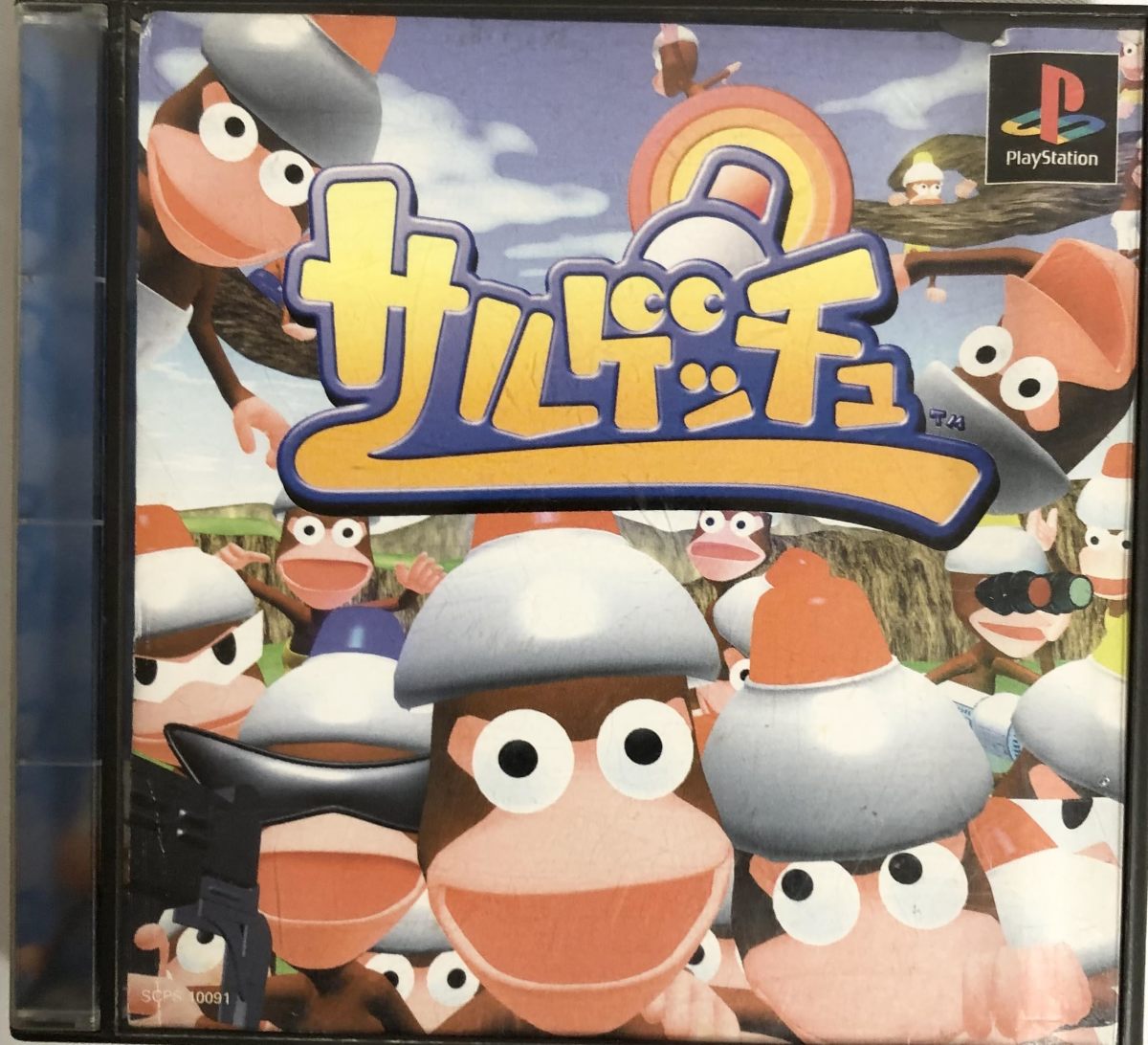
However, the studio's dissolution in 2021 sparked widespread debate about whether Sony was losing its unique Japanese game identity. Recently, former PlayStation executive Shuhei Yoshida shed light on the market shifts that led to this decision during an appearance on the "Sacred Symbols+" Podcast.
The Shrinking 2A Market Limited Japan Studio's Scope
Yoshida candidly admitted that Sony's gradual pivot towards the AAA blockbuster market left less room for Japan Studio's predominantly 2A-tier games. As the market evolved, their niche became increasingly narrow.
"During my tenure, there were two things I didn't succeed at: one was creating a successful live-service game, and the other was making Japanese-developed games a huge success," Yoshida stated. He explained that while Japanese-developed titles (aside from "Gran Turismo") were often high-quality, most didn't hit the AAA sales targets Sony expected, leading to resources being reallocated to larger-scale projects.

Yoshida further elaborated that as the gaming industry gravitated towards high-cost, massive-scale AAA productions, and indie games filled the demand for smaller titles, the "middle ground" 2A-tier market virtually disappeared.
"Most of Japan Studio's IPs fell into this 2A category, and that market became increasingly challenging. For instance, after 'Gravity Rush 2' launched, director Keiichiro Toyama tried to pitch new game concepts, but we couldn't secure development opportunities, even though his ideas were quite interesting," Yoshida recalled.
Market Demands Drove Sony's Internal Decisions
In the podcast interview, Yoshida mentioned that Keiichiro Toyama's game proposals didn't receive sufficient internal support at Sony because the company's focus at the time was squarely on AAA blockbusters, making it incredibly difficult to push through mid-sized projects.
"From my perspective, his new work was the kind of project the company wouldn't support because Sony needed AAA games, and it was really hard for us to push that game's development. So, when Japan Studio closed, Toyama chose to go independent and ultimately developed 'Slitterhead'," 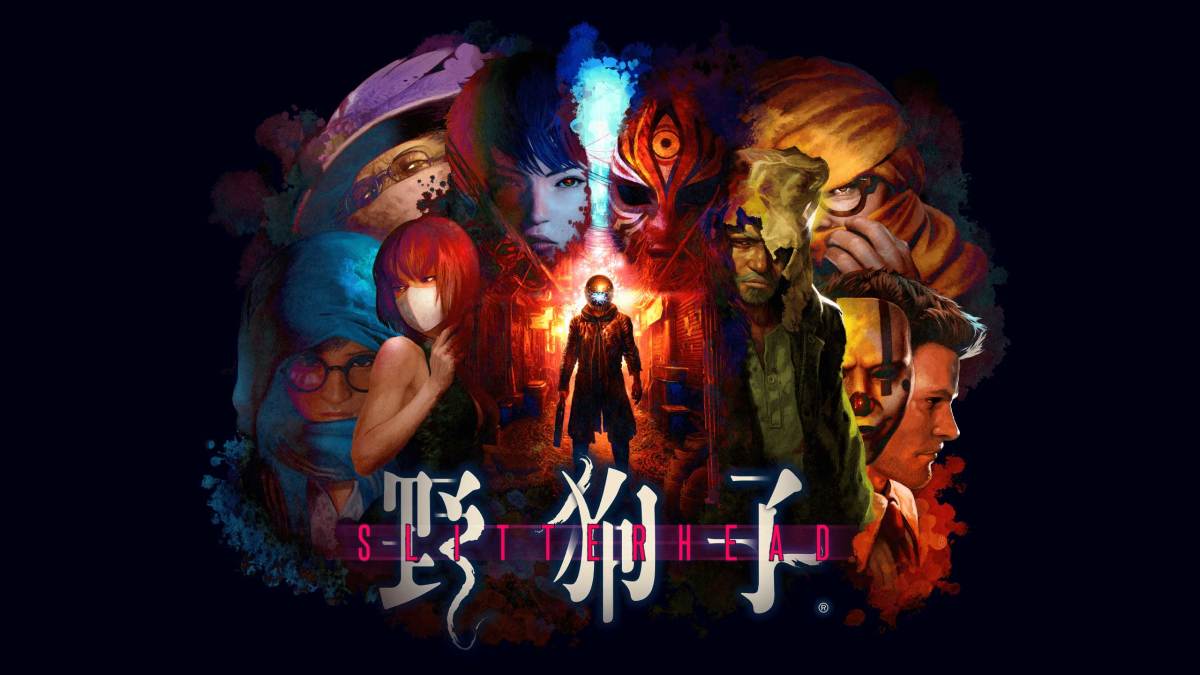
Yoshida also cited the upcoming "Patapon" spiritual successor, "Ratatan," as an example of games that carry on the spirit of Japan Studio. He lamented that Sony has now decided not to produce these types of titles anymore.
via: Sacred Symbols+