

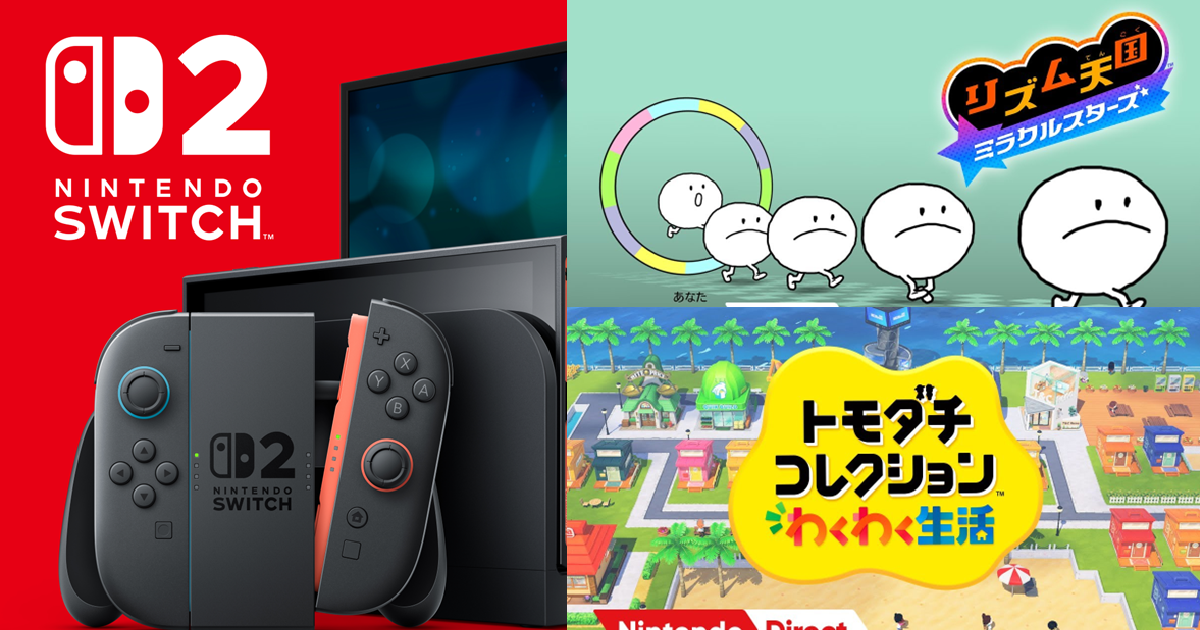
With the Nintendo Switch 2 officially revealed, gamers worldwide are hyped to get their hands on the new console, turning pre-order lotteries into an absolute frenzy.
But what's really interesting is that Nintendo isn't just launching new hardware; it's also making a major push to reboot its classic IPs from the DS and Wii U eras. According to Japanese marketing consultant and columnist Tsutomu Kanamori, writing for ITmedia, this move is part of a calculated "Legacy IP Revival Strategy." This isn't just about cashing in on nostalgia—it's a meticulously crafted plan.
Kanamori points out that Nintendo's ultimate trump card is its massive portfolio of globally recognized, multi-generational IPs. Franchises like Mario, The Legend of Zelda, Animal Crossing, and Pokémon are international powerhouses. These characters have transcended gaming to become formidable brands in their own right.
From a marketing perspective, the "brand equity" of these Nintendo IPs is off the charts. For years, the company has carefully maintained the integrity of their worlds and characters while continuously evolving the gameplay experience with new technology. These IPs are essentially "brands built to grow." They aren't one-and-done releases; they're expanded through sequels, spin-offs, remakes, merchandise, theme park attractions, and films, constantly deepening fan engagement and boosting brand value. This long-term vision is Nintendo's most unshakeable competitive advantage.
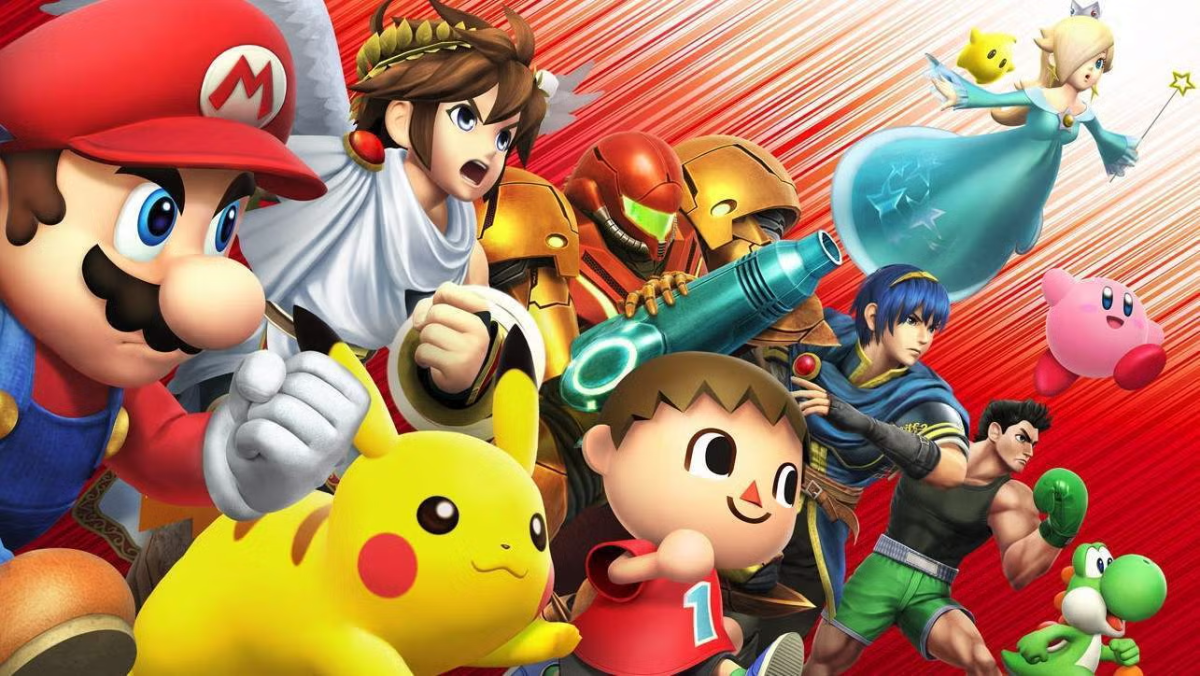
As the Switch 2 prepares to take the baton, Nintendo is naturally leveraging these powerful IPs. Kanamori argues that the key to this is the "strategic re-release of classic IPs."
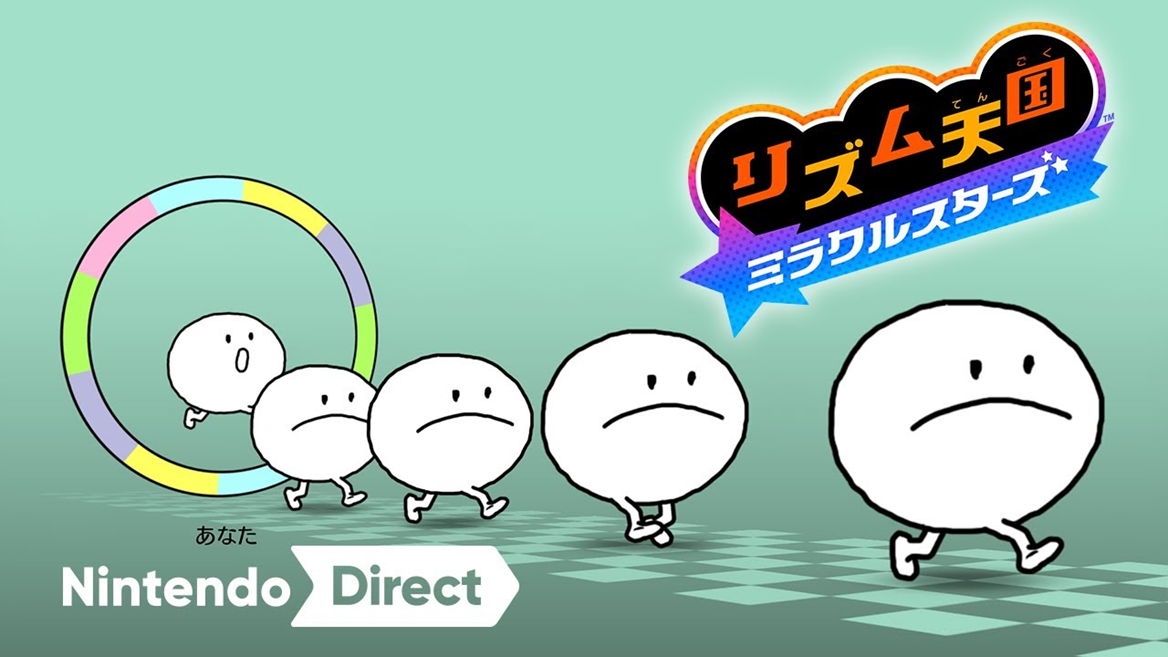
Games like Rhythm Heaven and Tomodachi Collection were hits on the DS and Wii U. The players who grew up with them are now in their 30s and 40s, and for them, these titles are a nostalgia bomb straight back to their school days. Nintendo is likely playing this "nostalgia card" to re-ignite that old passion. The chance to play these classics on modern hardware with a fresh coat of paint could be the single biggest motivator for them to buy a Switch 2.
▼ Rhythm Heaven Megamix
But Nintendo's genius lies in moving beyond simple nostalgia or what some might call lazy remakes. They have a "generational hand-off" strategy in place.
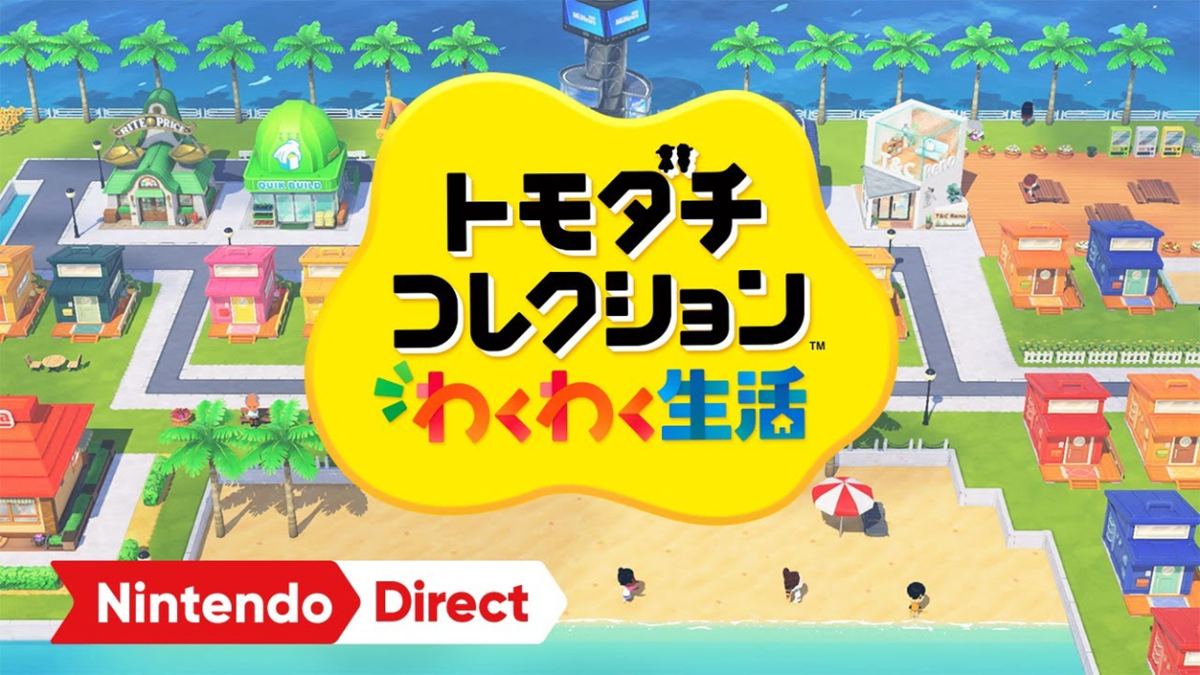
Gamers who are now parents will want to share the games they loved with their own children. This "cross-generational shared gaming experience" has always been Nintendo's specialty. It aligns perfectly with the marketing concept of the "family life cycle." Nintendo is seizing this moment to transform old IPs into shared parent-child experiences, converting the next generation into new fans.
▼ Tomodachi Life
Kanamori also notes that to understand Nintendo's ambition, you have to look beyond the console and games themselves and see how they're expanding their battlefield.
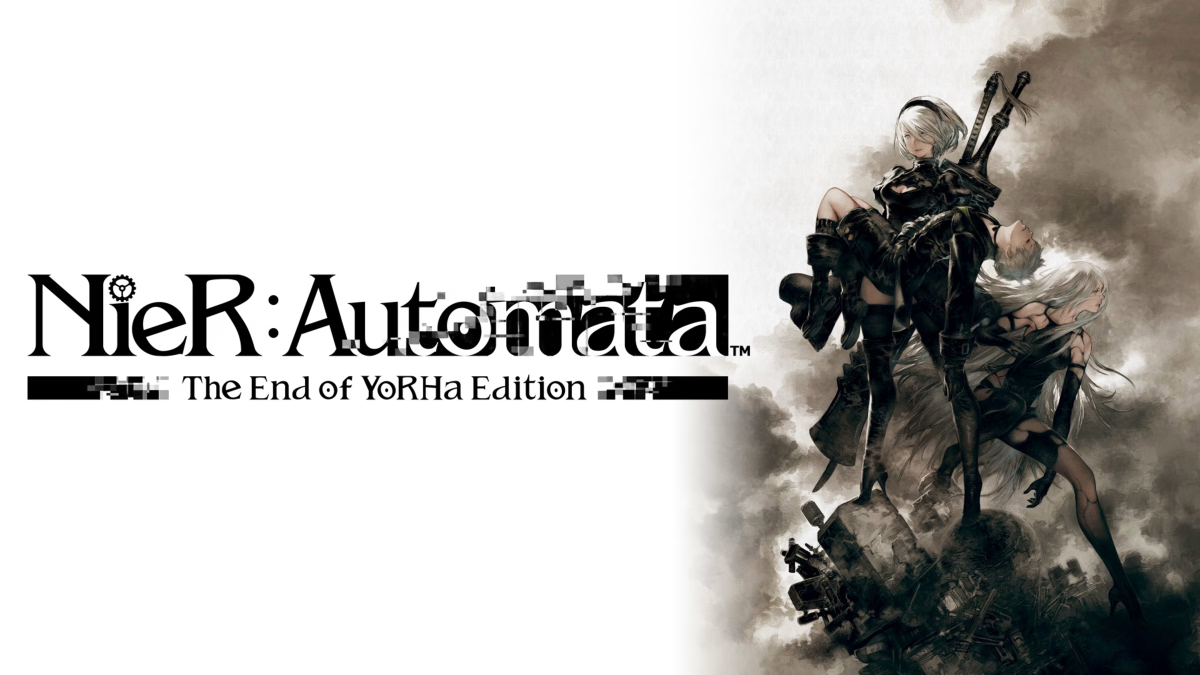
Recently, Nintendo has made a significant move by bringing titles once popular primarily on PlayStation over to the Switch. Games like the graphically intensive, hardcore-focused NieR:Automata are now playable on Nintendo's platform, among many other examples. The message is clear: Nintendo is no longer just targeting families and casual players. It's aiming for a much broader audience, including the core gaming community.
▼ NieR:Automata
In the past, Nintendo competed with its rivals through market differentiation and powerful IPs. But now, they're not just up against other game companies. They're facing a new class of competitors all vying for people's time, from mobile games and video streaming services to platforms like Steam and cloud gaming.
That's why their goal isn't just to build another game console. It's to transform the Switch 2 into a broader entertainment platform—a fully integrated "gaming + social" ecosystem. The idea isn't just for you to "buy a console," but to "enter the world of Nintendo."
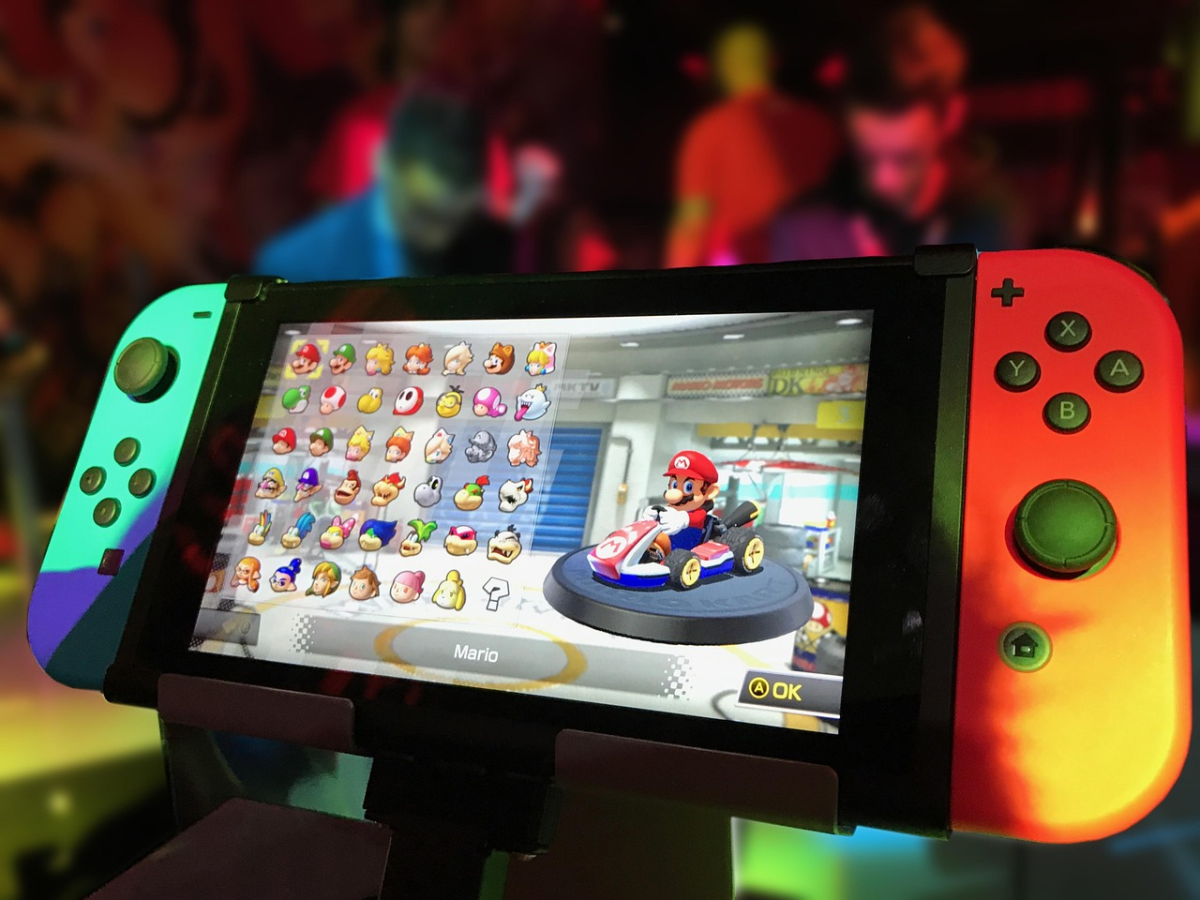
Kanamori emphasizes that Nintendo's "Legacy IP Revival" strategy is far more than a simple cash grab; it's a sophisticated marketing operation. It combines asset revitalization, nostalgia marketing, a transition between old and new fanbases, and innovative experiences.
Of course, whether these strategies will pay off remains to be seen. For now, the hype to secure a console is undeniable. Given Nintendo's history of pulling off surprise wins, the Switch 2 likely has many more tricks up its sleeve. We'll have to wait and see how the market reacts once the console and its games officially launch.
via: ITmedia News