

Marvel Studios' latest blockbuster, "Thunderbolts*", set to premiere on May 2, 2025, has already generated significant buzz, promising to deliver strong box office performance and critical acclaim. The film is poised to allow several previously underutilized characters to shine while introducing a pivotal figure, the Sentry, whose trajectory could impact multiple future MCU installments. He serves not only as one of the film's protagonists but also as an antagonist, embodying a deep internal struggle. 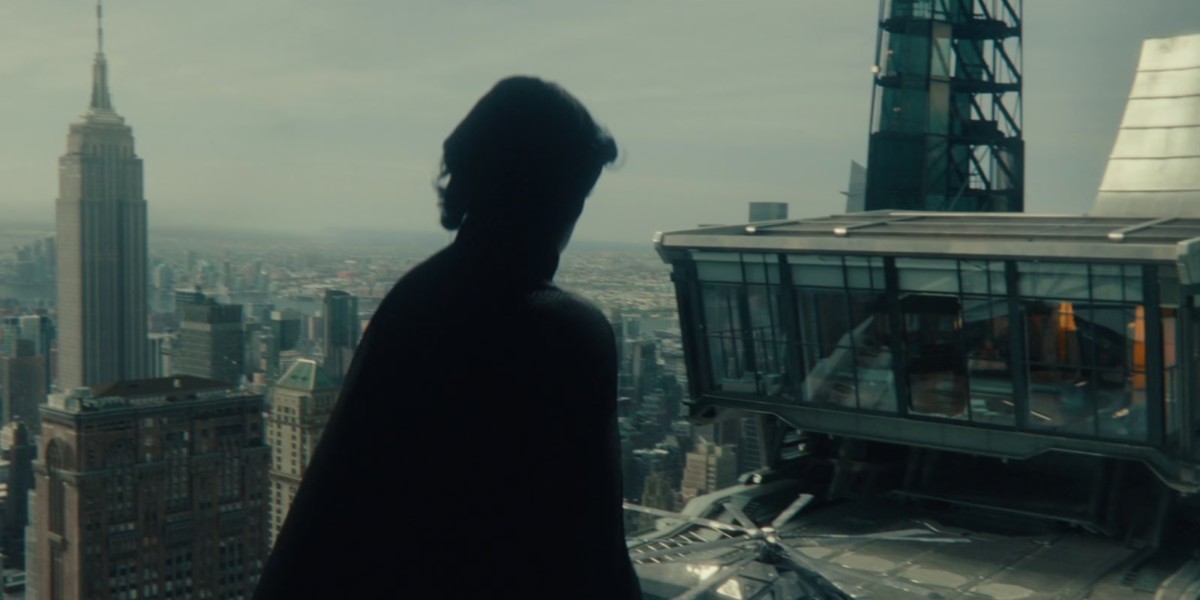
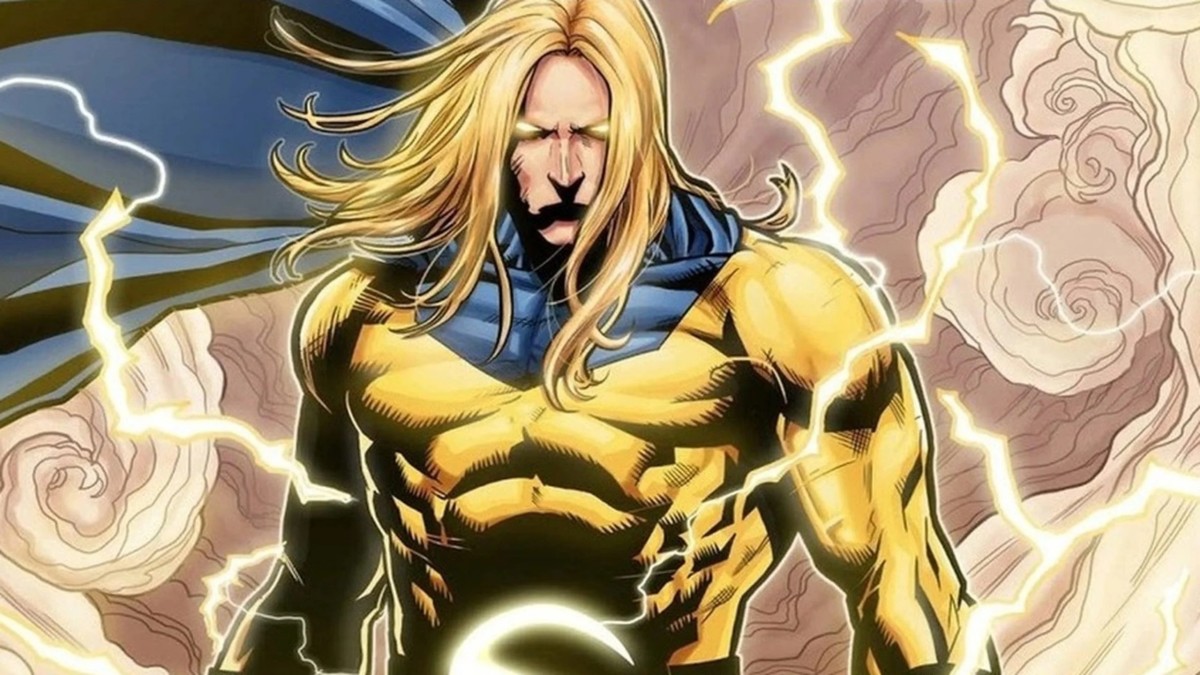
The Sentry was originally co-created in 2000 by writer Paul Jenkins and artist Jae Lee. Despite possessing overwhelming power, the Sentry's most compelling aspect isn't his superhuman abilities, but rather his constant internal conflict and contradictory nature. This focus on his internal struggles in "Thunderbolts*" injects a fresh perspective into the MCU, exploring profound themes like mental health and self-identity.
Recently, Paul Jenkins spoke with ScreenRant, sharing his insights on the character's transition from comics to the big screen. He stated that "Thunderbolts*" accurately captures the Sentry's core: "His power is his problem."
What Else Does Sentry Represent Beyond the "Duality of Human Nature"?
Jenkins explained that this character design inherits the ancient narrative tradition of the "duality of human nature" motif, akin to the dual personality seen in "Strange Case of Dr Jekyll and Mr Hyde." He noted, "I wrote "The Hulk," and I always felt his power was his curse. The Sentry is similar; it's not just another interpretation of a 'Superman-type character,' but a story where power brings dilemmas, something audiences can resonate with."
Beyond that, the Sentry character also contains a metaphor for the development of the comic book industry itself. Jenkins pointed out that the character's creation was inspired by the evolution of comic book history: "From the spontaneous creations of the '40s and '50s, to the experimental ideas of the '60s and '70s, then to the '80s with Alan Moore and the '90s with Frank Miller pushing comics towards realism and darkness, finally entering the 2000s with reflection and recovery—the Sentry's story mirrors this entire historical arc."
Further Reading:
Marvel's "Thunderbolts*" New Star Debuts! Sentry Creator Discusses Character Origins and Adaptation Process: "Originally a DC Hero Proposal"
Don't Just See Sentry as an "Overpowered" Character
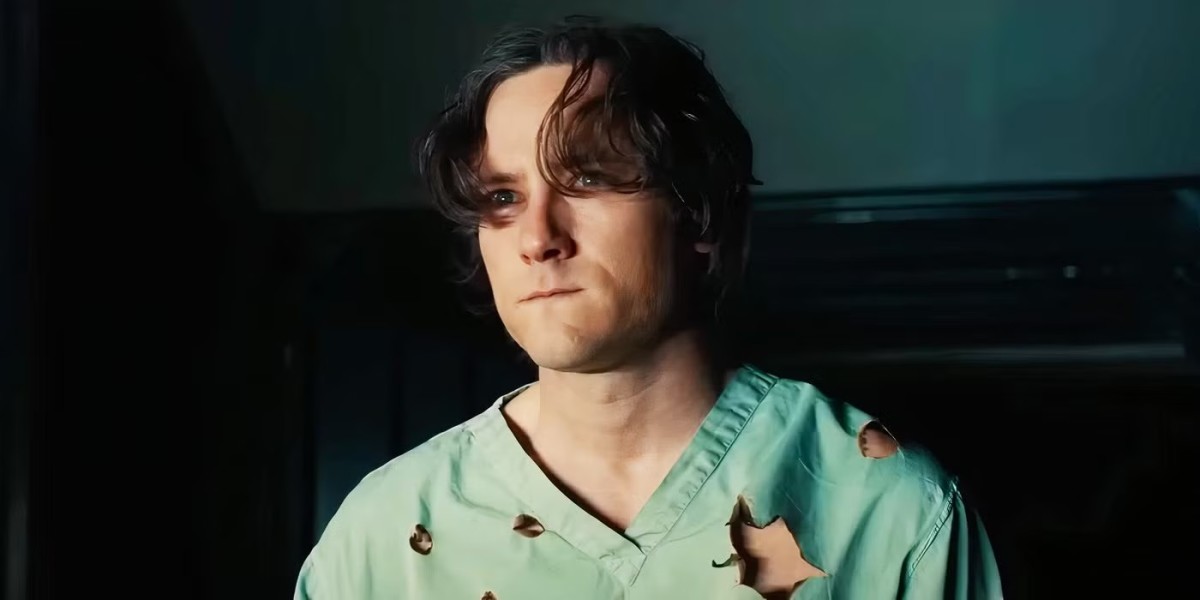
As fans know, Lewis Pullman, who starred in "Top Gun: Maverick," portrays the Sentry in the MCU film "Thunderbolts*". In the interview, Jenkins revealed that the two met after the film's release to discuss their perspectives on the character and its future development. "He told me, 'I love playing this guy; this character deeply moved me.' He wanted to understand the Sentry's essence further, which touched Jenkins deeply."
When discussing the character's internal struggles, Jenkins further explained that the Void is not simply "evil," but rather a manifestation of Bob's inability to forgive himself.
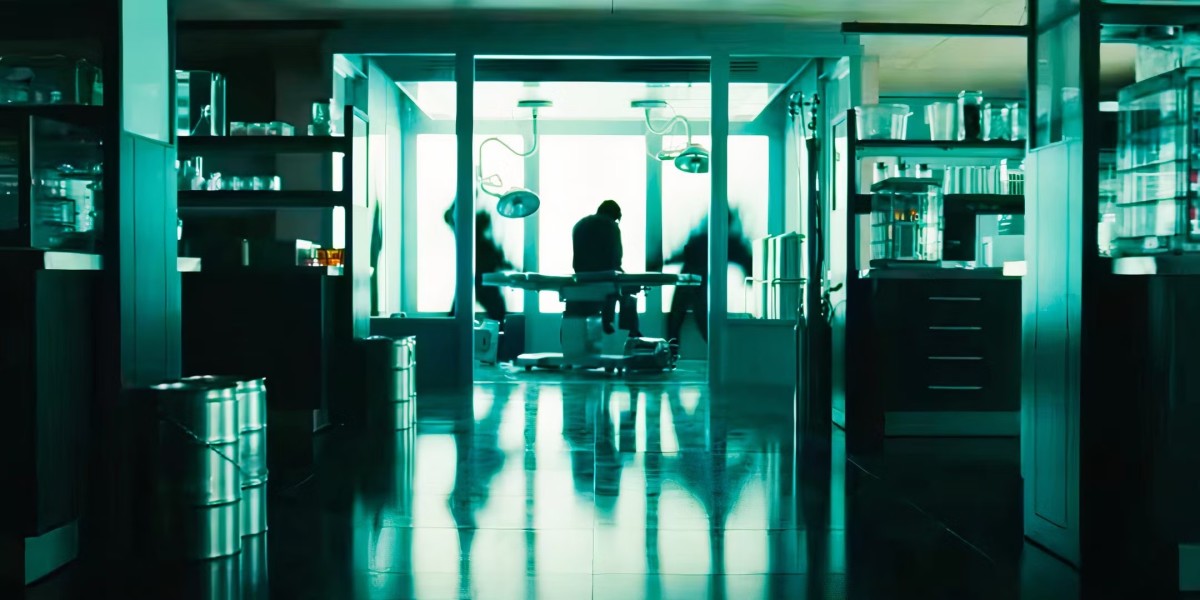
"He cannot let go of his childhood trauma, his guilt towards his family, and his survivor's guilt, and this self-loathing transforms into the Void," Jenkins emphasized. He stressed that this is not a simple good-versus-evil dichotomy, but a reflection of deep psychological issues.
Regarding the Sentry's future in the MCU, while Jenkins did not reveal specific plot details, he stressed that the character should not be viewed merely as an "overpowered" figure. "If you just have him fight Doctor Doom to see who hits harder, you're missing the point. What's truly worth exploring is how he confronts his internal challenges and builds a sense of self-worth—that's the true core of the Sentry's story."
Jenkins also revealed that the Sentry's story was originally conceived as a trilogy, exploring three levels: "discovering oneself as a hero," "how to bear the burden as a human," and "how to transcend humanity." He emphasized, "The Sentry's story is: you are not your mental illness, and even if you are fighting it, that doesn't mean it defines your entire being."
via: ScreenRant