

"Demon Slayer: Kimetsu no Yaiba – The Infinity Castle Arc, Chapter 1: Akaza's Return" has been a box office juggernaut since its Japanese debut, raking in massive numbers across Asia. Now, it's taken the US by storm, sparking a true "Demon Slayer" cinematic pilgrimage.
In just ten days, by September 21, the film officially blasted past the $100 million mark, solidifying its spot as the highest-grossing foreign language film of 2025 in the US. This phenomenal success caught the attention of "NY Future Lab," an interfm radio show hosted by Shelly Megumi, a Japanese Gen Z expert and journalist based in the US, who delved into American Gen Z's perspectives on anime.
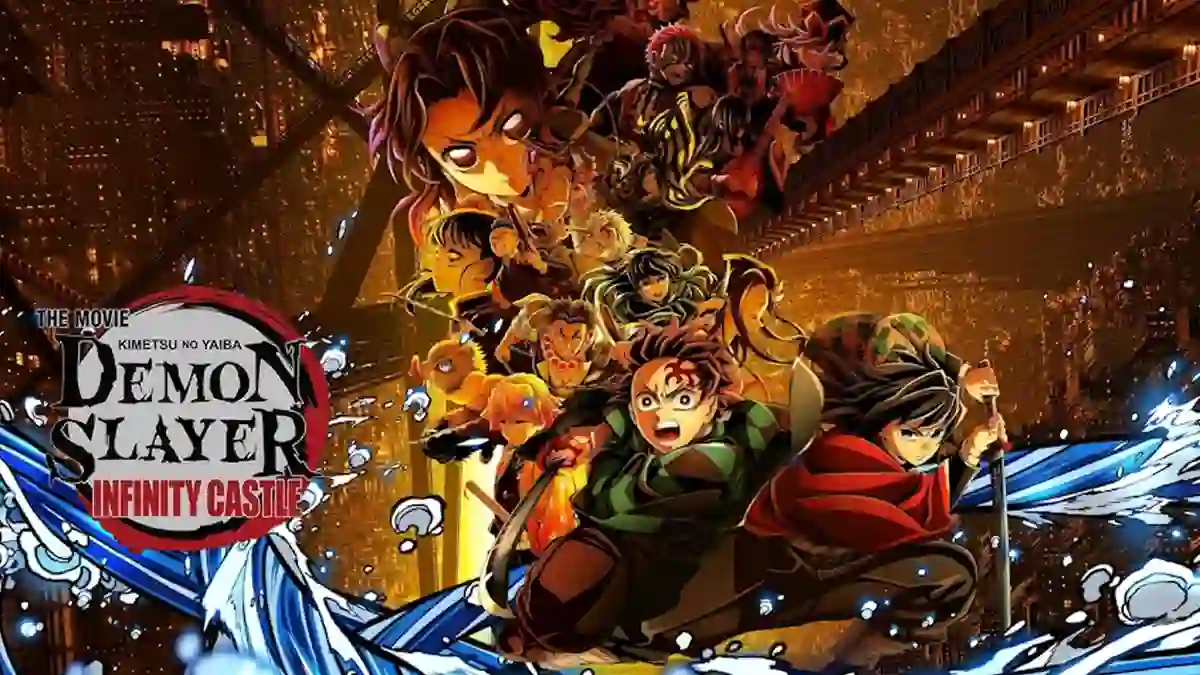
When "Demon Slayer: The Infinity Castle Arc" premiered in the US, it didn't just perform well—it shattered records! It blew past the $31 million opening weekend record set by "Pokémon: The First Movie – Mewtwo Strikes Back" back in 1999, securing its place as a historic box office champion for Japanese anime in America. So, what's behind this massive surge in popularity among young Americans?
The show interviewed young Gen Z students in New York, who weighed in on the phenomenon. One student explained, "One of the big reasons 'Demon Slayer' blew up is its strong Japanese elements, like the samurai swords. Plus, for a lot of Americans, it was their first Japanese anime ever. Word-of-mouth just spread like wildfire, and it totally exploded."
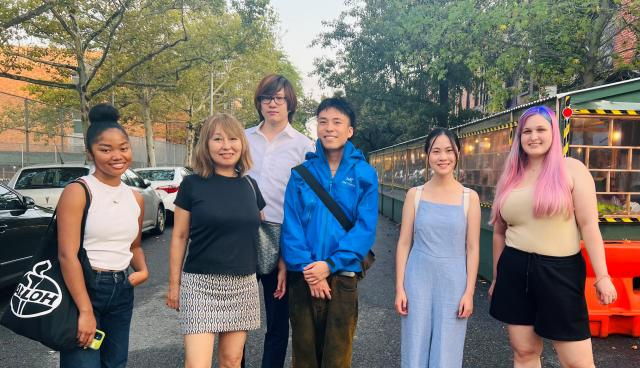
They also pointed out, "'Demon Slayer' actually has a vibe similar to vampire stories—get bitten, and you become one of them. The protagonist's family is slaughtered, his sister gets infected, and he has to find a way to save her. That tragic element really resonates, kind of like 'Twilight.'" They added that vampire themes have always been a hit with Gen Z, and so have samurai. Americans generally recognize and appreciate Japanese samurai culture, making it an easy sell.

For many Americans, "Demon Slayer" was their gateway into Japanese anime. Now, nearly half of all US Gen Z watches anime weekly, a trend significantly boosted by the pandemic. With everyone stuck at home, more people had the time to dive into animation.
One interviewed Gen Z American noted, "Back in the 2000s, anime was super niche. People wouldn't even openly admit they were fans—they were rare, and sometimes even bullied or discriminated against. But now? Totally different." They continued, "Middle schoolers today won't get bullied for watching anime; they might even get left out if they 'don't watch anime.' Plus, there's a growing interest in Japan itself. Lots of people around me are talking about visiting Japan, and they're not necessarily even anime fans."
What's more, the sheer variety of Japanese anime available in the US now is insane—rom-coms, high school dramas, slice-of-life—there's something for everyone. And with streaming platforms like Netflix and Crunchyroll offering both new and classic titles, countless people got hooked during the pandemic, propelling Japanese anime from niche to mainstream.
And here's a key difference: while American hero narratives often lean into the "I'm the strongest, I'll save the world" trope, Japanese anime frequently emphasizes "I'll protect my family and friends." This more relatable, heartfelt emotion truly strikes a chord with Gen Z.

Clearly, Japanese anime's popularity in the US isn't just a fleeting moment—it's a full-blown trend. We're seeing phenomena that were unimaginable before, alongside a growing appreciation for Japanese culture as a whole. This is a testament to the captivating power of Japan's soft power. Beyond "Demon Slayer," countless more titles are bound to seek out the American market, pushing anime further onto the global stage.
via: TOKYO FM +