

 (Image Source: Pinterest)
Newly established AI talent studio Xicoia recently announced its plans to sign its AI-generated virtual performer, Tilly Norwood (pictured below), with a Hollywood talent agency. The news immediately drew criticism and mockery from numerous actors, with Whoopi Goldberg, Emily Blunt, and the official Screen Actors Guild – American Federation of Television and Radio Artists (SAG-AFTRA) being the latest to join the debate.
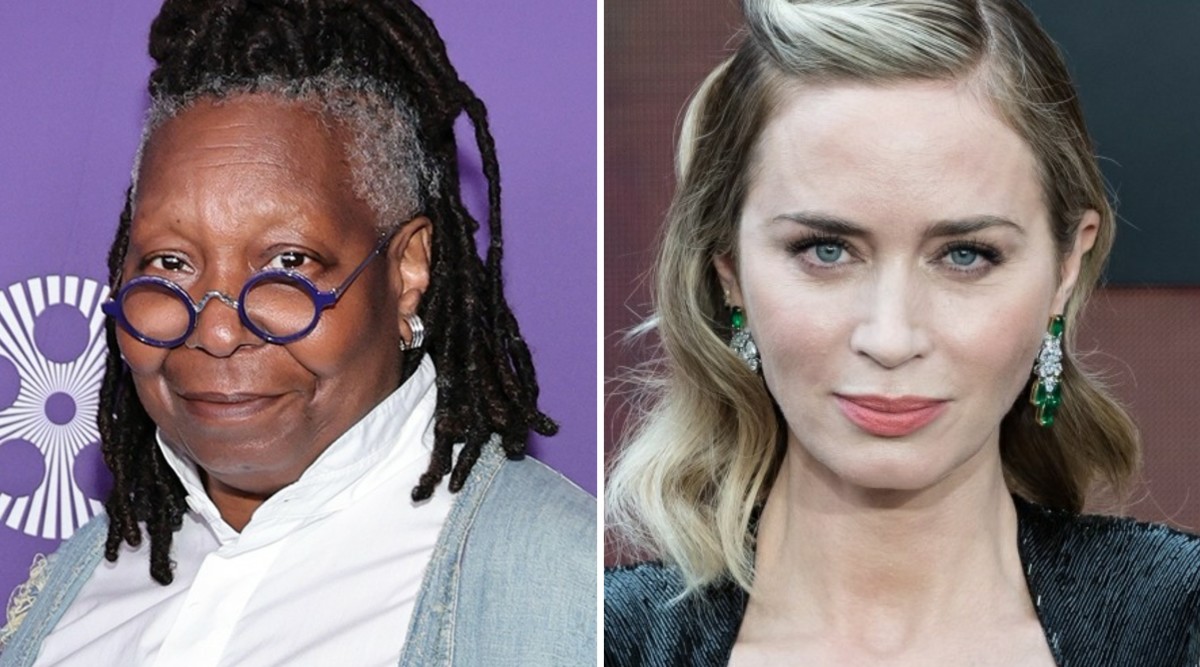
Goldberg recently stated on her talk show "The View" that despite many "human" actors urging against working with agencies that sign AI performers, Xicoia continues to insist that AI is not meant to replace humans but merely serves as a creative tool. However, she noted that AI performers are clearly the result of algorithms based on the performance data of numerous actors. Goldberg also reassured her colleagues not to worry too much yet, as current AI technology is imperfect, with significant discrepancies in its movements and expressions compared to humans.
Blunt was recently asked about the topic during an interview on Variety magazine's podcast "Variety Awards Circuit." She reportedly expressed her dismay, stating, "Does it make me frustrated? I don't even know how to answer that. I just think it's terrifying. Are you serious? That's really AI? Oh my God, we're doomed. This is truly terrifying. Please, all agencies, don't sign her. I beg you not to do it. Please don't deprive us of our human connection anymore."
The host informed Blunt that Xicoia had also stated its hope for Norwood to become the next Scarlett Johansson. Blunt reportedly retorted, "But we already have a Scarlett Johansson!"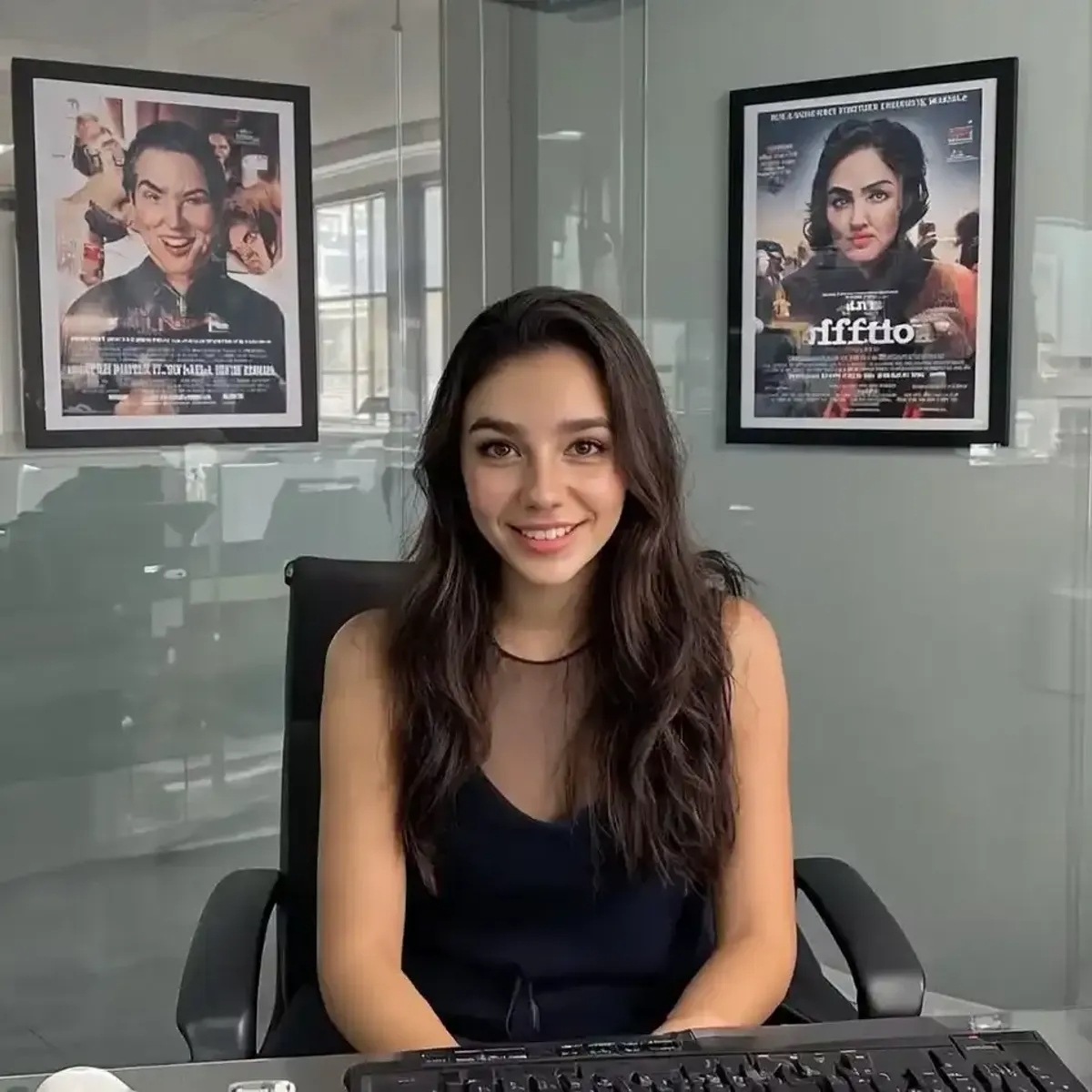
(Image Source: Xicoia)
SAG-AFTRA also released a statement earlier, saying: "To be clear, 'Tilly Norwood' is not an actor but a computer-generated character, created through algorithms based on the performances of countless professional actors, without permission or compensation. It has no life experience to draw from, no emotions, and from what we have seen, audiences are not interested in watching computer-generated content devoid of human experience. It does not actually solve any 'problems'; it only creates one: using stolen performances to put actors out of work, endangering performers' livelihoods, and devaluing human art. Producers under contract with us should be aware that they cannot use digitally synthesized performers if they do not comply with our contractual obligations, which require notification and negotiation whenever synthesized performers are used."