

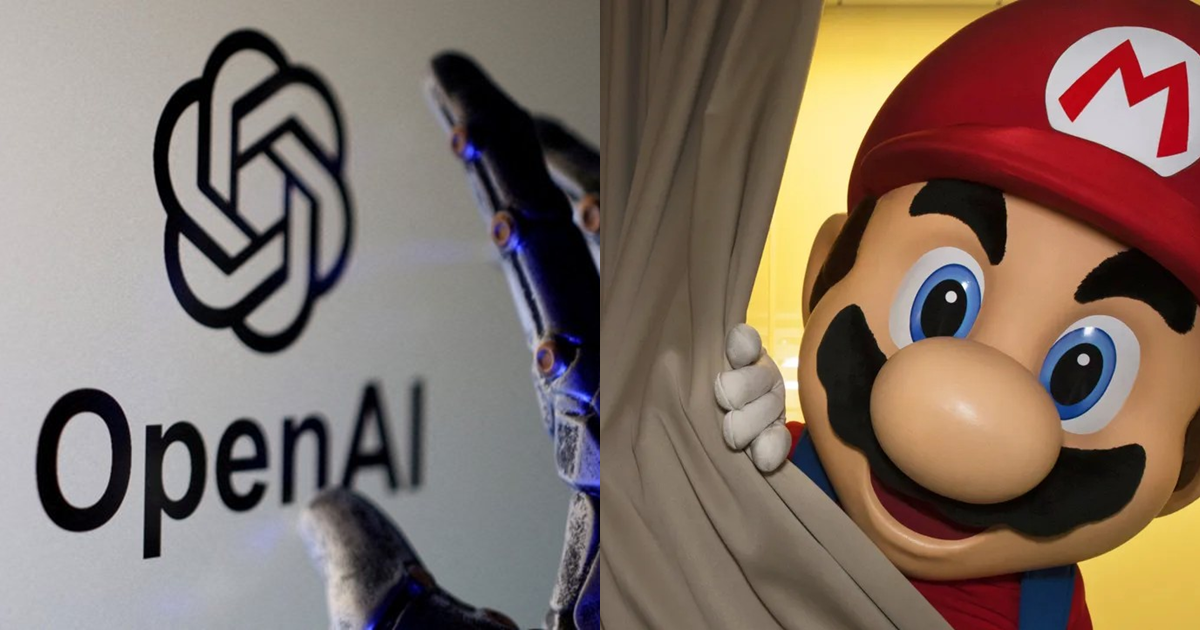
OpenAI's Sora 2 video generation platform has ignited a fierce copyright debate across the tech and entertainment industries. Since its launch, the platform has seen a deluge of AI-generated videos featuring beloved, copyrighted characters like Mario and Pikachu, drawing significant attention from Nintendo and other rights holders.
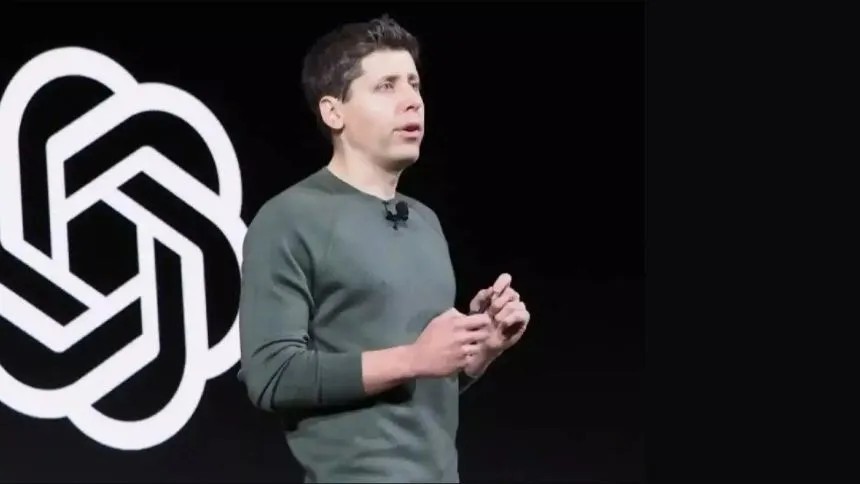
Responding to the uproar, OpenAI CEO Sam Altman issued a statement over the weekend, confirming the company is "listening to feedback from rights holders and users." He announced plans for more granular copyright control mechanisms, allowing companies to dictate whether their characters can appear in generated videos. Altman described this wave of creations as "a new form of interactive fan fiction," noting that many rights holders are intrigued but also want clear boundaries for character usage.
Altman revealed OpenAI's plans to establish a revenue-sharing system, compensating copyright holders whose licensed characters are legitimately used.
"The exact business model still needs experimentation, but we hope this new type of interaction can bring even more value than simple revenue sharing," Altman stated. He acknowledged that some instances might still "cross the line" but emphasized ongoing refinement and stricter moderation.
Notably, Altman specifically highlighted Japan, praising its "incredible creative energy and content depth," underscoring the Japanese market's significance in Sora 2's strategy. However, it was also Japan that ignited the political spark of this controversy.
Japanese House of Representatives member Satoshi Asano previously accused Nintendo on social media of "lobbying the government to suppress generative AI to protect its own IP," though he later deleted the post and apologized. Nintendo swiftly issued a rare official statement, denying any contact with the government and reiterating: "Regardless of whether generative AI is involved, we will take necessary measures against infringing acts."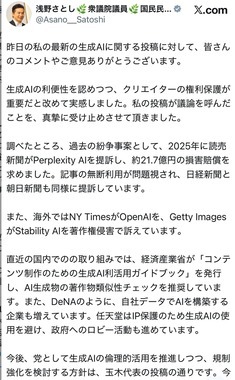
Meanwhile, the legal community remains divided on the issue. Stanford University Professor Mark Lemley pointed out that some videos generated by Sora 2 "could constitute clear infringement," exposing OpenAI to potential litigation risks. Lawyer and podcast host Richard Hoeg analyzed that current laws haven't clearly defined the boundaries for AI training and output, suggesting the real key lies in how the output side prevents infringing generations.
It's worth noting that not long ago, Disney and Universal Pictures also sued Midjourney for alleged use of protected characters in generation and issued a cease-and-desist letter to Character.AI. Now, with Nintendo's official response and OpenAI's stance, the copyright battle for generative AI has clearly just begun.
via: IGN