

"Slave Life -Teaching Feeling-," an adult doujin game developed by Japanese circle FreakilyCharming, is a well-known title in the doujin game scene. It's been consistently updated for over 10 years since its release and remains a top seller on DLsite.
According to overseas mediaVOCE SABIA ANIME, a Norwegian man was arrested by police for playing the game. The reason? The game allegedly contains "animated content involving the abuse of minors." The man could face up to three years in prison, and this news has ignited a firestorm of discussion across Japanese social media.
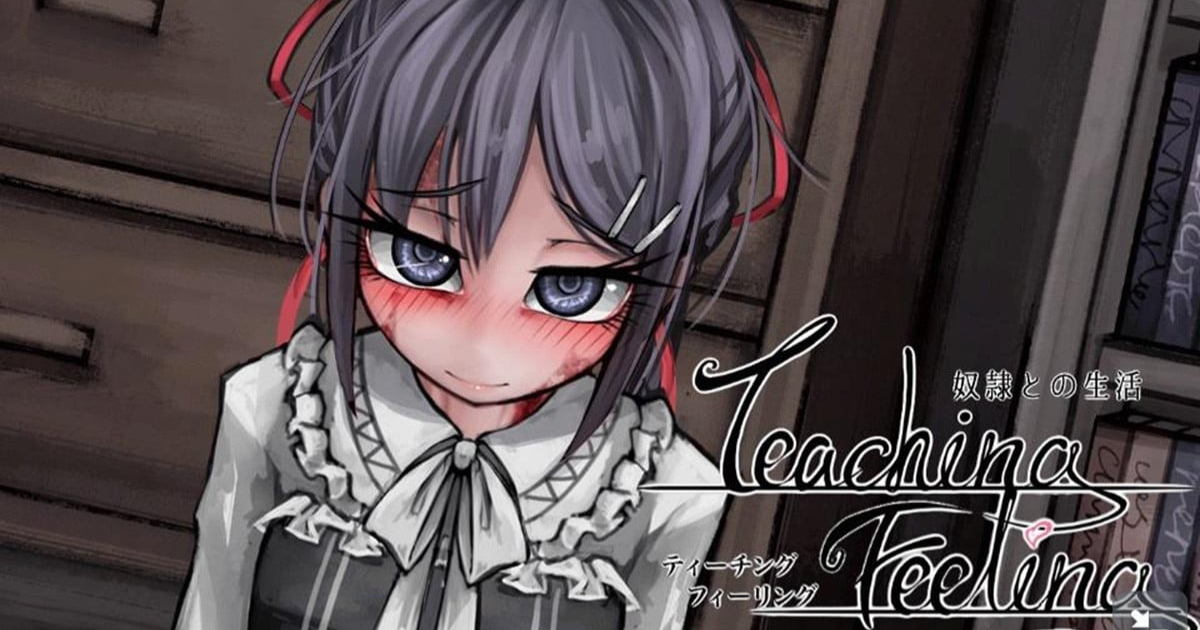
Prosecutors state that in addition to possessing "Slave Life -Teaching Feeling-," the man is also accused of owning "other similar illegal games" and has been indicted. He faces a maximum sentence of three years. The case is currently ongoing, and a final verdict has not yet been reached.
Interestingly, this case originated with the U.S.-based "NCMEC (National Center for Missing and Exploited Children)." While nominally a private non-profit, the organization is considered a "quasi-governmental agency" in the U.S., and they flagged the game due to "suspected online crime."
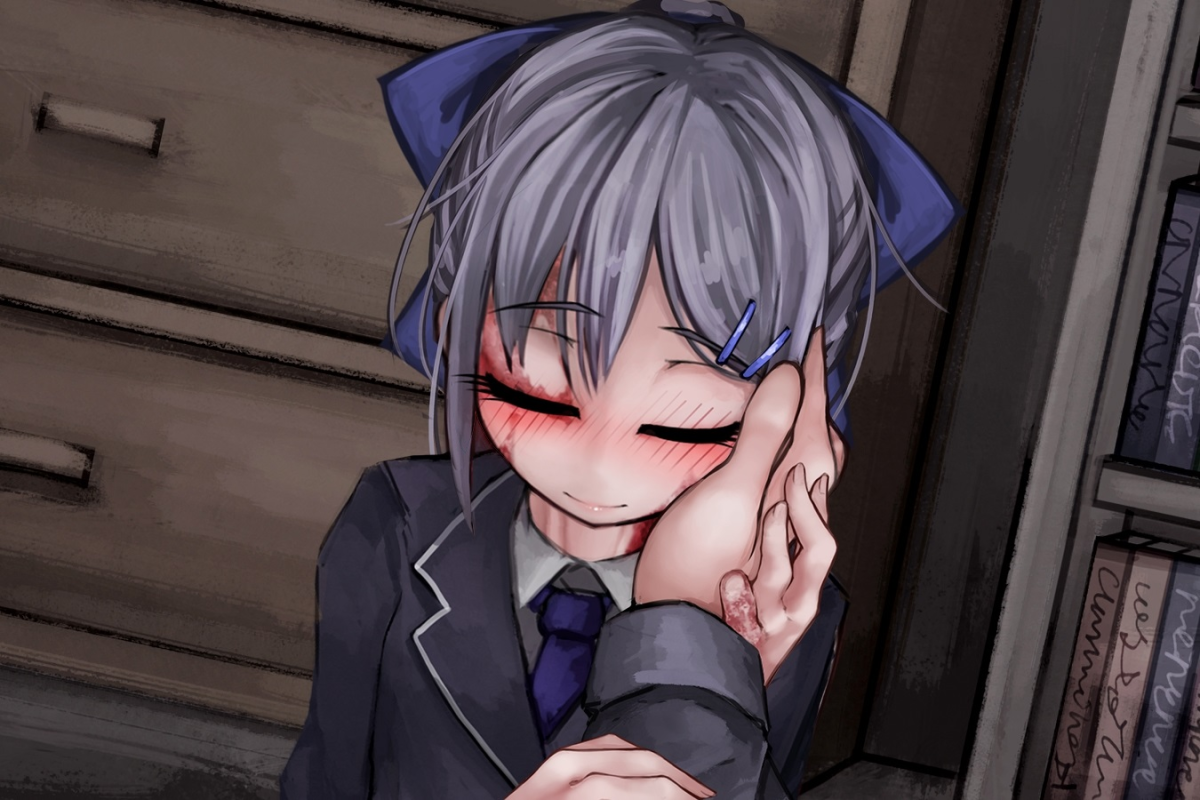
The news quickly spread on Japanese X (formerly Twitter), with users commenting, "Animation-related laws are relatively lenient in Asia. This game is perfectly legal in some countries, but it's a crime in Norway. It might be hard for some to grasp why such content is considered illegal there."
In fact, Europe has seen similar incidents before, like a man arrested for possessing images from the Korean game "Brown Dust 2." It's ironic that Western societies, which often champion "freedom" as a core value, are now seeing situations where merely possessing creative works can be deemed illegal. Meanwhile, despite increasingly strict regulations, crime rates in the West continue to rise.
This reality forces us to question whether "strict regulation of expressive content" is truly the right solution for societal protection. Japanese people must remain vigilant and avoid heading down such a path of excessive control. To safeguard freedom of creation and expression, the only way forward is to keep speaking out and refuse to be silenced.
This news also left many Japanese netizens lamenting the disparity: a doujin creation hailed as a "masterpiece" within its community is treated so differently depending on the country. It's reminiscent of a previous report where foreign visitors browsing yuri adult manga at Comiket revealed, "My country bans these kinds of books," leaving even the booth owner feeling helpless.
Of course, many countries face similar issues, differing only in severity. Perhaps it's precisely because Japan has fewer restrictions on creative themes that its ACG (Anime, Comics, Games) and doujin scenes have been able to flourish into the global powerhouses they are today.
via: VOCE SABIA ANIME