

Gaming outlet TheGamer recently dropped a review for Capcom's upcoming title, Pragmata, taking aim at the online sexualization of its character, Diana. The article argues that while player attraction to characters is common, normalizing sexual attraction as the primary—or sole—value of a game creates a narrow and exclusive discussion environment.

Stacey Henley, the TheGamer editor behind the piece, highlighted that Pragmata's child-like android character, Diana, has been excessively sexualized in some communities. This has even led to related Reddit forums being banned for featuring child sexual content. Henley and TheGamer argue that this not only shows some players crossing a line but also reflects a worrying trend of such content moving from the fringes into the mainstream.
The article further criticized current online culture for its tendency to sexualize every character, even going so far as to label games that don't cater to this trend with specific agendas, thus polarizing game discussions.
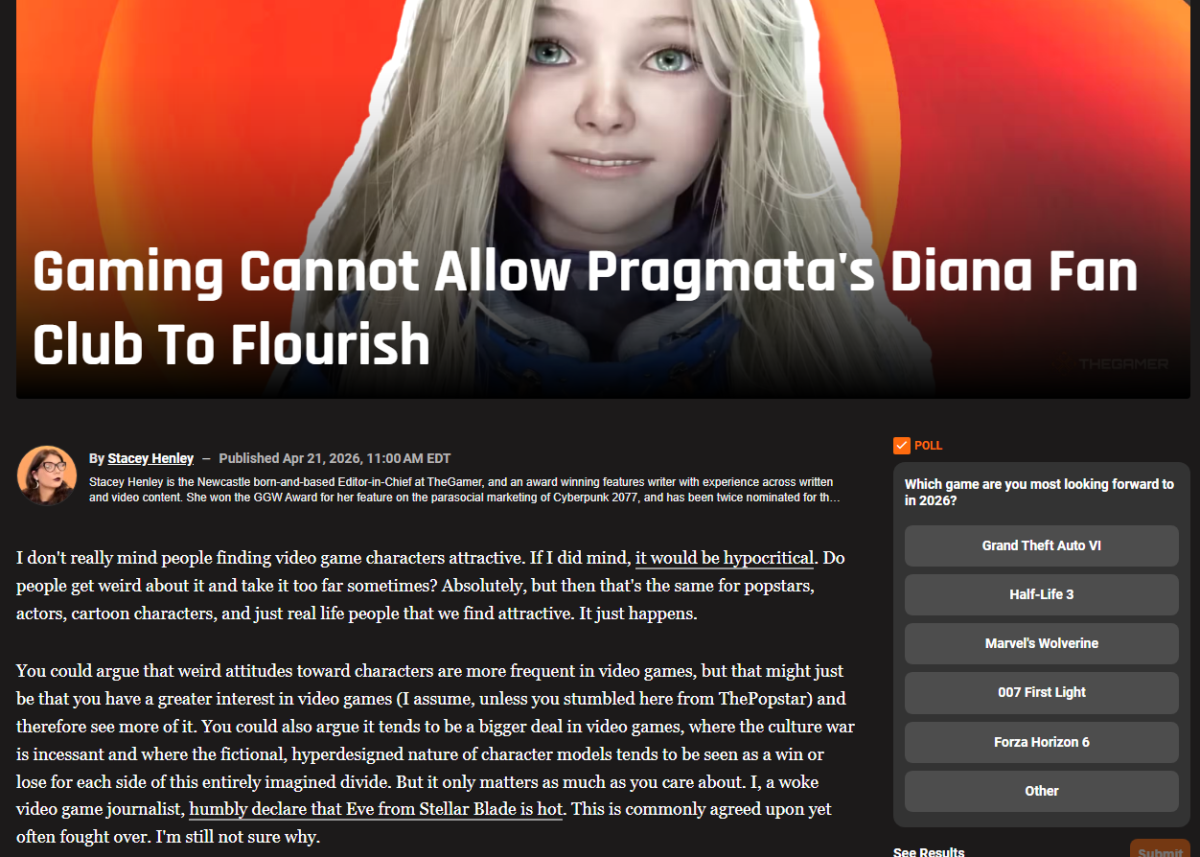

TheGamer also drew parallels to discussions around character appearances in other titles, like the South Korean game "Stellar Blade." However, they noted that while "Stellar Blade" features adult female characters, Pragmata's situation is far more sensitive due to Diana's character design, pushing it beyond the scope of typical cultural debates.
However, the review sparked fierce backlash from some players. Many argued that TheGamer's points were based on extreme cases and didn't reflect the mainstream player base, with some flat-out calling it "a non-issue." Others pointed out that Diana's barefoot design might simply be part of her character lore, like an energy replenishment mechanism, rather than a deliberate attempt to cater to specific fetishes, criticizing such interpretations as overly far-fetched.
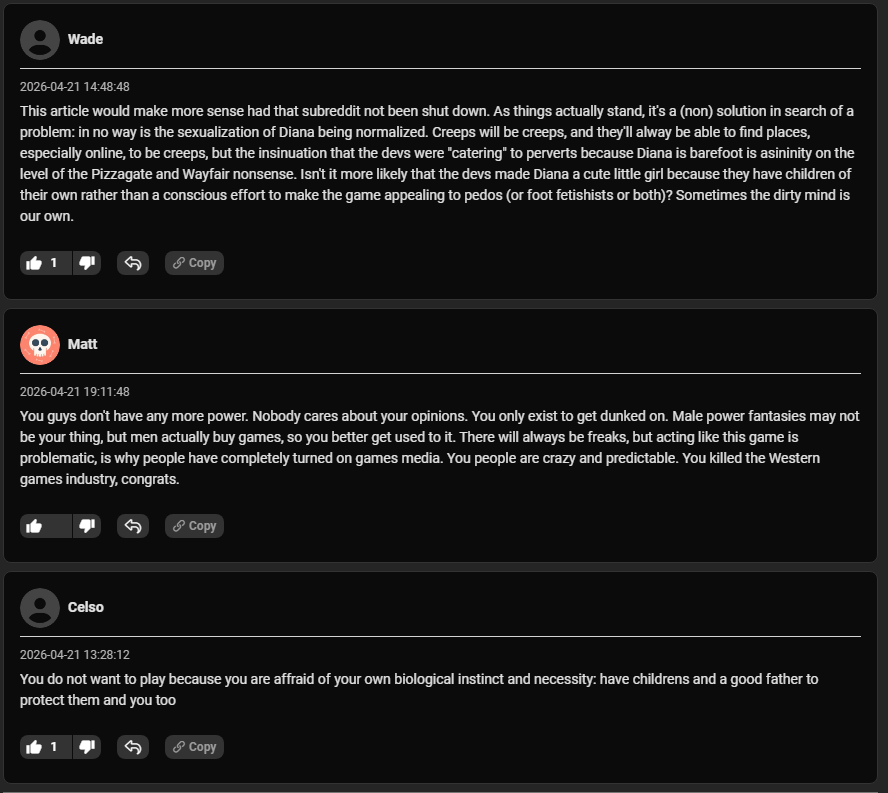
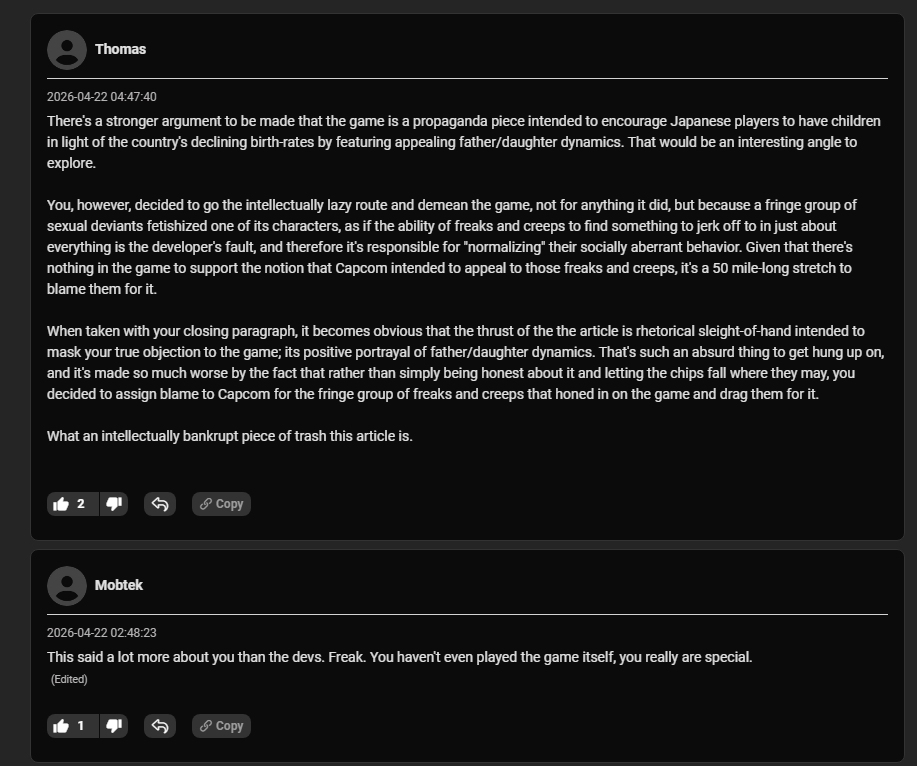
Other comments slammed the outlet for its biased stance, claiming the current game review landscape is overly politicized. Some even used stronger language, stating that such views are eroding trust between players and media. A few responses shifted to the cultural angle, suggesting that the "protect the girl" narrative in games is a common and natural emotional expression that shouldn't be over-analyzed as problematic.
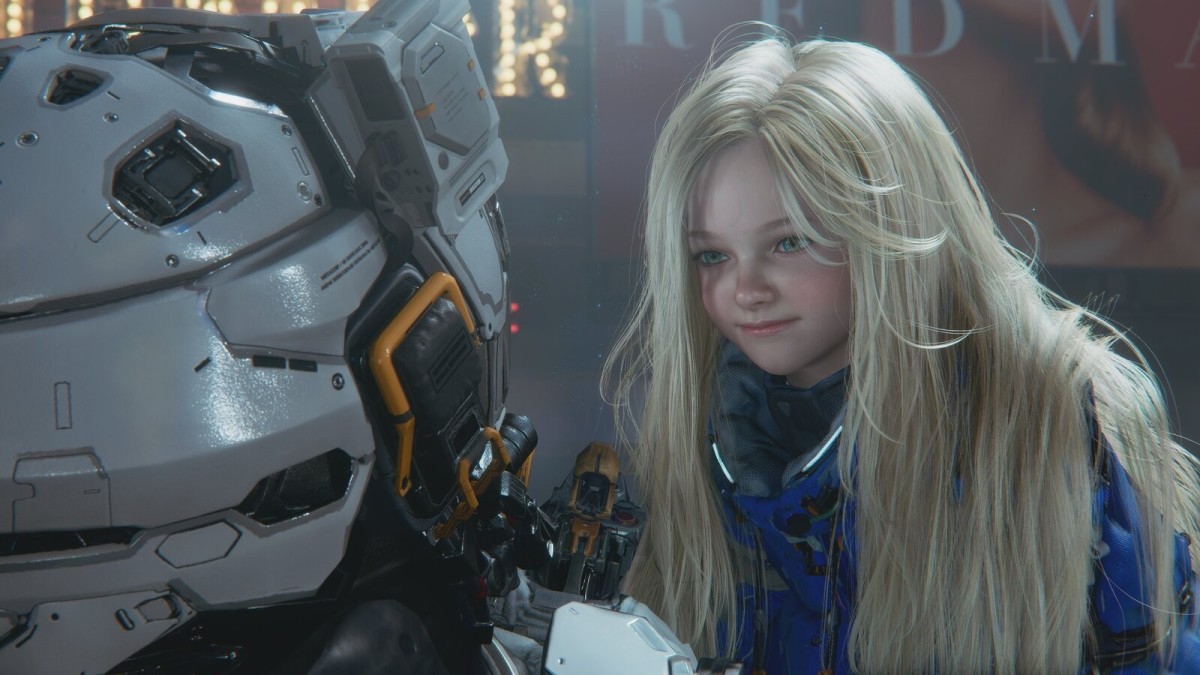 As the discussion continues to rage, the controversy surrounding Pragmata and Diana has expanded beyond character design itself, now encompassing a clash between player culture and Western media perspectives. It seems this issue won't be settling down anytime soon.
via: TheGamer