

When companies hike starting salaries to reel in fresh talent but don't bother adjusting pay for their existing crew, you're basically asking for a full-blown salary inversion meltdown and a fierce debate about workplace fairness.
Case in point: A Japanese office worker recently blew up on X, ranting, "Hold up! I've been here three years, making 240,000 JPY a month. Why am I stuck training new hires who are pulling in 260,000 JPY?!" That post hit a nerve with tons of people, because let's be real, veterans earning less than rookies they have to hand-hold? That's sadly old news in the corporate jungle.

One netizen, a decade into their career, totally felt the pain, sighing that their salary was a measly 10,000 JPY more than a new grad's starting pay. Others didn't mince words, calling out management as "incompetent" for boosting new hire salaries without bumping up a third-year employee's pay to, say, 270,000 or 280,000 JPY.


But not everyone's on the same page. Another camp of netizens argued, "Look, it's just part of the job. Teaching others is crucial, and if you don't really get your own work inside and out, you're probably not gonna be a great teacher anyway."



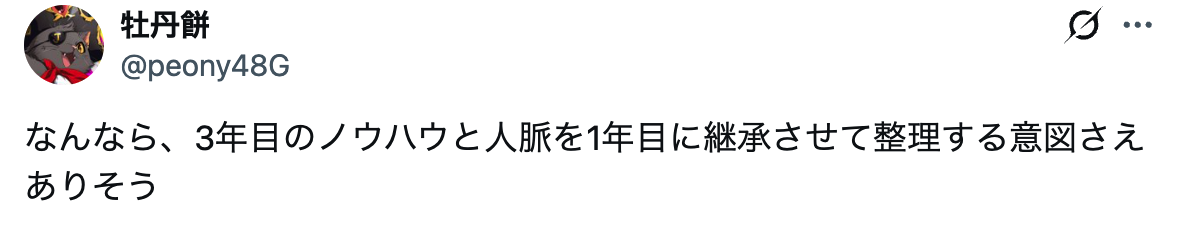
Then there's the more cynical, conspiracy-theory crowd. Some folks suggested that certain companies deliberately push veteran employees to quit, making them transfer their three years of accumulated expertise and connections to the newbies. Once that "phase" is done, they're disposable. One wag even jokingly suggested, "Why not just quit and re-apply? Instant pay raise!"

At its core, this whole kerfuffle isn't just about whether seasoned employees should mentor rookies. It's about whether companies, when boosting new hire salaries, should also take a hard look at their existing staff's pay and roles. Ignoring experienced employees while only sweetening the deal for fresh faces can totally torpedo internal morale, team spirit, and, ultimately, talent retention!