

"Attack on Titan" (進撃の巨人) creator Hajime Isayama recently opened up about the series' controversial ending, admitting he still harbors regrets about its final form. He believes his emotional investment in protagonist Eren Yeager ultimately steered the conclusion away from its intended narrative tone.
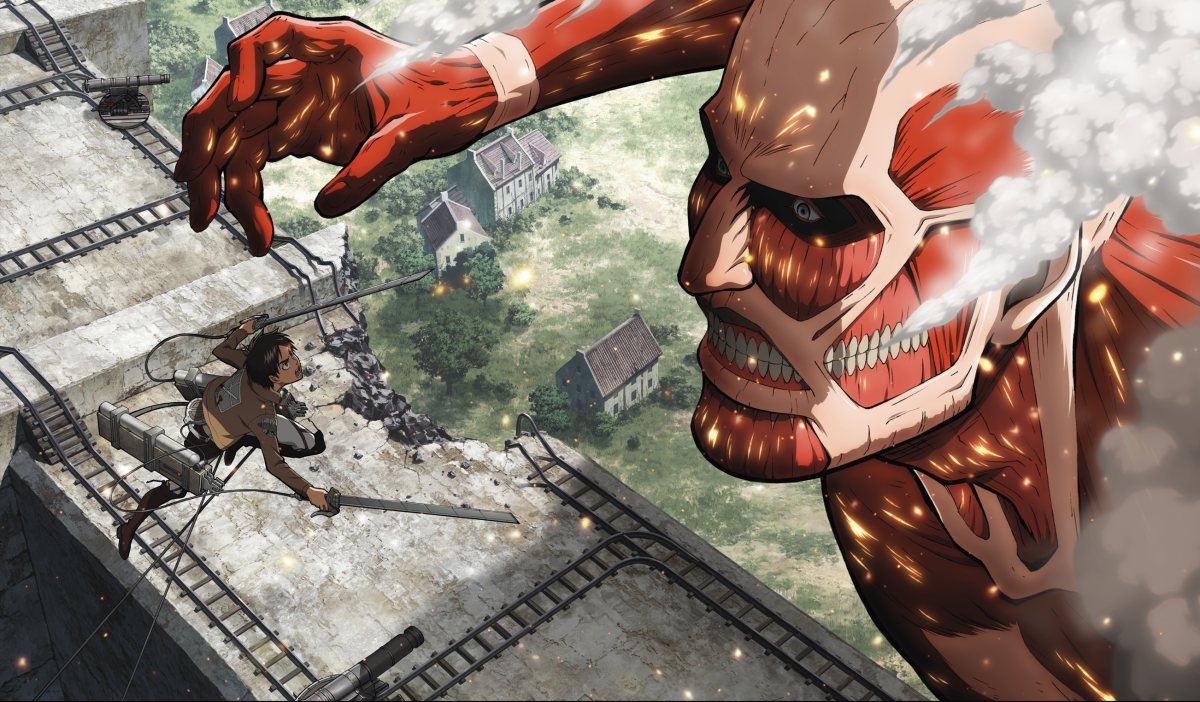
Running from 2009 to 2019, with an anime adaptation launching in 2013, "Attack on Titan" exploded onto the global scene. Its sprawling world and intricate character development captivated audiences worldwide, selling over 140 million copies. A major point of contention and fan debate has always been Eren's drastic shift from humanity's protector to the orchestrator of mass destruction in the series' later arcs.
At an "Attack on Titan" exhibition in his hometown of Hita, Isayama reflected on his original vision for the character. "Eren became a protagonist who committed mass murder, which is rare in other works... I wanted to create a story where the victim transforms into the aggressor," he explained. He also confessed that this concept was partly born from his younger self: "That was the naivety and folly of my twenties, and it became the core of Eren's personality."
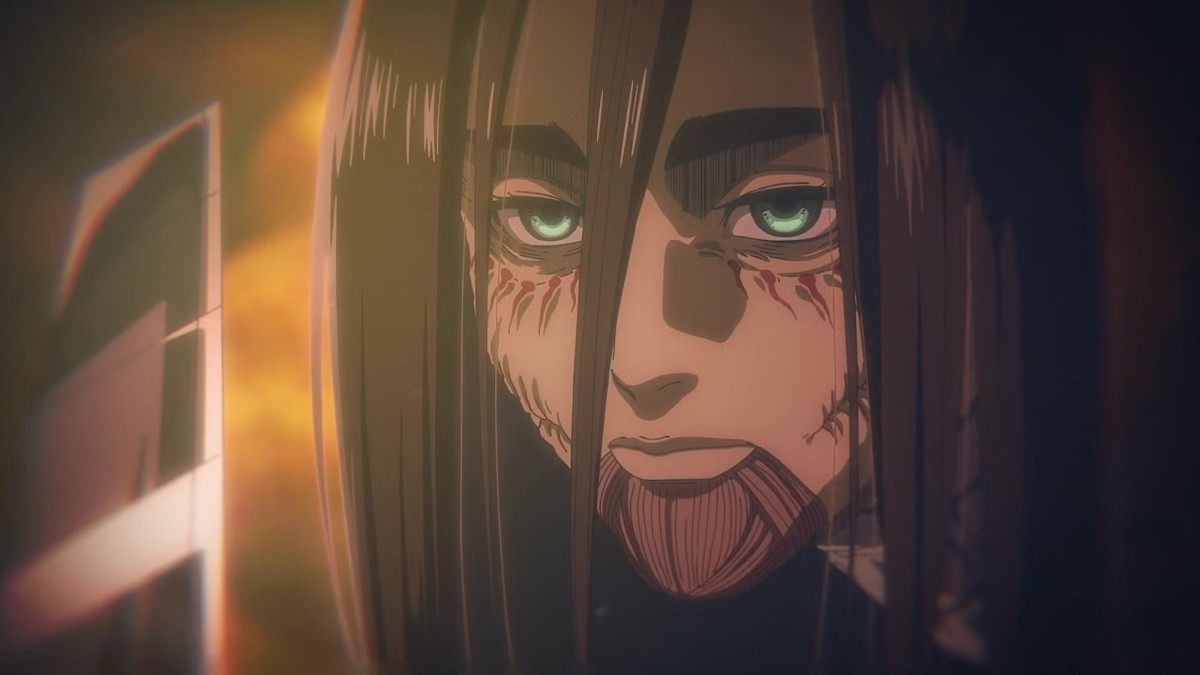
But as the series' influence grew, Eren became an emotional anchor for many readers. Isayama noted, "Eren became a character loved by many, and ultimately, I couldn't fully depict him as a truly detestable figure." He further mused, "As a result, for me personally, I feel the story's ending still carries a hint of insincerity."
Reports suggest that turning a beloved protagonist into a villain often sparks audience backlash, testing a creator's balance between emotional connection and narrative integrity. Isayama hinted that if he were to create the story again today, Eren might still meet the same fate, but his portrayal would be more emotionally restrained, bringing the character closer to his originally conceived cruel essence.
via: Dexerto