

When you think of Pachinko (パチンコ), you're talking about a Japanese institution with nearly a century of history. It's a common sight in Japanese dramas and manga, and a popular pastime for many across the country. But have you ever wondered what happens to all those pachinko machines once they're retired?
Recently, Japanese company Global Standard launched its "Circular Welfare Program," successfully pioneering a new model: collecting used pachinko machines from businesses, refurbishing them, and then introducing them into facilities that support people with disabilities. This initiative gives these once-discarded gaming machines a brand new social purpose.
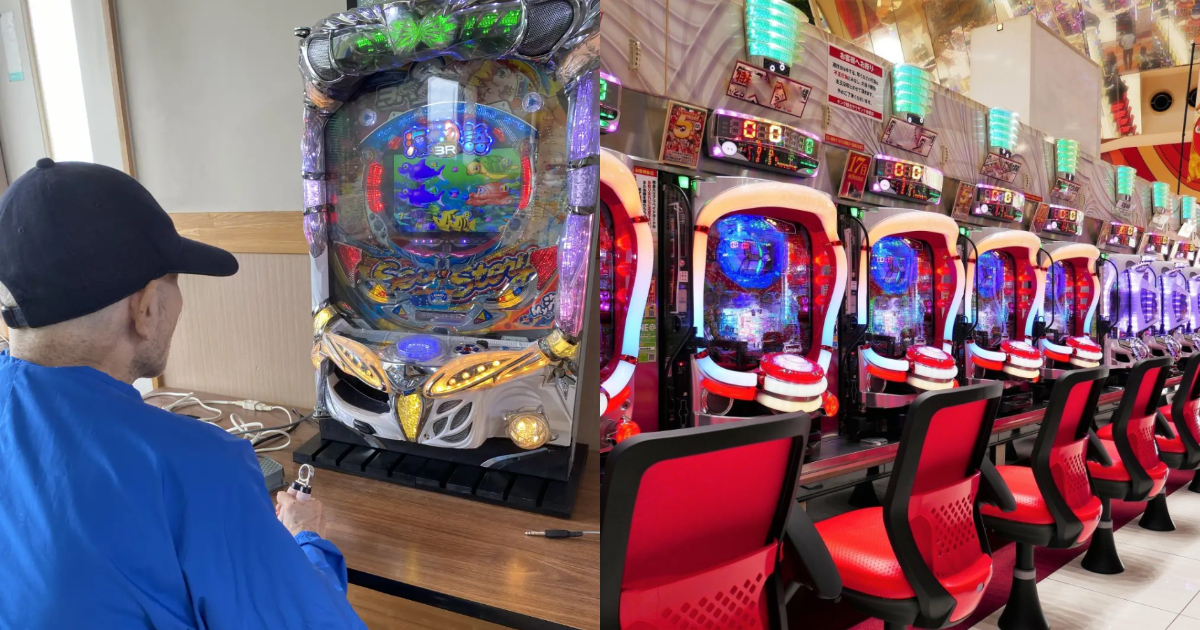
After collecting the old machines from partner companies, Global Standard conducts thorough safety checks and refurbishments. They then customize the machines to meet the specific needs of welfare facilities, making them suitable for functional training and recreational use. This also provides a fun way for elderly residents to engage their minds, supporting long-term care objectives.
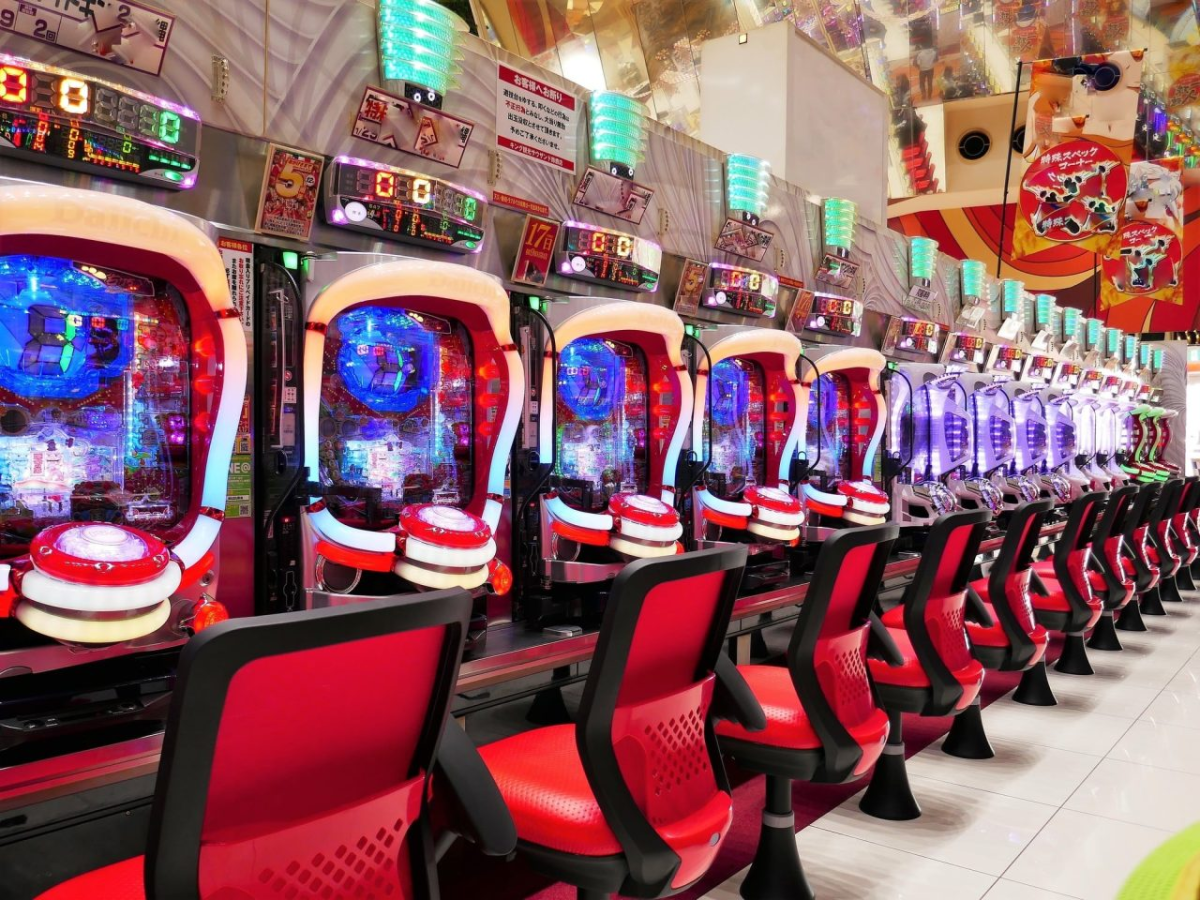
Once ready, the machines were officially deployed at "Katsura-so," a disability support facility operated by the Social Welfare Corporation Sanyukai in Gunma Prefecture.
Pachinko parlors frequently replace their equipment as new models are released, leading to a massive number of machines being retired annually. Even if many are still fully functional, they are often scrapped due to storage costs or distribution limitations. The Circular Welfare Program aims to change this by creating a reuse mechanism that allows these machines to:
- Enrich recreational activities in welfare facilities
- Provide opportunities for light physical activity
- Promote interaction among users
- Enable companies to fulfill their social responsibility
This creates an innovative model that combines environmental sustainability with public welfare.
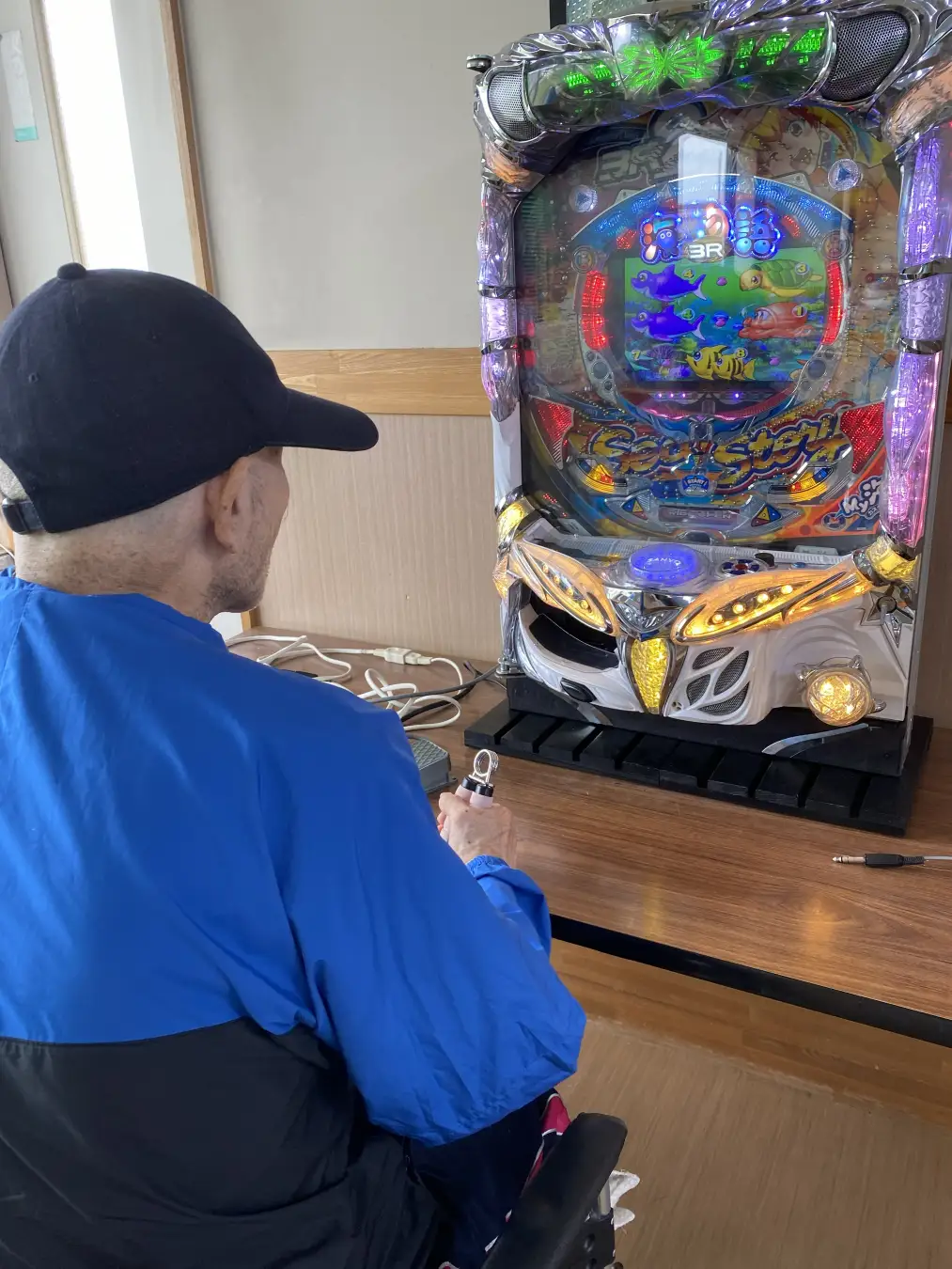
While the program initially focused on introducing machines into elderly care facilities, this marks its first expansion into disability support institutions. Beyond entertainment, the machines are also seen as a new medium to encourage physical activity and foster social interaction. This demonstrates the program's potential extends beyond long-term care, proving equally valuable in the disability welfare sector.
▼ Watch the machines in action:
The pachinko introduction program has shown remarkable success, with many seniors becoming more willing to actively participate in activities after the machines were introduced—a significant achievement for older residents.
These initiatives have transformed gaming machines that had completed their original mission into tools that help others, opening up new possibilities for resource reuse and welfare services. Moving forward, the Circular Welfare Program plans to continue expanding its network, promoting this virtuous cycle to even more regions across Japan.
via: PR TIMES