

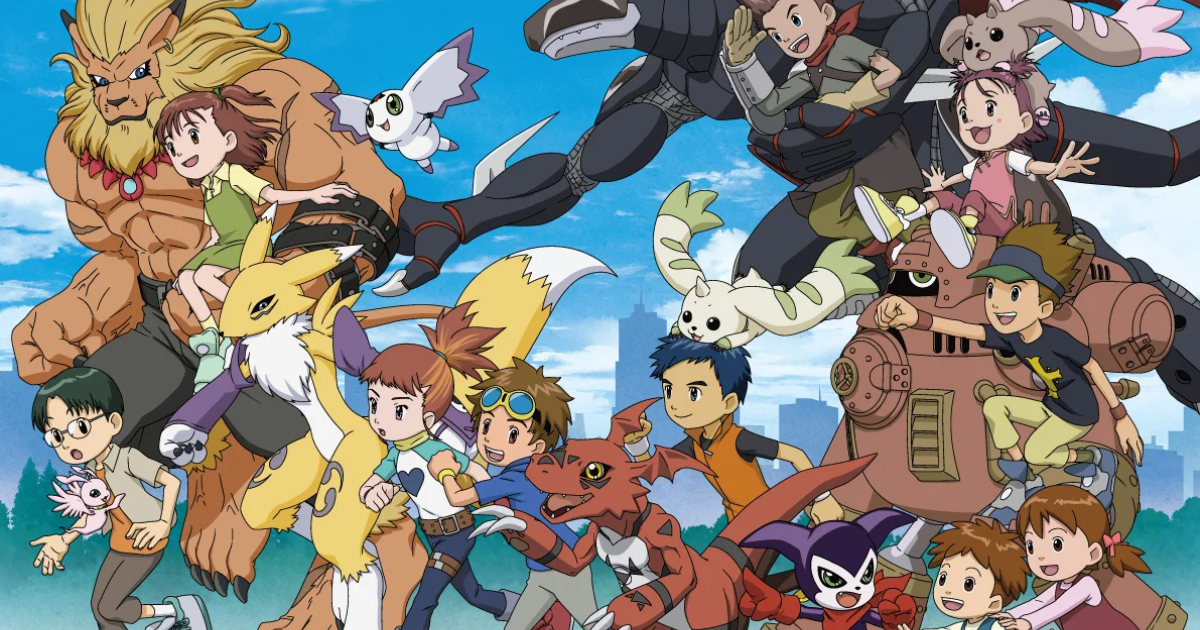
This year, the third TV anime series in the "Digimon" franchise, "Digimon Tamers," hits its 25th anniversary milestone! This iconic series carved out its unique identity with groundbreaking concepts like Tamers using Digimon cards to power up their partners in battle, and the intense idea that children had to literally become one with their Digimon to achieve Ultimate evolution.
To mark the occasion, the official team recently sat down with Chiaki J. Konaka, the head writer for "Digimon Tamers." In the interview, Konaka dives into how he joined the project, breaks down the concepts behind the story and character designs, and offers a 25-year retrospective on this timeless classic.
Chiaki J. Konaka's scripts are famously infused with sci-fi flair, a passion evident in his work on "Ultraman Tiga," "Ultraman Gaia," and "serial experiments lain." Early in his career, he penned numerous horror films and even delved deep into Cthulhu Mythos and music-related themes.
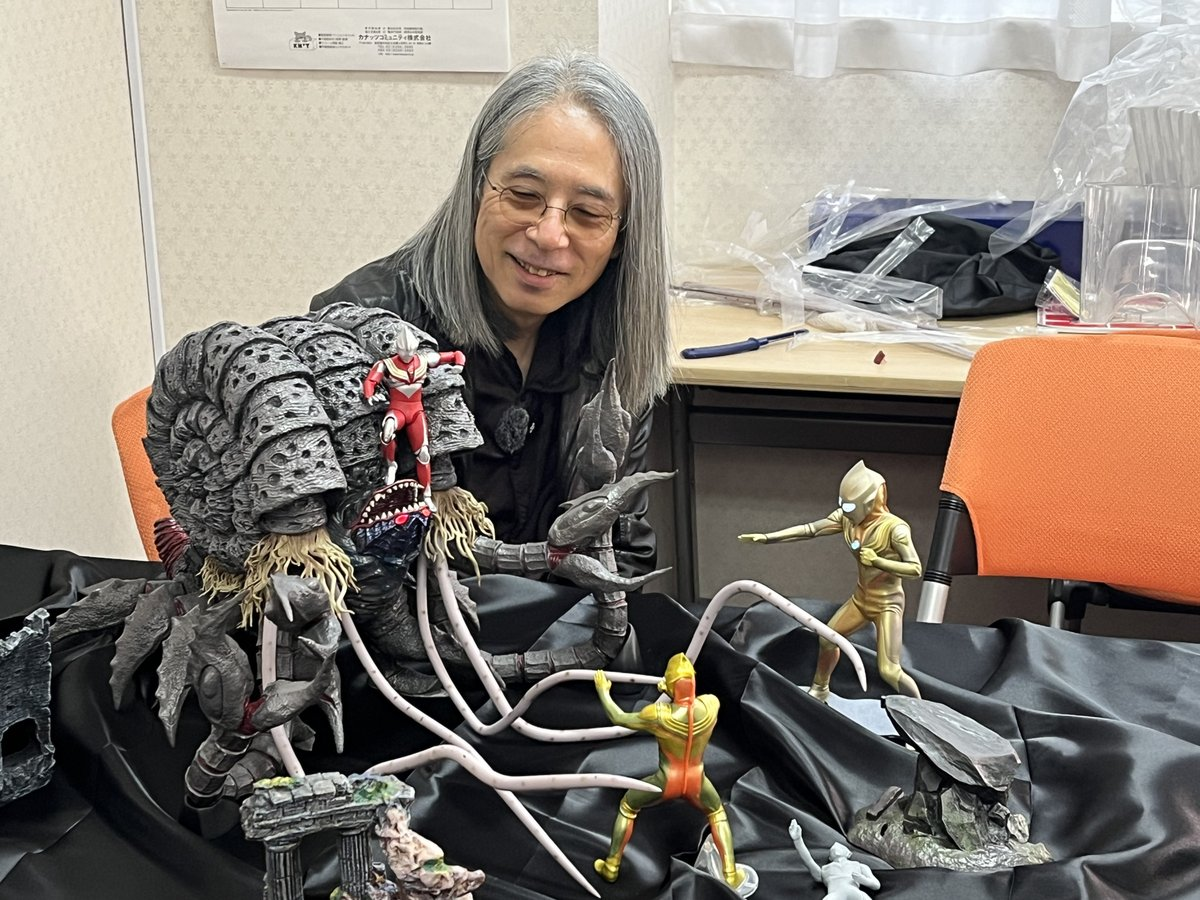
Below is the official interview, presented in a Q&A format.
Q: "Digimon Tamers" celebrates its 25th anniversary this year. Looking back at the series now, what impression does it leave on you?
Chiaki J. Konaka: When the Blu-ray BOX was released in 2018, I wrote the script for the bonus drama, which was back in 2017. That's when all my "Tamers" memories, which had somewhat faded, came flooding back. It was also a period when my personal passion for the series reignited.
Then came the 20th anniversary, and now the 25th. I'm truly grateful that people continue to remember and love it. For me, "Digimon Tamers" is the only work where I truly poured my heart and soul into the theme of "a boy's growth."
Q: How did you originally come to join "Digimon Tamers" as the head writer?
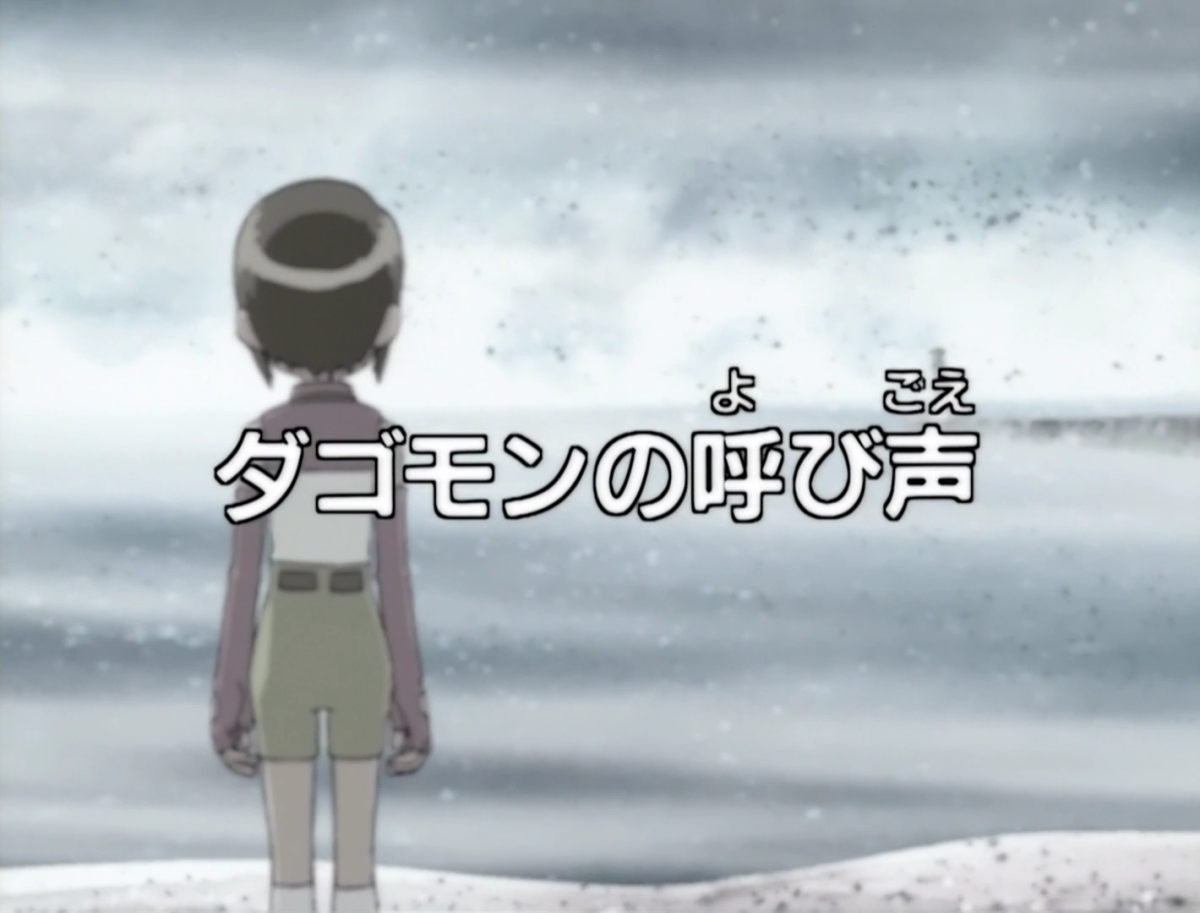
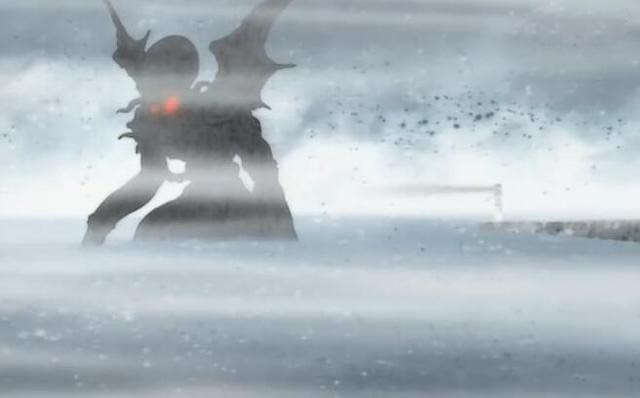
Chiaki J. Konaka: I believe the biggest catalyst was my involvement in "Digimon Adventure 02" Episode 13, "The Call of Dagomon." I heard it all started during the production of the original "Digimon Adventure." Director Hiroyuki Kakudō was choosing Digimon to appear and took a liking to Dagomon. Since it evoked the Cthulhu Mythos' Dagon, someone suggested, "Let's have Konaka write this episode."
Ultimately, that story became "02" Episode 13. I think producer Hiromi Seki observed the entire creative process, which likely played a part in her reaching out to me for the third series. Additionally, the series director for "Tamers" was Yukio Kaizawa. We had previously collaborated on the anime "Fushigi Mahou Fun Fun Pharmacy," where I was the series composition writer and screenwriter, and Kaizawa-san was the director. So, getting to work with Kaizawa-san again on a year-long anime was something I was very eager to do. He truly is a person brimming with creativity and aesthetic sensibility.
Q: "Tamers" stands out in the franchise for being set in the real world and featuring increasingly heavy storylines in its later half. Were there any specific directions you were particularly conscious of during its production?
Chiaki J. Konaka: I'm currently working on "Digimon BeatBreak," but even back then, there weren't many original stories that spanned a full year. Since "Tamers" was a project tied to a toy line and ran for over fifty episodes, I wanted to maximize the appeal of such a long-form narrative.
That said, "Digimon Tamers" didn't completely sever ties with its two predecessors. The world-building is connected; for example, Takato's admiration for Tai and Davis is what sparked his love for Digimon. So, "Digimon Tamers" built a fresh "Digimon" narrative while standing on the shoulders of the previous two series.
Q: One of the biggest hallmarks of "Digimon Tamers" is how Digimon truly become "partners," with the story set in the real world. How did these ideas come about?
Chiaki J. Konaka: Ultimately, I wanted to explore "how immature children confront beings different from themselves." In "Digimon Adventure," the kids mostly stood by, watching their partner Digimon fight. While that's perfectly fine, with "Digimon Tamers," I wanted to delve deeper into "how humans truly fight and live alongside Digimon." For Takato, Guilmon was a figment of his imagination. But gradually, Guilmon evolved into an irreplaceable "other" who no longer acted solely according to Takato's wishes. And Takato, too, matured through this relationship.
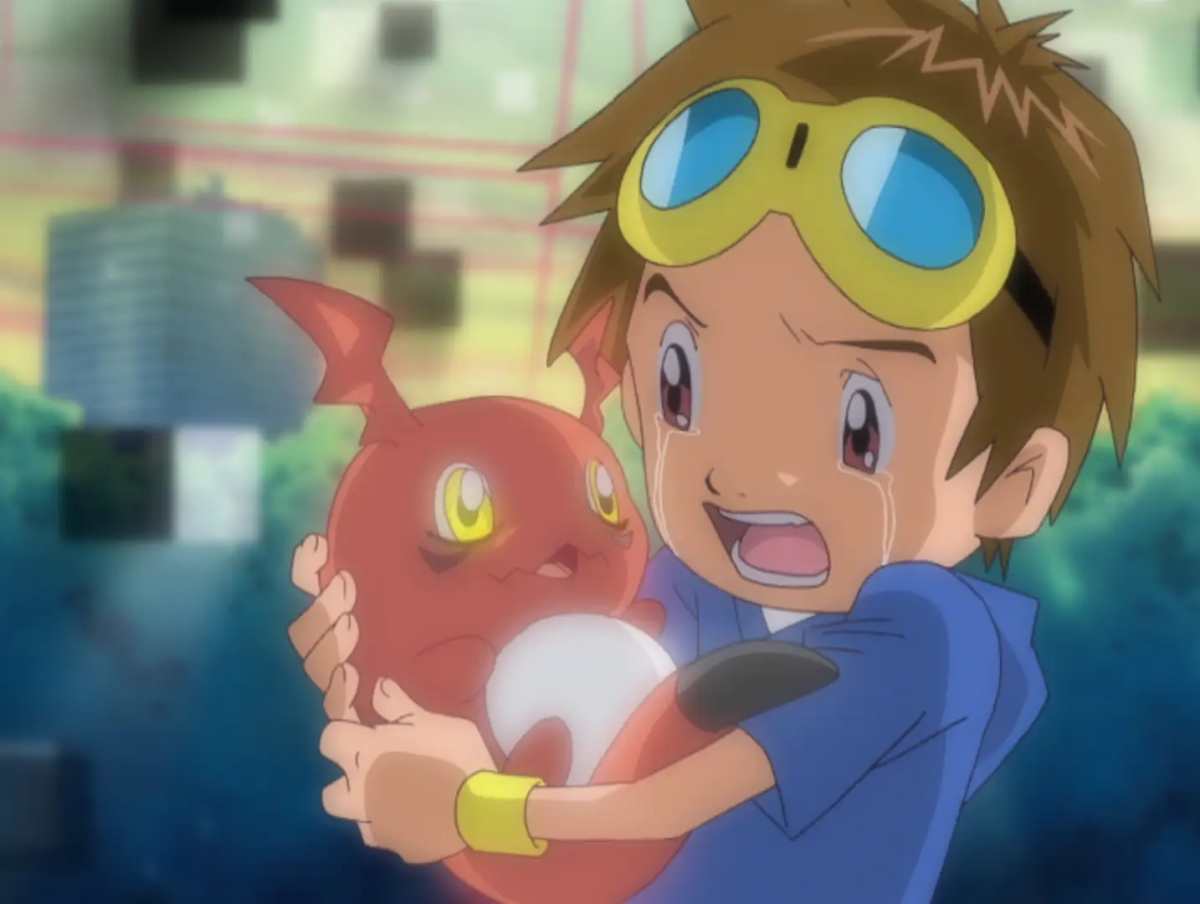
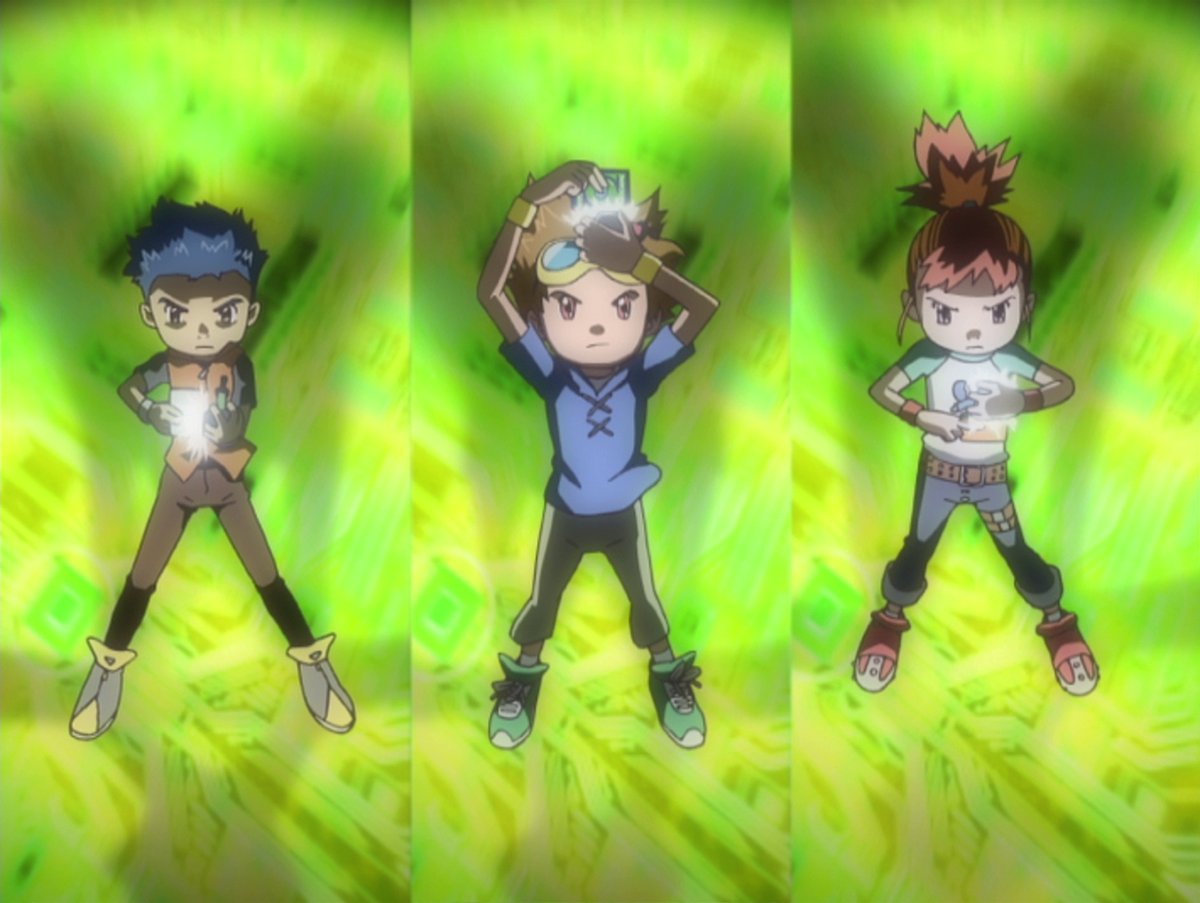
Q: The three Tamers—Takato, Henry, and Rika—each have vastly different relationships with their partner Digimon. What was most important when designing these characters?
Chiaki J. Konaka: I wanted Takato to be unlike Tai or Davis, who started out with strong protagonist vibes. I aimed to create a character who felt more like an ordinary kid. Of course, I didn't intentionally make him a crybaby, but looking back now, he did cry a lot (laughs). After meeting Guilmon and getting caught up in events, he slowly developed the feeling that "I have to step up." His growth was accumulated step-by-step through his adventures. So, not shaping him into a traditional protagonist from the start was, in hindsight, quite an ambitious choice.
As for the other characters, Henry's partner is the belligerent Terriermon, but Henry is hesitant to let him fight due to past trauma. For Rika, since we had a female Tamer, I wanted her partner to be powerful enough. Renamon's design itself exudes a strong and calm aura, so Rika herself had to be a character who could match that.
So, in the early stages of the story:
Takato views Guilmon as his own creation.
Henry is hesitant about letting Terriermon fight.
Rika sees Renamon as a symbol of her pursuit of power.
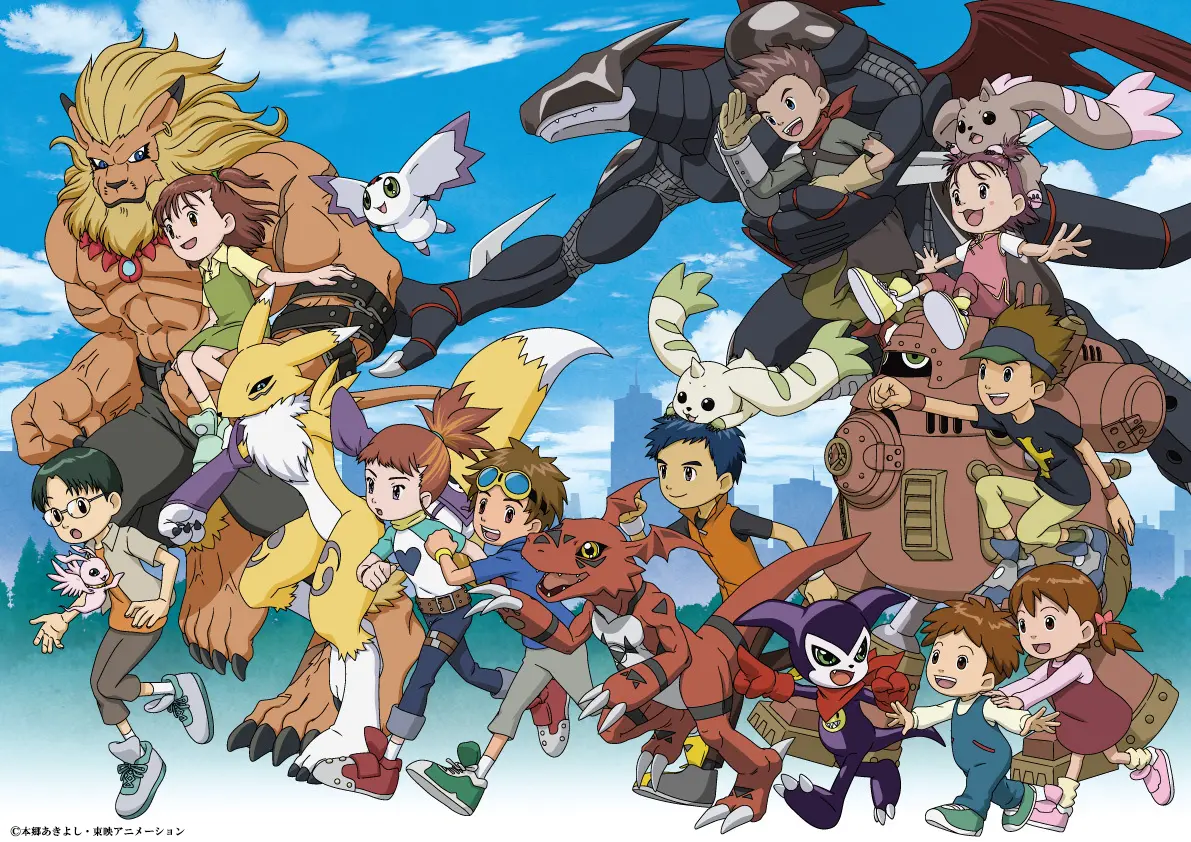
The three Tamers' positions were intentionally designed to be very different, and as the story progressed, their relationships with their partners gradually changed, ultimately leading them to truly become "partners."
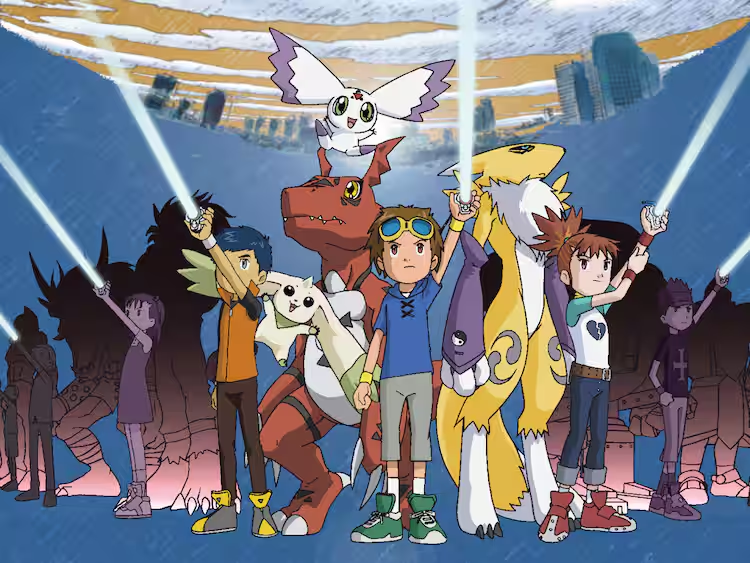
Q: The relationship between Takato and Guilmon feels like a partnership, a parent-child bond, and even that of a creator and creation. How was this dynamic conceived?
Chiaki J. Konaka: I think the biggest key was having Ms. Masako Nozawa provide Guilmon's voice. While Guilmon was a Digimon born from Takato's imagination, he wasn't simply cute or just powerful. He gradually surpassed Takato's imagination, growing into a life form with his own distinct personality.
And a large part of that persuasiveness came from Masako Nozawa's performance. Takato initially treated Guilmon as his creation. But later, he gradually accepted that Guilmon was no longer just his "work," but a living being with its own will. He felt confused during this process, and through it, he grew. I believe this is precisely what makes "Digimon Tamers" so captivating.
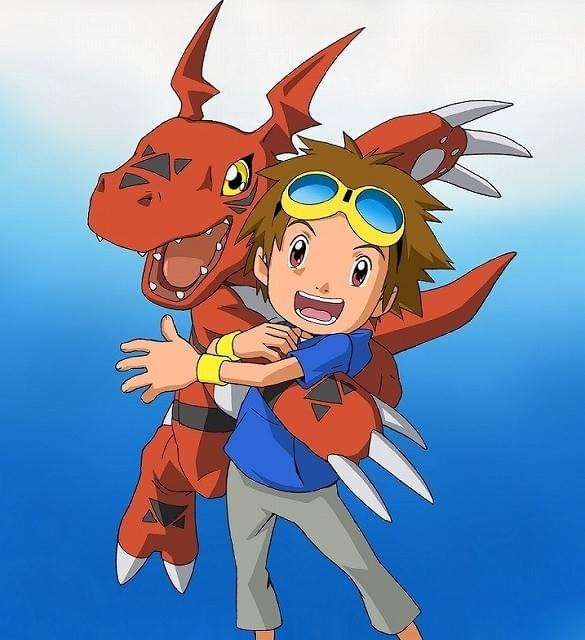
Q: Rika initially saw Digimon as symbols of power, but her relationship with Renamon changed dramatically. How was this evolution planned?
Chiaki J. Konaka: Most of Rika's personal storyline was penned by Mr. Genki Yoshimura. Her journey from solely seeking power to gradually changing always brought new discoveries for me when reading Mr. Yoshimura's scripts. Renamon might seem mature, but she actually didn't understand the human world. It was through accompanying Rika that she slowly grasped human emotions and boundaries. So, it wasn't just Rika who changed; Renamon grew too. They didn't just influence each other one-sidedly; they mutually transformed, ultimately becoming true partners.
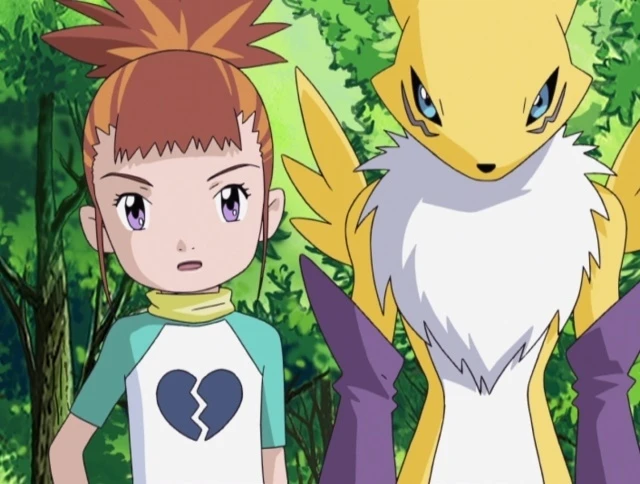
Q: "Digimon Tamers" is a children's anime, yet it delves into themes like the internet, the digital world, life and death, and fear. Was there a conscious effort to balance its depth?
Chiaki J. Konaka: In 2001, elementary school students weren't interacting with the internet daily like they are now. However, "Digimon Adventure" had already introduced the concept of the "Digital World." But the Digital World in the first two seasons felt more like an alternate dimension. With "Digimon Tamers," I wanted to redefine it as a true cyberspace.
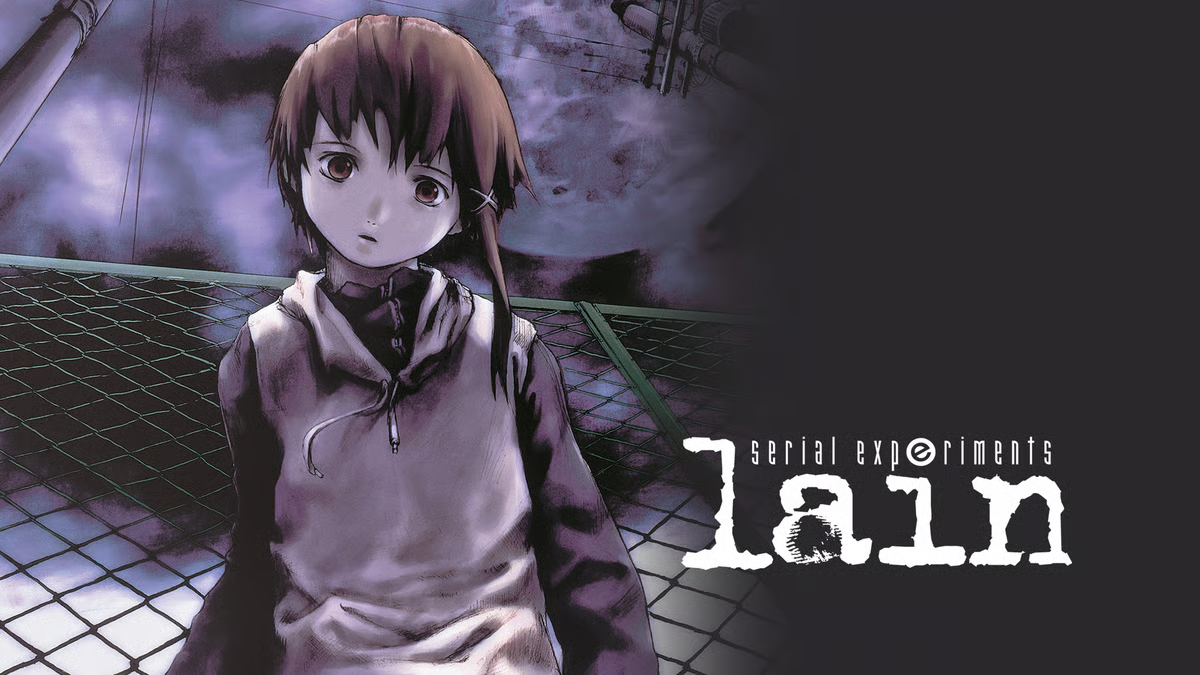
This idea was actually influenced by my experiences creating "Serial Experiments Lain" in 1998. I knew some of the concepts might be difficult for children to grasp. But I've always believed that "not everything has to be fully understood on the first watch." Something that seemed cool as a kid might reveal its true meaning when rewatched as an adult. I hoped "Digimon Tamers" would be a work that viewers could revisit and appreciate over time.
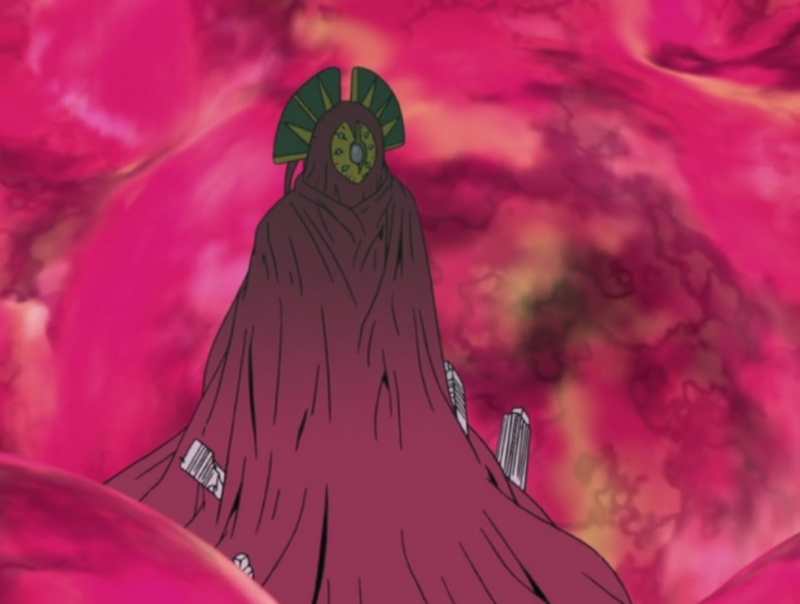
Q: The final antagonist, the D-Reaper, was very different from previous enemies. What was the thinking behind that design?
Chiaki J. Konaka: I didn't want the final enemy to just be another evil Digimon. Since "Digimon Tamers" defined the Digital World as a vast network, wouldn't it be logical for something beyond Digimon, something even they feared, to exist? The D-Reaper wasn't just a threat for Takato and his friends; Digimon and even adults had to fight it together. Because when Digimon truly became "living beings in this world," we had to consider: "What would happen if this world faced a real crisis?"
Q: Were there any particularly memorable moments during production?
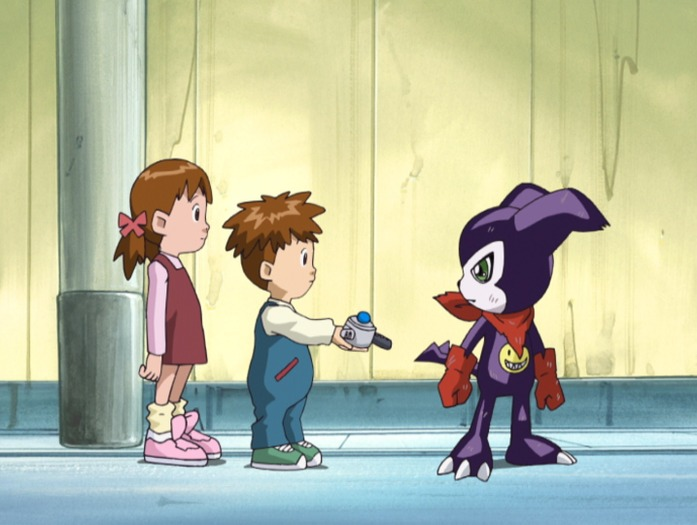
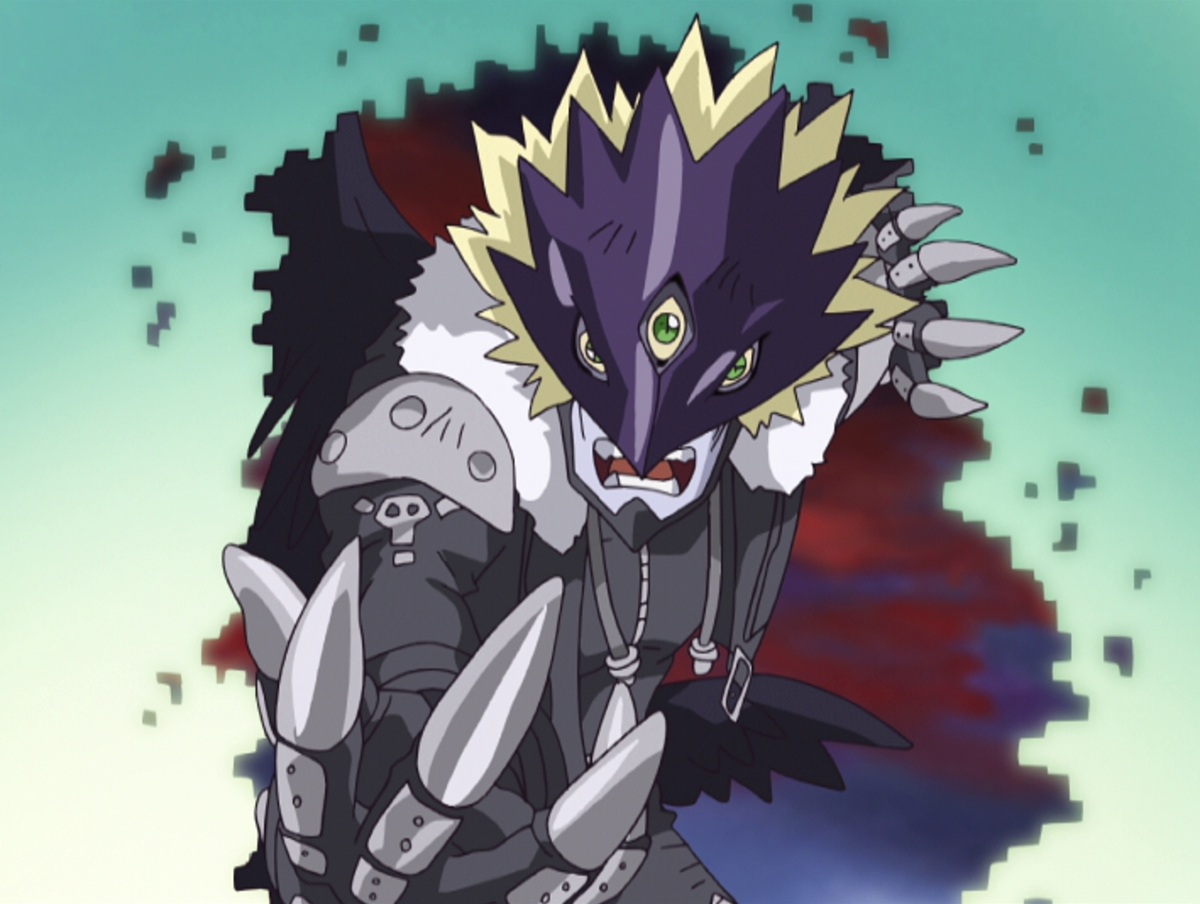
Chiaki J. Konaka: The most unforgettable was definitely Impmon and Beelzemon. Initially, there was actually a suggestion for Impmon to be a main partner Digimon. But I wanted to tell a story like the original Agumon, depicting a child's encounter with a monster, which is how Guilmon was born. However, since Impmon was once a protagonist candidate, we couldn't just make him an ordinary supporting character. So, we ultimately arranged for him to grow into Beelzemon, which became one of the most compelling character arcs in the entire series. This part also owes a lot to Mr. Atsushi Maekawa's script and Mr. Hiroki Shibata's direction, which elevated it beyond what I could have achieved alone.
Q: The story of Beelzemon, including Leomon's sacrifice, is truly memorable.
Chiaki J. Konaka: That plot point was indeed brutal, but without that incident, Beelzemon's storyline couldn't have existed. It was also a crucial turning point for Takato's growth. I wanted kids to understand just how dangerous power can become when emotions run wild.
Q: Card Slash is another iconic element of "Digimon Tamers."
Chiaki J. Konaka: When I first proposed the card battles, I was racking my brain trying to figure out how to portray them in the anime. Just showing cards would be bland, which led to the "Card Slash" action, making the data download sequence incredibly cool. But the final animation far exceeded my imagination. That fixed sequence was truly amazing; even now, it hasn't aged a day.
Q: Was the entire plot planned out from the start?
Chiaki J. Konaka: Not at all. While the general direction was set early on, many details evolved as we went. For instance, Juri eventually partnering with Leomon wasn't decided from the beginning. We'd discuss things like, "If it goes this way, what's the next logical step?" and piece the story together bit by bit. So, "Digimon Tamers" feels less like my individual work and more like a true collaborative effort by the entire team.
Q: 25 years later, "Digimon Tamers" still has a massive fanbase. What do you hope new viewers today take away from the series?
Chiaki J. Konaka: I've always known about the dedicated fans in South America and Germany, and last year in Shanghai, I met many Chinese fans too. It really reinforced how much "Digimon Tamers" is cherished by people worldwide. The latter half of the series was quite heavy. It prioritized a year-long overarching narrative over episodic storytelling, which definitely led to mixed reviews back then. But precisely because of that, we wanted to create a work that people would never forget. Perhaps that's why, 25 years later, people still remember it. For its 25th anniversary, two episodes are being released weekly for free on YouTube. I hope both original viewers and new audiences discovering it for the first time will enjoy the series.
Q: Finally, what does "Digimon Tamers" mean to you?
Chiaki J. Konaka: During production, it wasn't always fun. There were a lot of worries, and I was quite stubborn back then. But precisely because of that, I poured my heart into it, and all the staff gave their absolute best. Perhaps animation production methods are different now, and my creative approach might even be considered a bit old-fashioned. However, if someone watched it as a child and rewatches it as an adult, they might discover new insights.
If "Digimon Tamers" truly leaves behind that kind of depth, I would be incredibly happy. To still resonate in so many hearts 25 years later, and even attract new viewers, truly fills me with heartfelt gratitude.
via: デジモンアニメポータル