

The manga "Mii-chan & Yamada," created by Nene Ayatsuki, has been a hotbed of controversy since its anime adaptation was announced in July. The story's themes, which touch upon intellectual disabilities and the sex work industry, have sparked ongoing debates about the author's statements and the potential societal impact of the anime.
Following a previous statement of concern from a Japanese support organization for individuals with intellectual disabilities, the Japan Autism Association has now publicly released its own opinion paper addressing the "Mii-chan & Yamada" anime adaptation and the problematic nature of the work itself.

The Japan Autism Association's statement is titled, "An Opinion on the Completed Manga 'Mii-chan & Yamada'."
Regarding the anime adaptation, the association offered sharp criticism: "We do not believe that the issue can be resolved simply by applying an age rating or by avoiding a broadcast on terrestrial television where anyone can watch. We are deeply concerned that this work is being adapted into an anime within the cultural environment created by those involved."
The association continued: "From the standpoint of protecting persons with disabilities, we hope for a greater understanding to prevent the mockery or insult of individuals with disabilities, as well as their siblings and families. Furthermore, we hope for the understanding that real-world hardships such as poverty and disability should not be used as material for pursuing commercial success (profit) or turning the misfortune of others into entertainment. Instead, these individuals should be connected with the necessary support and assistance."
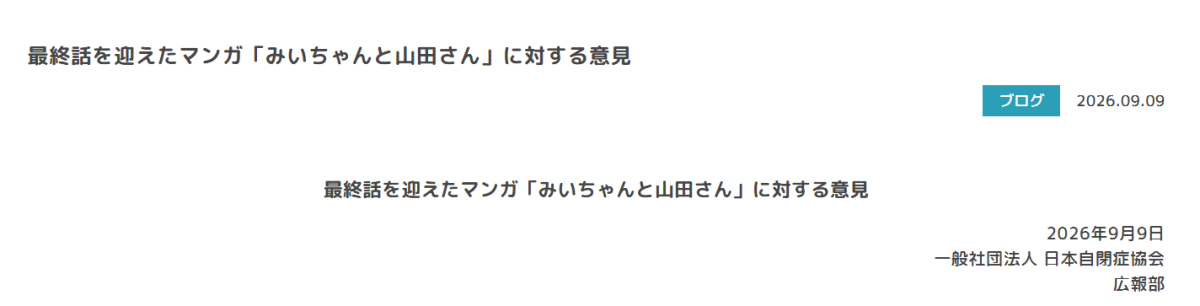
■ Full Text of the Statement Below
1. Reason for Submitting This Opinion
In this manga, it is not explicitly stated that Mii-chan has a disability. However, based on the portrayal within the work and the author's public statements, we believe it can be inferred that she may have an intellectual or developmental disability. Consequently, we have been monitoring the various opinions about this manga online.
Based on this, and for the following two reasons, we have decided to formally express our opinion:
・We have received numerous requests for our association to offer an opinion from the standpoint of protecting persons with disabilities.
・The term "Mii-chan" is already being used in the real world to mock children with disabilities.
2. What Is Happening in Reality
The opinion paper from the All Japan Federation for Persons with Intellectual Disabilities has repeatedly pointed out cases where the term "Mii-chan" is used to mock and insult women with intellectual disabilities or developmental traits. Our association has also received reports from children with autistic siblings who are worried about "being made fun of at school."
Furthermore, individuals with disabilities and their families who have actually read the manga have expressed feelings of anxiety and discomfort to us. Even if the author or publisher had no discriminatory intent, we cannot ignore the fact that these incidents are already occurring in reality.
3. The Problems with This Manga
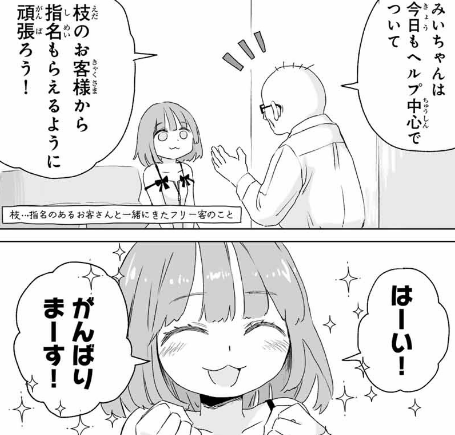
If we were to summarize the biggest problem in one sentence, it is that issues that should be treated with the utmost seriousness—such as the nightlife industry and the real-world hardships of poverty and disability—are being used as material for commercial success (profit).
Additionally, we believe that presenting the unfortunate "Mii-chan" with a "lighthearted touch" ultimately led to the character being used as a term of mockery.

4. Turning Misfortune into "Material"
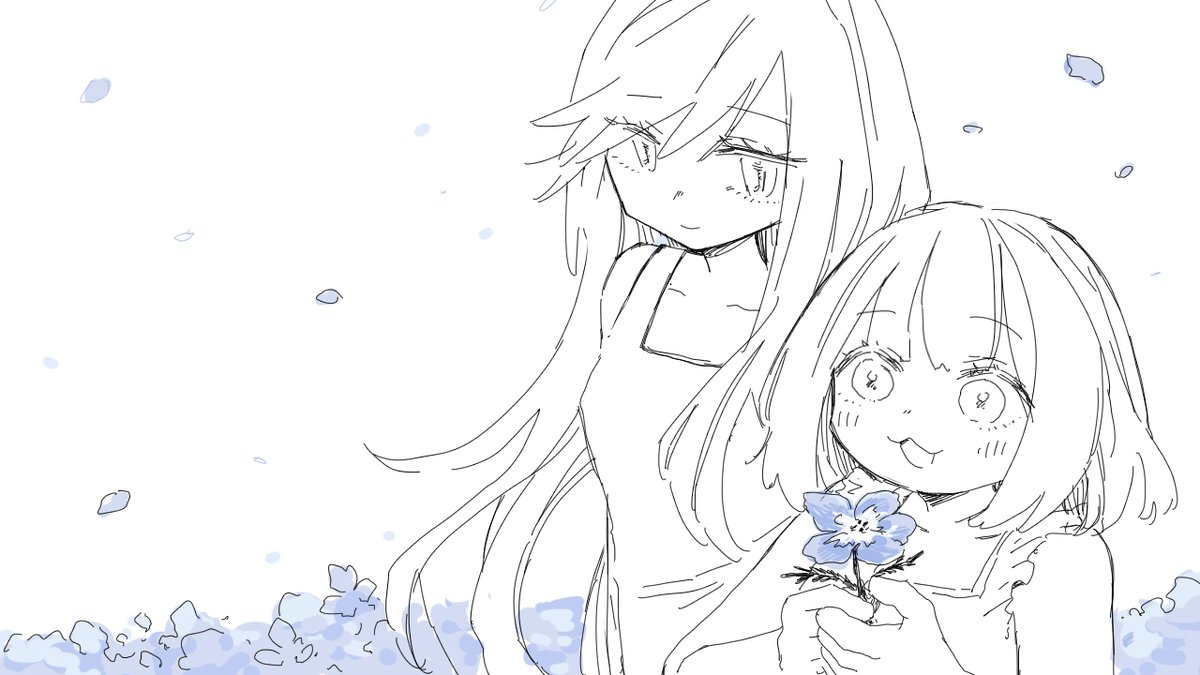
After reading the final chapter, we understand that the entire manga is a story centered on the bond between Mii-chan and Yamada. The majority of the series, which details Mii-chan's ordeals and experiences, is actually a memorial manga created by Yamada to fulfill a promise to the deceased Mii-chan—a story-within-a-story.
However, even so, the bulk of the work is dedicated to depicting "what happened to Mii-chan." Therefore, it is natural that "Mii-chan's suffering," which occupies most of the narrative, becomes the focal point for readers' evaluation of the work. Based on this, we have reached the aforementioned conclusions.
① Remarks on the YouTube Channel
On the official YouTube channel of Kodansha's "Young Magazine" editorial department, "YanMaga Daily Life ch," a segment introducing this work featured the following subtitles: "I want to see Mii-chan go through terrible things," "I want to see the dregs of this world," and "Mii-chan is a character that makes you want to see someone's downfall." The video was set to private on August 1.
The fact that the editorial department itself discussed the manga by focusing on Mii-chan's suffering—not Yamada's memorial—is the strongest evidence that the work is not perceived by society as "Yamada's tribute" but as "Mii-chan's tragedy."
In other words, the process of Mii-chan, a vulnerable individual, being exploited and spiraling into ruin is ultimately consumed as entertainment.
② The "Real Mii-chan" Acrylic Stand
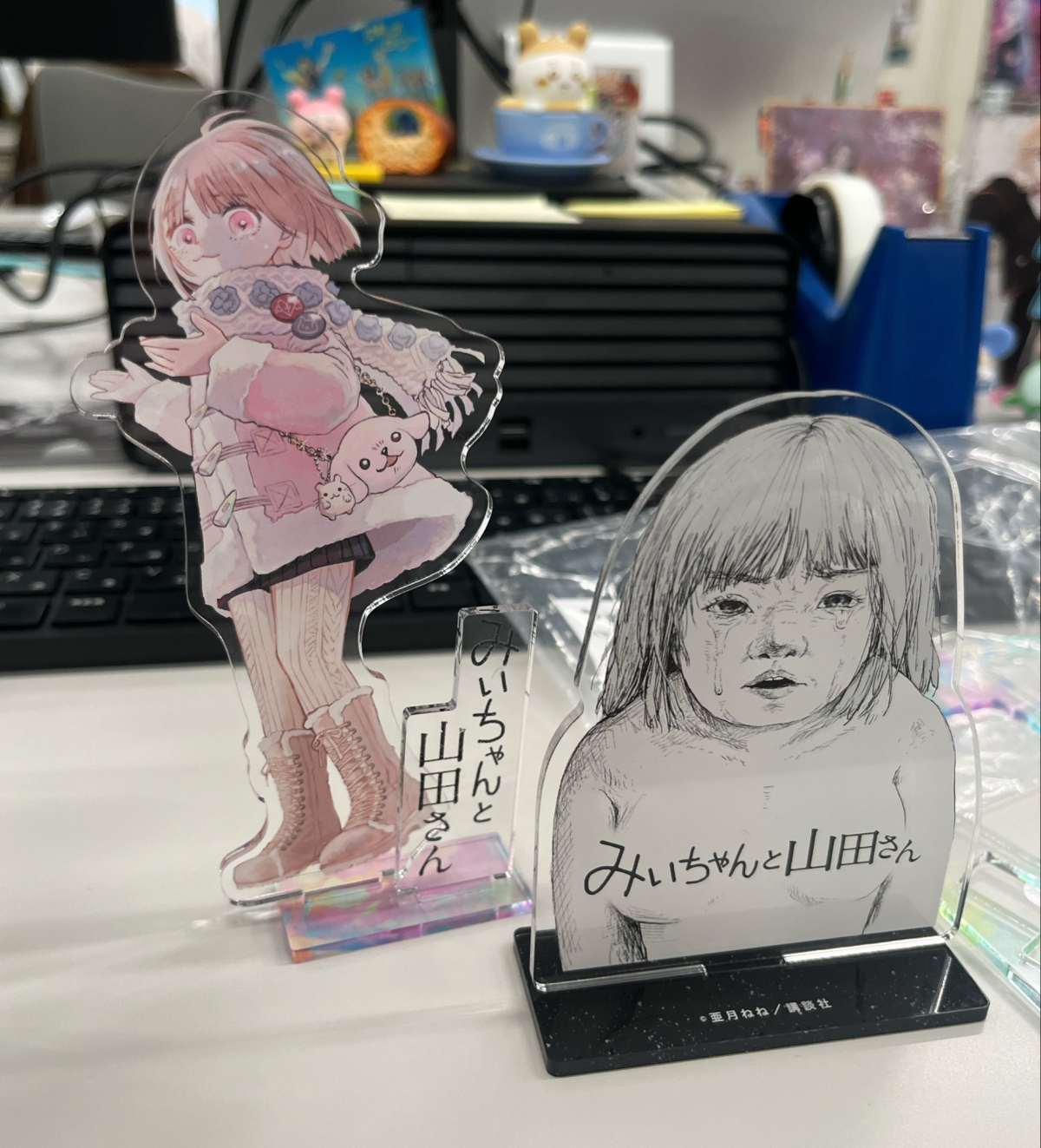
The publisher offered an acrylic stand of a crying, half-naked Mii-chan as a "rare prize" in a lottery. We cannot help but think that the publisher itself views this misfortune in terms of its commercial value. The depiction of Yamada, an aspiring manga artist, making an annual visit to Mii-chan's barely visited grave seems to symbolize the author's own desire to stand by and understand Mii-chan through the character of "Yamada, who couldn't save Mii-chan."
Nevertheless, despite this, the attitudes of the publisher and author have led to the work being interpreted as "turning the misfortune of the vulnerable into entertainment," causing discomfort for people with disabilities and their families.
5. On the Risks of Advance Web Publication
This manga was serialized first online. Therefore, the review, supervision, and risk-avoidance mechanisms that a publisher would traditionally accumulate and deploy in an organized fashion should have been in effect. This is especially true for a work that is reportedly the author's debut and deals with highly sensitive themes.
Is it not necessary for the publisher to establish a supervision and review system that is appropriate for the era of web publication?
6. Conclusion
In summary, regarding the anime adaptation of this work, we do not believe that "applying an age rating" or "avoiding a broadcast on terrestrial television" is a sufficient solution. We are deeply concerned that this manga is being adapted into an anime within the cultural environment created by those involved. From the standpoint of protecting persons with disabilities, we hope for greater understanding to prevent the mockery and insult of individuals with disabilities and their siblings or families.
At the same time, we ask that real-world hardships like poverty and disability not be used as material for pursuing commercial success (profit) or turning the misfortune of others into entertainment. We sincerely hope for greater understanding and support so that these real-world struggles can be connected with necessary support and assistance.
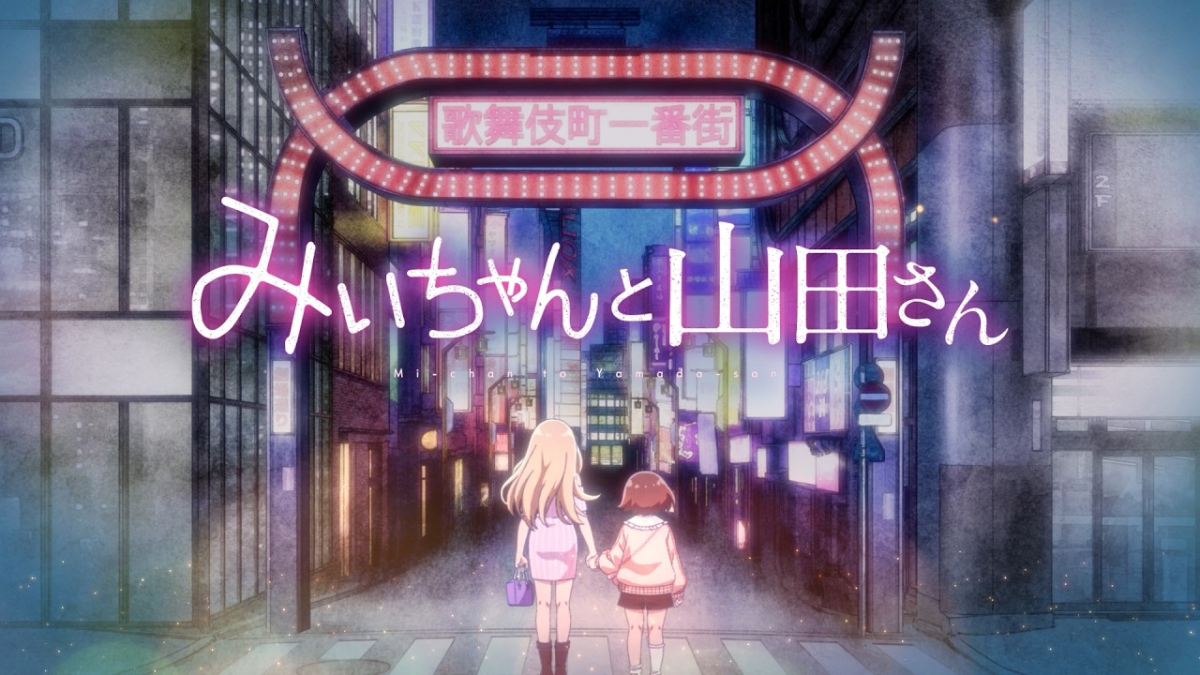
"Mii-chan & Yamada" has been praised by supporters as a work that depicts women who have fallen through the cracks of society and its welfare systems, surviving amidst loneliness, poverty, and exploitation. On the other hand, the portrayal of its characters and related issues has consistently drawn criticism for "potentially reinforcing societal prejudice and discrimination against people with intellectual and developmental disabilities."
With the announcement of the anime adaptation, the discussion has broadened from the content of the work itself to deeper questions: How should fictional works portray people with disabilities? And how are the characters and settings within these works understood, used, and even consumed by society in the real world? Although the anime was announced less than two months ago, it has already captured the attention of various sectors of Japanese society, and only time will tell how this situation will unfold.