

Tatsuki Fujimoto’s one-shot manga Look Back, best known alongside his hit series Chainsaw Man, previously inspired a critically acclaimed anime film. A live-action adaptation directed by acclaimed filmmaker Hirokazu Kore-eda was announced in December 2025, and the film opened in Japan on September 11, 2026.
On September 21, the official team unveiled four stills from the film’s animated sequence for the first time. It also released a conversation between Look Back creator Tatsuki Fujimoto and Yoko Kuno, who directed the rotoscoped sequence. Along with behind-the-scenes details about its production, the two revealed that their own relationship bears a surprising resemblance to the dynamic between Fujino and Kyomoto.
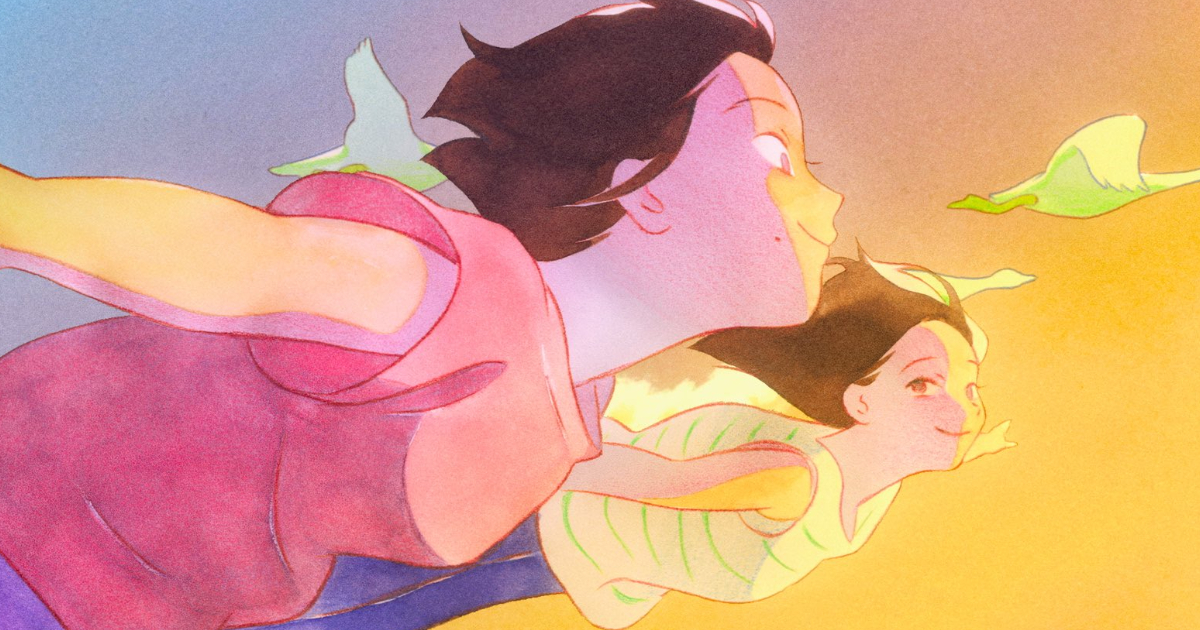
Several scenes in the film use rotoscoping, with artists redrawing footage originally shot with live-action performers. Yoko Kuno served as animation director, while Shin-Ei Animation, the studio behind projects including Ghost Cat Anzu, handled production.
The newly released stills feature Fujino and Kyomoto against sweeping views of the ocean, sky, and scenery passing beyond a car window. The team sought a visual middle ground between the live-action performers and Fujimoto’s distinctive art style, bringing each frame to life with the delicate textures of watercolor and colored pencil.
Discussing the animated sequence in a conversation with Fujimoto published in the film’s theatrical program, director Hirokazu Kore-eda explained the idea behind the scene: “For the final scene, when Fujino returns to her studio and picks up her pen again, I thought about what she would carry with her as she moved forward. I wanted it to feel hopeful: the memory of the two of them once talking about having their work animated returns, Kyomoto’s drawings begin to move, and Fujino starts putting her life back together.”
“I imagined sound emerging from the drawings, the images beginning to move, and the two of them bursting with life inside the artwork. That was the feeling I wanted.”
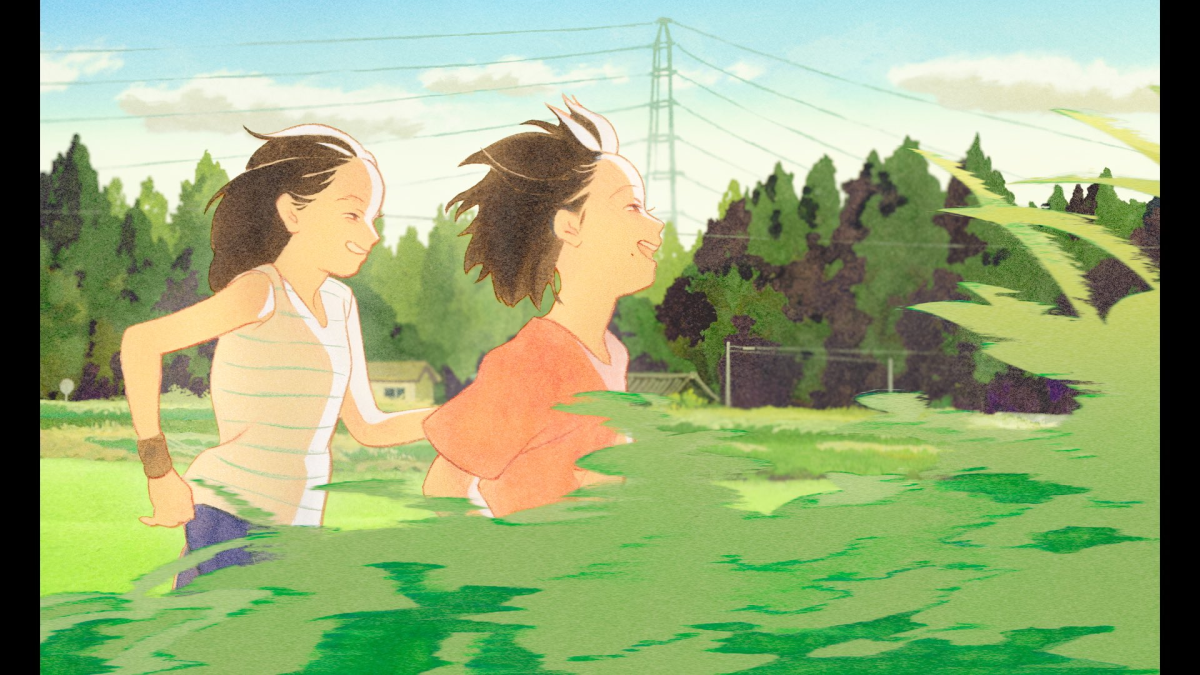
Fujimoto was deeply impressed by the finished sequence. “I was incredibly moved just watching that animated section, and I think audiences will probably find themselves in tears too. It’s a wonderful piece of filmmaking that communicates its emotions even without the surrounding story. The seaside scene also makes you wonder, ‘If Kyomoto had been able to work on Shark Kick, is that the kind of scene she would have wanted to draw?’
“Whenever scenery from my hometown appeared in the live-action footage, I felt strangely restless. Then the animation began, and all I could think was, ‘That’s Kuno’s artwork. This is incredible!’ So I still couldn’t completely lose myself in the film,” he laughed.
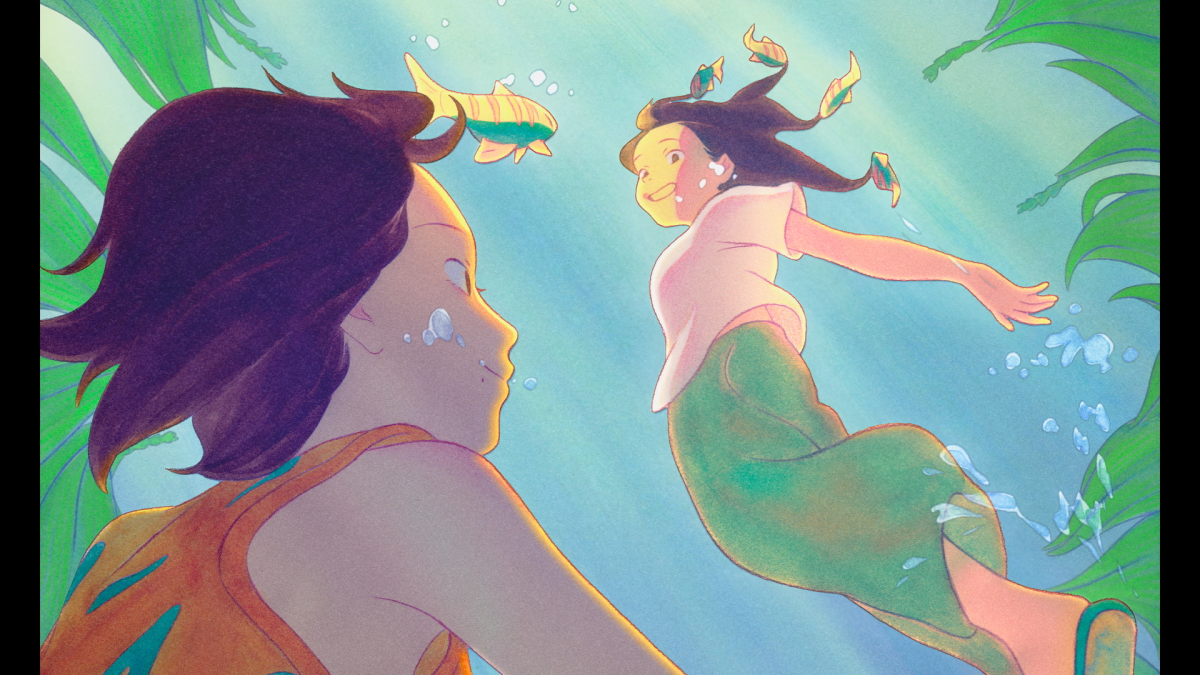
Kuno revealed that the team initially considered using digitally colored animation. Kore-eda, however, wanted to emphasize the subtle textures created by watercolor and colored pencils. “We tried to find a midpoint between the live-action performers and Fujimoto’s drawings. For example, we used colored pencils to recreate distinctive facial details from his artwork, including the slight puffiness beneath the characters’ eyes.”
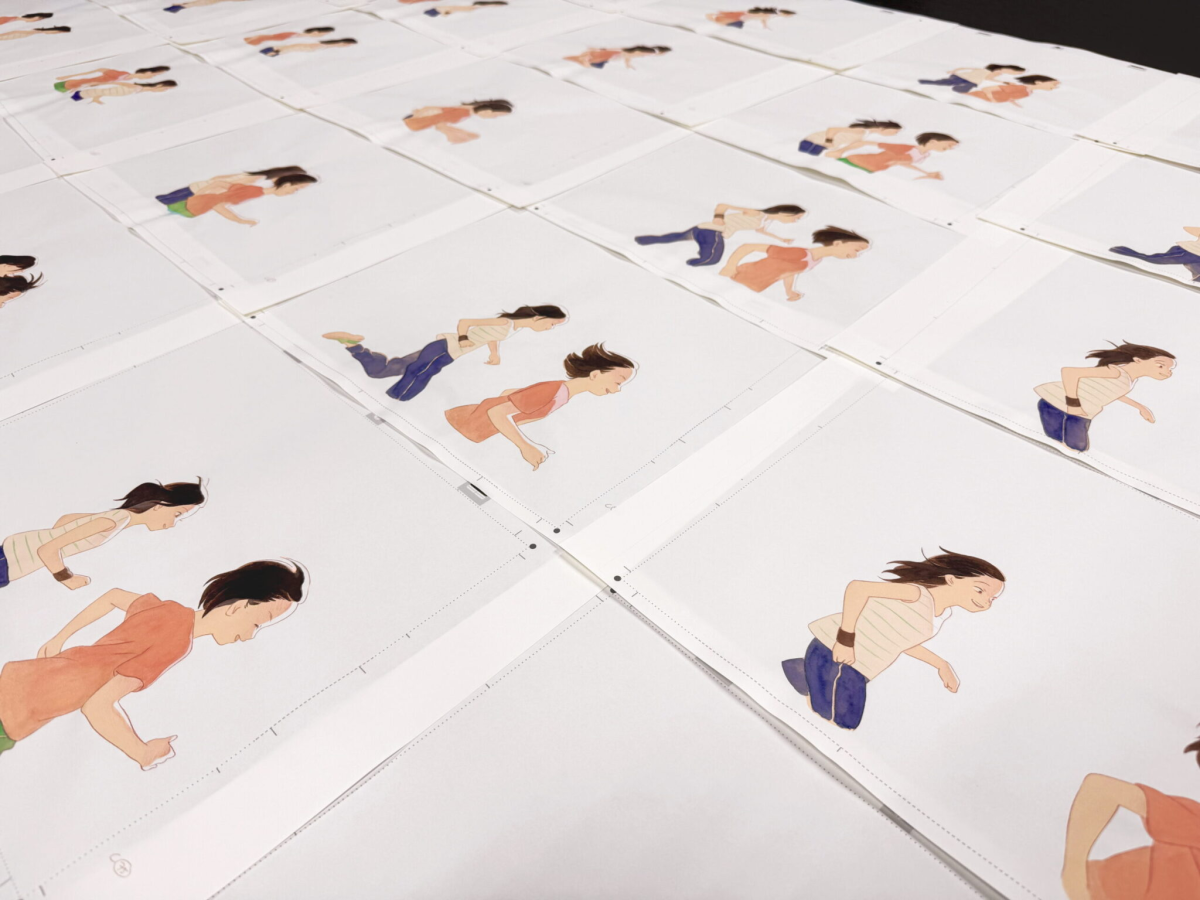
During production, digitally drawn line art was printed onto paper. A team of roughly 10 Shin-Ei Animation staff members then retraced the lines with colored pencils before adding paint. “It’s normally very difficult to color every single animation frame by hand,” Kuno explained. Because the relatively short sequence was given a generous production schedule, however, she said the team was able to “use time in an incredibly luxurious way.”
Their conversation also revealed an unexpected connection between the two creators. Kuno explained that after she officially joined the project, she suddenly received a direct message from Fujimoto himself on X.
Kuno recalled, “In a way, it felt like something straight out of Look Back. To me, Look Back was an elite-track story about aspiring manga artists, a world completely different from my own. Then a message from Tatsuki Fujimoto suddenly appeared on X, and for a moment, I felt like I had become Fujino. It was like the moment Fujino first meets Kyomoto and something ignites inside her. It was an incredibly special experience.”
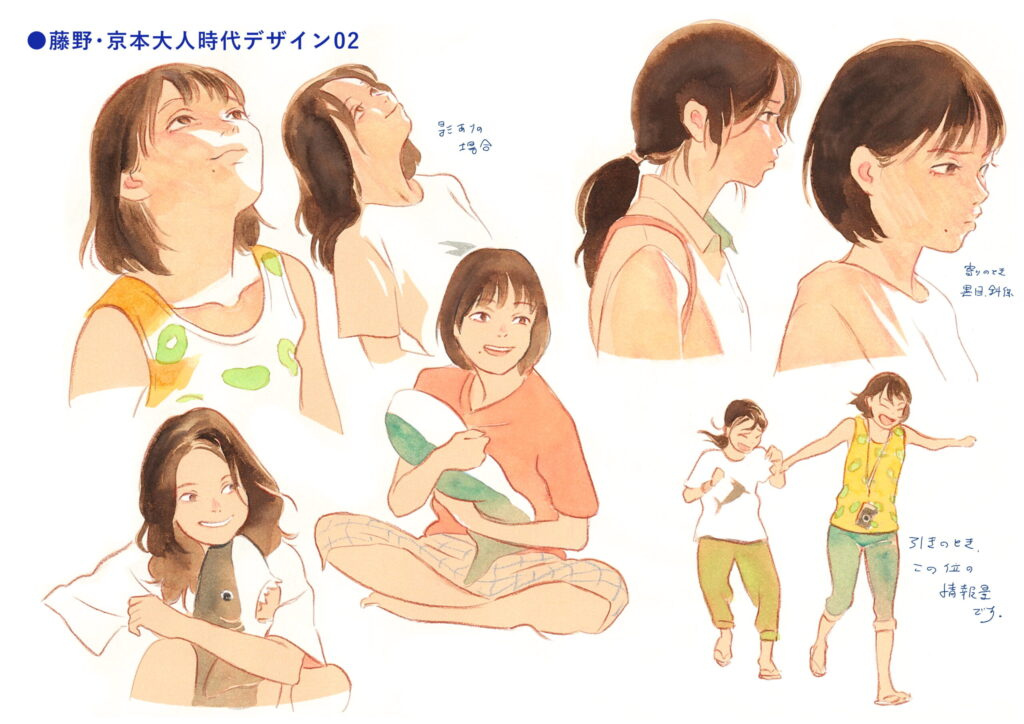
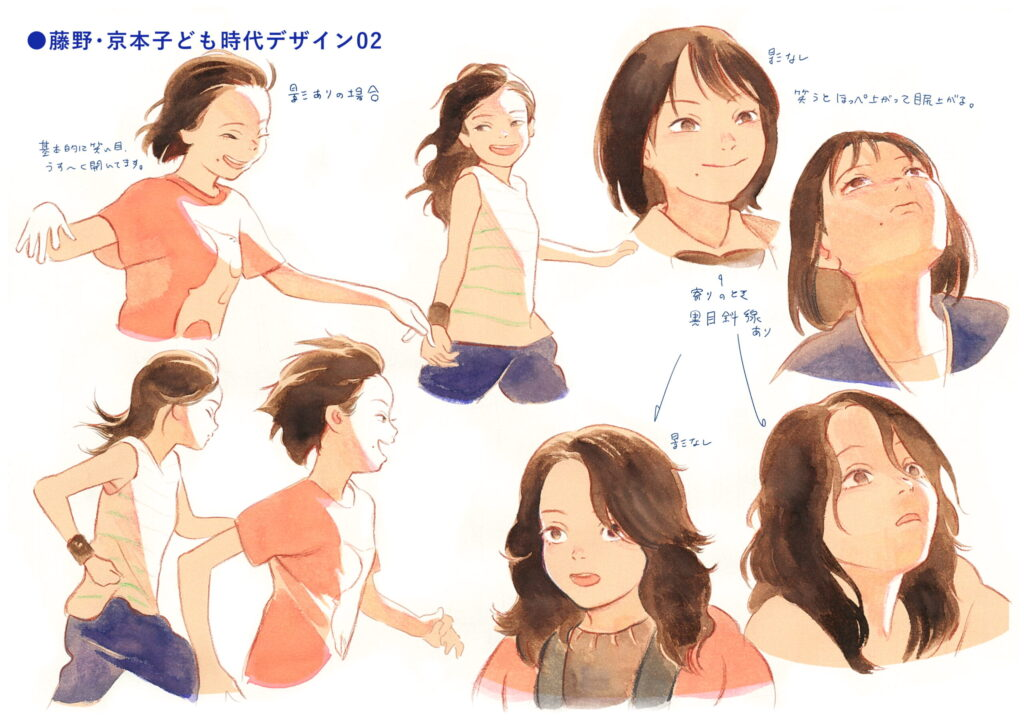
Fujimoto explained that he had followed Kuno’s work ever since seeing Airy Me, her graduation project at Tama Art University. The film completely floored him and ultimately helped convince him to pursue manga. He later watched Kuno’s Ghost Cat Anzu and her work on the Crayon Shin-chan anime series with admiration, even privately regarding her as a rival.
The thought alone filled him with excitement. He never imagined that his work would become a live-action film, much less that Yoko Kuno would be brought in to create its animated sequence. “At the same time, I wondered whether Kuno should really be spending her time working on one of my projects. So I sent her a message telling her how closely I’d been following her work. Looking back, it probably came across as a little creepy,” he laughed.
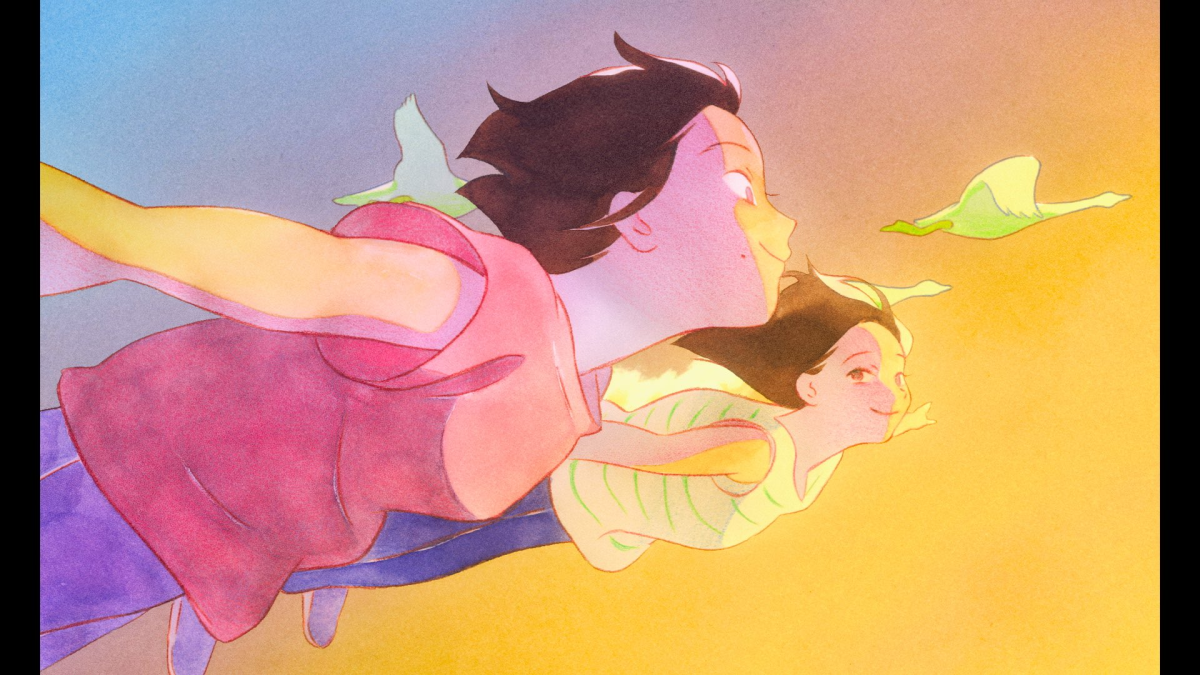
Kuno also shared her take on the characters in Fujimoto’s work. In her view, they possess a childlike quality that combines open, uncomplicated affection with the particular cruelty of children.
“Even when their love is completely direct, there can still be a mischievous or slightly mean streak to it. I think that exists alongside the cruelty unique to children. It’s a kind of brilliance only children possess. As adults, we gradually learn to smooth things over and make everything seem reasonable. I often sense that childlike quality when reading Fujimoto’s work.”
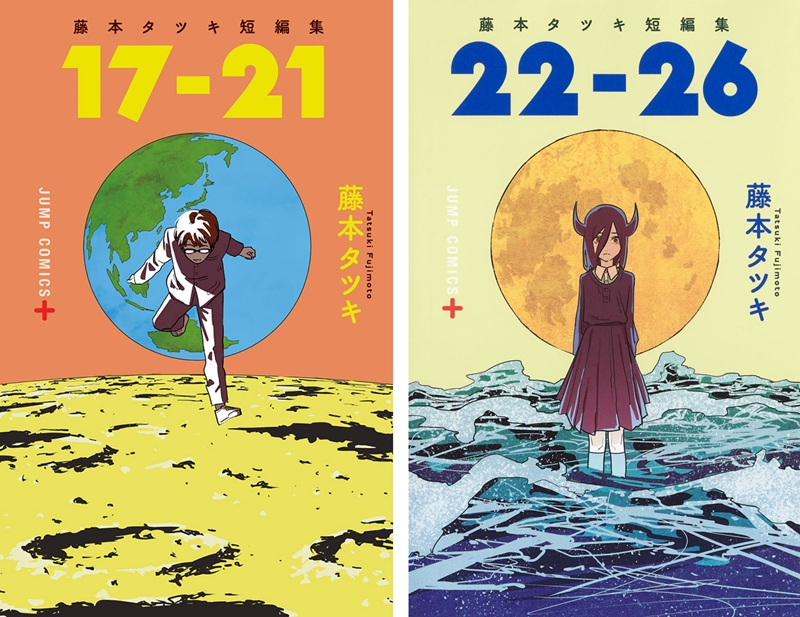
Fujimoto responded, “If someone is missing something or has some kind of flaw, I don’t think it necessarily needs to be corrected.” He added that the deliberately unfinished qualities he leaves in his characters may be part of what creates that sense of childlike honesty.
The full conversation between Tatsuki Fujimoto and Yoko Kuno is now available on the film’s official website.
via: X@実写映画『ルックバック』公式