

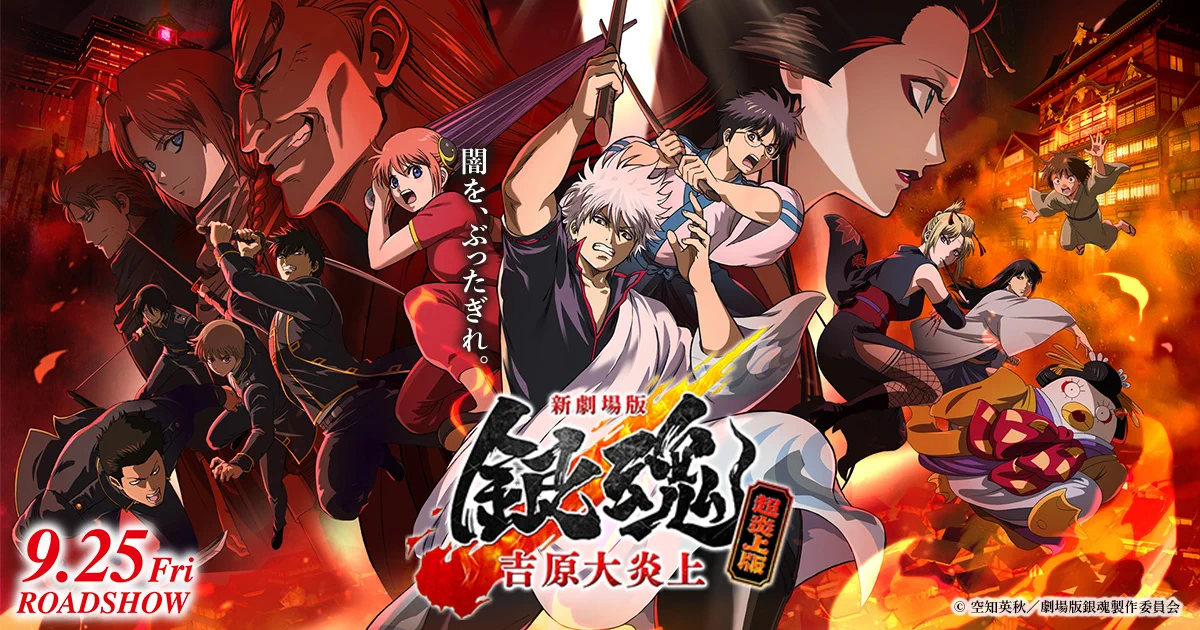
Created by cartoonist Hideaki Sorachi, the comedy favorite Gintama is celebrating the 20th anniversary of its Anime this year. The franchise also returned to theaters with the all-new Gintama the Movie 2026: Yoshiwara in Flames, earning plenty of praise from fans.
To mark the September 25 Japanese release of Gintama the Movie 2026: Yoshiwara in Flames: Super Blazing Edition, a special stage event was held the following day. Tomokazu Sugita, the voice of Gintoki Sakata; Daisuke Sakaguchi, the voice of Shinpachi Shimura; and Rie Kugimiya, the voice of Kagura, all appeared at the event. Original creator Hideaki Sorachi also sent in a surprise message, admitting that when the Gintama Anime was first announced, he assumed “it would probably bomb.” Somehow, 20 years later, it is still going strong.
Kohei Onishi, the manga’s original editor, also looked back on his first meeting with Sorachi:
“It was more than 20 years ago. Sorachi had submitted a manga to Weekly Shonen Jump, and I was assigned as his editor. He was living in Hokkaido at the time, so I kept telling him, ‘Come visit Tokyo’ and ‘Come to Tokyo so we can have a meeting.’ But he always replied, ‘Absolutely not.’ No matter what I said, he refused to come. Since he would not visit me, I had no choice but to travel to Hokkaido myself in February, right in the middle of a freezing winter and heavy snow. That was our first meeting. I still remember us getting a little fired up at the end, shaking hands and saying, ‘Let’s work hard and get a series into Jump!’”
The story drew plenty of laughs from the audience.
Asked how he felt between the launch of the Anime project and its eventual broadcast, Onishi recalled:
“We even told Sorachi, ‘An Anime adaptation is a pipe dream. This series is not that popular, and hardly anyone would watch it.’ It was only after I saw the finished Anime that it finally hit me: ‘Oh, this really did become an Anime.’”
That was when a surprise message from original creator Hideaki Sorachi was unveiled.
Sorachi wrote, “I can finally admit this now: honestly, I thought it would probably bomb. Recreating Gintama’s unique rhythm and atmosphere in Anime form seemed incredibly difficult, and even if they pulled it off, I did not think many people would understand that style. Still, I was already happy just knowing that people were willing to raise their hands and say, ‘I want to help make Gintama.’ If those people had fun producing the Anime, that alone was enough for me. I even thought it would be fine if the show ended quickly, so I never tried to interfere. I had only expected royalties from the manga. I never imagined the Anime would boost my royalty income that much. Thank you, everyone.”
The message was met with loud applause and laughter.
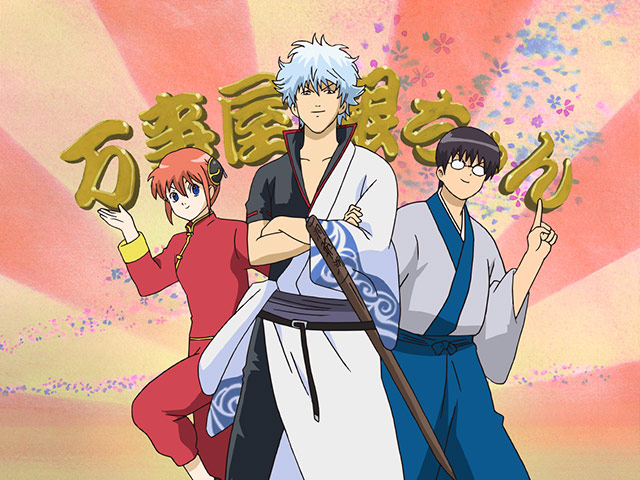
Looking back on the audition and recording process, Daisuke Sakaguchi & Rie Kugimiya also shared a particularly memorable detail: everyone who auditioned back then apparently mispronounced Gintoki Sakata’s name.
Tomokazu Sugita recalled, “I was unbelievably nervous that day, so I honestly do not remember much of what happened. Looking back, someone else from my agency was going to audition, and they asked me, ‘Sugita, do you want to give it a try while you are here?’ I am so glad I said yes. Even now, I still think agreeing to that audition was one of the best decisions I ever made.”
Right after Sugita finished his story, another surprise message from Hideaki Sorachi appeared. Discussing the voice auditions, Sorachi revealed:
“I chose Shinpachi and Kagura the moment I heard their voices. Gintoki was much harder. During Sugita’s audition, there was a moment when his voice suddenly cracked into a higher pitch. It reminded me of Toshihiko Seki’s performance as Kosaku Matsuda in YAWARA! I liked that quality, so I recommended him. I am a big fan of Seki, after all.” The previously untold casting story left both the guests and the audience laughing in surprise.
More than two decades have passed since Gintama began serialization and made the leap to Anime, yet its popularity remains remarkably strong. Even Sorachi expected the adaptation to flop, only for the series to survive long enough to get yet another theatrical release—and apparently deliver a very welcome boost in royalties. Talk about a plot twist.