

Japan’s anime industry is enjoying an unprecedented boom, fueled in large part by its expanding global market. Step inside an animation studio, however, and another reality quickly becomes clear: foreign-born staff members are hardly a rarity in the credits. From voice acting to key animation, people inspired by Japanese anime have crossed oceans to help keep the industry running.
But tighter policies surrounding Japan’s permanent residency system have left many foreign professionals worried about their future. Japanese outlet ITmedia spoke with Jenya, a voice actor who has lived in Japan for more than 20 years and is known for voicing Klara in "Girls und Panzer" and Zoya in "Akiba Maid War." She discussed her desire to support Japanese anime and the unresolved problems in Japan’s immigration policies.
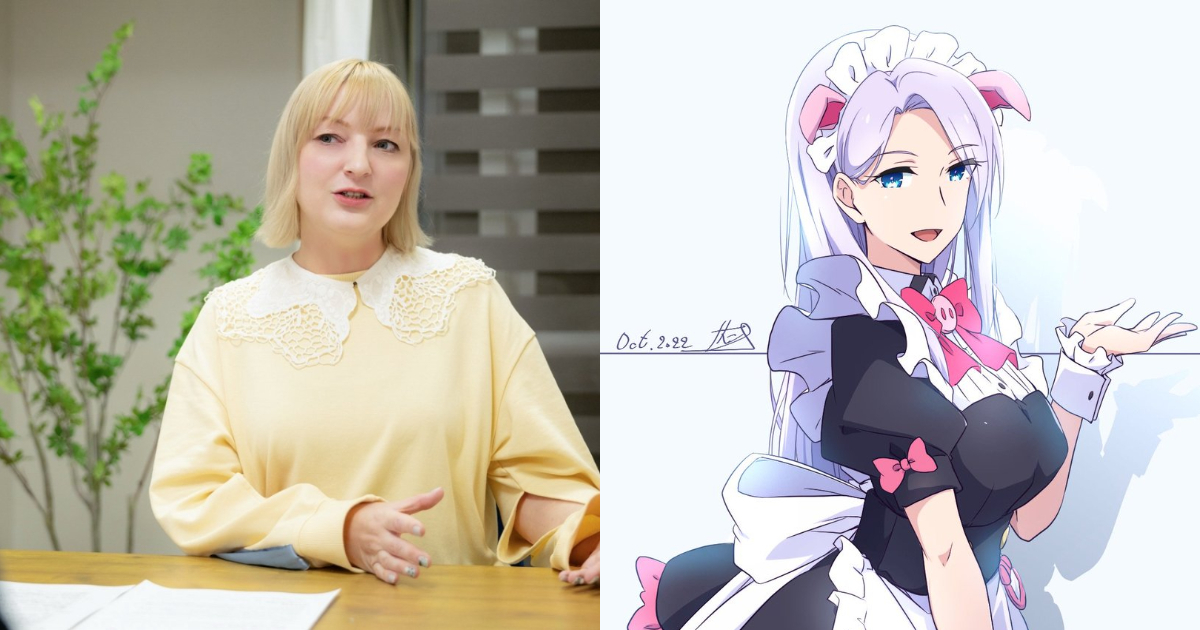
Jenya first discovered anime at age 16 while living in Novosibirsk, Russia. She says seeing "Sailor Moon" on television made an enormous impression on her.
“I was drawn to the sound of Japanese. The first Japanese word I learned was ‘Usagi,’” she recalled. In the Russian voice-over version, the protagonist was called “Bunny,” but Jenya could faintly hear something resembling “Usagi” in the original Japanese audio. That single word opened the door to a much deeper fascination with Japan.
Around 1998, she launched a website where she shared her thoughts on anime and began singing Japanese songs in their original language, rarely translating them into Russian first. Singing directly in Japanese helped her attract considerable attention in Japan. Back when fans mainly traded audio files online, her website became a topic of conversation on Japan’s 2channel message board and drew the attention of Japanese internet users.
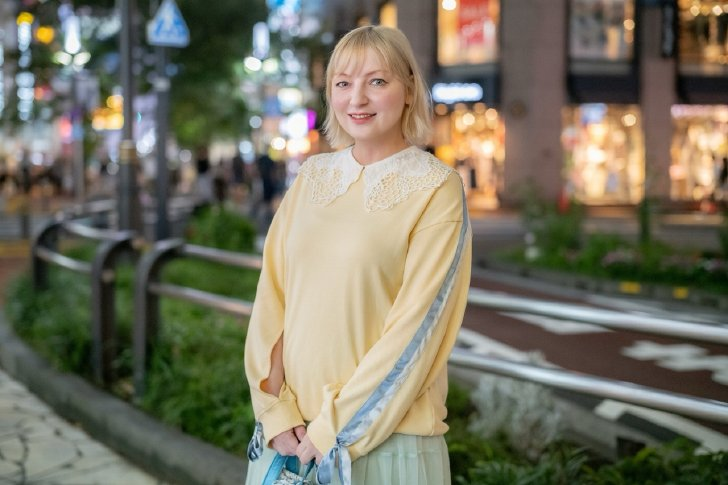
In 2002, support from Japanese fans who had followed her online activities helped her visit Japan for the first time. Determined to become a voice actor, she moved to Tokyo in 2005. The path ahead was anything but easy. Fan support only carried her through the early stages, and making ends meet soon became a serious struggle. She worked at a maid café in Akihabara and taught Russian while waiting for voice-acting opportunities that seemed reluctant to arrive.
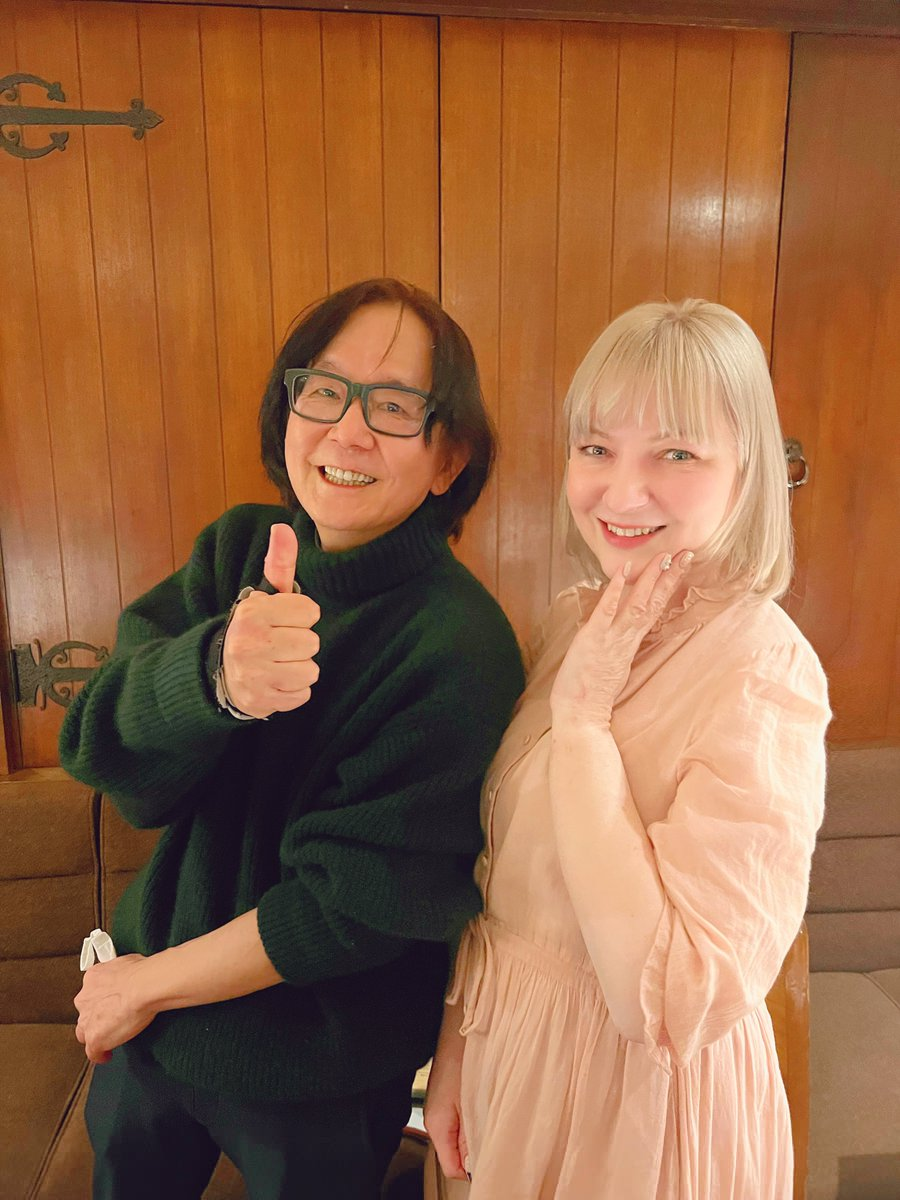
The path ahead was anything but easy. Fan support only carried her through the early stages, and making ends meet soon became a serious struggle. She worked at a maid café in Akihabara and taught Russian while waiting for voice-acting opportunities that seemed reluctant to arrive.
Her first real breakthrough came through an acquaintance who invited her to assist with Russian translation for Black Lagoon. She also attended recording sessions for other episodes as an observer, gaining firsthand experience of professional voice acting. In 2009, she made her official voice-acting debut in "Evangelion: 2.0 You Can (Not) Advance." More roles followed, including Russian exchange student Klara in "Girls und Panzer der Film" from 2015 onward.

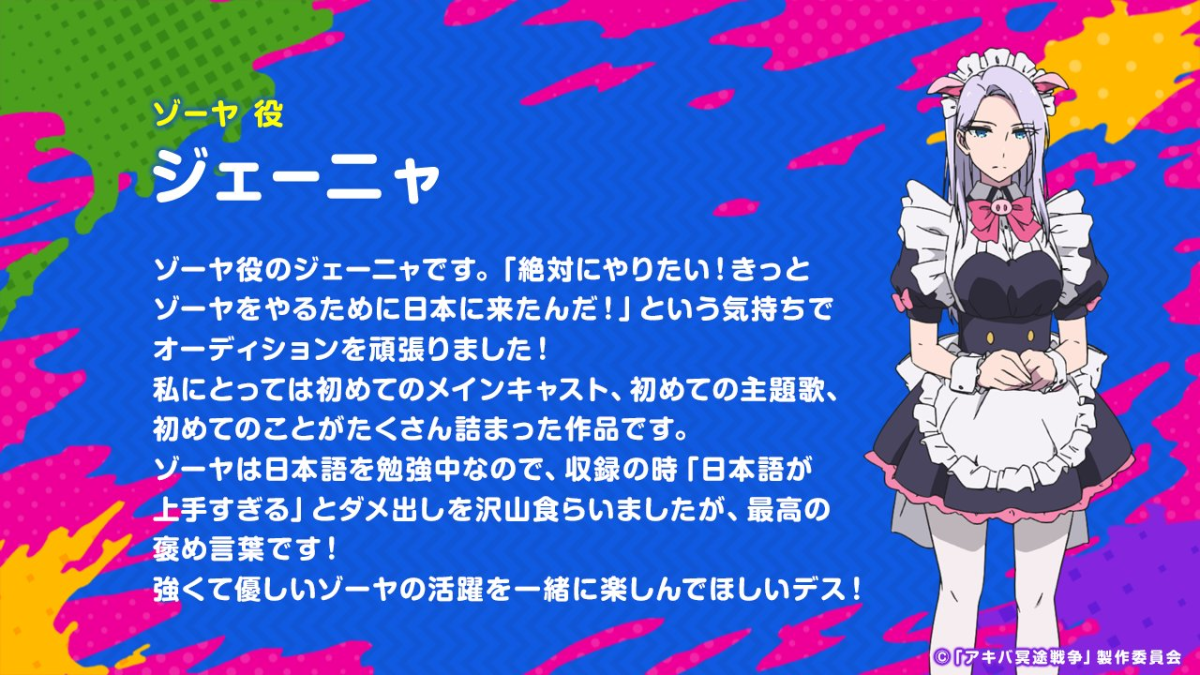
Another major turning point came with 2022’s "Akiba Maid War." Jenya landed her first main role as Zoya, a Russian maid who joins the Akihabara maid café Ton Tokoton. A former underground fighter, Zoya trades the ring for the maid life. The role also gave Jenya her first opportunity to perform a theme song.
Japan offers several routes to permanent residency, depending on an applicant’s status of residence and individual circumstances. The application fee for permanent residency was previously standardized across every route, but it has recently begun to rise. Fees for the separate procedures of changing a status of residence and renewing a period of stay are also being increased.
Those two fees were raised uniformly from 4,000 yen to 6,000 yen in April 2025. Effective October 2026, however, they are set to move to a tiered system ranging from 10,000 to 75,000 yen, depending on the approved length of stay. In August 2026, Japan’s Ministry of Justice also proposed further tightening the eligibility requirements for permanent residency.
Revisions made to the Immigration Control and Refugee Recognition Act in 2024 also introduced provisions allowing permanent resident status to be revoked in cases involving deliberate nonpayment of taxes or social insurance premiums, as well as certain serious crimes. The measures are scheduled to take effect in April 2027.
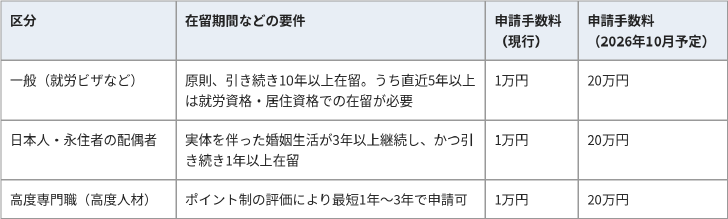
Addressing the issue that first prompted the interview, the debate over permanent residency, Jenya explained how she views the current system. As someone married to a Japanese citizen and raising a child in Japan, the subject is anything but remote for her.
Her greatest concern is not the possibility of permanent resident status being revoked in itself. Rather, it is the speed and frequency with which higher fees and stricter eligibility requirements have been introduced. Naturalization and Japanese citizenship remain an option, but Jenya has chosen to retain her Russian citizenship.
That decision has made the vulnerability of depending on a spouse visa feel especially immediate.

Jenya also noted that Japan has virtually no visa category designed specifically for the professional occupation of voice acting. In practice, many foreign voice actors must rely on spouse visas or obtain residency through modeling and talent agencies. “Only a tiny number of voice actors can earn a stable living from anime. Even so, many people still want to contribute to Japanese animation. I hope a system can be created that allows them to continue working with greater security.” Financial pressures are another major part of the problem.
“Anime as a content industry is not a field where simply appearing in a production earns you a large amount of money.” Jenya explained that voice actors often need additional income from streaming-related work and live events to make the numbers work. She also offered a candid critique of the industry’s structure: “Anime should not be treated as a promotional video for voice actors. Yet streaming revenue primarily goes back to production committees and original creators, while voice actors often struggle to receive a corresponding share.”
She also highlighted a structural problem with Japan’s pension system for foreign residents. Those who move to Japan later in life have fewer years in which to contribute, affecting how much they can eventually receive. Her most forceful words captured the emotional cost of the policy changes: “Watching fees rise and requirements become stricter one after another can be painful. Sometimes it feels as though you are being rejected simply because you are a foreigner. It leaves you feeling like they are saying, ‘You are not welcome here.’”
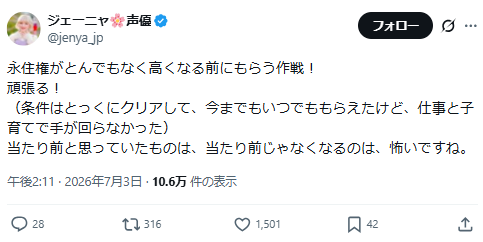
Several countries treat the recruitment of creative professionals as a national strategy and offer dedicated visa programs. By comparison, Japan’s permanent residency system remains an extension of its general immigration framework, with no preferential system specifically designed for creative talent. With fee increases and stricter requirements taking priority, the country appears to be moving in the opposite direction from policies intended to attract international creators.
Foreign talent has become increasingly involved in both animation and voice acting in recent years. As the anime industry continues to expand, finding ways to attract and retain the people who support it is becoming an increasingly serious challenge.
via: ITmedia X@ジェーニャ (声優)