

On October 23, 2026, Japan's Ministry of Education, Culture, Sports, Science and Technology announced the recipients of the 2026 Order of Culture, with Nintendo director Shigeru Miyamoto among those selected for the honor.
The Order of Culture recognizes individuals who have made “exceptionally distinguished contributions to the development of culture.” Past recipients include Japanese painting master Taikan Yokoyama, Nobel Prize-winning physicist Hideki Yukawa, and baseball legend Sadaharu Oh, making it one of Japan's most prestigious honors. One day before the official announcement, Miyamoto held a press conference at Nintendo's headquarters, where he expressed his gratitude for becoming the first person from the game industry to receive the honor.
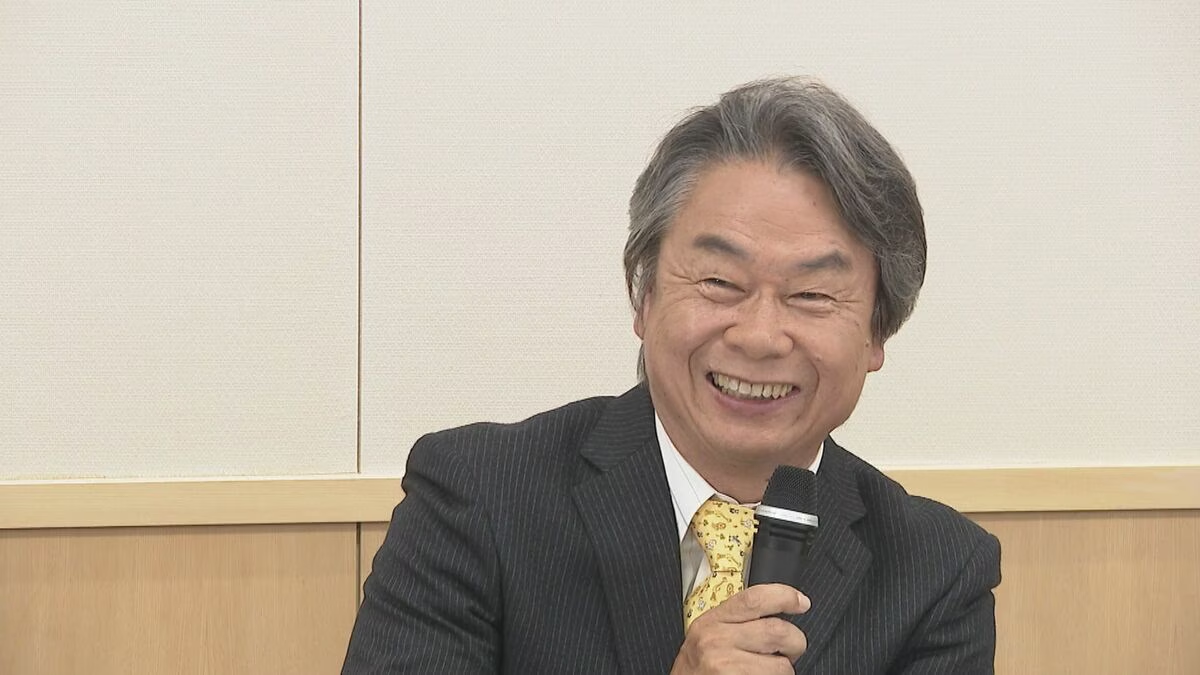
Miyamoto opened the press conference with a smile, admitting that he felt “a little embarrassed.” Reflecting on the Order of Culture, he said, “Games are not created by one person. They are the result of many people working together. I will accept this honor with the feeling that I am representing everyone who helped make them.”
I first became involved with games as a medium 50 years ago. At the time, we did not even know whether games could really be considered a distinct medium, but I was fortunate enough to keep working in the field. I believe I have been given this recognition because I was there during the earliest days of the game industry. Looking back, I feel that I have been incredibly fortunate throughout my life.
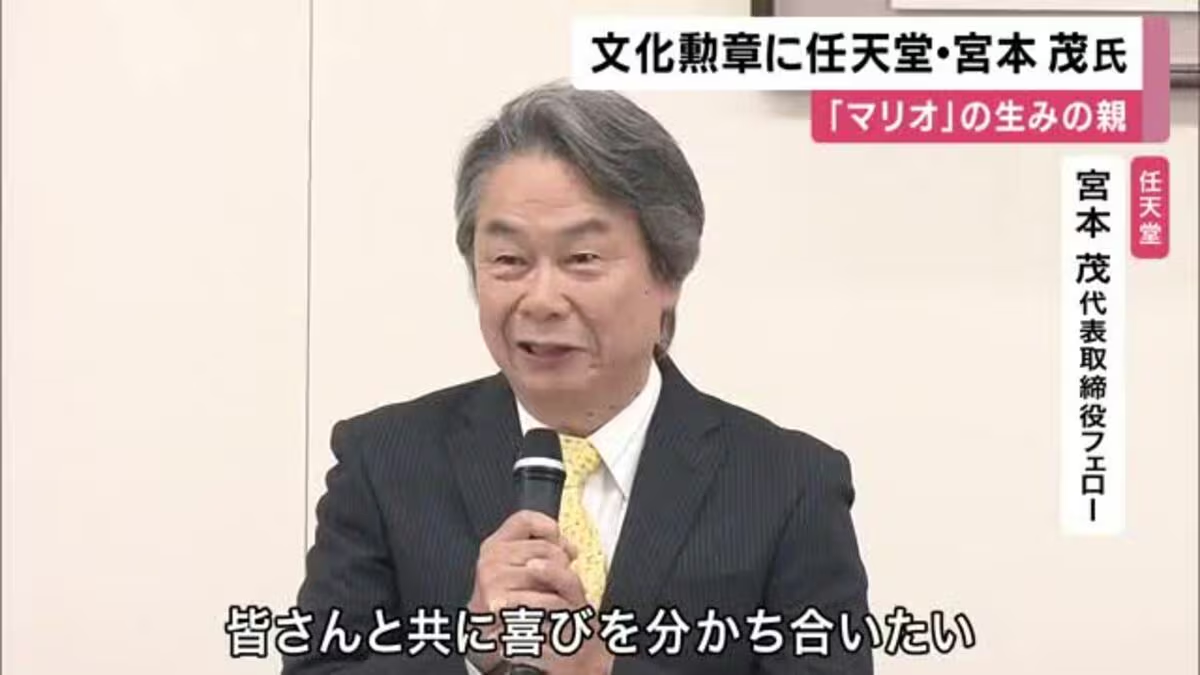
Miyamoto also answered a wide range of questions from reporters. Since joining Nintendo in 1977, he has spent nearly 50 years developing games. Discussing how deeply games have become embedded in society, he said, “When we say games have become part of our culture, I think it means they have simply become an ordinary part of life.”
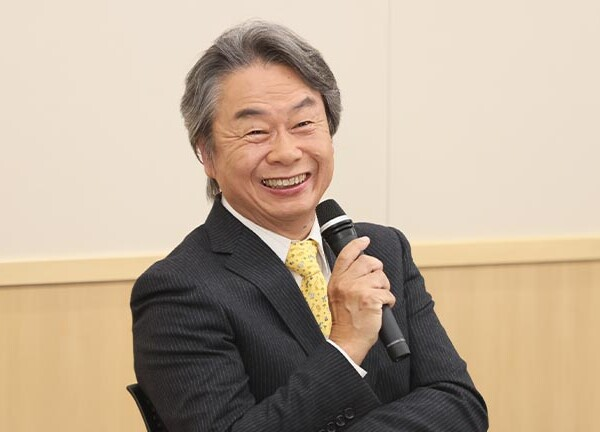
Asked about the biggest challenges and turning points in his career, Miyamoto admitted that the transition from the Nintendo GameCube to the Wii was an especially difficult period.
As players gained more experience, games continued to evolve. Consoles became more powerful, while players' skill levels kept rising. Back then, you would occasionally hear students at school asking each other things like, “Hey, are you someone who plays games?” Miyamoto felt that an invisible barrier had formed between people who played games and those who did not.
But that was not the ideal. The goal was to make games a natural part of everyday life, something anyone could pick up at any time. Yet while considering how to make that happen, we realized that features designed to make games more entertaining could also become complicated and intimidating to first-time players.
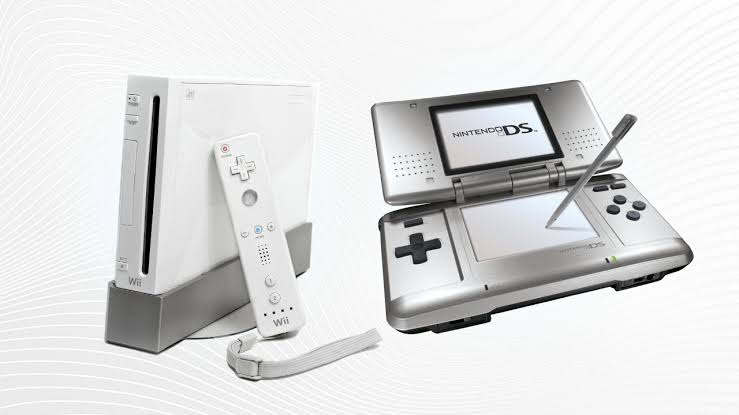
That is why, with the Wii and Nintendo DS, we tried simplifying the controls and making them more intuitive and approachable. Over time, generations of players began to overlap, and gaming gradually became part of everyday life. I also believe the rapid growth of smartphones and mobile devices played a major role in that shift.
Miyamoto also recalled how he once stubbornly declared, “I don't make movies.” Movies require stories, and creating a story means deciding everything from a character's personality to their family background. However, we originally created these characters for games, without knowing what kinds of games we might develop in the future. I believed that defining every detail in advance would restrict our creative freedom when making games. That was why he had always insisted, “These characters were created for games, so they can only be used in games.”
But after decades of making games, Nintendo characters such as Mario, Zelda, and Kirby gradually became beloved by fans. Miyamoto began to realize that even people who did not play games could become Nintendo fans simply because they loved the characters. That realization inspired him to take a more active interest in making movies.
Eventually, the thinking became, “If we're going to do it, we should make it ourselves.” That led Nintendo into film production. The company has also partnered with Universal Studios to create theme-park attractions, opening up more opportunities for its game characters to reach wider audiences. Miyamoto added a message for fans: “Thank you for all your support over the years. I hope you'll continue looking forward to what we create next.”
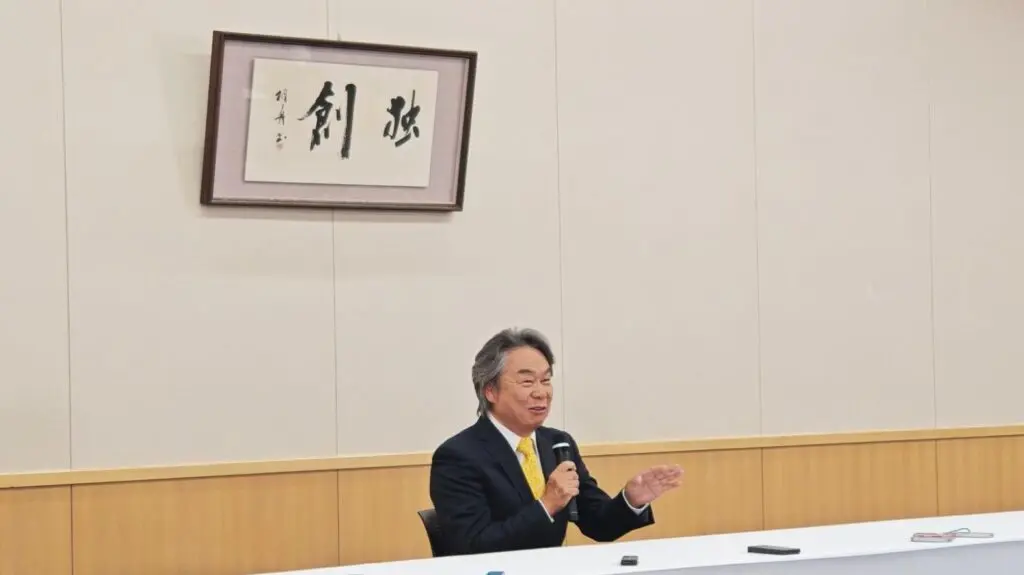
Miyamoto also offered some advice to younger creators: “I have always told young people not to begin creating something just because they are devoted fans of a particular game and think, ‘This game is fun, but wouldn't it be even better if I changed this?’”
Finally, Miyamoto reflected on what the honor meant to him, saying he was deeply grateful that people were willing to recognize that “games should also be considered a form of culture.” Looking ahead, he hopes to continue creating things that remain at the heart of the living room and stay with people throughout their daily lives.
via: 電ファミニコゲーマー