

News broke on the 27th that legendary Japanese manga artist Tetsuya Chiba, whose pen name was written as ちばてつや, had died at the age of 87, sending shockwaves through the manga world. Fans and publishers mourned the master, while many younger manga artists shared stories about the profound impact he had on their lives and careers.
Among them was George Morikawa, creator of the hit boxing manga The Fighting! On X, Morikawa recalled the question he had wanted to ask Chiba after several of his early serializations were canceled: “What does it feel like to be good at making manga?” The Asahi Shimbun also published an interview in which Morikawa discussed Chiba’s influence and expressed his gratitude for everything his mentor had done.
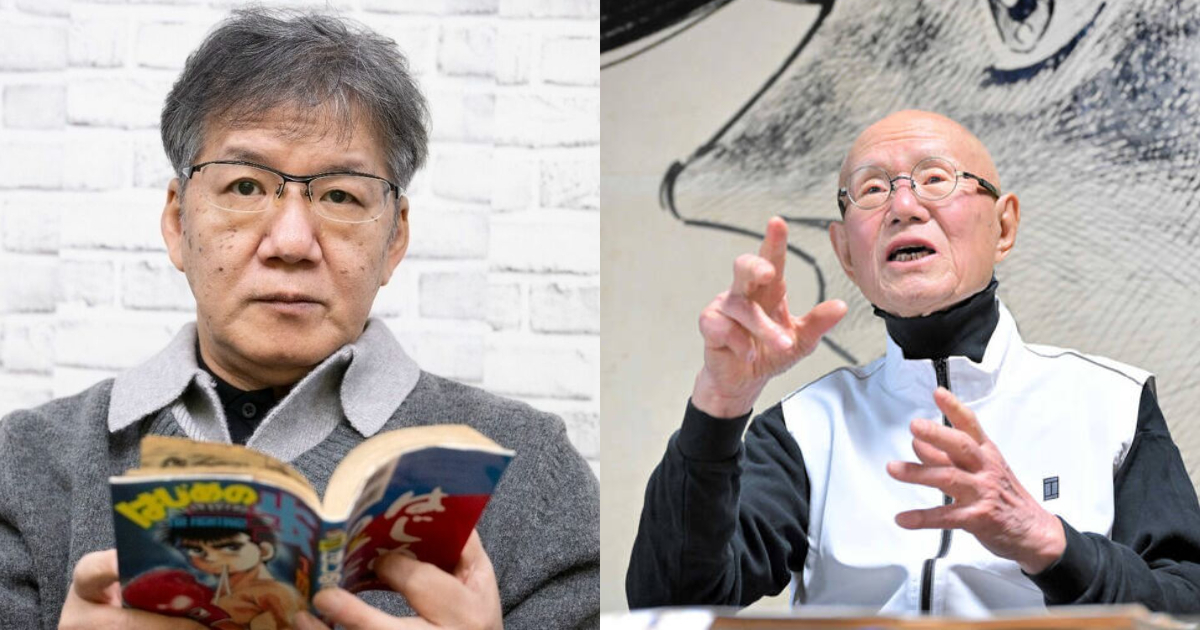
In his interview with The Asahi Shimbun, Morikawa said that reading Chiba’s work as a child was what first inspired him to become a manga artist.
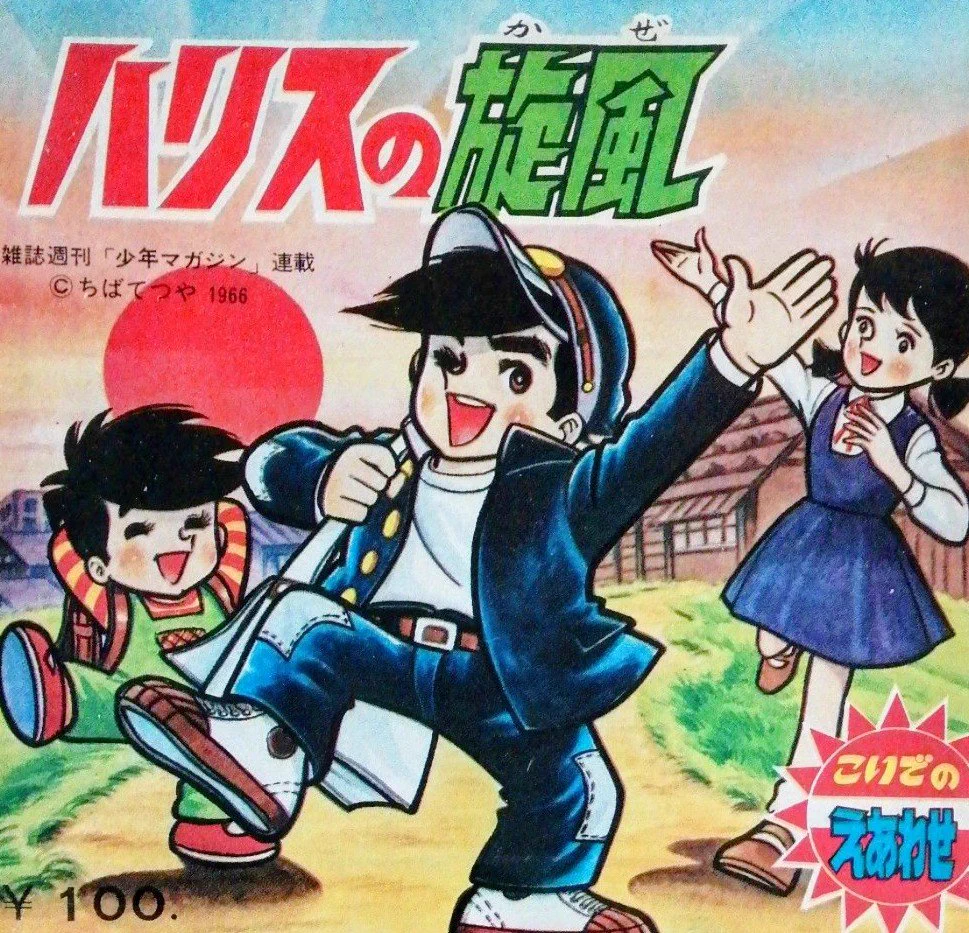
When he was around two or three years old, Morikawa watched an anime adaptation of Chiba’s manga Harris no Kaze. For some reason, the mischievous young protagonist Kunimatsu reminded Morikawa of himself. As he watched, he thought, “I want to be someone like Kunimatsu.” He was so young that he did not even realize the characters were fictional, believing they were real people living somewhere in the world.
At around five years old, Morikawa spotted a copy of Harris no Kaze at a barbershop. The discovery came as a genuine shock. “What? Kunimatsu isn’t actually real?” Even so, he remained completely absorbed in the manga. On the spine, he saw the name ちばてつや. Because it was written in hiragana, he could read it even at that age. “All right! If I can’t become Kunimatsu, I’ll become the person who created him!” From that moment on, Morikawa never considered pursuing any career other than manga.
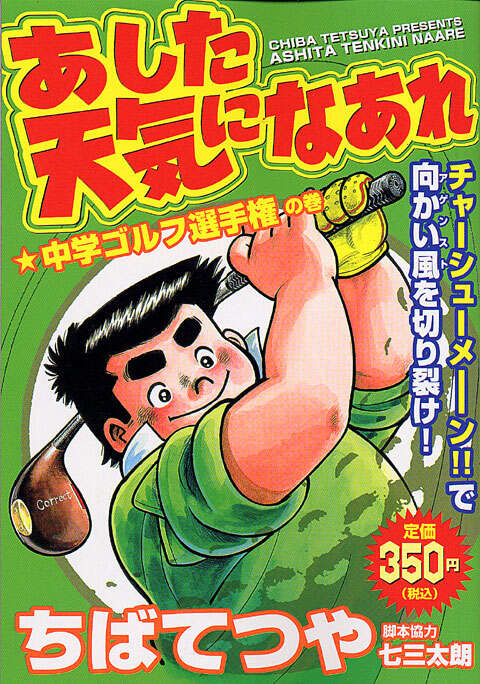
When Morikawa was in high school, Chiba’s golf manga Ashita Tenki ni Naare became a nationwide phenomenon. On train platforms, office workers could be seen swinging umbrellas like golf clubs while imitating the protagonist’s cry of “Cha—shu—men!”
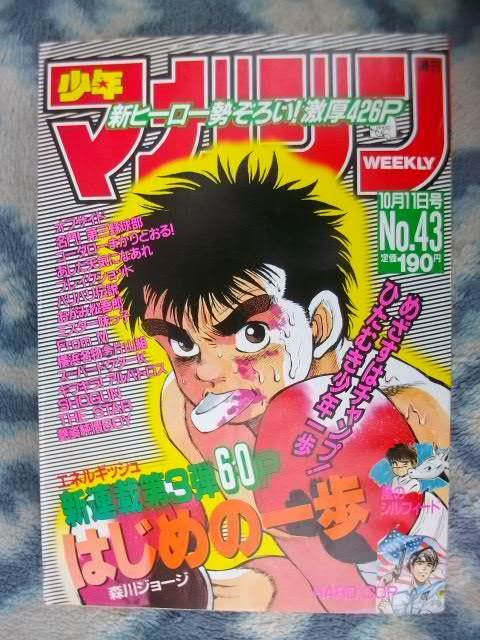
For Morikawa personally—and for Japanese society as a whole—Chiba was a figure of enormous influence. Even after becoming a manga artist, Morikawa had no intention of drawing a boxing manga. He loved boxing, but he could not summon the courage to create something that would inevitably be compared with Ashita no Joe.
After his professional debut, however, Morikawa saw several serializations canceled in succession. With his career on the brink, his editor suggested that he try making a boxing manga. “If your next series might be your last chance, you may as well draw the subject you love most.” And that was how The Fighting! began serialization.
Morikawa also said that one of Chiba’s greatest talents was how nearly all of his protagonists were, frankly, pretty awful people.
Joe Yabuki commits several crimes in Ashita no Joe. Kunimatsu from Harris no Kaze, Matsutaro from Notari Matsutaro, and Teppei from Ore wa Teppei are hardly easygoing characters either. If they existed in real life, most people would probably find them difficult and go out of their way to avoid them. Yet somehow, readers cannot help but love them.
What was it about Chiba’s storytelling that made them so compelling? Every one of his protagonists bursts with energy. No matter how many hardships stand in their way, they charge straight through them with sheer momentum, shouting, “Is that all you’ve got?”
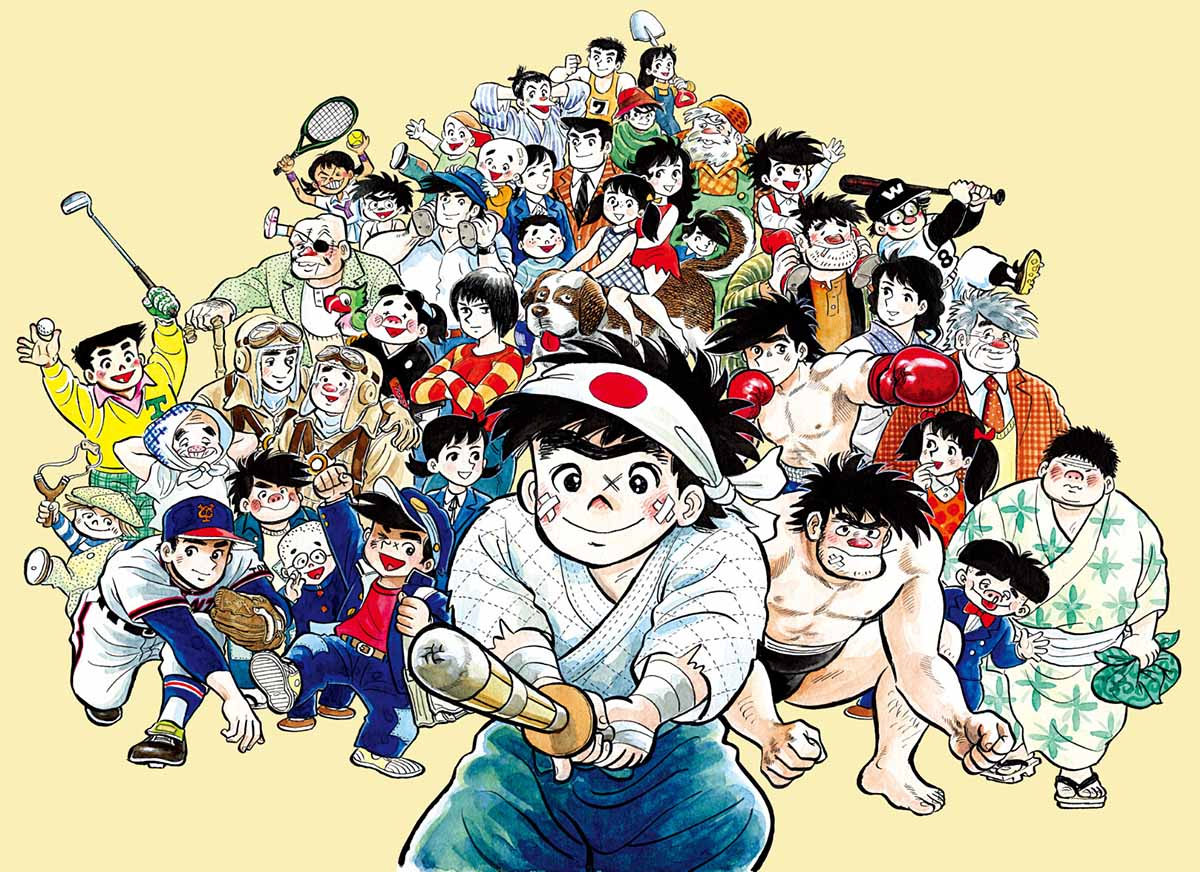
Morikawa also recalled meeting Tetsuya Chiba for the first time when he was 21. A group of manga artists had gathered for an amateur baseball game, and Chiba happened to be playing first base for the opposing team. Desperate for a chance to get close to him, Morikawa deliberately stopped at first despite hitting the ball over the left fielder. He still vividly remembers how nervous he felt when Chiba called out from behind him, “Nice hit!” Everyone says Chiba was a kind man, and he truly was.
But when it came to making manga, he was probably as demanding as anyone could possibly be. Morikawa once had dinner with Chiba after completing the scene in The Fighting! where Ippo loses in rough form. “Ippo is going to lose next,” Morikawa told him. Chiba replied, “That hasn’t been decided yet, has it?” Morikawa said, “No, I’ve already drawn the rough pages.” Chiba responded, “But you haven’t inked them yet, right? And you haven’t handed them to your editor. If that’s the case, then nothing has been decided.”
The words sent a chill down Morikawa’s spine. He realized that Chiba continued thinking, reconsidering, and refining his stories until the very last possible moment. It perfectly reflected his personal motto: “Manga is perseverance.”
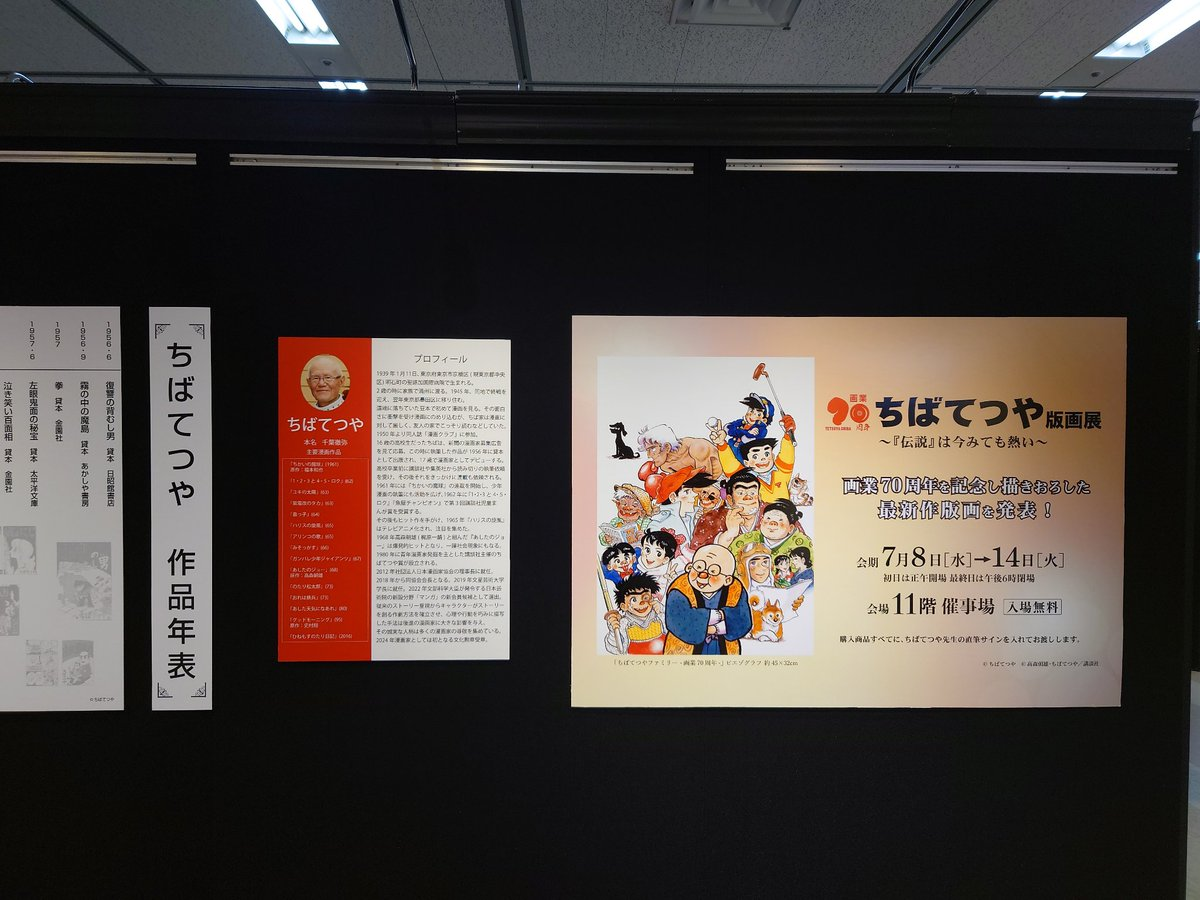
In the summer of 2026, Chiba held an exhibition of prints, and Morikawa purchased one of the works. It was originally supposed to arrive with Chiba’s autograph, but a member of the exhibition staff later contacted him to say, “We may not be able to ask him to sign it.”
Morikawa already knew that Chiba had been hospitalized, so he replied, “Please don’t put any pressure on him. I don’t need the autograph—just send me the print as it is.” But when the print arrived, Chiba’s signature was there after all. He remained unfailingly kind until the very end.
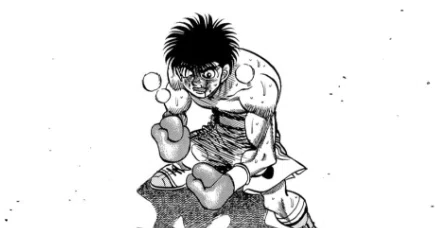
After reports of Chiba’s death emerged on the 27th, Morikawa also shared a story on X about being 22 years old and having three consecutive serializations canceled. His editor had already warned him, “This is your last chance.”
In his mind, Morikawa kept asking the mentor he admired, Tetsuya Chiba: “What does it feel like to be good at making manga?” No one could answer him, but the question refused to leave his thoughts. It completely replaced the storyboards he was supposed to be creating. Unable to think of anything else, he finally wrote the question down almost exactly as it was: “What does it mean to be strong?” He decided that if this attempt failed too, he would give up on becoming a manga artist. With that resolve, he submitted the storyboards for a new series—and this time, the serialization was approved.
The Fighting! began with a question Morikawa wanted to ask Tetsuya Chiba. Even today, he continues creating the series while still posing that question to his mentor. He had once wanted to ask Chiba directly, but as the two grew closer, Morikawa found himself too embarrassed to bring it up. In the end, he never did.
Now, there is no one left who can answer. But Morikawa intends to keep asking him: “Chiba-sensei, what does it feel like to be good at making manga?”
Morikawa’s words make the scale of Chiba’s influence clear. His work inspired Morikawa to pursue manga as a child, and after the two became fellow professionals, they maintained a warm relationship, with Chiba even offering advice on Morikawa’s ongoing series.
They also reveal the one lingering regret Morikawa carries about his mentor. The question “What does it feel like to be good at making manga?” may remain in his heart for the rest of his career.