
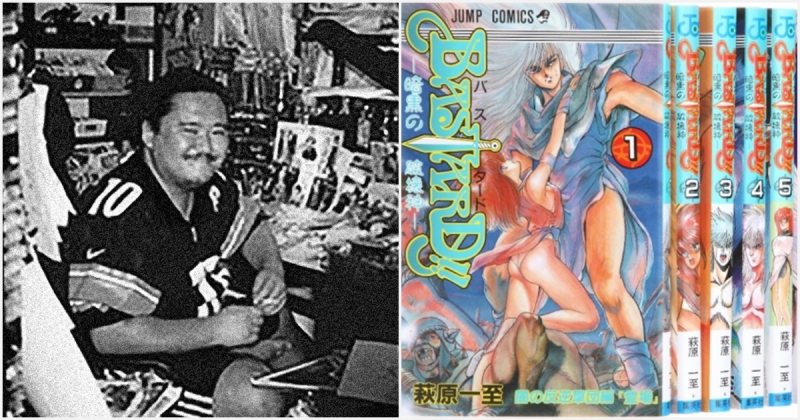
The date Kurapika officially disembarked became a unit of time. When he boarded, Tanjiro Kamado had already begun his journey to save his sister; now he is still on board, while Tanjiro has retired from the scene. This has made Yoshihiro Togashi, the manga artist who has delayed Kurapika's disembarkation, a synonym for "delaying manuscripts." However, setting aside the many manga artists whose delays have surpassed Togashi's three years, truthfully, Kazushi Hagiwara, the author of "BASTARD!! -Dark Destroyer God-" (referred to as "Bastard!!"), is the true king of delays. He has allowed his masterpiece to circulate among various manga publications, and the latest volume of this manga just celebrated its tenth anniversary since publication... and what's worse, no one in the world knows why he let "Bastard!!" sink into darkness.
Kazushi Hagiwara Image credit:Famitsu

A young girl, Yoko, finds herself in a chaotic era where humanity is on the brink of extinction. Like the story of "The Frog Prince," she breaks the seal on a young boy with a maiden's kiss. However, the boy does not transform into a prince; instead, the source of all evil within him, the genius sorcerer Dark Schneider (D.S.), is resurrected. D.S. easily resolves the crisis of the beastmen invasion, yet he is somewhat different from how he was when sealed 15 years prior. This once evil and unrestrained sorcerer, after 15 years of living with Yoko, has gradually developed a warmer side to his personality. However, D.S.'s former subordinates, the Four Heavenly Kings, have now become the masterminds behind attempting to break the seal on the Destroyer God's resurrection. D.S. must confront these former students, comrades, and lovers... Meanwhile, the mysteries surrounding D.S. are also gradually unraveled...
"Bastard!!" Volume 1 Image credit:Twitter
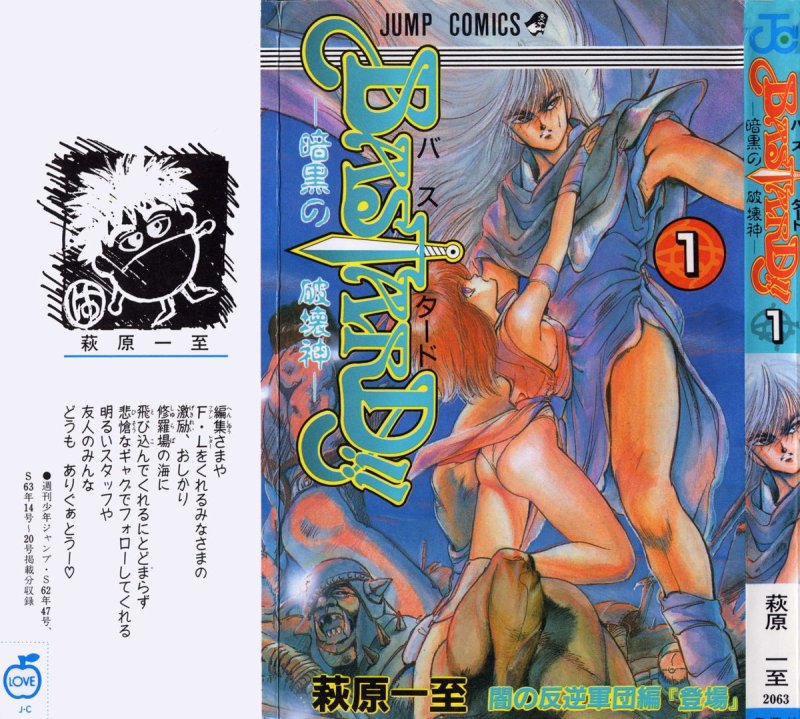
The above is the plot synopsis for "Bastard!! -Dark Destroyer God-," which began serialization in "Weekly Shonen Jump" in 1988... probably. The plot of this manga is truly convoluted and full of unexpected twists—unfortunately, none of the peaks connect. In 1988, anime and manga works entirely focused on an RPG medieval style like "Bastard!!" were quite rare. Even the novel series "Record of Lodoss War," also known for its RPG fantasy style, was published in March 1988. However, "WIZARD!! ~Conqueror of Blazing Flames~," a one-shot manga by Kazushi Hagiwara that served as a precursor to "Bastard!!," appeared in "Weekly Shonen Jump" as early as 1987. "Bastard!!" shone with a distinctly different color among contemporary works like "Saint Seiya" and "JoJo's Bizarre Adventure."
"Bastard!!"'s Unabashed Erotic Portrayals Image credit:Twitter
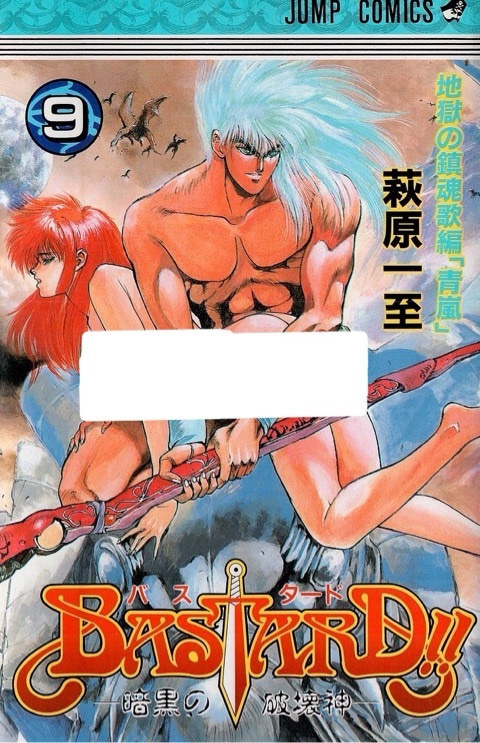
However, while the story of "Saint Seiya" is coherent, and "JoJo's Bizarre Adventure" closely follows the Joestar family, "Bastard!!," with its plot divided into different chapters, feels like a complete reset with each new installment. The main characters from the previous arc may not appear in the next. And many new characters suddenly emerge in a new arc, with no intention of explaining lingering questions from the previous one to the readers. "Bastard!!" began with a "Frog Prince" + "Dragon Quest" style; it quickly transformed into a smaller-scale "Nansō Satomi Hakkenden"; then it morphed again into a world-ending war mixing magic and science, as if Kazushi Hagiwara had grand ambitions to reinterpret the Book of Revelation; finally, it inexplicably transformed into Dante's "Divine Comedy," with D.S. encountering numerous demon lords deep in hell alone...
The Super Arrogant Shonen Manga Protagonist D.S. Image credit:Twitter
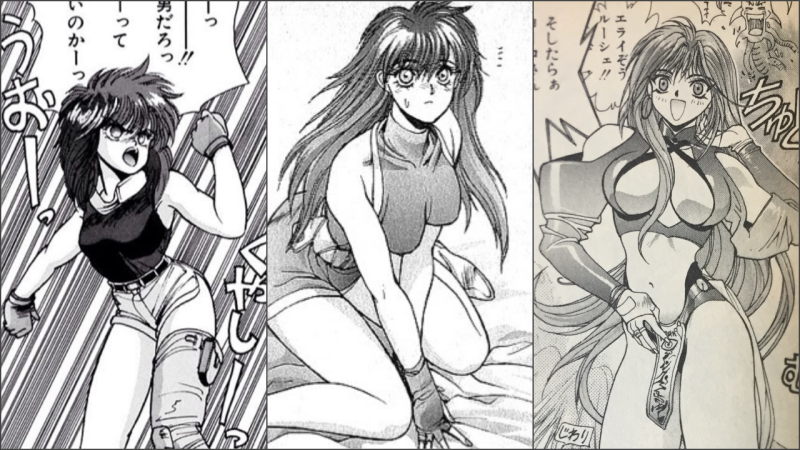
The style underwent a drastic change, and so did the art style. The protagonist, Yoko, transformed from a playful girl in the 80s to a sophisticated woman under Tsukasa Hojo's pen, and then, defying age, changed into a 'child-face, big-bust' appearance. Writing a plot review for "Bastard!!" is incredibly difficult because it's like a large work assembled from many different-styled novellas. What's even more perplexing is that such a chaotic work won the favor of many readers—and this also laid the foundation for "Bastard!!"'s tragic, ever-changing destiny.
They are all Yoko Image credit:きよの漫画考察日記
The serialization history of "Bastard!!" alone is a complex journey, no less arduous than D.S.'s trip to hell:
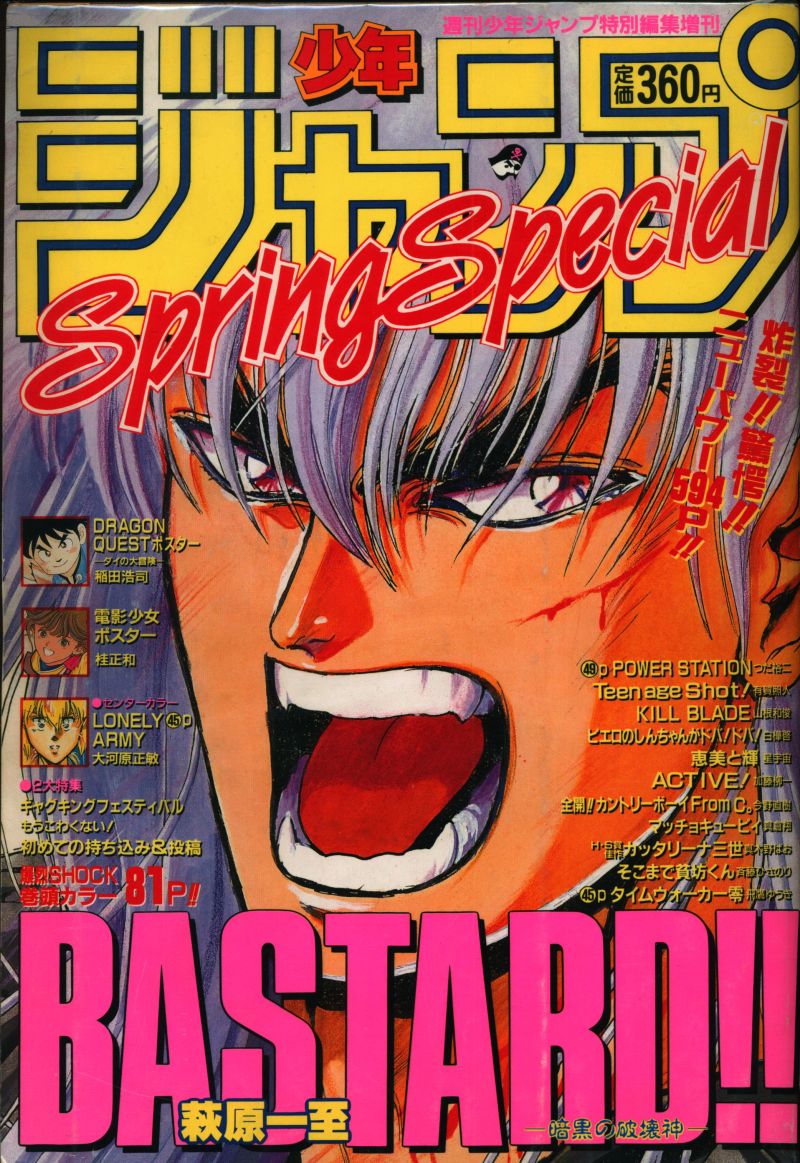
"Bastard!!" began serialization in "Weekly Shonen Jump" in 1988. In 1989, due to Kazushi Hagiwara's back pain, serialization was temporarily suspended. Following this suspension, "Bastard!!" was transferred to the quarterly "Weekly Shonen Jump Special Issue" (Spring issue), which was published four times a year. The work schedule difference between quarterly and weekly serialization is immense, and this marked Kazushi Hagiwara's explosive period. Starting its quarterly serialization in 1990, "Bastard!!" saw a rapid increase in characters, quickly complexifying character designs, exquisitely detailed backgrounds, and even more magnificent double-page battle scenes—Yoko also transformed into a sexy, mature beauty at this time.
Transferred to "Weekly Shonen Jump Special Issue" (Spring issue) to continue serialization Image credit:まんだらけ
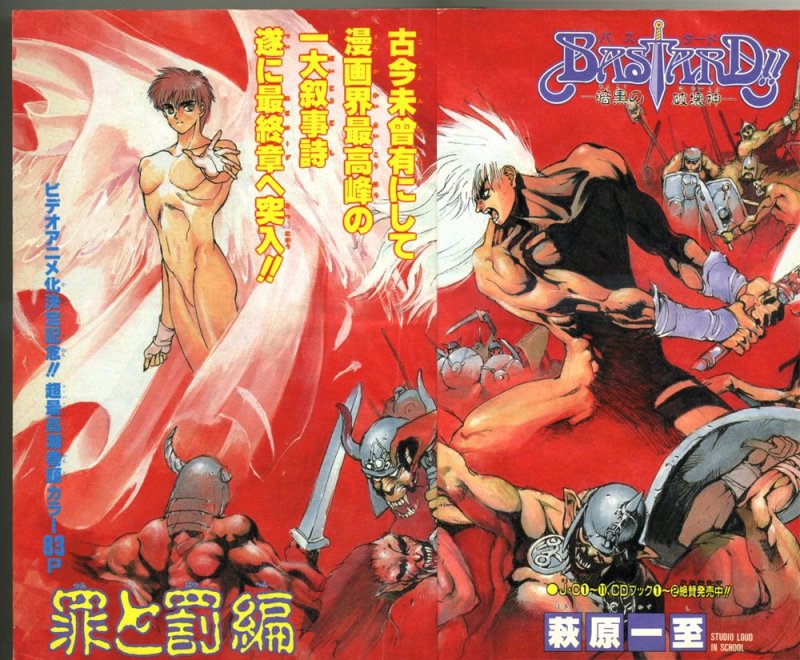
From manga volume 10, "Requiem for Hell Chapter 4," up to volume 18, "Sin and Punishment Chapter 'Fragment'," the six years of "Bastard!!"'s serialization in the quarterly "Weekly Shonen Jump Special Issue" were glorious. "Bastard!!" simultaneously boosted the sales of "Weekly Shonen Jump Special Issue." However, at the same time, the sales of the main "Weekly Shonen Jump" continued to decline. "Slam Dunk" concluded in June 1996, and "Dragon Quest: The Adventure of Dai" also ended Dai's grand adventure by the end of the year. By the pivotal year of 1997, "Weekly Shonen Jump," apart from the solitary pillar "Rurouni Kenshin," had no other super-popular works to retain readers. And by the end of 1997, "Weekly Shonen Jump" was officially dethroned by "Weekly Shonen Magazine," becoming the second-best-selling manga weekly.
"Sin and Punishment Chapter" Image credit:Twitter
Throughout 1997, the editorial department of "Weekly Shonen Jump" must have had a tough time. Instead of finding new works by rookie manga artists for rescue, it was better to bring back the strong hitters who were out there. "Bastard!!", which had been serialized for nearly ten years and had attracted many loyal readers, was called back from the quarterly magazine to continue serialization in "Weekly Shonen Jump." Kazushi Hagiwara instantly fell from the paradise of regular work back into the hell of weekly publication, where every second counted. His anger and reluctance are understandable. What was even more troublesome was that at that time, the plot of "Bastard!!" was progressing to a climax where humanity was on the brink of extinction: the sky city was about to fall, the angelic army was invading the human world en masse, and the Demon Generals, the Four Heavenly Kings, and Yoko were trying to turn the tide, dying one by one in bloody battles against the angels... and D.S.'s resurrection was counting down...
"Sin and Punishment Chapter 'Fragment'" Image credit:きよの漫画考察日記
At such a critical moment, Kazushi Hagiwara was unable to concentrate on drawing the most crucial chapter ending of "Bastard!!"'s plot, because he had to transfer "Bastard!!" to a weekly magazine with fewer pages and a faster serialization pace—just like receiving news that you have to move the day before a major exam. And the final ending, which should have been presented through the longer format of a quarterly magazine, was forced to be cut into fragments. For Kazushi Hagiwara, this was undoubtedly a monumental change. Coincidentally, at the same time he switched serialization platforms, his studio also moved from Koenji to Kichijoji, an area densely populated by manga artists.
Young Kazushi Hagiwara Image credit:AniList

"A restless spirit" truly described Kazushi Hagiwara in 1997. When he recounted moving to Kichijoji for work, he mentioned meeting big-name manga artists like Katsuhiro Otomo, Kia Asamiya, and Tony Takezaki while drinking. Yet, in these personal notes, he also wrote, "I can't write anymore... my eyes can't see...", subtly revealing his troubled state of mind.
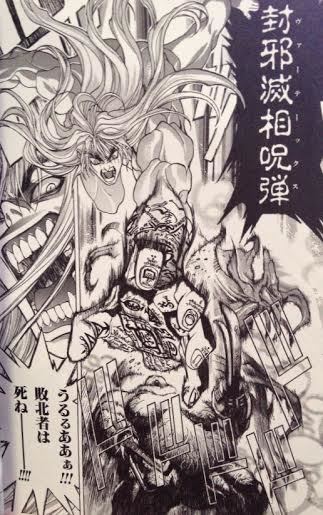
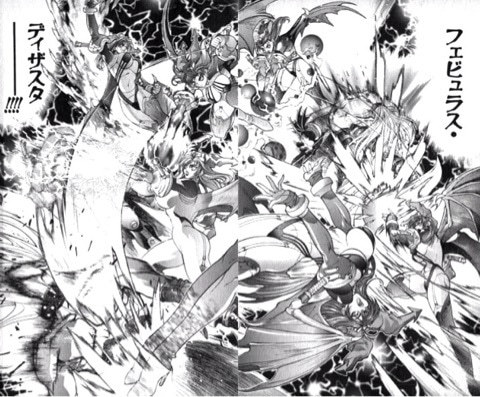
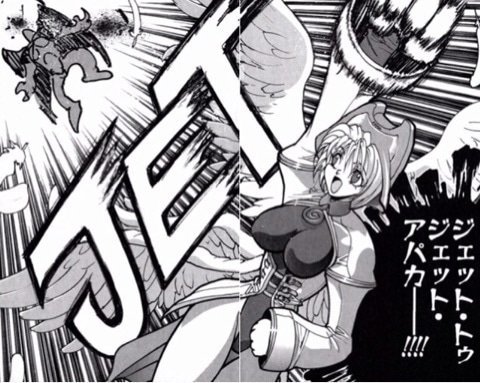
"Bastard!!" began its descent into chaotic darkness. The grand decisive battle between humans, gods, and demons, originally planned, suddenly vanished without a trace. To meet the short 8-page weekly serialization, "Bastard!!" shifted its story's focus to D.S., trapped in hell. However, for Kazushi Hagiwara, who already struggled with his work schedule, this shift in plot focus still didn't seem to enable him to consistently deliver 8 pages of manuscript each week. Just in its second chapter of re-serialization in "Weekly Shonen Jump," "Bastard!!" presented a situation where, out of 8 pages, every two pages were rendered as a large double-page spread. Tragically, these double-page spreads, which were supposed to be magnificent, were unfinished during serialization—the "special moves" in these 8 pages were merely uppercuts, and the "gentleman" demon being punched was drawn very sloppily.
The one in the upper left corner is a demon Image credit:Twitter
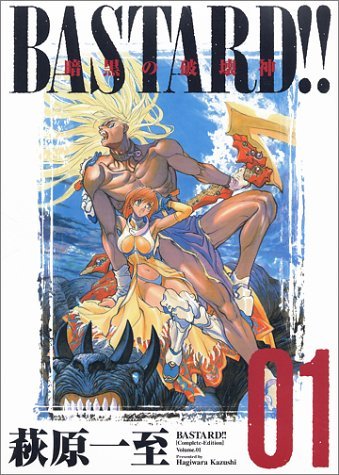
In the three years following its return to "Weekly Shonen Jump," "Bastard!!" was suspended multiple times. It also released a so-called "Complete Edition" and an "Unused/Revised Edition" published as a doujinshi (much of the content came from completed pages that couldn't be used when transitioning from quarterly to weekly serialization). However, with the main plot of "Bastard!!" already in disarray, neither the Complete Edition nor the doujinshi versions did anything but confuse readers further. The "Complete Edition," which retold the story from the beginning, was supposed to include many original manuscripts that had to be abandoned due to the rushed serialization. But restoring these manuscripts still required time, and this time further pressured the progress of the current serialization: the "Bastard!!" Complete Edition became one of the burdens that crushed "Bastard!!".
"Bastard!!" Complete Edition Image credit:Amazon
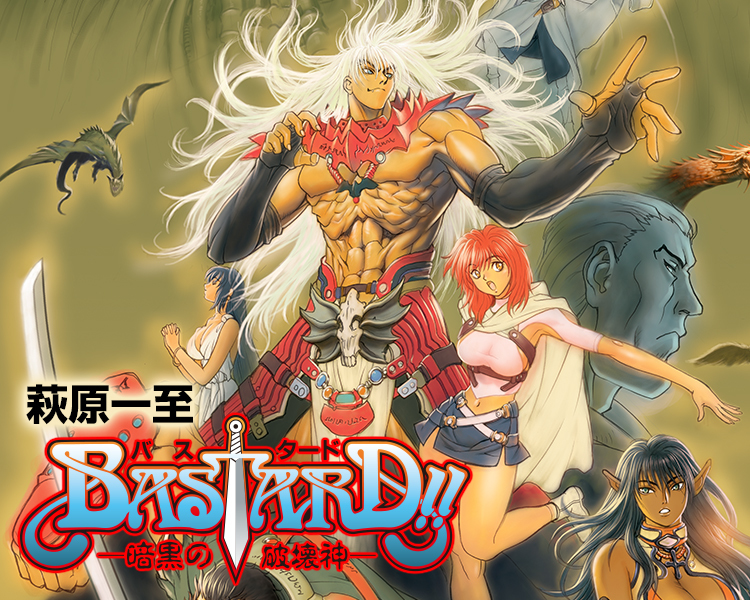
In 2001, 13 years after "Bastard!!" began serialization, this manga transferred to the monthly "Ultra Jump" for continued serialization... or should it even be called serialization? It began appearing irregularly in monthly "Ultra Jump," and the plot officially ascended to a level beyond logic. Erotic elements, video game elements, "The Bible," "The Divine Comedy," and Kazushi Hagiwara's vast delusions were mixed together, blending into a strange product filled with various crude jokes, physical descriptions, sexual innuendos, and chuunibyo (eighth-grader syndrome) special moves like "Infinite Unconscious Reincarnation Ecstasy Attack" and "Heaven Purgatory Hell Billion Annihilation Ascension."
After appearing in "Ultra Jump," the computer-drawn artwork became even more refined Image credit:Ultra Jump
After entering the 21st century and moving to "Ultra Jump," Kazushi Hagiwara completely descended into chaos. Beneath his still exquisite artwork, "Bastard!!" lost its soul. It became a story that even the author seemed unable to control. Instead, it was the erotic depictions and chuunibyo battles within the content that truly reflected Hagiwara's original intent. In 2002, "Weekly Shonen Jump" officially reclaimed the top sales spot from "Weekly Shonen Magazine," but "Bastard!!", which had been brought in as reinforcement at the time, fell into a hell of ignorance. Its tankobon (collected volume) release speed stretched to over two years, and the volumes that were barely published also suffered from too few pages. Finally, on March 19, 2012, its 27th collected volume was released, with a plot that finally returned to the human war from 15 years prior. At this point, the time of "Bastard!!" had almost completely stopped.
But Hagiwara is still designing characters for games ("RPG Maker Fes") Image credit:Twitter
Why did Kazushi Hagiwara stop drawing? Curiously, in 2016, Hagiwara participated in the production of the Nippon TV anime "Endride," serving as a character designer. He had time to take on new projects, yet he didn't continue "Bastard!!." The complete edition of "Bastard!!" even ceased publication as early as late 2009, and this manga did not use the complete edition to finish the remaining parts. However, just this year, Netflix suddenly announced that they would produce two seasons of "Bastard!!" anime on their streaming platform—this might even be the only remaining chance for this work to complete its story.
Netflix's "Bastard!!" anime will be released this year Image credit:Youtube
Long-term, high-pressure drawing has clearly destroyed Kazushi Hagiwara's health. Early on, he had to interrupt serialization due to back pain, and later he suffered from severe diabetes—he didn't inherit diabetes, but rather contracted it due to chronic poor lifestyle habits, excessive intake of starches or sugars, and metabolic decline caused by lack of exercise. It can be said that these muscular and internal ailments would prevent him from continuing the work he should complete. However, this is only part of the reason: diabetes is caused by bad habits, and before that, he must have developed these "bad habits," which precisely exposes Kazushi Hagiwara's self-management issues.
"Bastard!!" Vol. 27, featuring extensive erotic depictions Image credit:3階の者だ!!
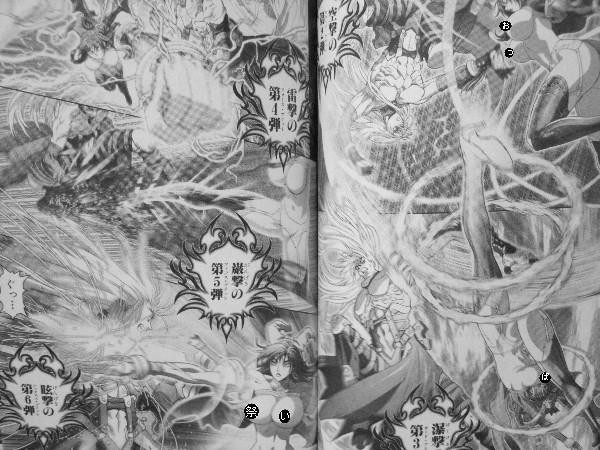
During the process of drawing the second volume of the "Bastard!!" complete edition, Kazushi Hagiwara began using computers for digital drawing. Abruptly switching from a familiar working method under tight deadlines could lead to significant production risks. Yet, Hagiwara resolutely changed his drawing style, resulting in the second volume taking almost 2 and a half years to be released. Digital drawing indeed brought many newer visual effects to "Bastard!!," but he seemed unaware that he was an active serialized manga artist: he did not adopt the most efficient drawing method to deliver the finished product as quickly as possible.
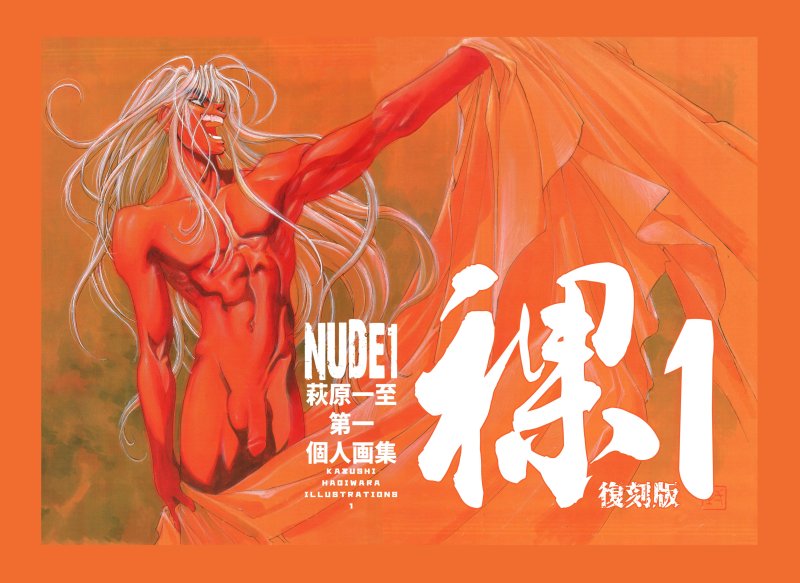
Kazushi Hagiwara's first art book "Nude I" Image credit:Twitter
Almost all "Bastard!!" fans complain about this work. In their youth, they were captivated by the cool magic and suggestive depictions in "Bastard!!." After waiting for over 30 years, they can still only watch D.S., who fell to the deepest level of hell at the end of Volume 27 ten years ago, unable to go anywhere. At the end of Volume 27, Hagiwara shared his insights on digital drawing, and these results indeed made his black-and-white manga more distinctive, but what came next... there was no next. Hagiwara seemed to be hindered by his curiosity for new drawing techniques and his pursuit of art—or perhaps he simply didn't understand the secret to completing work systematically, and could only continue to pressure himself with long hours, ultimately failing to produce.
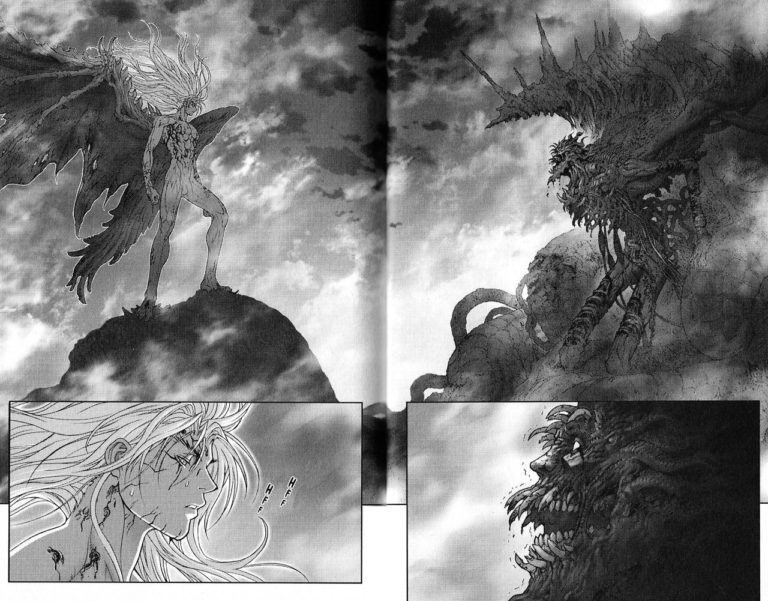
D.S. vs. the Angel Image credit:グロリアス
The readers' complaints also reflect their deep love for "Bastard!!." This manga was the boldest shonen work of the last century, evolving from the level of "City Hunter"'s crude jokes to ultimately depicting explicit scenes of demons being aroused by D.S. to ecstatic ascension. Of course, "Bastard!!" later ceased serialization in shonen manga magazines, but its cross-dimensional transformation (and Hagiwara's other adult-oriented "Bastard!!" doujinshi) are rare examples in the industry. It broadened readers' horizons; before this, no "Weekly Shonen Jump" mangaka would draw erotic doujinshi of their own work.
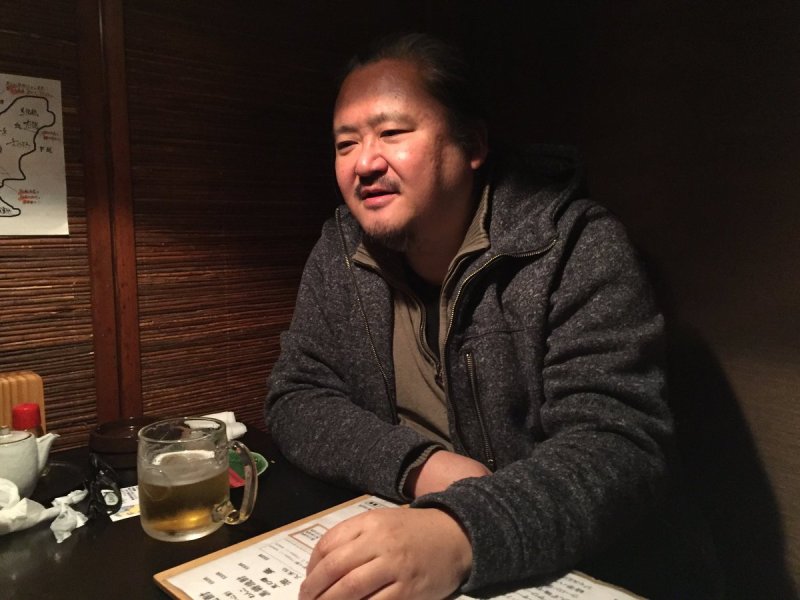
Kazushi Hagiwara Image credit:Twitter
"Bastard!!" also reflected Weekly Shonen Jump's careless and crude approach to arbitrarily changing the serialization format of popular works in pursuit of sales. This plunged Kazushi Hagiwara, who already struggled with self-management, into an even more severe deadline crisis. Shifting a work from quarterly to weekly serialization is an incredibly heavy burden for a manga artist, and this crude decision indirectly destroyed the lifeline of a masterpiece.
Kazushi Hagiwara's esteemed mentor, Izumi Matsumoto, suffered from cerebrospinal fluid hypovolemia due to an accident in childhood and battled this illness throughout his life. Yet, he persevered to complete the monumental youth classic "Kimagure Orange Road" and even simultaneously held multiple roles as a manga artist and producer. Hagiwara, now 58, is approaching the age of 61, when his mentor passed away. However, his lifelong serialized work consists solely of the long-unfinished "Bastard!!". No one can take over to complete this work, nor can anyone predict the ultimate fate of D.S. Will Kazushi Hagiwara ever return to "Bastard!!"? This question has long since become an immense darkness.