

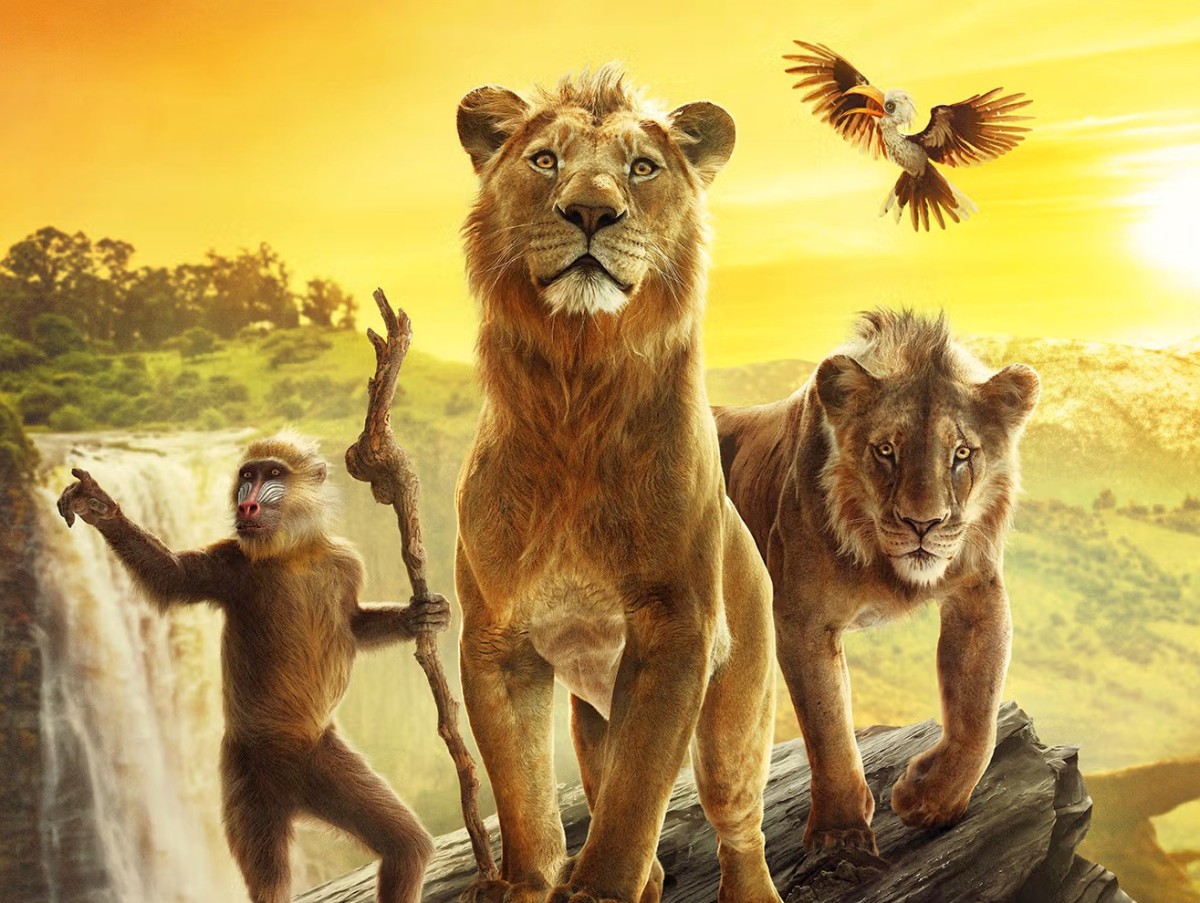
 (Image: Disney)
(This review contains spoilers.)
I was not a fan of the 2019 photorealistic "The Lion King," so naturally, my expectations for "Mufasa: The Lion King" were low. Not even the attachment of Barry Jenkins, the Oscar-winning director of "Moonlight," could sway my optimism. After all, Jon Favreau, who helmed the 2019 film, had previously delivered a massive success for Disney with "The Jungle Book," making that steep decline in quality a major blow to my confidence. Still, the premise—exploring the youthful brotherhood of Mufasa and Scar—was undeniably compelling and held the potential for a great story.
And surprisingly, "Mufasa" is genuinely a good film. Of course, I understand that surpassing the 2019 version isn't a high bar. But you also have to understand that it's rare for a Hollywood studio to actually learn from its mistakes and make corrections. More often than not, they just repeat them without any self-reflection, unless a financial disaster forces them into a moment of clarity. "Mufasa," however, demonstrates a sincere effort to improve. The filmmakers clearly understood what went wrong last time and how to fix it.
(Image: Disney)
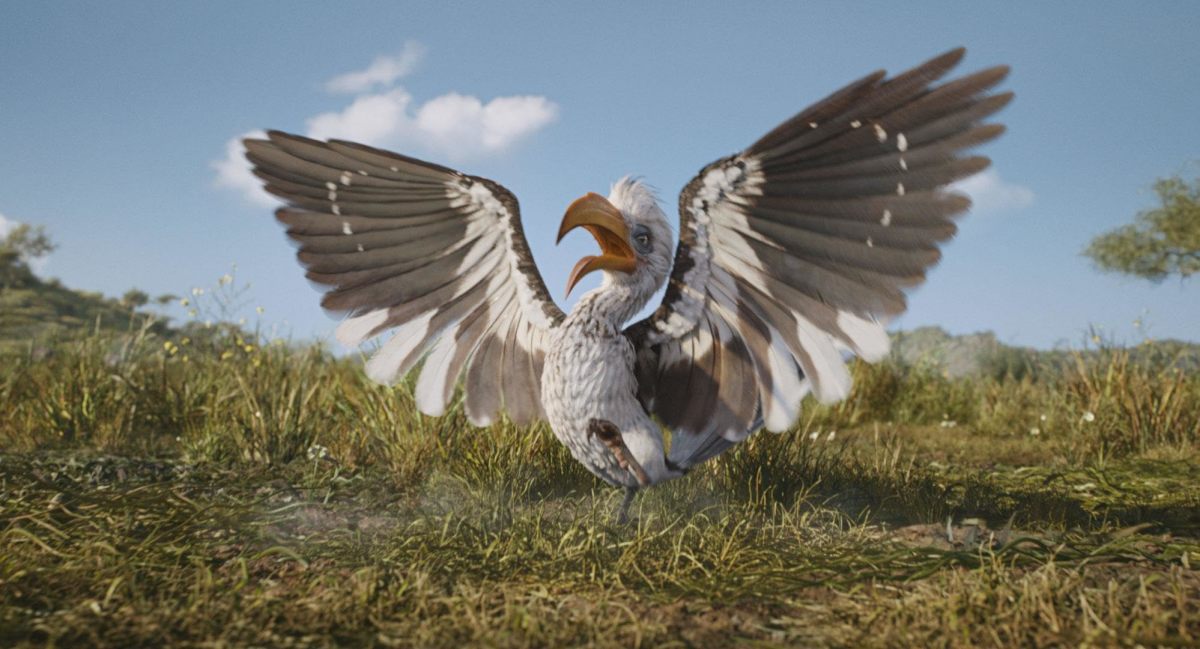
Let’s start with the most obvious surface-level improvement: "Mufasa" finally understands how to balance photorealism with a necessary degree of animated expression. The animals in the last film barely had what you could call expressions; they were so realistic that any emotional shift was nearly imperceptible to the naked eye. Every emotion shared the same blank face. No matter how much the actors’ voices rose and fell, it never synced with the on-screen visuals. But "Mufasa" is different. This time, you can actually read emotions in the movement of the animals' facial muscles. They are truly performing. The director can now rely solely on their expressions to convey plot points and emotional arcs, rather than waiting for a line of dialogue or a song.
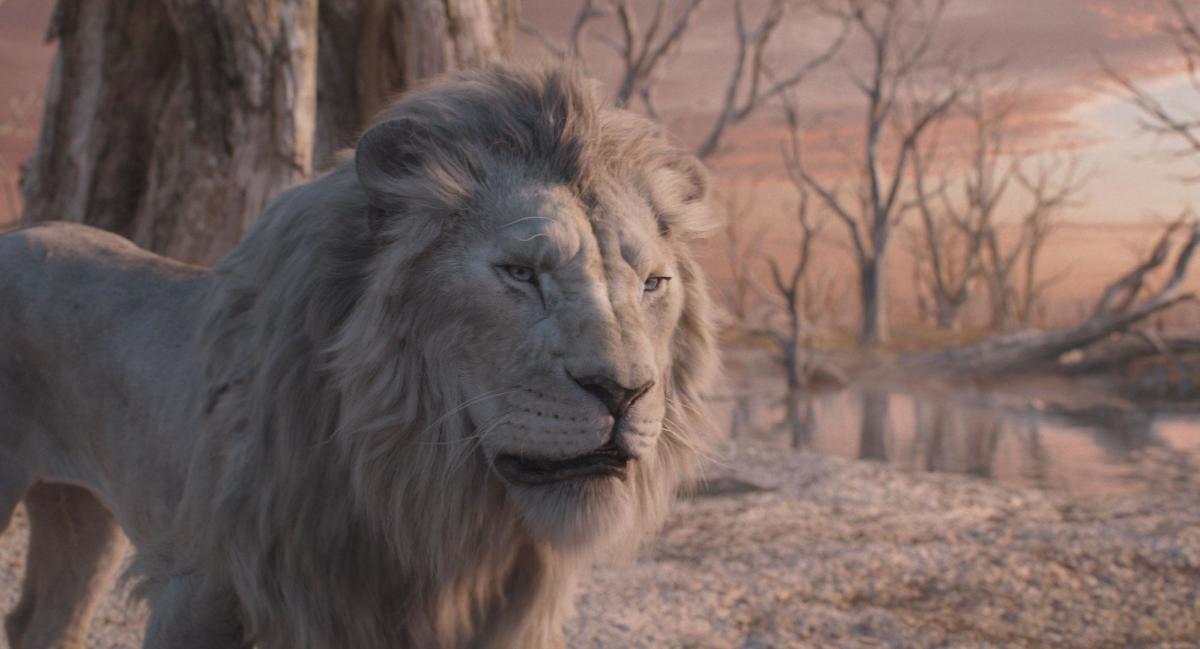
In some scenes, the richness of the voice acting still slightly outpaces the animal performances—this is particularly noticeable with Mads Mikkelsen's Kiros and Lennie James' Obasi, as they portray lion kings and have more scenes requiring outward displays of anger, aggression, and dominance. But overall, the CGI animals in "Mufasa" are worthy of being called true actors. Or, to put it more conservatively, they are convincing enough to keep the audience immersed in the illusion, unlike the first film, which was so realistic it pulled you right out of the drama because there was no "drama" to enter.
 (Image: Disney)
The enhanced sense of performance in "Mufasa" isn't just limited to the animals; it's also evident in the cinematography. Jenkins and his team employ more dynamic camerawork and composition to build tension, a stark contrast to the overly rigid and restrained style of the previous film, which only "slightly" attempted a magical atmosphere when recreating iconic shots from the animated classic. "Mufasa" isn't afraid of losing its realism or being too anthropomorphic. When a moment needs to be amplified, it embraces it. This spirit also allows "Mufasa" to feel more like a true musical than its predecessor. It puts real effort into setting the stage for its songs, carefully arranging character blocking, and using editing techniques that match the rhythm of the music. It genuinely feels like watching a musical or a stage play, not just a series of bland, perfunctory music videos like the last film.
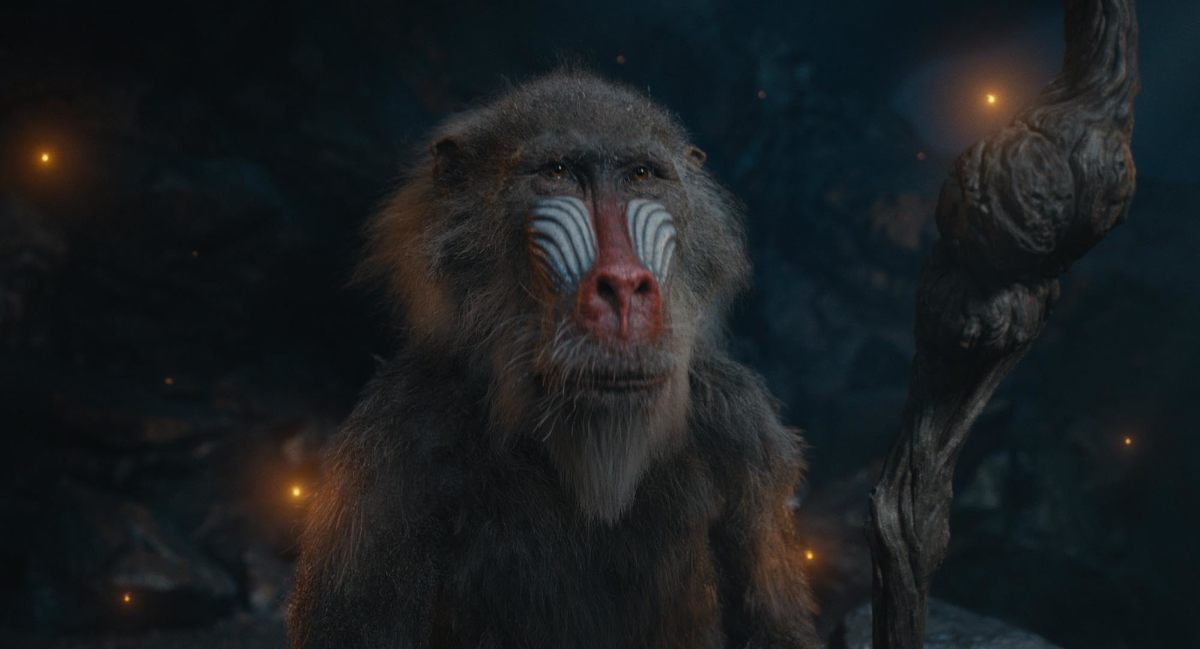
As for the story itself, "Mufasa" is far more interesting than the last installment (and for me, that means it's also more interesting than the animated original, which I was never particularly fond of). To be more precise, it allows more room to flesh out its characters. It uses tangible methods to cultivate friendships, family bonds, and chemistry. You can clearly see the characters grow and change, often achieved efficiently in just a scene or two, rather than being glossed over with a song. The bond between Mufasa and Scar, the budding romance between Mufasa and Sarabi, the intimate connection Mufasa shares with his adoptive mother, and the journey of his adoptive father from rejection to acceptance—it's all layered with a solid foundation that makes it easy to get invested.
 (Image: Disney)
But "Mufasa" isn't without its flaws. It falls into some common prequel traps, namely the obsession with explaining the origin of everything from the original story in a single film. It feels compelled to provide answers for questions audiences never asked, desperately trying to connect every minor detail back to the main saga. This often makes the film feel like it's just following a map, rushing to hit predetermined plot points. Furthermore, the pacing can be too fast at times, leaving little room for emotional moments to breathe and fully resonate. While not a fatal flaw, slowing down slightly might have made the film even stronger.
This pacing issue also makes Scar's descent into villainy feel somewhat abrupt. Although the film consistently shows Mufasa outshining him, fueling his growing inferiority complex, Scar's inherent kindness and tolerance usually seem to outweigh his jealousy. The final straw is simply that the girl he has a crush on likes his brother—even though he knows his brother initially held back to give him a chance. For that to be the trigger for him to plot Mufasa's murder feels like an insufficient catalyst for such a heinous act.
(Image: Disney)
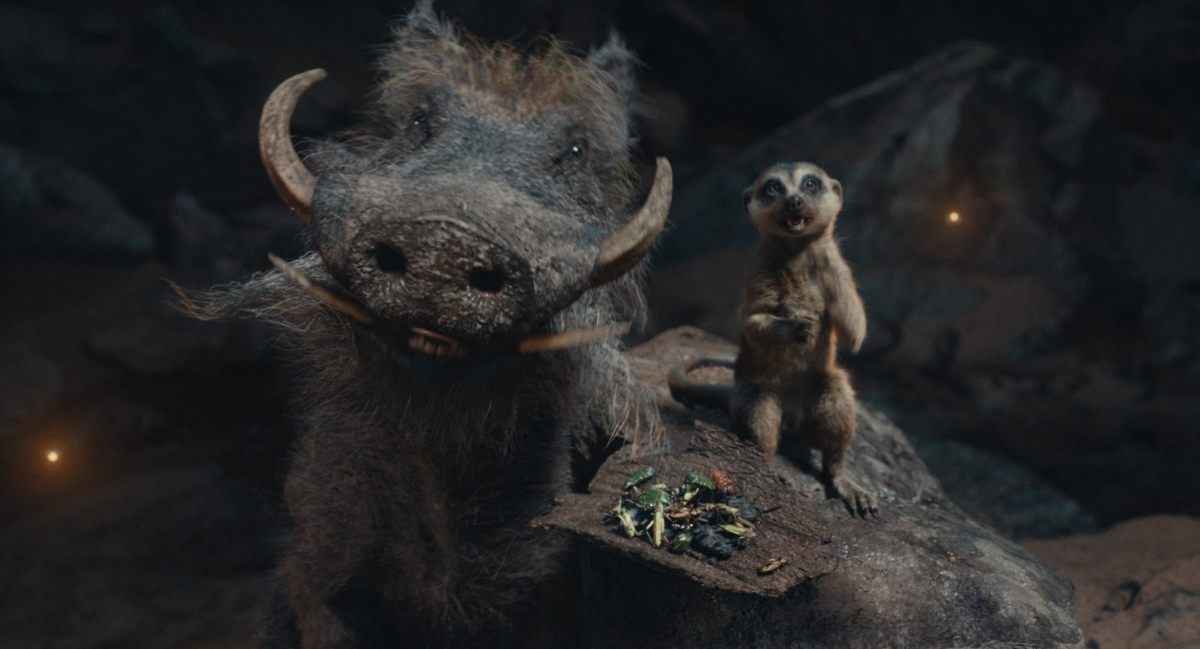
Additionally, I'm not sure the story truly needed its framing device. The constant switching between the past and future timelines felt disruptive. Cutting back to Timon and Pumbaa cracking jokes every few minutes was genuinely annoying, as if the filmmakers were afraid the main plot was too serious and needed comic relief. Or perhaps it was just an excuse to feature familiar characters. Couldn't they have had more confidence in the prequel story itself and just focused on one timeline? However, the ending—where Simba's second child is born, giving his daughter a younger brother—creates a powerful parallel to the past. It symbolizes a chance for this new pair of siblings to mend the fractured bond that Mufasa and Scar lost. This thematic resonance, I admit, was quite moving and ultimately gave the future timeline a bit more purpose.
Finally, a special shout-out is deserved for Aaron Pierre, the DC Universe's future Green Lantern, John Stewart. Casting him as the voice of young Mufasa was a perfect choice. He masterfully emulates some of James Earl Jones's deep, magnetic timbre while still bringing his own unique quality to the role.