

Ever wondered what happens to your favorite adult manga artist after they hit it big? In the ACG community, when an artist transitions from adult content to mainstream works, it's often called "coming ashore." For many, this move is seen as a ticket to bigger commercial success, as adult manga, while profitable, is often perceived as having a lower ceiling than major commercial hits.
Recently, a heated discussion erupted on X (formerly Twitter) in Japan, tackling the phenomenon of "successful adult manga artists who only draw covers and stop creating full stories." The topic resonated widely, with many users confirming it's a common trend and others pointing to the diverse and evolving career paths that artists are now taking—a path that no longer solely relies on drawing manga.
The conversation was sparked by a post that broke down the five main career trajectories for today's adult manga artists:
1. Continuing to create adult manga on the front lines.
2. Drawing only covers, no interior pages.
3. Switching to all-ages works, with occasional returns to adult manga that "just don't feel the same."
4. Accepting offers from major publishers like Kadokawa to draw mildly ecchi isekai series.
5. Maintaining a minimal presence with a single monthly update on Fanbox or Fantia.
The original poster bluntly compared this career shift to a common corporate trope: promoting a skilled engineer to a management position, effectively removing them from the hands-on work they excel at.
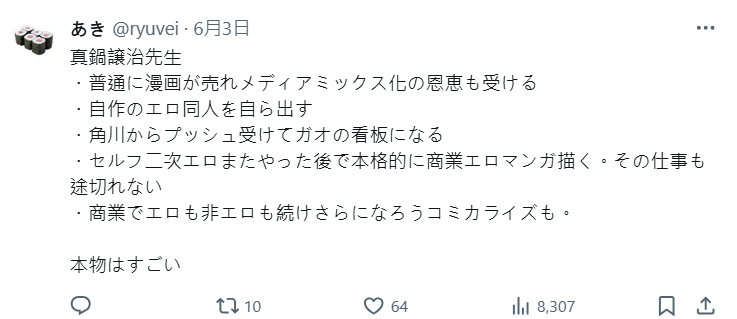
However, some artists defy this trend. One user highlighted Johji Manabe, creator of the smash hit *Galaxy Sengoku Gunyuuden Rai*, which even received an anime adaptation. Despite his mainstream success, Manabe continued to release adult doujinshi, became a flagship artist for Kadokawa's *Monthly Dengeki Comic Gao!*, and later returned to drawing commercial adult manga. He now juggles commercial adult, all-ages, and isekai projects simultaneously—a true industry legend.
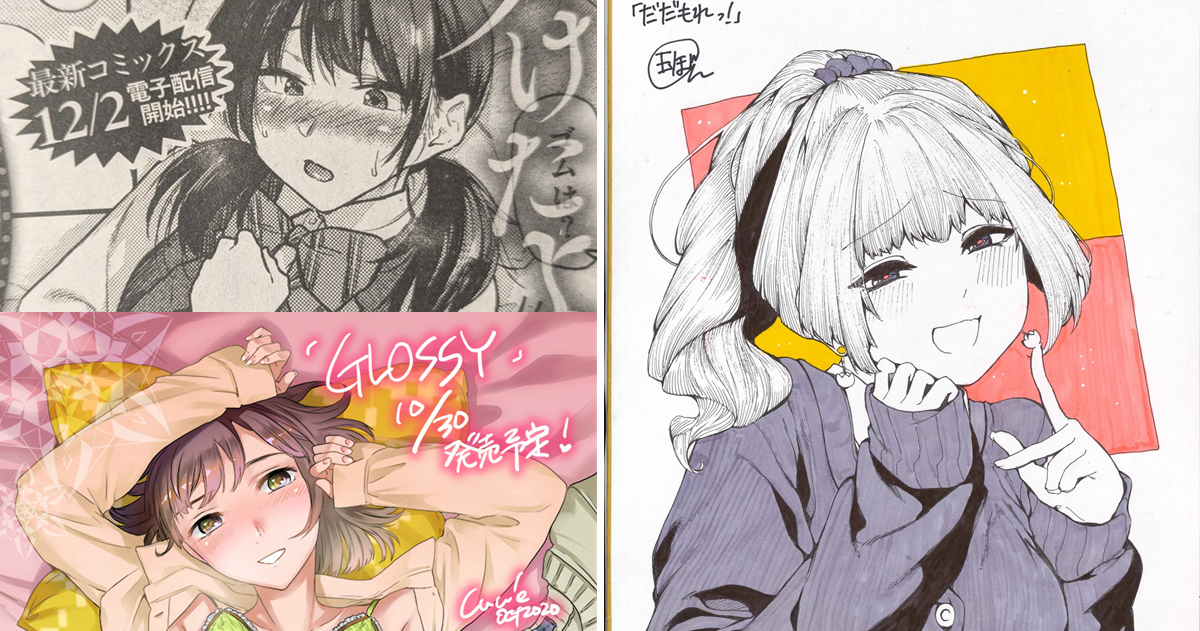
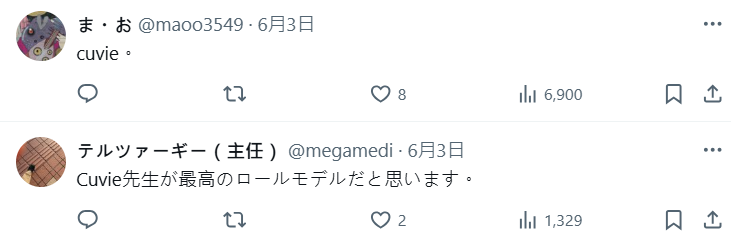
Another user pointed to female artist Cuvie as a model creator who consistently delivers high-quality work while seamlessly moving between all-ages and adult projects. She's praised as a "model student" for her steady output and quality.
On the flip side, fans lamented the gradual fade of artists like the legendary Kisaragi Gunma, speculating that he has "probably drawn everything he wanted to draw" and has since moved on from adult works.

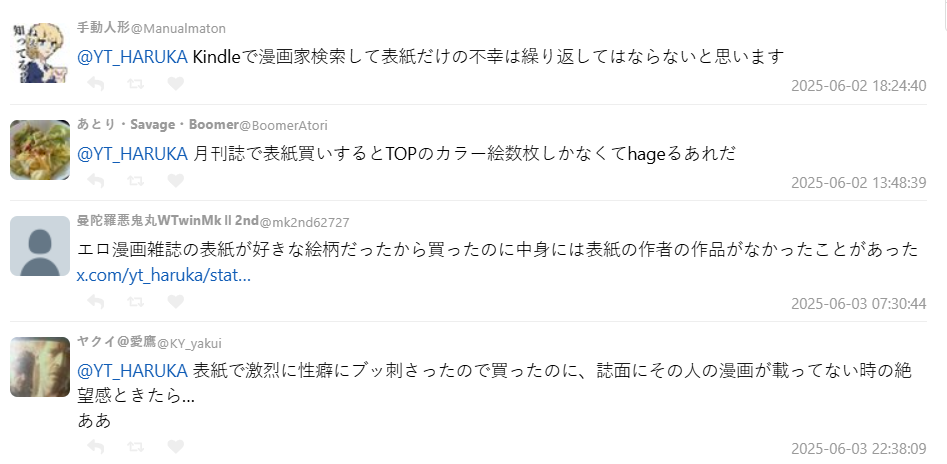
The issue of "successful artists only drawing covers" is a real source of fan frustration. Many users shared stories of buying an adult magazine because the cover art hit all their buttons, only to be crushed when they discovered the artist didn't contribute a single interior page. It's a common path for artists once they get popular.
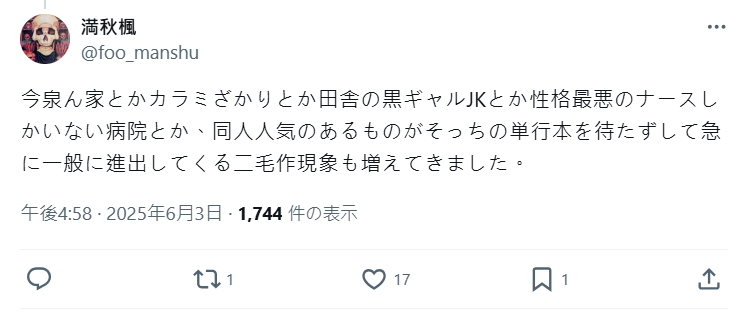
The landscape is also changing as artists find new avenues for success. One user noted that doujin works that explode in popularity—like Norigoro's *Imaizumi-sanchi wa Douyara Gal no Tamariba ni Natteru Rashii*, Airi Kashiwagi's *Karami Zakari*, and Kazuchi's *Inaka no Kuro Gal JK to Kekkon Suru Koto ni Natta*—are now getting picked up for mainstream serialization even before a standalone volume is released. This "best of both worlds" strategy is becoming a clear trend.
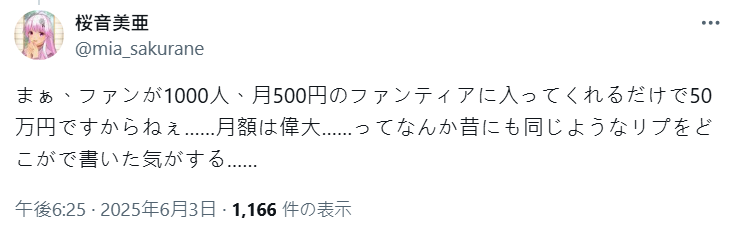
Some artists are even branching out into completely different fields, becoming VTubers and building communities elsewhere. Meanwhile, the creator economy has been revolutionized by subscription platforms like Fantia and FANBOX. If an artist can attract 1,000 subscribers paying 500 yen a month, that's a stable 500,000 yen in monthly income. This business model is a world away from the traditional grind, explaining why fewer artists are sticking to producing full-length adult manga.
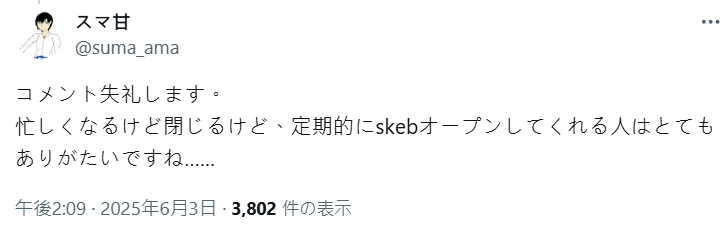
Amid these changes, fans are just happy to get what they can. As one user emotionally put it, "As long as the artists are still willing to draw, I'm grateful even if it's just opening up Skeb commissions once in a while."
While it's disappointing for some to see their favorite adult manga creators transition or fade away, this discussion reveals just how much their work continues to fuel fan passion and excitement. Whether they're changing lanes, putting down the pen, or staying the course, these artists have already left an indelible mark on the world of cultured connoisseurs.
via: togetter