

For anyone familiar with Japanese pop culture, the maid is an iconic figure. Influenced by anime, comics, and games, the maid has become a beloved "moe" archetype, leading to the rise of themed cafes where fans can soak in the unique atmosphere.
But a recent story from Wonder Parlour Cafe, a classic maid cafe with a 20-year history in Tokyo's Toshima Ward, highlights a stark cultural disconnect. The cafe recently shared a memory on its official X account about a foreign customer who, upon seeing the staff, declared, "That's a slave's uniform." The comment reportedly brought the entire cafe to a standstill, sparking a broader conversation about cultural perceptions and stereotypes.
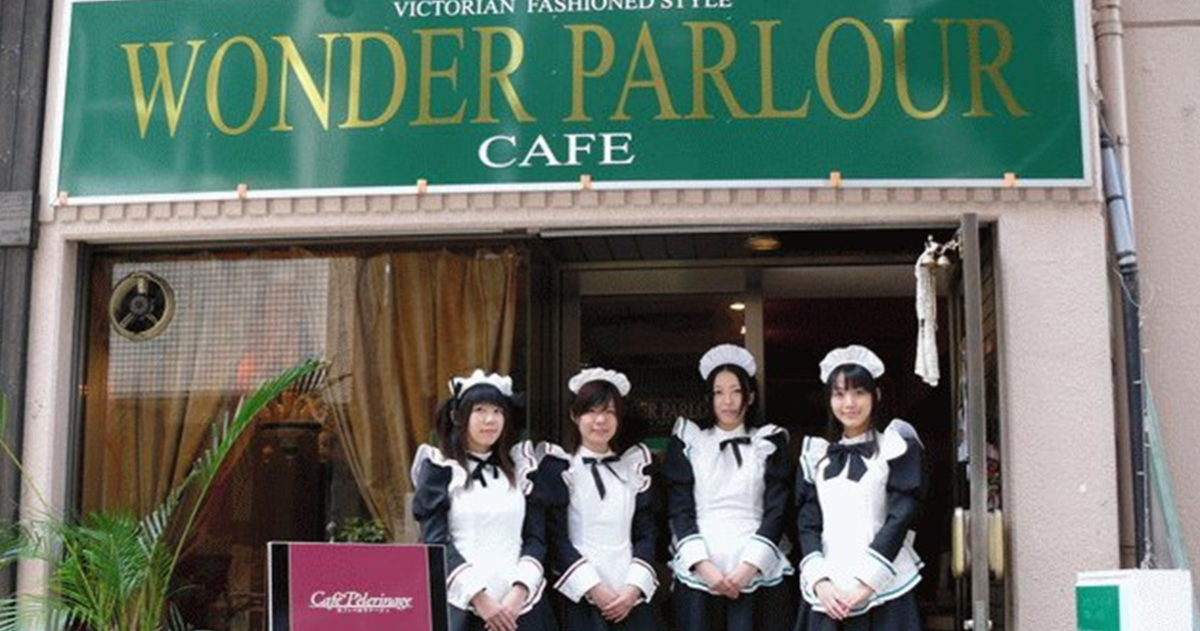
In a lengthy post, Wonder Parlour Cafe recounted the incident:
"It was an afternoon in 2005. A group of foreign guests came into the shop. They seemed to be in high spirits, enjoying tea and admiring the classical decor. But then, one of the men looked at a staff member in her maid uniform and suddenly blurted out, 'Slaves’ Uniform.' His voice was loud enough for me to hear clearly in the kitchen. In that instant, it felt like time itself had stopped."
"The image of African-American maids from a film like 'Gone with the Wind' immediately flashed through my mind. Perhaps for this guest, coming from a Western cultural background, a maid's uniform is genuinely associated with the history of slavery. While I tried to understand his perspective, a part of me just couldn't accept it."
"Because—the uniform we wear is nothing of the sort. In Japan, and especially at Wonder Parlour Cafe, this 'classical maid' uniform isn't an erotic symbol or simple cosplay. It's a symbol of elegance, beauty, and a spirit of universal love. At the time, the idea of a 'classical maid uniform = beauty' wasn't widely accepted in Japanese society; it was mostly seen as a 'weird hobby' or part of 'otaku culture.' That's why we were keenly aware that if no one was willing to uphold and convey this ideal, its true meaning could easily be misunderstood and twisted. Since no one else was going to do it, I decided to do it myself."
"Wonder Parlour Cafe is absolutely not a place where women are put on display in 'slave uniforms' for entertainment. Our goal is to create a stage where those who wear this uniform can feel proud."
"From that day on, we demanded more of ourselves. Not just in our attire, but in our posture, decor, and speech—everything had to embody 'elegance' and 'taste.' It wasn't just about form; it was a heartfelt performance intended to convey sincerity."
"This path has been challenging. The uniforms aren't flashy or extravagant, and the cultural meaning behind them is often misunderstood. But occasionally, we meet guests who get it—their eyes widen and they say, 'Wow, this is so classy!' Wonder Parlour Cafe has always hoped to be a place that can gently pass on that 'ancient beauty.' And our uniform has always been a crucial symbol of that conviction."
"Our maid uniform is not what you think it is. It is our pride, forged through blood, sweat, and time—a path we've walked with unwavering dedication."
▼ The maid uniforms at Wonder Parlour Cafe
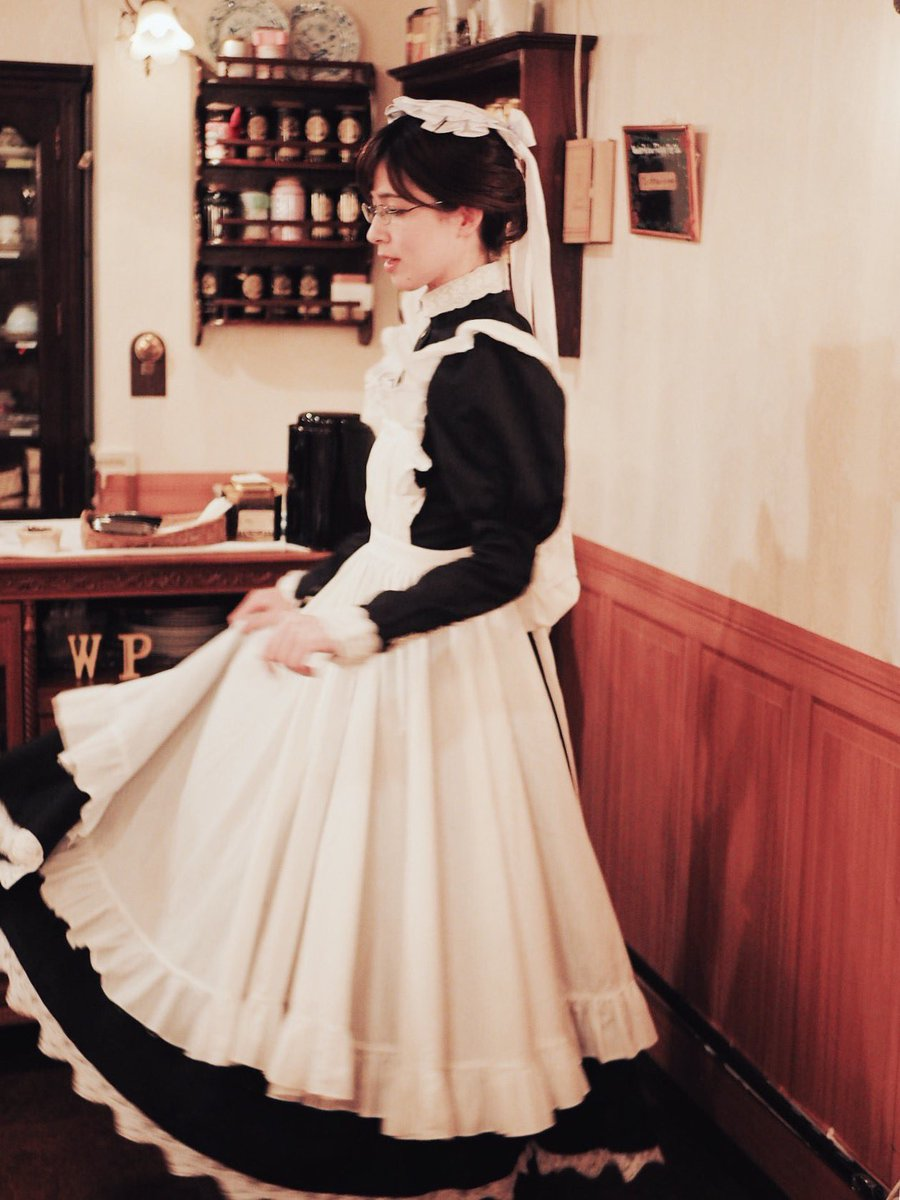
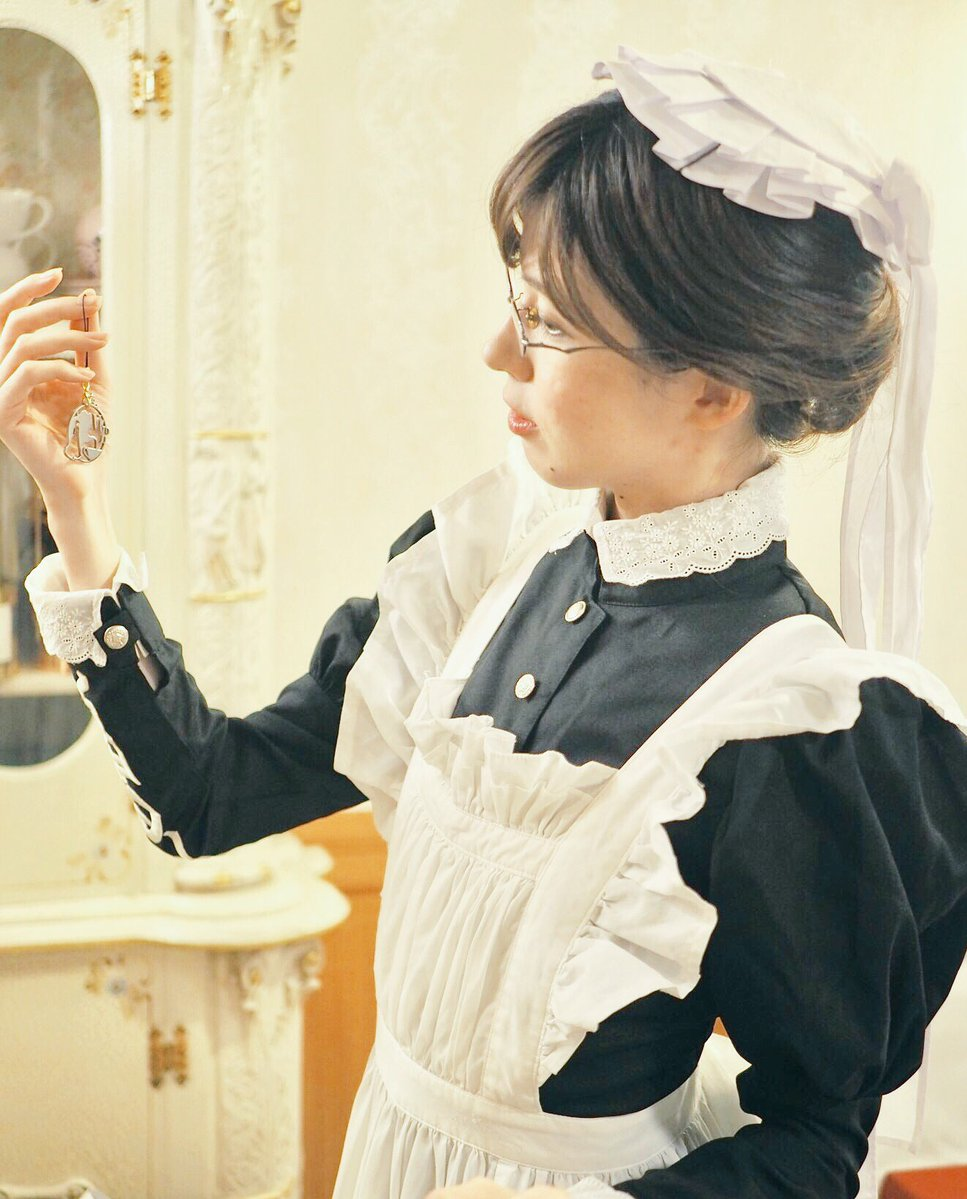
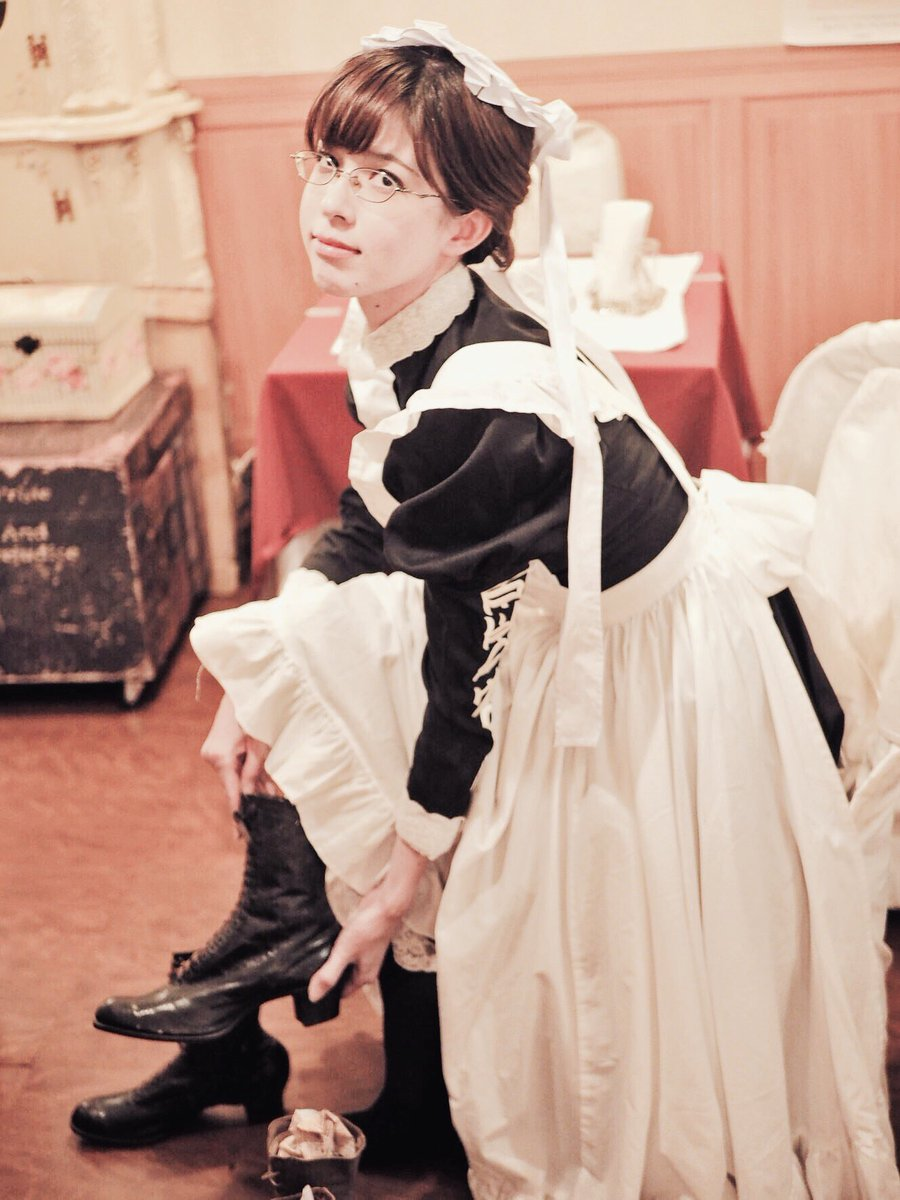
The story resonated widely on X, with many users expressing shock and sympathy. "Even if you don't understand the cultural background, you shouldn't say something like that to a staff member's face... it's just rude," one user wrote. Many others voiced their support for the cafe's philosophy: "I love the flowing skirts of maid outfits. They aren't slaves; they are precious."
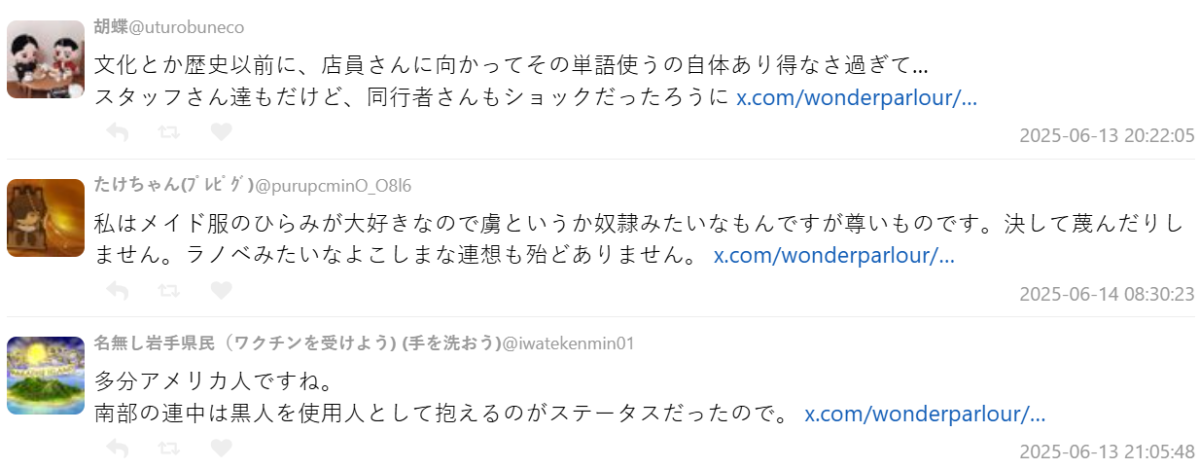
An operator from another maid cafe shared a similar experience: "A foreign customer once asked why Japanese women would be willing to wear clothes like this. I could feel the prejudice in their tone, as if they were asking, 'Why would you willingly take on a demeaning role?'" They speculated that for some Americans, "maid" is a direct synonym for "slave." But in Japanese culture, many maids choose the profession, have opportunities for growth, and can change jobs freely—a world away from slavery.
Many argue that Japan's maid culture stems from *kawaii* and *otaku* culture, defining a professional role centered on "assisting and accompanying customers to create a wonderful time." While the culture is only a few decades old, it's the result of dedicated work by many in the industry. "Here, the maid isn't a supporting character; she is the star of the show."

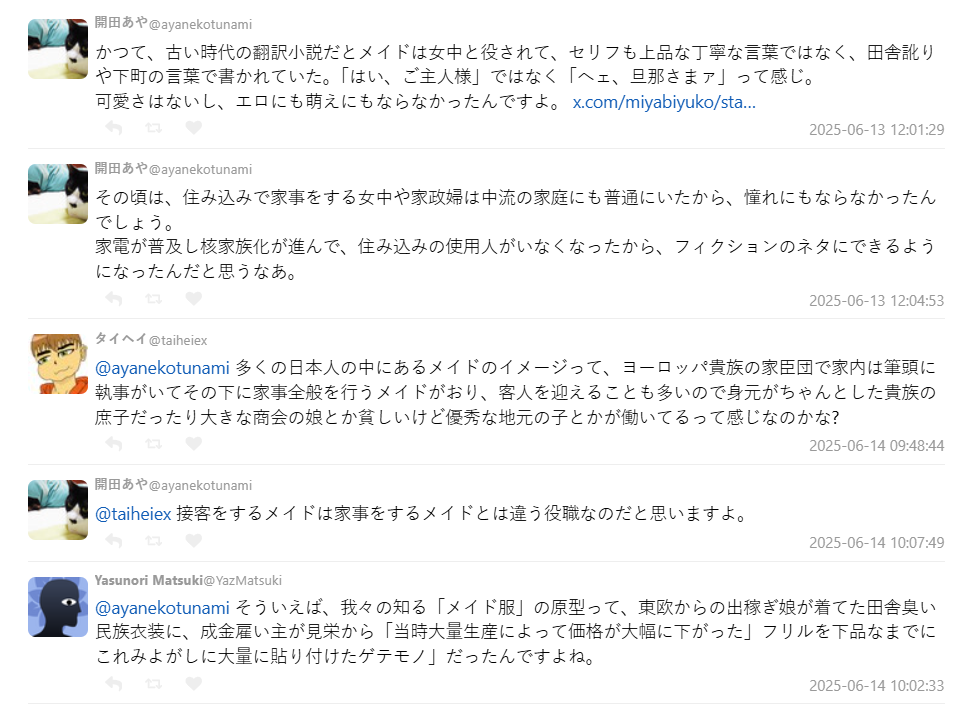
Other users pointed out that maids in older Western novels were not depicted with the elegance or refined speech seen in modern Japanese interpretations. They were indeed members of a lower class, and there was a clear distinction between maids who served guests and those who did housework. The "moe" or sensual undertones found in modern ACG culture were entirely absent.
One commenter even noted that the prototype for the modern "maid uniform" was actually derived from the ethnic clothing of foreign workers hired by wealthy Europeans, which employers then embellished with mass-produced, cheap lace.
In Japan, the "maid" has evolved into a unique and distinct cultural phenomenon. Beyond its portrayal in anime and games, it represents a service profession cultivated by cafes like Wonder Parlour. Comparing this modern, 20-something-year-old subculture to the centuries-old history of servitude in the West is fundamentally a category error.
Still, it's easy to understand why a maid cafe owner would be hurt by such a comment. Perhaps one day, Japan's maid culture will be formally recognized on its own terms, allowing its unique identity to become a global touchstone free from historical baggage.
via: togetter