

In an age where information is just a click away, today's otaku can dive into any subculture with ease. But a recent post on X (formerly Twitter) in Japan has sparked a massive discussion, asking a simple question: "How on earth did otaku get their hands on niche info and obscure data back before the internet was a thing?"
The conversation kicked off when user Type-R (@hitasuraeiga) posted, "Everyone says finding information was hard back in the day, but there were people who somehow managed to get it. Those were the people who were truly called 'otaku.'" The sentiment immediately resonated with countless users, unearthing a fascinating piece of Japanese fandom archeology.
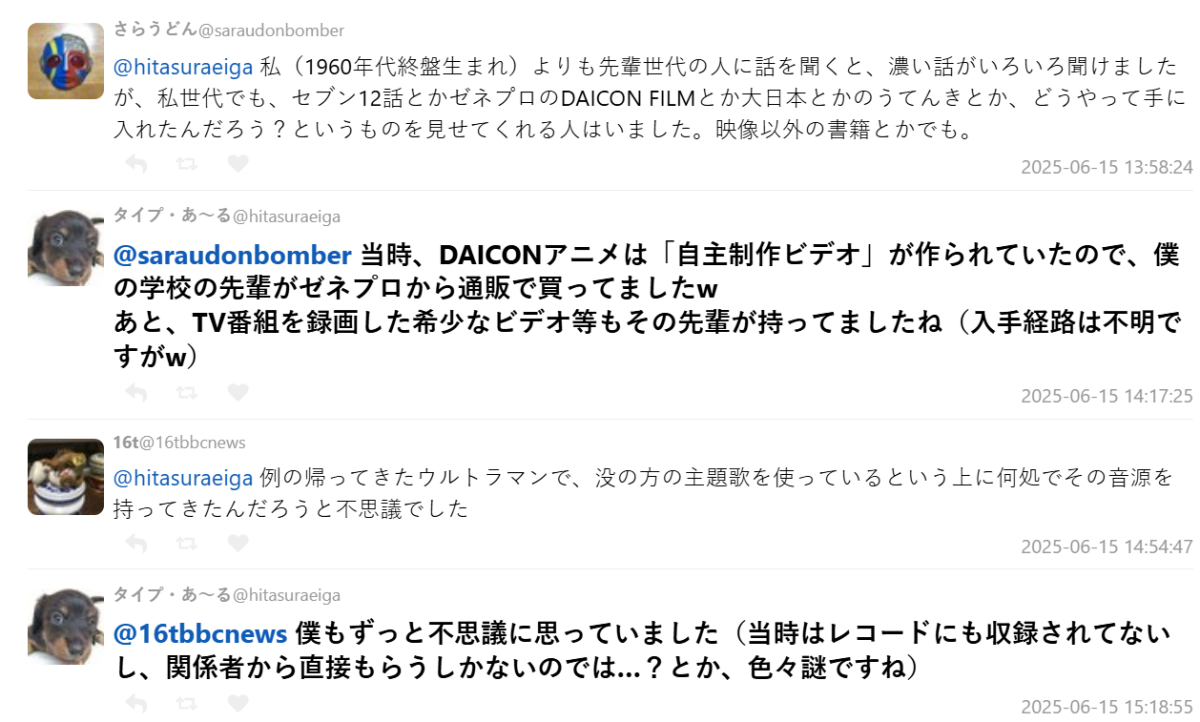
One user, born in the late 1960s, shared that they had to rely on their personal network. They knew older fans (senpai) who had legendary items like a VHS recording of the banned 12th episode of *Ultra Seven*, the indie tokusatsu animation DAICON FILM, and even rare works that never saw a commercial release. Another user added that their senpai could order doujin videos directly from the animation production company GENERAL PRODUCTS (the precursor to GAINAX), leaving everyone to wonder about their mysterious sources.
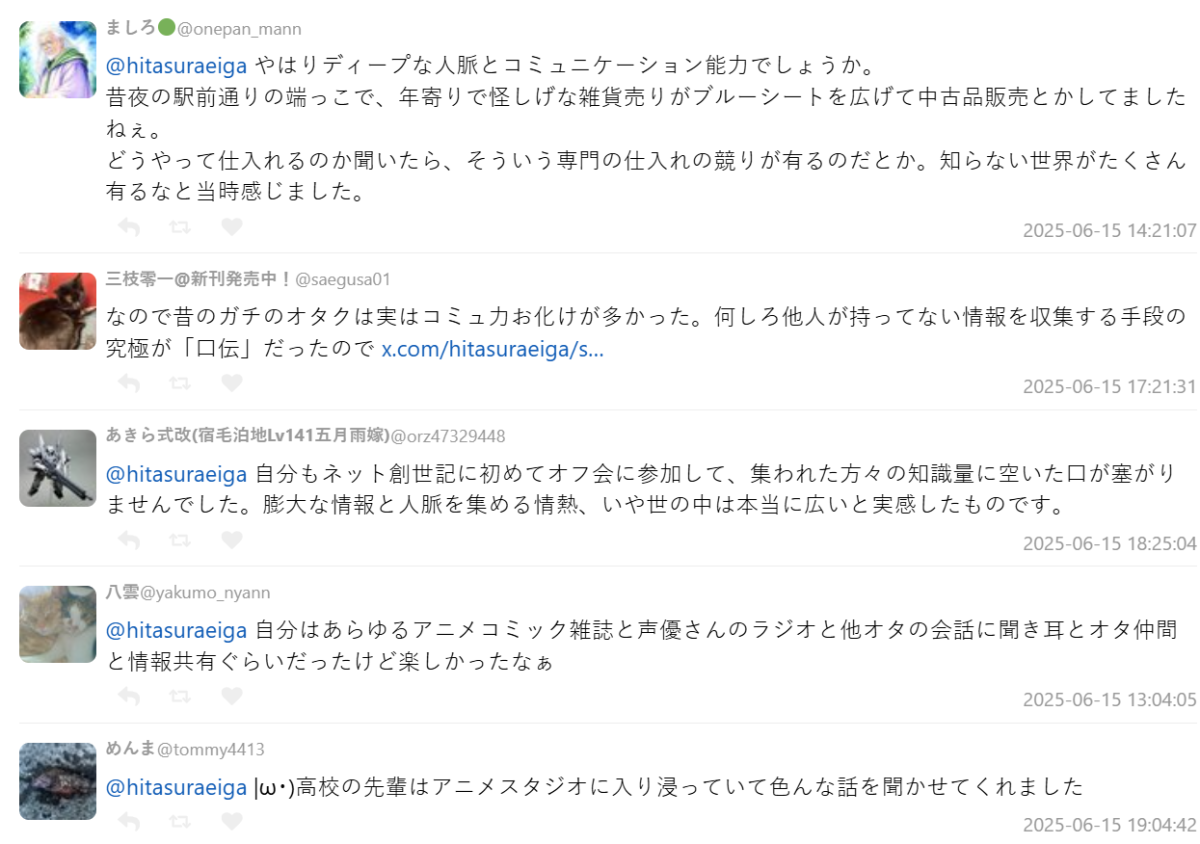
Multiple replies stressed that in an era of information scarcity, social skills were the ultimate cheat code. One person shared stories of digging for treasure at second-hand stalls near train stations and even tracing an "information supplier" back to an underground auction. This was real-life intelligence gathering that required serious legwork.
Another user pointed out, "The real otaku back then were often social monsters, because the most powerful source of information was word-of-mouth." This is a stark contrast to the modern stereotype of the socially awkward geek; back then, being proactive was essential.
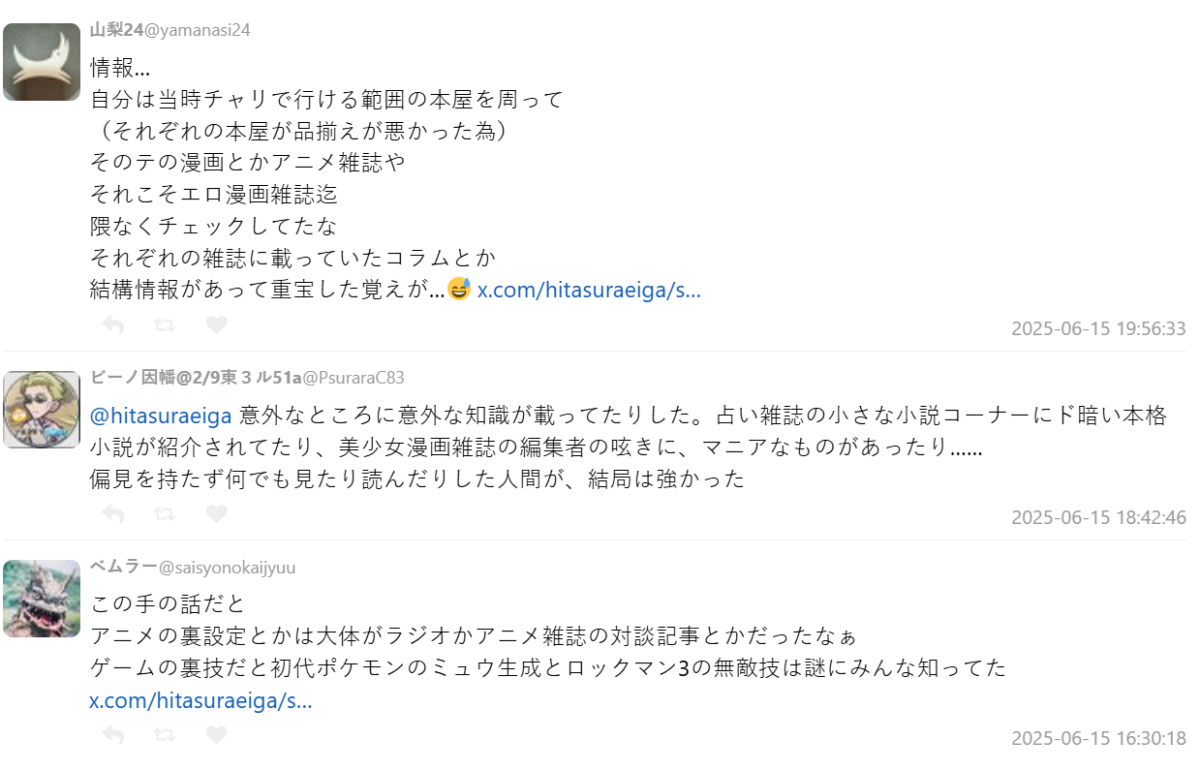
Beyond relying on friends and communities, otaku of the era would bike around to every bookstore, devouring manga magazines, listening to voice actor radio shows, and even scouring tiny columns in fortune-telling magazines just to find a scrap of useful information.
"The editor's notes in old bishoujo manga magazines or small columns in fortune-telling zines would sometimes introduce super-niche works. The strongest fans were the ones who read everything," a user recalled. Hidden anime lore would be tucked away in animated sequences or radio dramas, and game cheats had to be meticulously unearthed.
For otaku living outside major cities, the information gap was a harsh reality. One fan mentioned taking the Shinkansen from Kyushu on a student pass to make an "expedition" to Tokyo, or taking a boat to Osaka to visit GENERAL PRODUCTS.
Getting information back then was a grind that depended on physical effort and personal connections. You couldn't be an otaku by just staying home; you had to be constantly on the move.
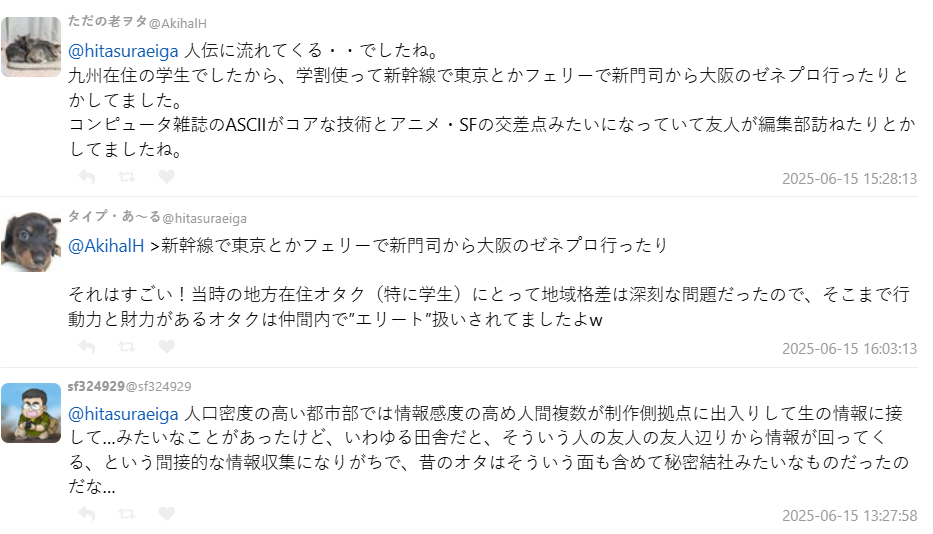
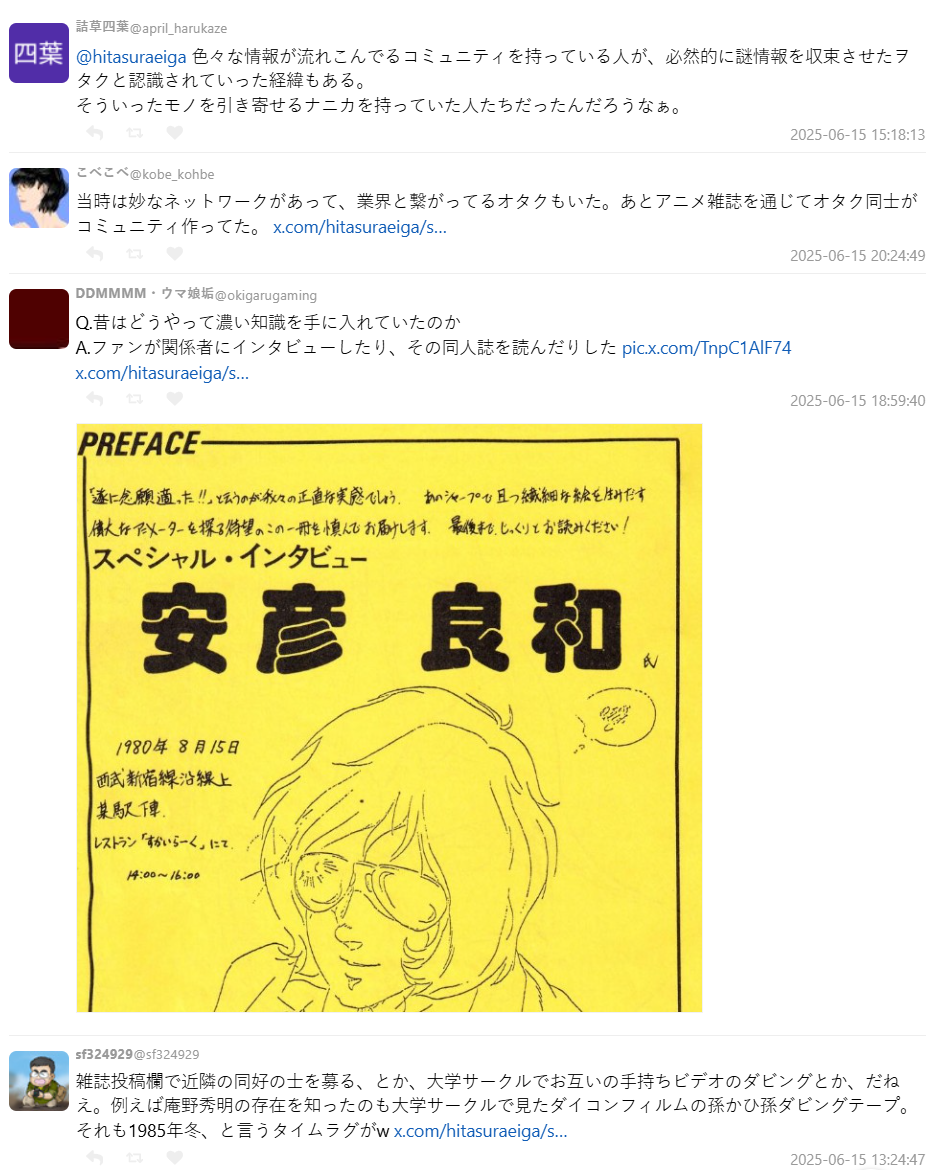
Many in the discussion pointed out that "otaku with extensive information sources" often became the recognized "core figures" of their local scenes. They would form clubs, create doujinshi, host screening events, and even interview creators themselves, publishing their findings for others.
"The first time I ever heard of Hideaki Anno was in 1985, when I watched a bootleg VHS of the DAICON animation at my university club," one person shared. The term "otaku" didn't even exist yet, but these tight-knit groups were already forming and sharing knowledge.
Many recalled that these dedicated fans were called "mania," "collectors," or "intellectuals." The word "otaku" hadn't even been coined yet. It was only later that "otaku" became the umbrella term for all deeply invested fans. In an era when the mainstream didn't understand subcultures, they were often seen as oddballs, but within their circles, they were objects of reverence and admiration.
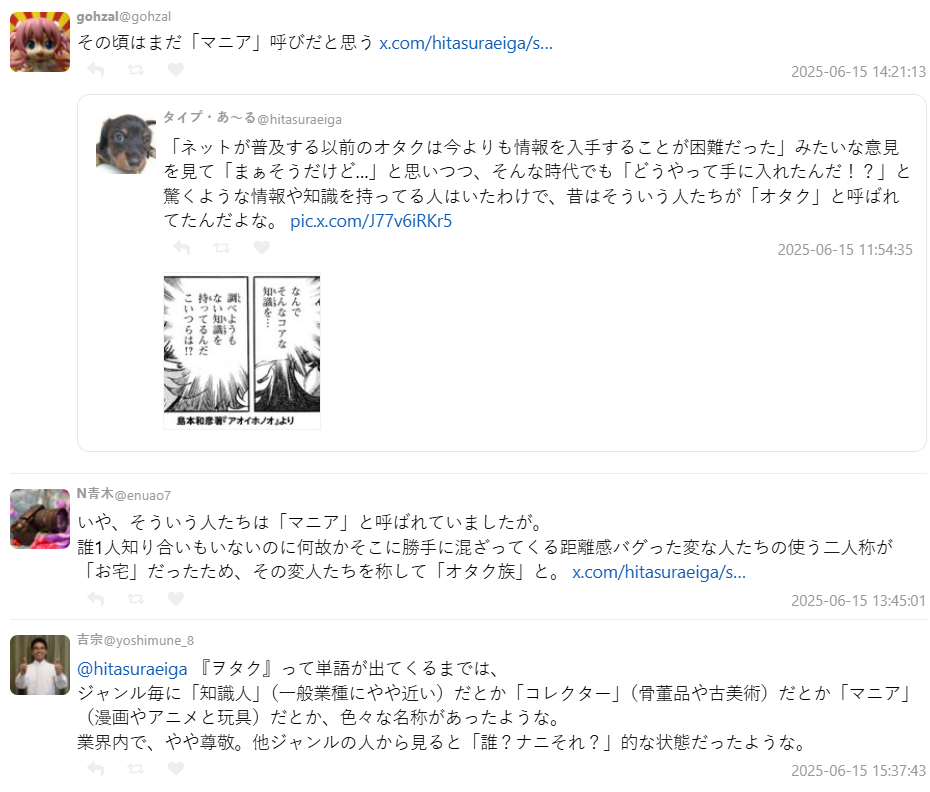
In a time before Wikipedia, YouTube, or even widespread home computers, they relied on:
️ A burning passion for information + proactive energy + a strong network + the soul of a magazine and radio archivist.
️ Attending events, asking senpai, making friends, and traveling the country by bike and train.
️ Absorbing every bit of anime and gaming knowledge they could to become the hub of their community.
This image of the old-school otaku is perhaps quite different from the common perception today. They were more like knowledge-seekers willing to use any means necessary to pursue their passion.
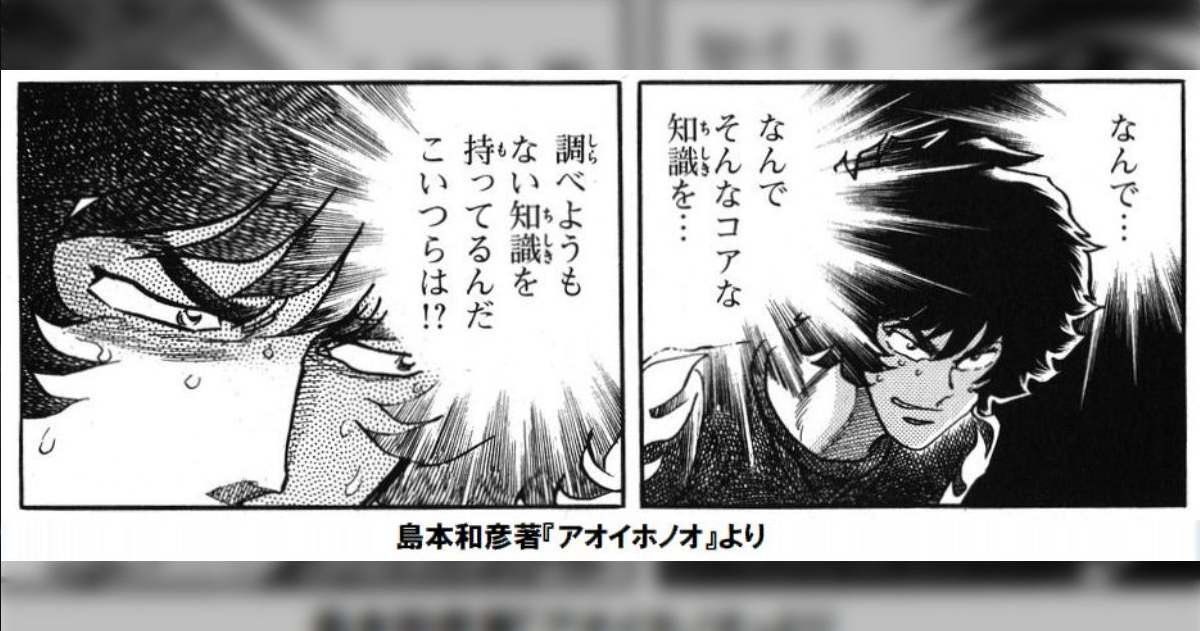
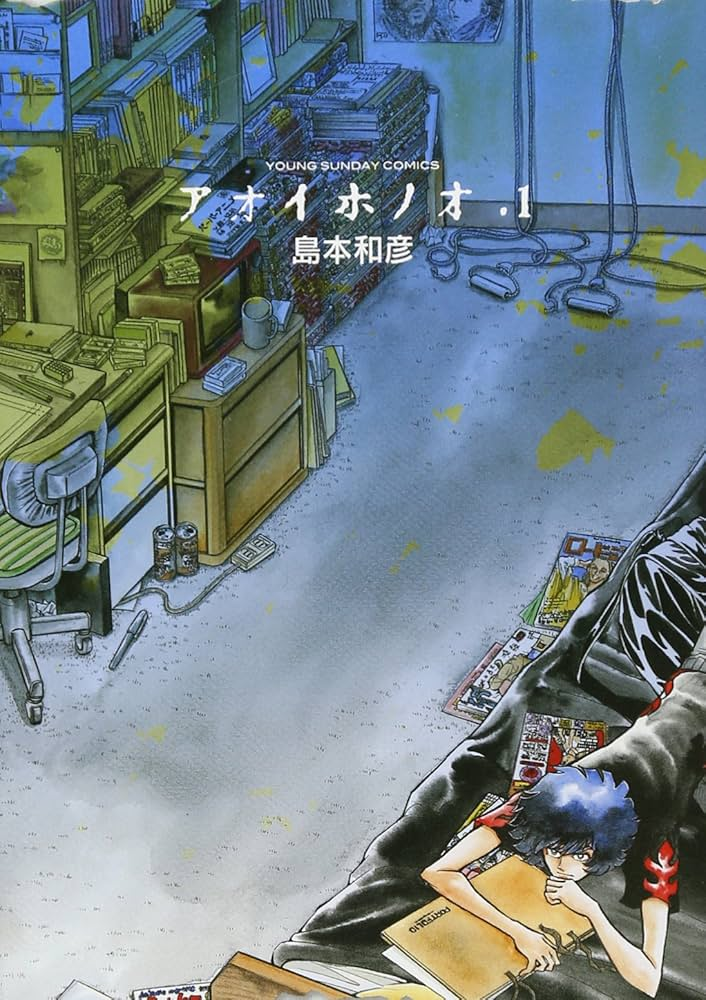
For anyone curious about this era, we highly recommend Kazuhiko Shimamoto's manga *Blue Blazes* (Aoi Honoo). It masterfully depicts the lives of these fans, featuring many famous manga artists and animators, and offers a direct window into the spirit of the times.
via: togetter