

If you've ever traveled to Japan, chances are you've spotted ads for host clubs in areas like Shinjuku, Tokyo, or Osaka. These ads typically feature photos and names of the top hosts, proudly showcasing their charm and who the club's headliners are.
However, a recent amendment to Japan's Public Morals Business Act (known as Fueiho) has severely restricted the language host clubs can use in their advertising. Many common phrases like "No.1," "annual income over 100 million yen," and "executive representative" are now strictly forbidden. To navigate these new rules, some clubs are getting creative with how they highlight their hosts' appeal, leading to slogans that netizens are hilariously comparing to kindergarten award ceremonies.
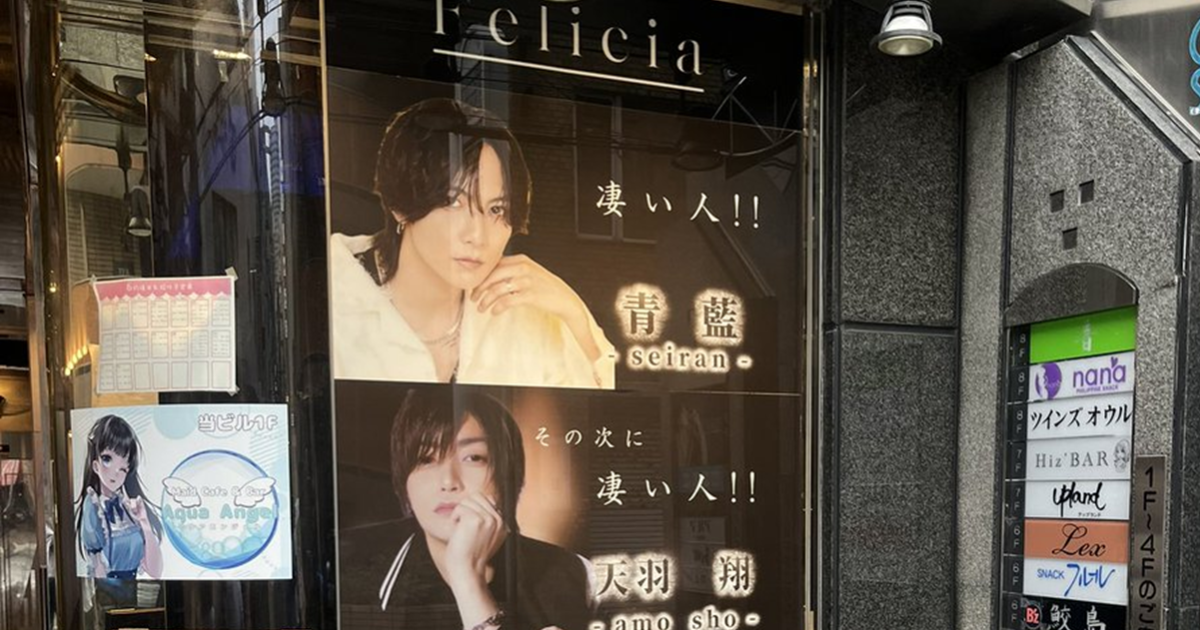
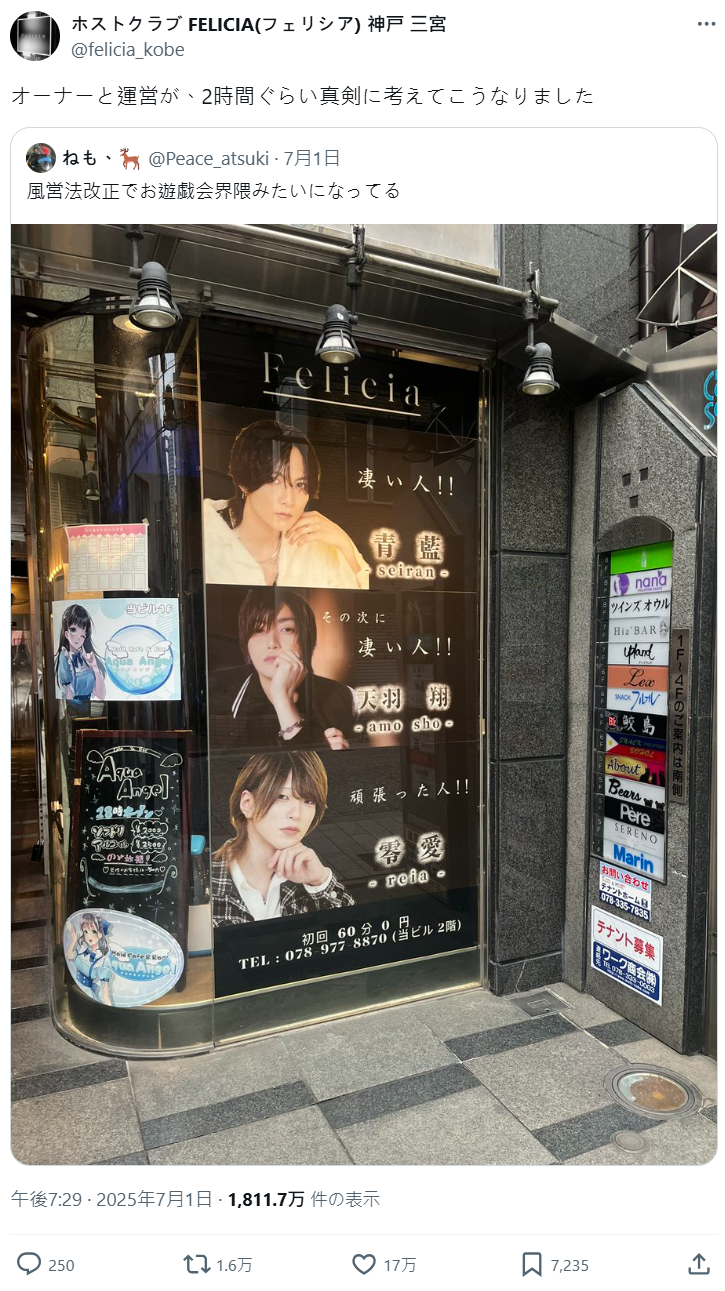
A viral tweet recently showcased an outdoor ad for a host club called "FELICIA (フェリシア)" in Kobe. The photo quickly sparked a frenzy online, with many exclaiming, "What's with this vocabulary?" and "It looks exactly like a kindergarten talent show!"
The sign features slogans like "The one who worked hard!" and "The amazing one!"—phrases that sound straight out of an elementary school honor roll, bringing a chuckle to anyone who sees them.
In response, FELICIA's official account personally chimed in: "Our owner and operations team seriously spent two hours coming up with these." They emphasized that they're doing their best to survive amidst the changing regulations, stating, "This is an effort to stay in business."
According to the new 2025 Public Morals Business Act amendment, clubs are explicitly prohibited from using the following in their signs or advertisements:
Rankings or competitive implications (e.g., No.1, No.2, Gold Award)
Exaggerated sales figures (e.g., annual income over 100 million yen, 30 million yen in monthly sales, number of SNS followers, number of likes)
Titles and positions (e.g., Representative, Manager, Assistant Executive)
Promotional slogans (e.g., Promotion Celebration, Transfer Announcement)
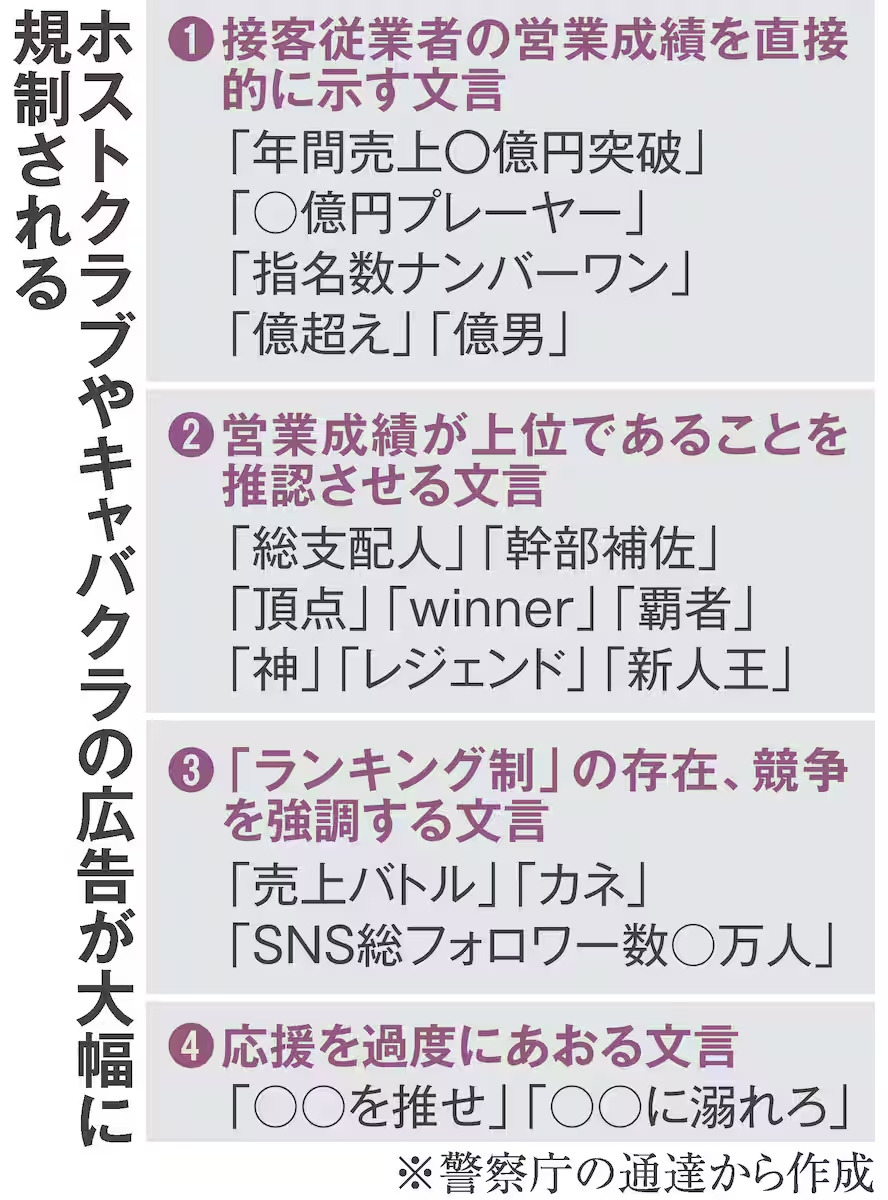
This means any language that might suggest "who's better" is now a minefield, forcing many establishments to rack their brains for creative alternatives. FELICIA, for instance, opted for "すごい人 (The amazing one)" and "がんばった人 (The one who worked hard)" to replace traditional rankings.
However, even with these changes, some netizens point out that "these terms could still be interpreted as indirect rankings," and even connecting phrases like "better than him" might cross the line. One user jokingly suggested, "At this point, it'd be safer to just list everyone's favorite food."
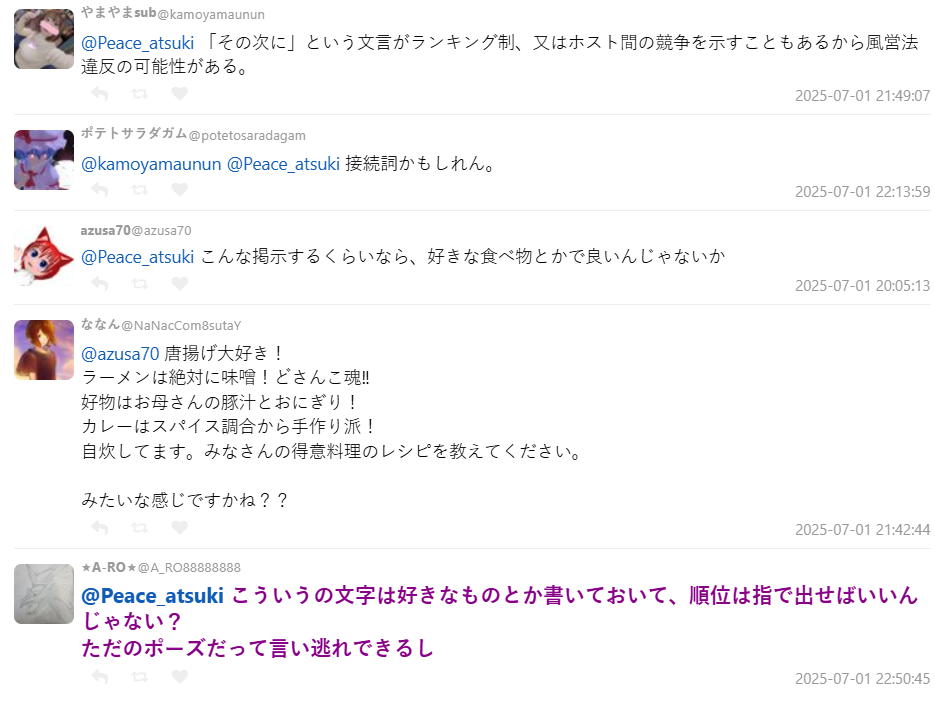
Another commenter noted that the style looks exactly like a "Hamtaro game manual."
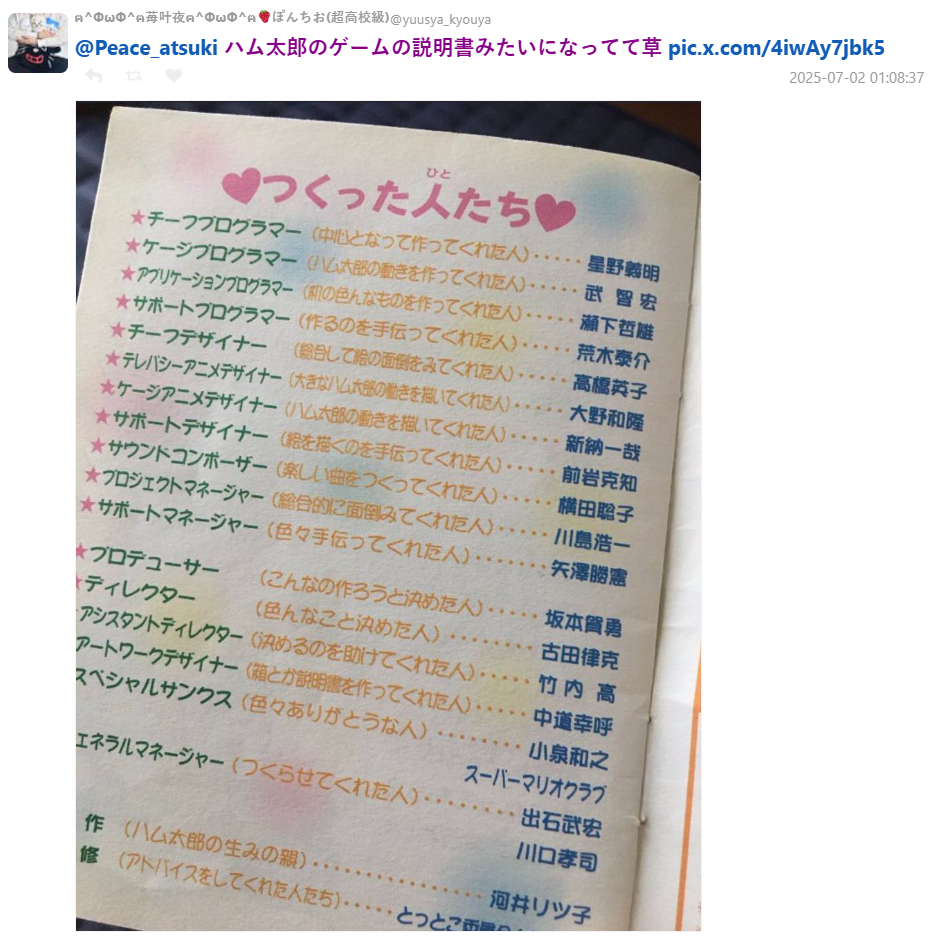
While many clubs are complaining about the overly restrictive new rules, some argue that this might actually open up new avenues for creativity within the host club industry. As one netizen summarized: "The vocabulary might be dead, but the humor is alive." In this era of slogan-based creativity, leaving an impression through laughter has become a new kind of competition.
So, on your next trip to Japan, keep an eye out for host club ads and see what new catchphrases they're using to introduce their talent!
via: togetter