

If you're anything like us, you're probably a ramen fiend. In recent years, ramen shops have been popping up everywhere, especially in Taiwan, with famous spots drawing lines across the island. The variety of flavors is insane, and you'll see queues forming on weekdays and weekends alike.
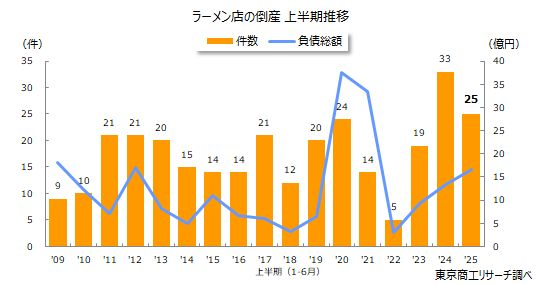
But hold onto your chopsticks, because Japan's ramen scene is facing a serious shake-up. For the first half of 2025 (January-June), ramen shop bankruptcies hit the second-highest record in history. According to data from Tokyo Shoko Research, 25 ramen shops went belly-up this half-year. While that's a slight dip from last year's record-breaking 33, it's still a grim picture. Japanese media outlet ITmedia even published an article diving into this phenomenon, explaining the current state of Japan's ramen market.
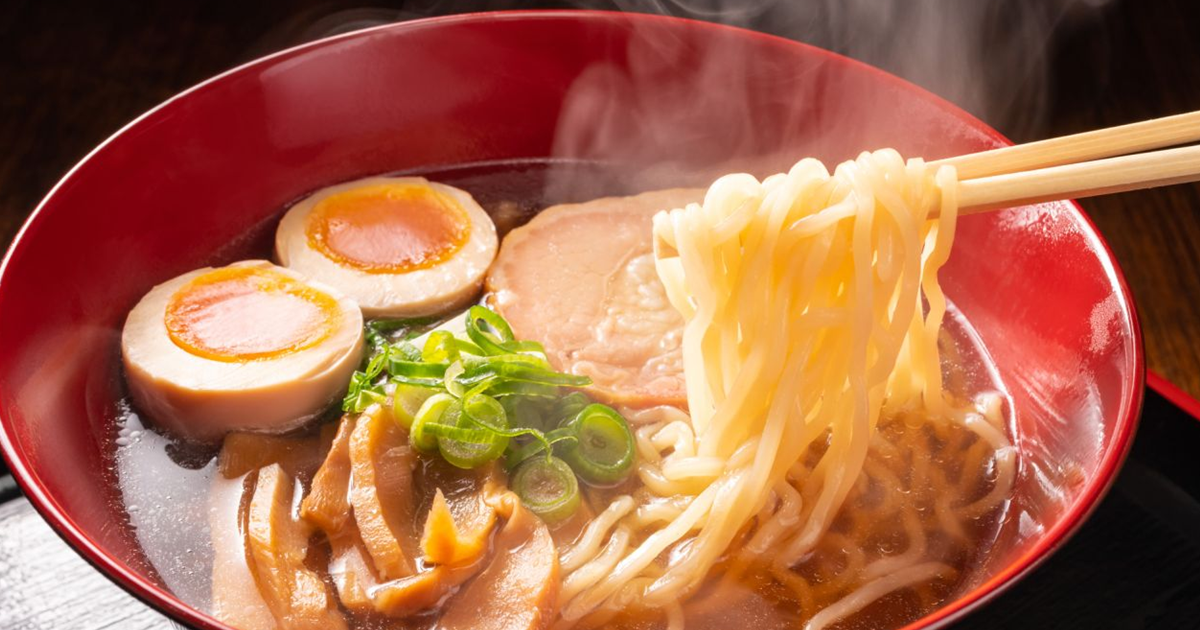
So, why the sudden downturn? Unsurprisingly, nearly 90% of these closures boil down to one thing: "poor sales." The weakening yen, rising raw material costs, increasing labor expenses, and soaring utility bills are all hitting hard. Yet, shops are hesitant to raise prices, making operations increasingly difficult.
Beyond the fierce competition within the ramen industry itself, another huge factor is the influx of unexpected competitors. We're talking conveyor belt sushi restaurants, izakayas, family restaurants, and even convenience stores and vending machines – ramen is literally everywhere.
What's even wilder is that many of these "non-traditional" ramen joints are collaborating with famous ramen masters, luring in curious customers and further squeezing the market for standalone shops.
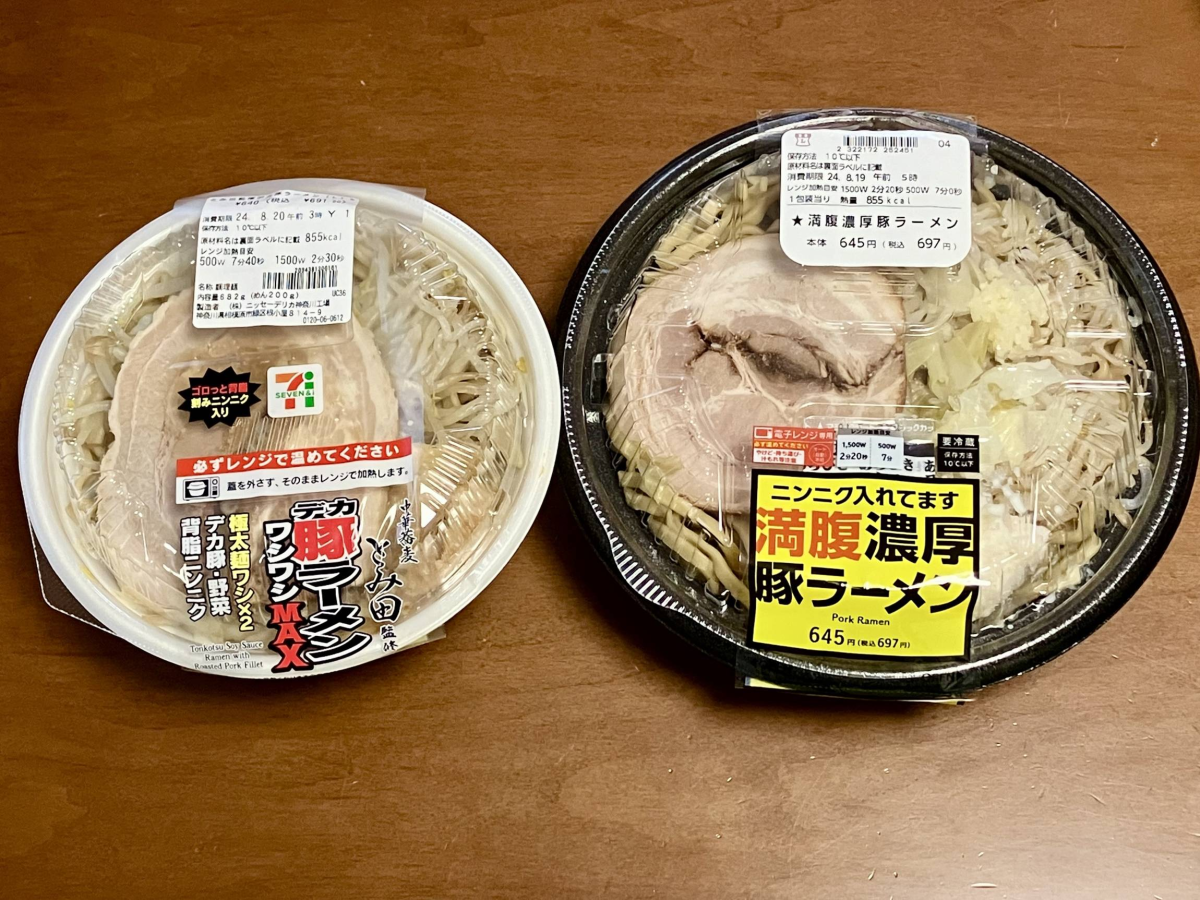
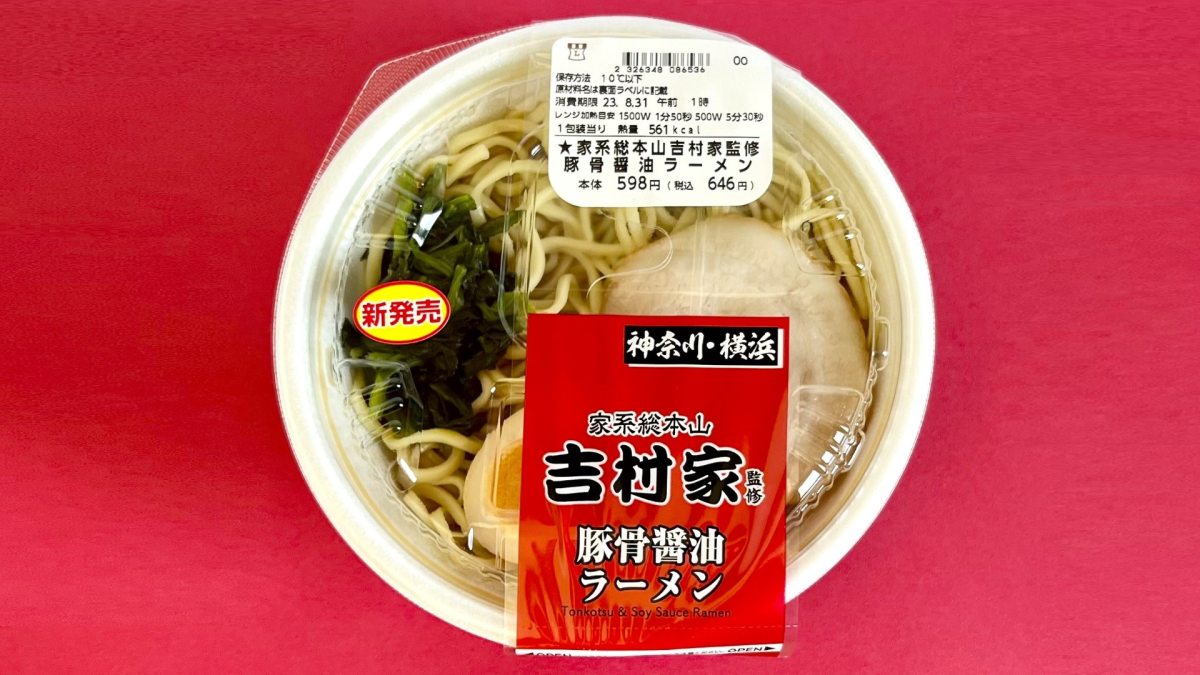
▼ You'll often find these ramen products in Japanese convenience stores now, some even collaborations with famous shops.
Take the big conveyor belt sushi chains like Sushiro, Hama Sushi, Kura Sushi, and Kappa Sushi – they've all got ramen on the menu now. Besides sushi, they're also serving soba, udon, desserts, coffee, and even alcohol, essentially transforming into "all-in-one Japanese restaurants."
Their strategy? While it's tough to hike sushi prices, they can charge a bit more for side dishes like ramen, which offers higher profit margins. That's why they're aggressively expanding their ramen offerings.
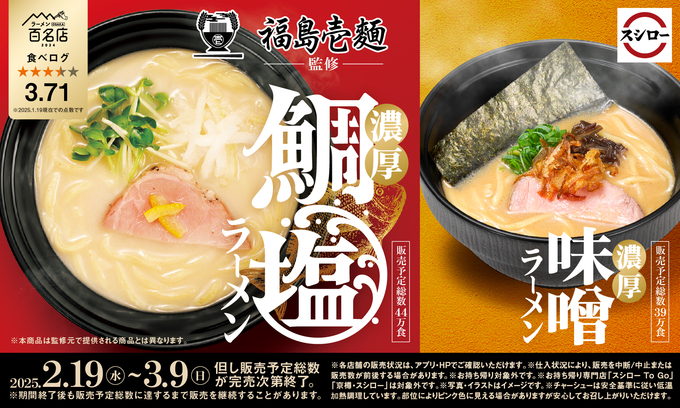
▼ Sushiro, for instance, frequently partners with ramen shops to create exclusive, in-store-only ramen dishes.
▼ Kappa Sushi, a Japanese chain, is arguably the most serious about its ramen game, offering a wide variety and frequent limited-time menus.
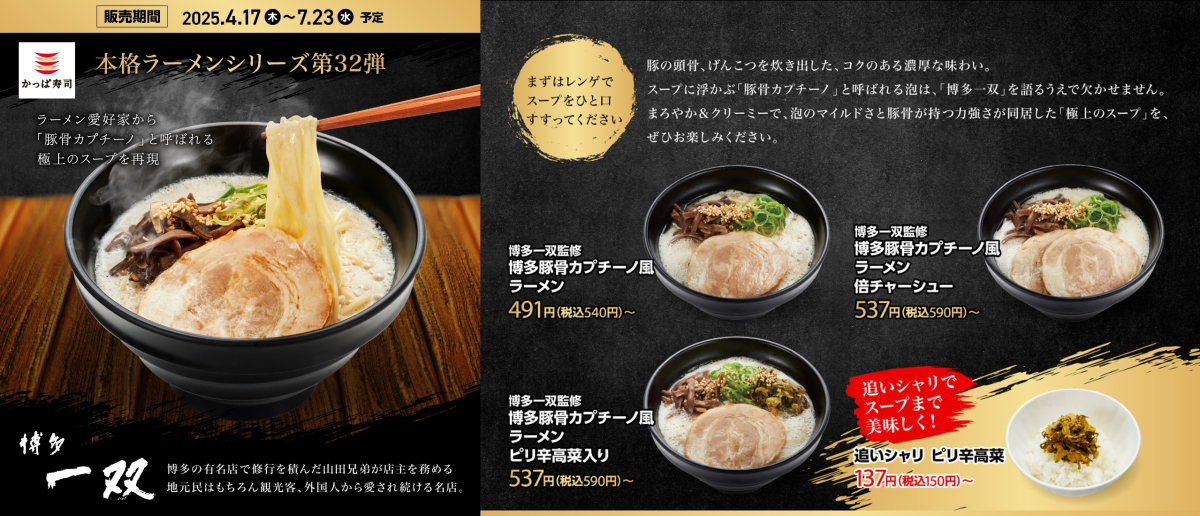
So, how are these non-ramen specialists dishing out bowls that rival, or even surpass, dedicated ramen shops? It's all thanks to advancements in freezing and refrigeration technology. Broth, noodles, and chashu pork are mass-produced in factories, then flash-frozen and delivered to each store. Staff just need to thaw, add some green onions and toppings, and boom – a consistently high-quality bowl of ramen, with a simple and stable process.
Another key factor was the pandemic years. Many ramen shops shortened hours or even temporarily closed. In contrast, major chains and convenience stores, desperate to recover foot traffic and sales, aggressively developed ramen products, even collaborating with famous shops to generate buzz. Over time, customers were siphoned away. Now, only the established, popular shops with steady customer bases, or those strong enough to partner with large corporations, are surviving. Smaller, independent shops are facing wave after wave of closures.
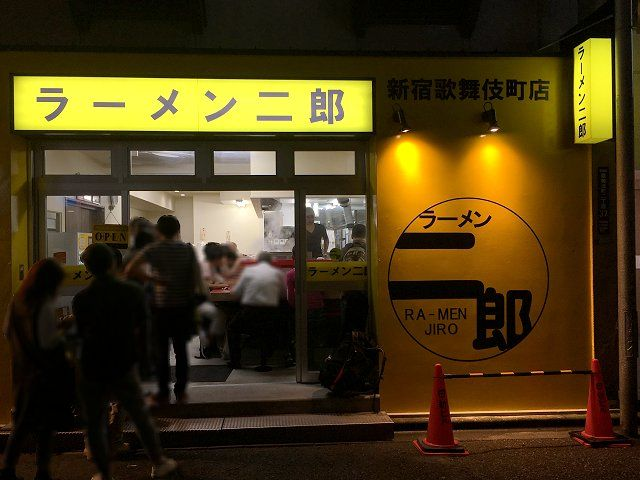
Of course, ramen is a quintessential Japanese delicacy, and while shops will always open and close – a natural cycle seen in places like Taiwan too, as markets reach saturation – the current trend is undeniable.
But with so many different eateries and convenience stores now slinging ramen, it's definitely shaking up the traditional ramen shop landscape. Next time you're in Japan, why not try a bowl from one of these unexpected spots – you might be surprised if it lives up to your ramen dreams!
via: ITmedia