

For any anime and manga fan, getting a signed shikishi or an original drawing from their favorite creator is a dream come true – a prized possession that also holds significant market value.
Japanese media outlet Real Sound recently highlighted a growing problem: the proliferation of fake manga original artwork and signed boards on online auction and resale platforms. While most people associate counterfeits with antiques, scrolls, or ceramics seen on shows like "Kaiun! Nandemo Kanteidan" (Treasure! Anything Appraisers), the truth is, bogus manga originals and signed items have been around for years. The industry has been sounding the alarm, but the fakes just keep coming.
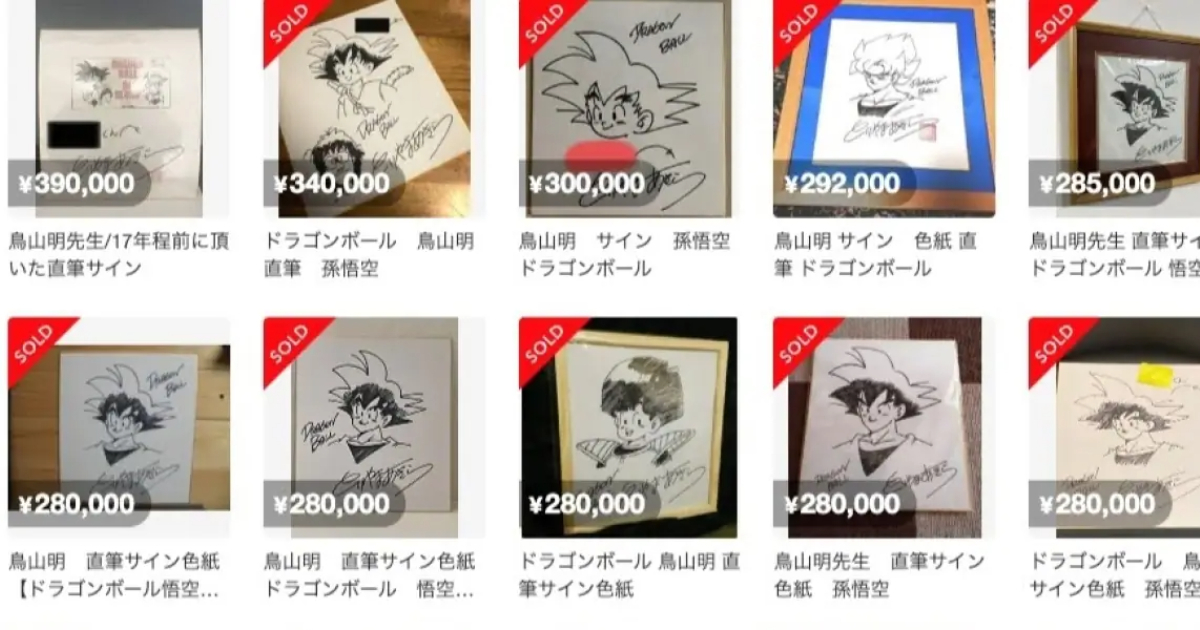
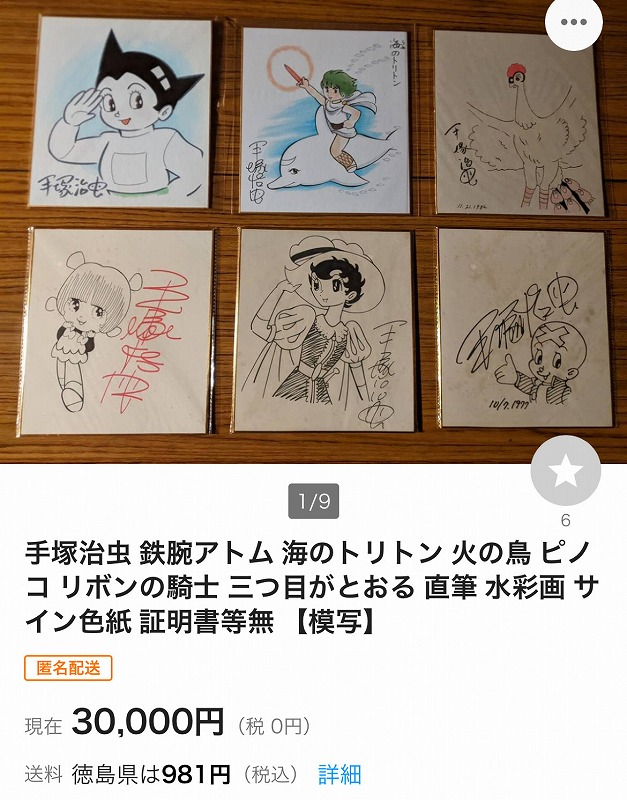
Some fakes are laughably obvious, but others are so expertly crafted that even a seasoned collector might struggle to tell the difference. Social media is rife with posts from people proudly showing off "manga originals they snagged on auction sites," only for them to be glaringly fake. YouTube, too, is full of collectors flaunting what they believe are genuine signed boards, original art, or even anime cels – all of which turn out to be counterfeits.
So, where did this surge in fakes come from? The answer is simple: the booming global popularity of Japanese manga and anime. Especially during the 2020 pandemic, with everyone stuck at home, streaming platform subscriptions skyrocketed, leading to an explosion in international anime fans and, consequently, a massive boost to the collectibles market.
This craze isn't just fueled by hardcore otaku; it's also attracting wealthy investors who see original art and signed boards as prime investment opportunities. Much like Rolex watches, Pokémon cards, or contemporary art, the prices for manga originals and signed items have soared. Plus, with more manga art exhibitions popping up, the artistic value of traditional hand-drawn originals is being rediscovered. The rise of AI and digital art has also made physical works even more coveted.
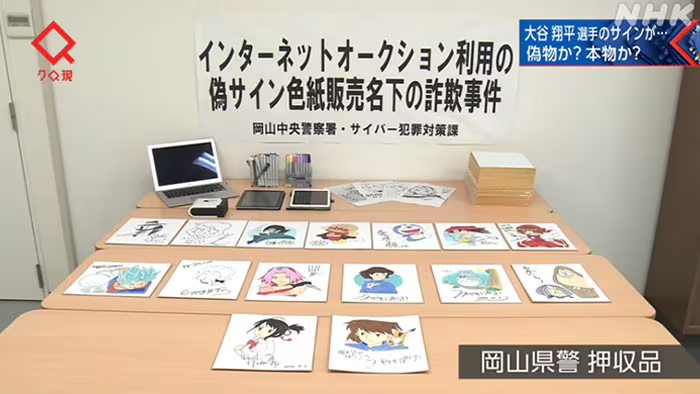
▼ Japanese police have also busted numerous fraud cases involving the sale of fake originals and signed boards in recent years.
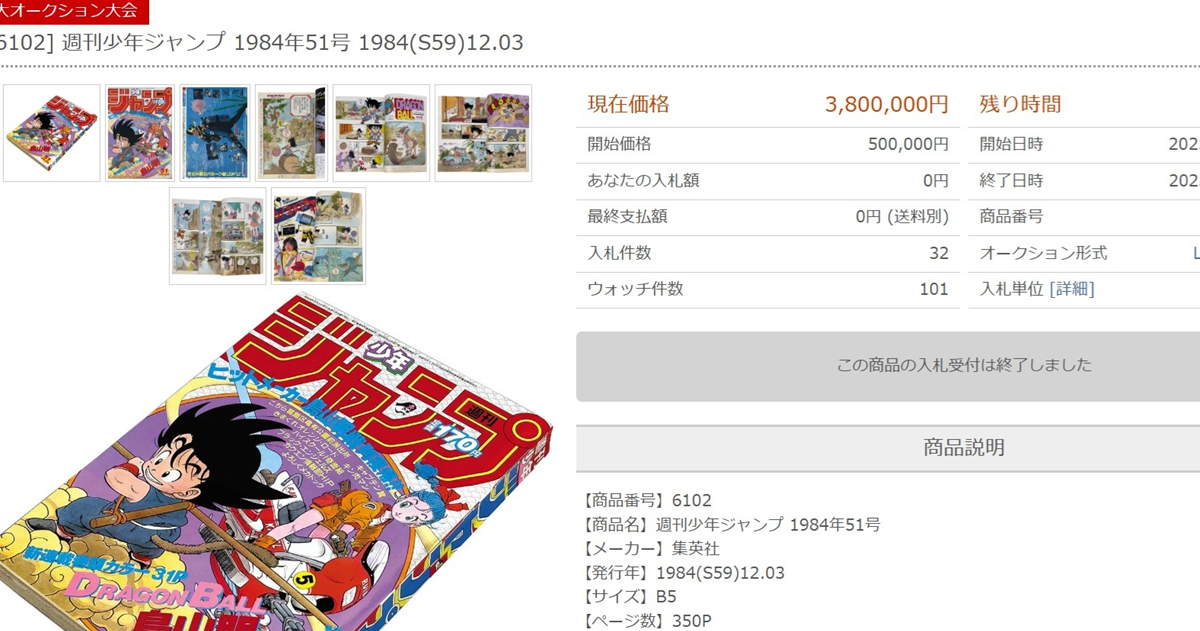
In recent years, the market prices for these types of collectibles – or even first-issue publications of classic manga series – have skyrocketed, attracting more and more buyers willing to shell out big bucks.
▼ Case in point: a 1984 51st issue of "Weekly Shonen Jump," featuring the official debut of "Dragon Ball," hammered down for 3.8 million JPY at a Mandarake auction.
Most of these fakes are acquired through online auctions or resale platforms. Many buyers simply don't consider that original art or signed boards could be counterfeit, and even more have never seen a genuine hand-drawn original in person, making them easy targets for scammers.
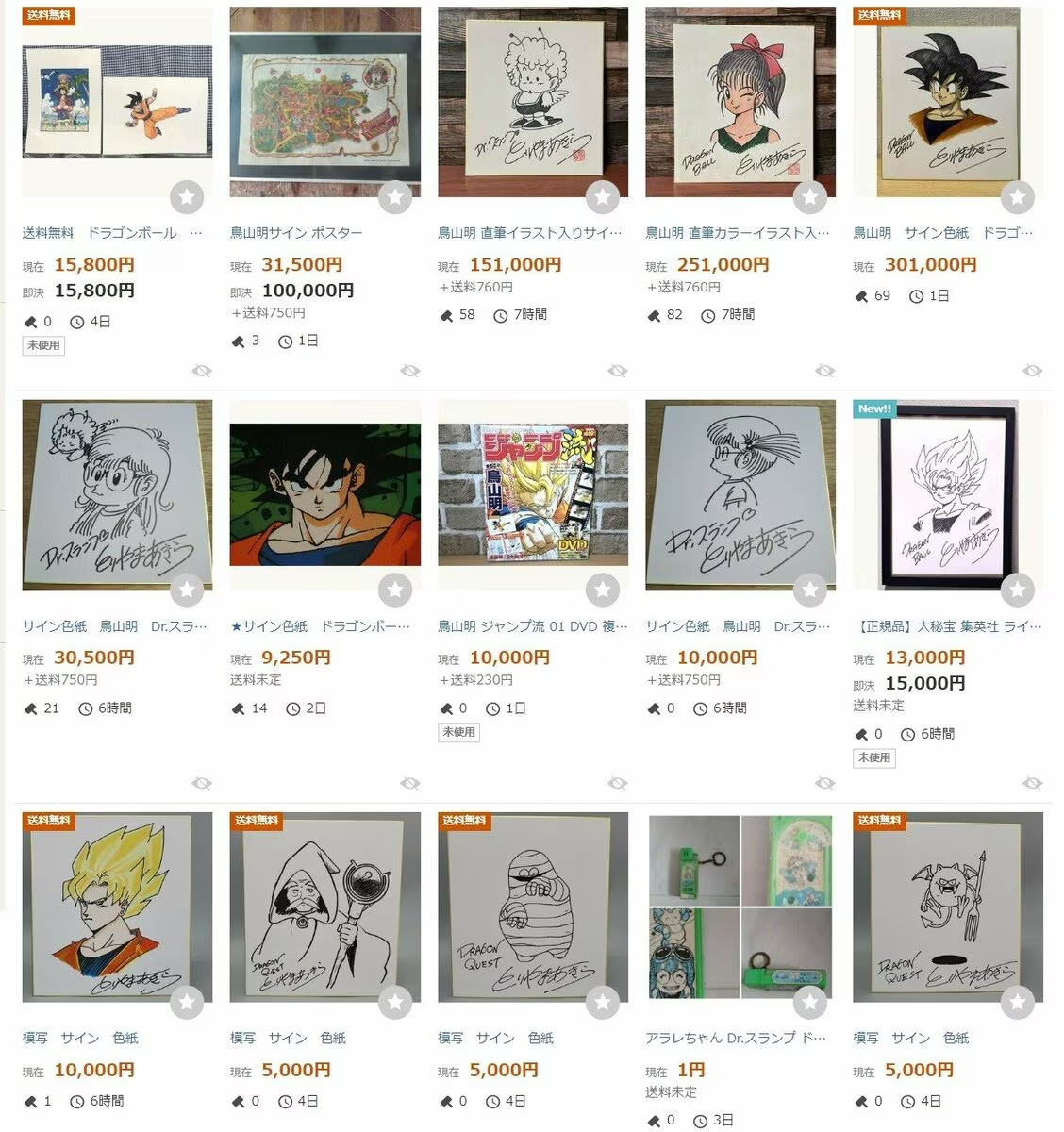
Many collectors who've been duped admit: "I trusted my own judgment and appraisal skills too much, and ended up with a fake." What's even more ironic is that veteran fans are often more likely to let their guard down than newcomers, increasing their chances of falling for a scam. After all, it's usually the die-hard fans who are willing to pay top dollar for these items; newbies typically don't have that same drive to invest in such collectibles.
So, don't just jump on a cheap deal, and don't go chasing after that "hidden gem" fantasy – true treasures are rare finds. Always make sure your source is trustworthy to avoid getting burned.
via: Real Sound