

2025 is undoubtedly a year of resurgence for superhero cinema, especially after 2024 saw critical and commercial disappointments like "Madame Web," "Joker: Folie à Deux," and "Kraven the Hunter." This year, audiences have welcomed new entries such as "Superman," "The Fantastic Four: First Steps," and "Thunderbolts*."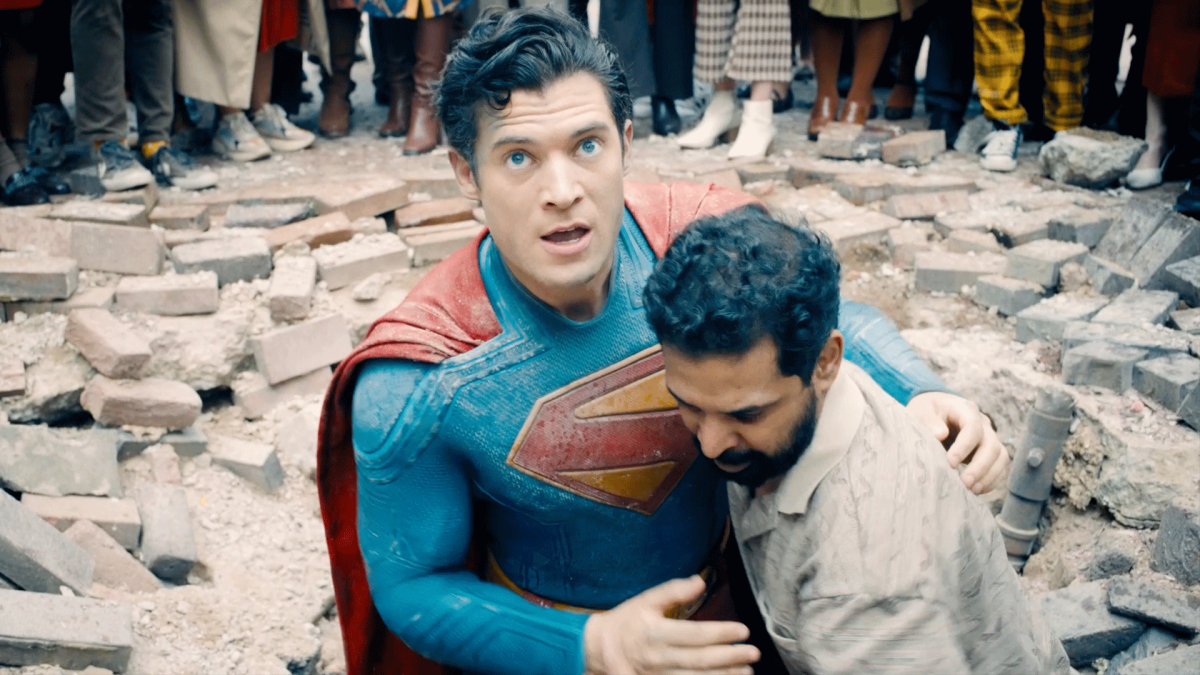
While critical reception and box office numbers have generally stabilized, online discourse remains rife with narratives of "superhero fatigue" and "box office disaster." Some fans contend that "Superman"'s inability to surpass the 2013 "Man of Steel"'s $670 million haul equates to failure. Others argue that even with "The Fantastic Four: First Steps" being a critical and commercial success, it's still being branded as a sign of the MCU's demise.
Addressing this, IGN published a special analysis, asserting that "not every superhero movie needs to gross a billion dollars to be considered a success."
IGN states that fans and the market have long viewed "a billion dollars" as the sole benchmark for blockbuster success, but this is, in fact, a misconception.
Historically, while James Cameron's 1997 epic "Titanic" set a record with $1.8 billion, it wasn't until the mid-2000s that more films consistently crossed the billion-dollar threshold. The true game-changer that solidified this standard was 2012's "The Avengers," which grossed $1.5 billion. Since then, both fans and studios have begun to gauge the success or failure of superhero films based on their proximity to the billion-dollar mark.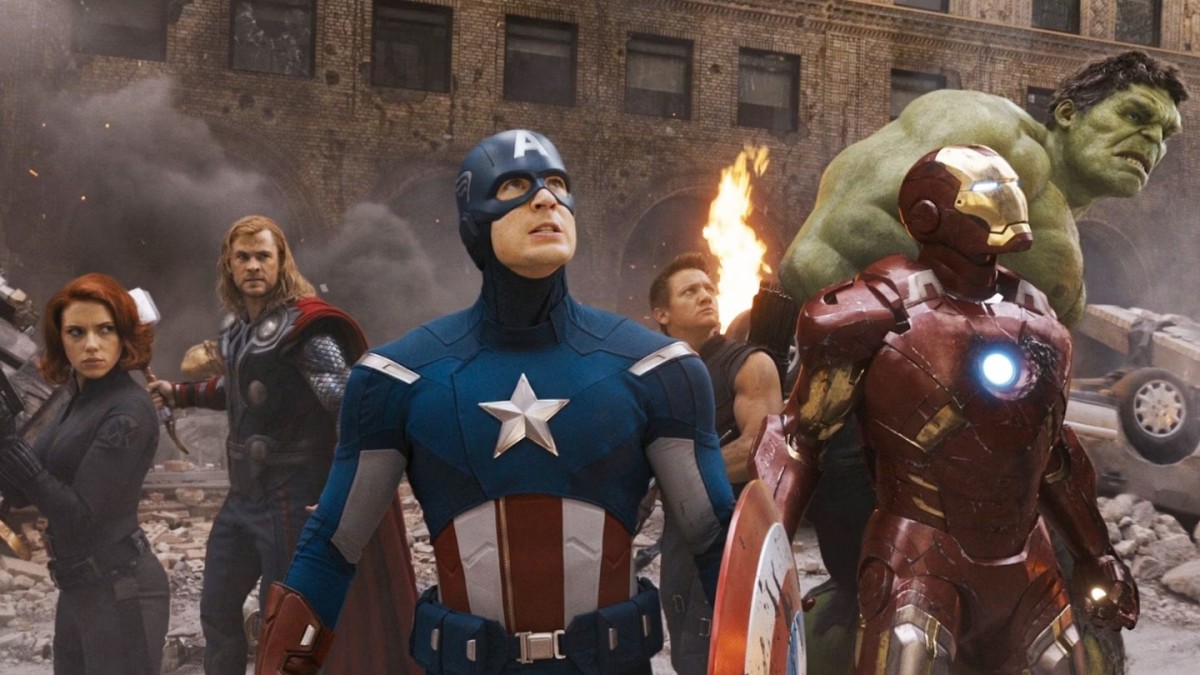
However, IGN's analysis contends that such expectations disregard both film quality and the actual industry landscape. For instance, this year's "Superman" grossed approximately $600 million, while "The Fantastic Four: First Steps" surpassed $500 million. These figures represent solid commercial performances, yet online, they are often characterized as "disasters."
The outlet points out that this narrative clearly contradicts reality, as the studios are quite satisfied with these performances. A director reportedly stated that the claim of needing "$650 million to break even" was "absolutely false." Furthermore, Disney CEO Robert Iger emphasized that "The Fantastic Four" successfully integrated the team into the MCU, marking an ideal starting point.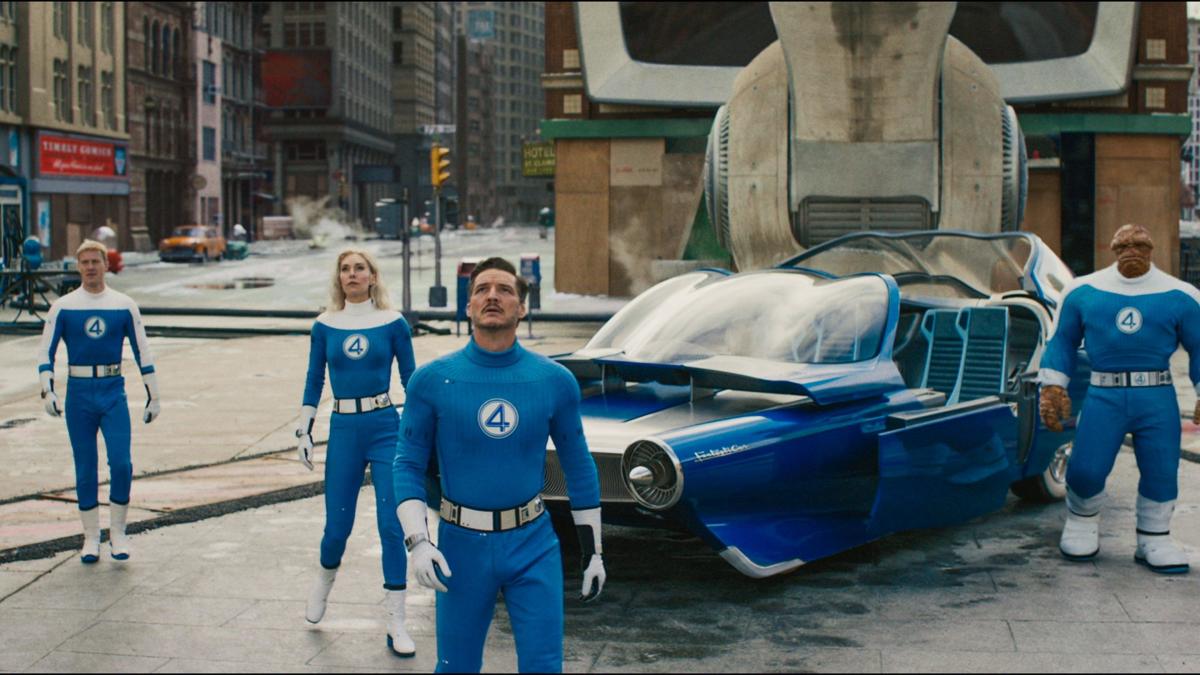
IGN further suggests that the real issue isn't "insufficient" box office numbers, but rather that audiences have been disillusioned by a string of low-quality releases in recent years, citing examples like "The Flash," "Ant-Man and the Wasp: Quantumania," and entries from Sony's Spider-Man Universe. When confidence is eroded, it's natural that not every superhero film will draw audiences. Therefore, instead of "hero fatigue," it's more accurately "bad movie fatigue."
In reality, superhero films remain a crucial pillar of the market, but they no longer monopolize the box office landscape. IGN highlights that 2025 has seen the rise of diverse genres: the original horror film "Weapons" surpassed $200 million, the star-studded "F1" took in over $600 million, and the romantic drama "Materialists" neared $100 million. Furthermore, the Chinese animated film "Nezha 2" claimed the title of the year's global box office champion. These figures demonstrate that audiences crave a wider array of choices, rather than a single genre dominating the big screen.
IGN concludes by emphasizing that superhero films are not disappearing. The future still holds major releases such as a "Superman" sequel, a "Supergirl" standalone film, and "Avengers: Doomsday." However, a market no longer held hostage by the "billion-dollar box office" benchmark can provide a platform for films of varying scales and genres, which is beneficial for both the industry and audiences.
via: IGN