

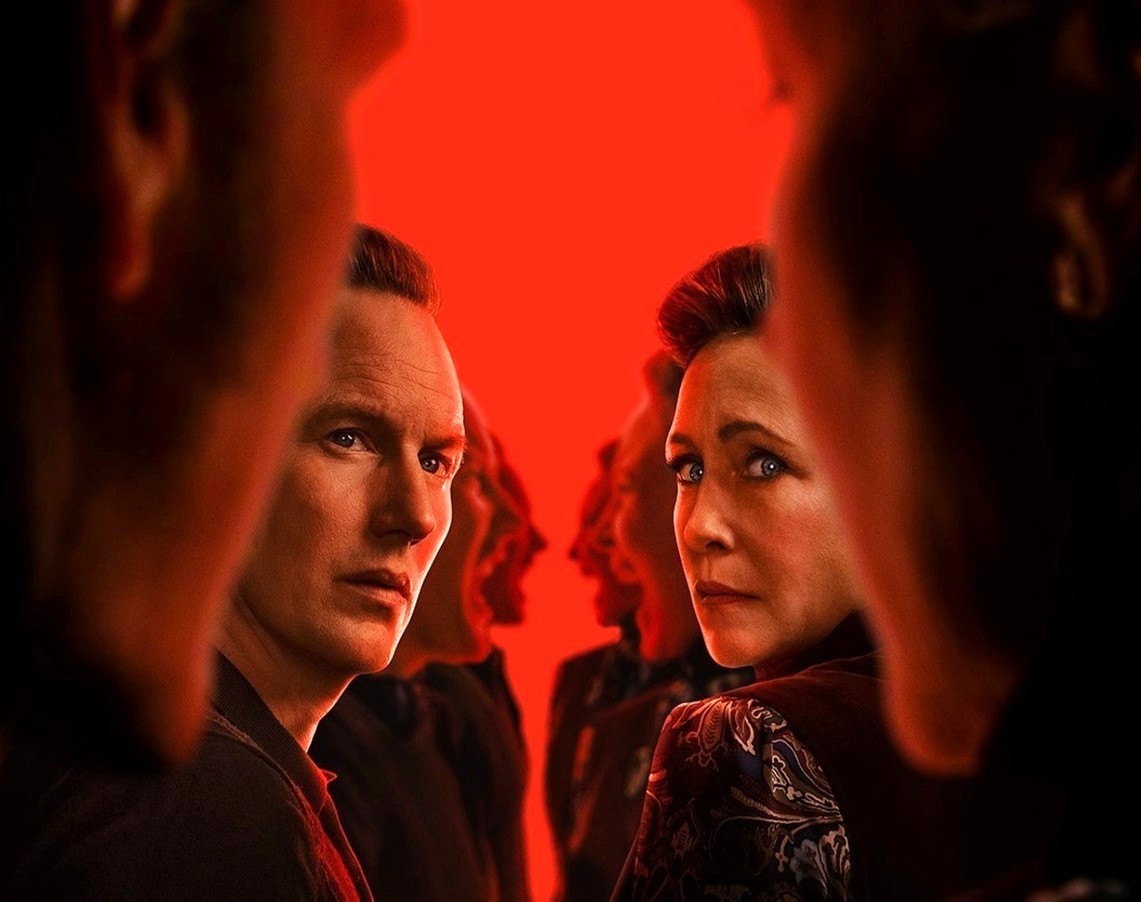
 (Image Source: Warner Bros. Pictures)
It's a widely acknowledged fact that the quality of "The Conjuring" main series has declined since James Wan stepped down from the director's chair after "The Conjuring: The Devil Made Me Do It." Over the years, fans have grown accustomed to this, a pattern previously seen with the "Saw" and "Insidious" franchises. Without Wan's direct involvement, something crucial—or even several elements—always feels missing. However, it's unrealistic to expect him to be tied indefinitely to these sequels. As an ambitious creator, Wan naturally seeks to explore diverse genres, and studios, driven by financial considerations, won't halt production simply because he doesn't return.
Yet, the decline of "The Devil Made Me Do It" wasn't solely due to Wan's absence. A significant factor was its attempt to break free from the haunted house framework of the first two films, pivoting instead to a religious crime mystery. This transition proved difficult, with unengaging investigative procedures and significantly reduced scares, hampered by the need to balance the mystery. The film lacked complete, seamless staging and lost its creative edge, no longer terrifying audiences through everyday objects or the forgotten corners of their homes, which previously tapped into a collective, relatable fear of their surroundings. 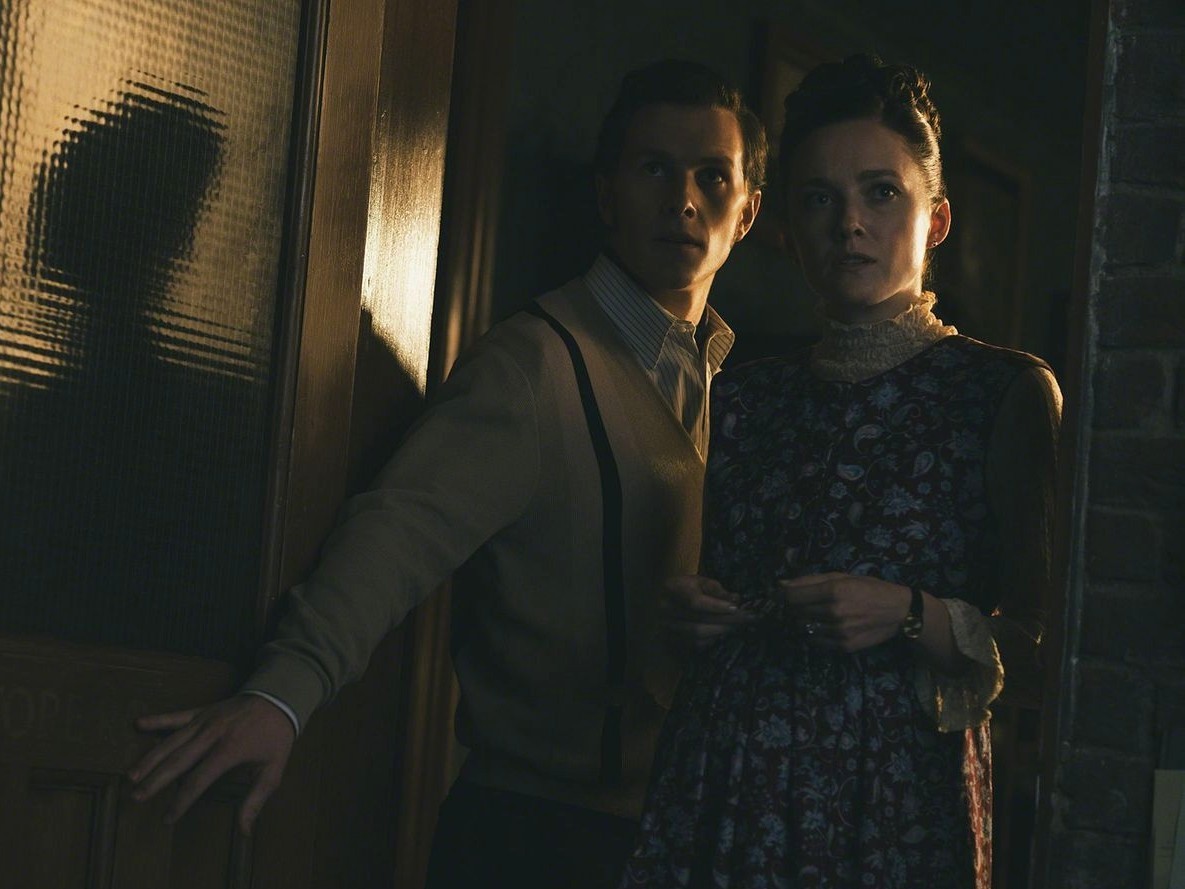
(Image Source: Warner Bros. Pictures)
Perhaps recognizing the misstep of that genre shift, "The Conjuring: Last Rites" immediately re-embraces the hallmarks of the first two films, returning to the core haunted house premise. It focuses intently on trapping victims within a house with no escape, leaning into more traditional horror. The beloved everyday scares are back on track, from classic basement shadows and possessed mirrors to ghostly apparitions on CRT televisions and self-moving toys. The film also features ripped phone lines and glass shards emerging from bodies (and somehow, families with many daughters seem particularly susceptible to malevolent entities). It's clear the production team made a concerted effort to deliver the familiar "The Conjuring" experience that fans initially loved.
However, "Last Rites" isn't a purely haunted house film; its structure still differs significantly from the first two installments. It adopts a multi-threaded narrative, focusing on the victimized family, the Warren family, and their daughter Judy's personal journey to overcome her inner demons. This installment dedicates considerable screen time to the Warrens' domestic life, with many of these scenes devoid of supernatural occurrences. Instead, they primarily depict a nervous son-in-law meeting his in-laws and a protective father-in-law constantly testing him. For a modern, non-independent, non-arthouse horror film, spending such a long time on family drama is a risky move that could test audience patience. Fortunately, these family scenes are well-executed; though conventional, they successfully convey emotional warmth. 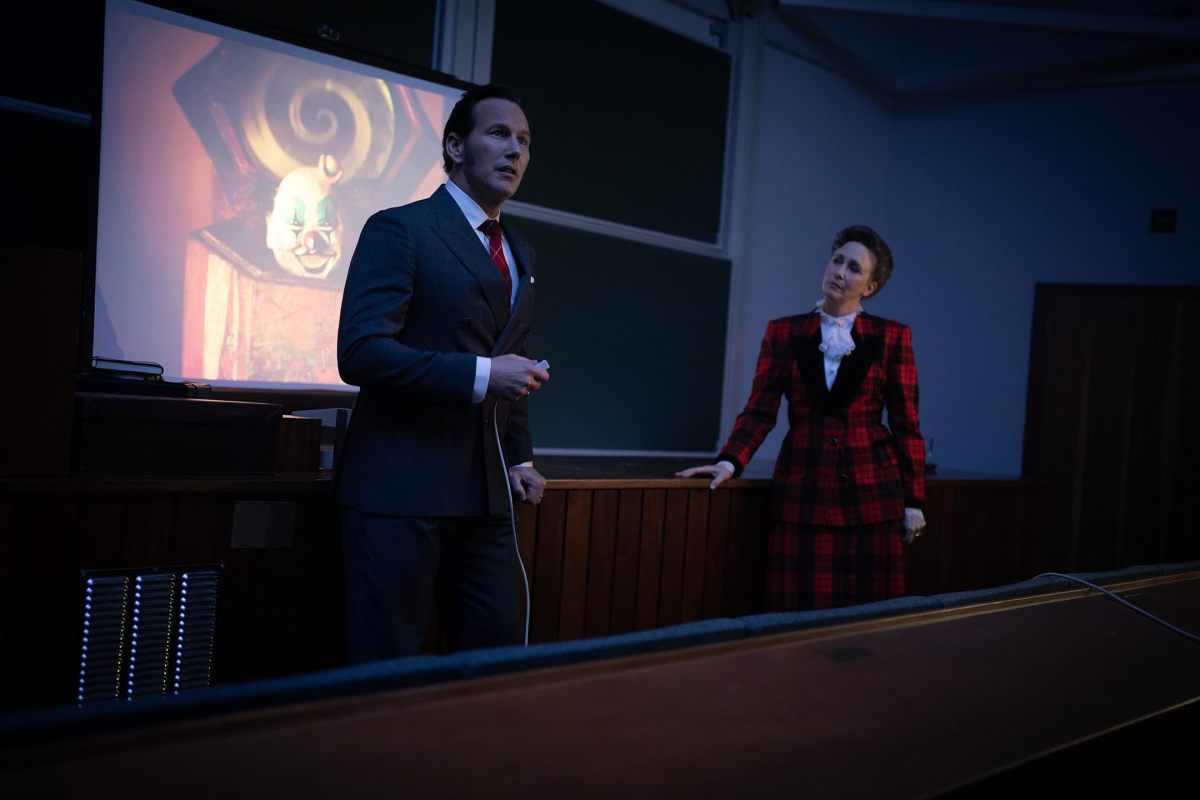 (Image Source: Warner Bros. Pictures)
Crucially, this emotional build-up ultimately pays off, significantly raising the stakes for the Warrens' "final battle" at the film's climax, rather than simply resolving another case. While their daughter has been somewhat involved in previous cases, the stakes this time are far higher. Judy is no longer just a plot device to move the story forward in the main series; she finally has a truly complete growth arc (even more so than in the spin-off "Annabelle Comes Home"). As a "final" "sacrament," the fourth installment's portrayal of the Warren family's profound involvement is unprecedented, truly befitting a concluding chapter.
In many ways, "Last Rites" echoes the structure of superhero, action, or sports hero films, borrowing a common formula often seen when such series conclude. It opens with the heroes long retired, only for societal injustice—often stemming from enemies introduced in the very first installment—to force them back into action. This powerful return sometimes coincides with the audience's long-held anticipation for a new sequel, creating a strong sense of shared experience. "The Dark Knight Rises" and the recently announced "Happy Gilmore 2" are two such examples. While "Last Rites" may not be as meticulously crafted as "The Dark Knight Rises," it more than suffices in maintaining its established characteristics and core appeal, much like "Happy Gilmore 2" aims to do.