

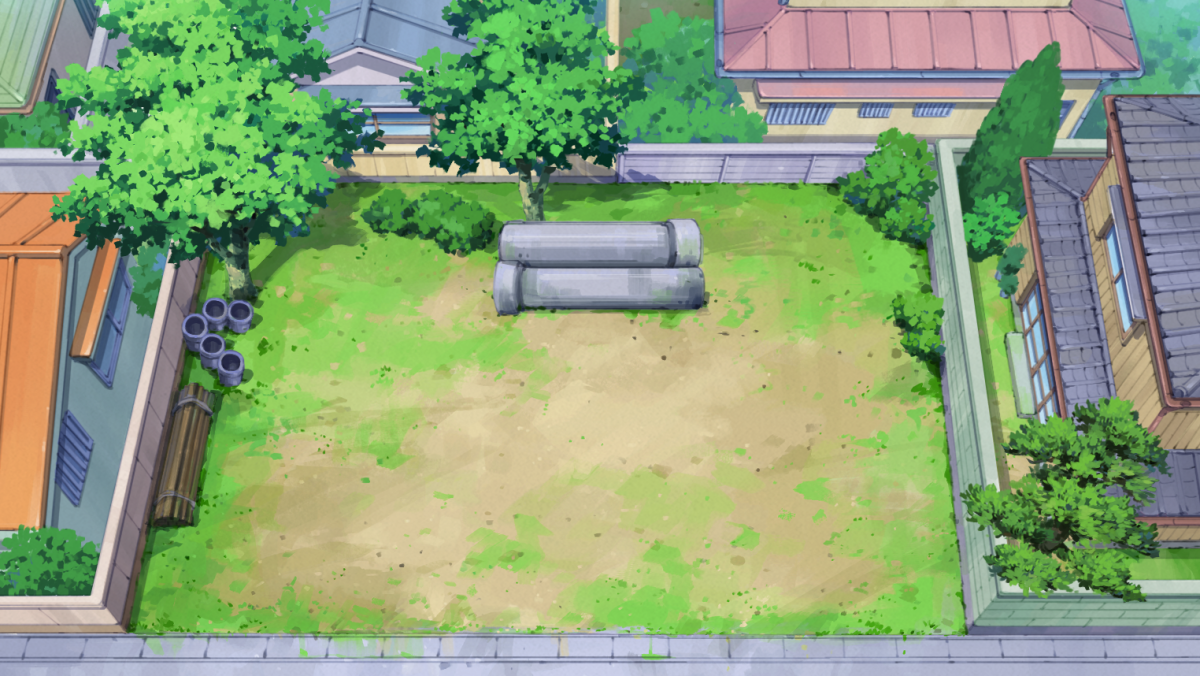
In the world of the beloved manga "Doraemon," the iconic "vacant lot with concrete pipes" is the go-to hangout spot for Nobita, Gian, Suneo, Shizuka, and the gang.
However, a recent post on X has sparked a massive online debate after a netizen pointed out that this seemingly abandoned plot actually has an owner – and it's reportedly worth a staggering 300 million Japanese Yen. This revelation ignited a flurry of questions like, "Why hasn't the landlord sold it?" and sent netizens into a speculative frenzy, brainstorming everything from altruism to complex tax schemes.
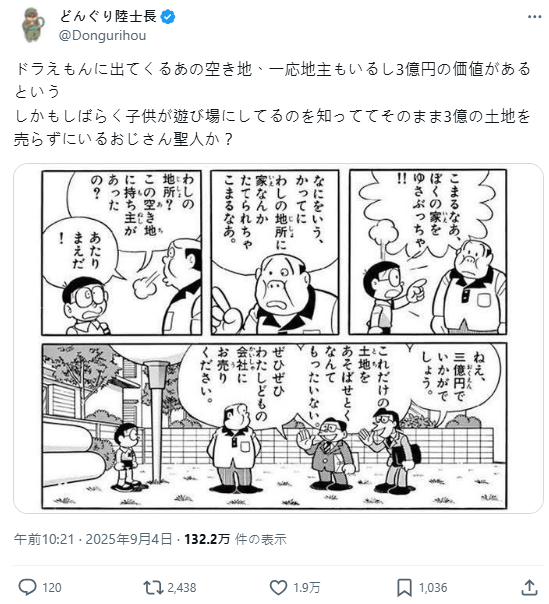
The discussion kicked off with a post from a user who declared: "That vacant lot has an owner, it's worth 300 million yen, but the landlord quietly lets kids use it as a playground. This person is totally a saint, right?!"
Naturally, the internet's collective imagination went wild:
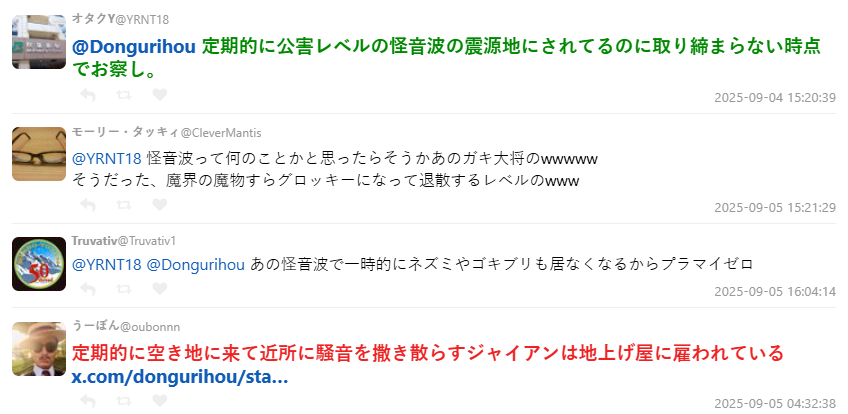
Some users proposed the landlord is simply a "big-hearted landowner" who turns a blind eye, even when Gian unleashes his ear-splitting concerts there. Others quipped, "Gian's concerts probably scare away rats and cockroaches, so it's a unique form of pest control!"
Another camp of netizens took a more pragmatic approach, delving into the nitty-gritty of taxes and land utilization:
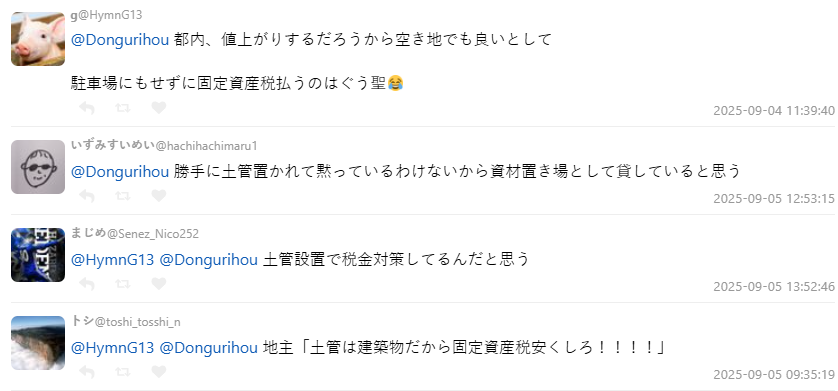
One user highlighted, "In a prime Tokyo location, leaving land undeveloped for housing or parking, and still paying fixed asset tax? That landlord truly is a saint." Others speculated that the concrete pipes might be a "tax maneuver," allowing the land to be classified as a material storage site to reduce tax burdens.
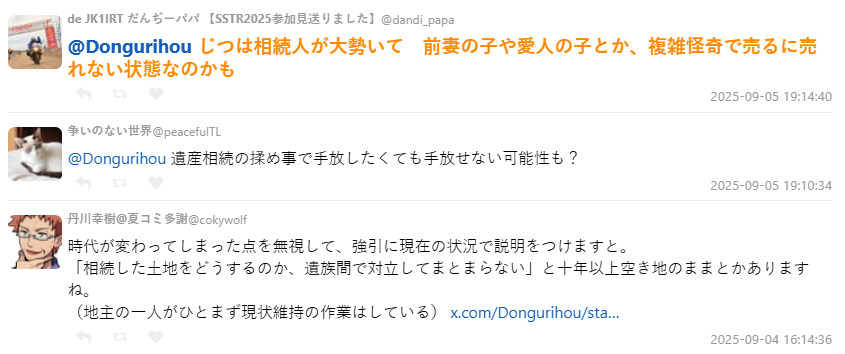
Some even suggested the landlord "isn't unwilling to sell, but unable to," citing real-world examples where inheritance disputes force plots of land to remain vacant for years. Another netizen brought up the fact that Nobita's house is actually "built on leased land" within the series, recalling episodes where the family faced rising ground rent and eviction threats, even once resorting to the desperate measure of "claiming land 50,000 years in the past."

Many netizens agreed that Doraemon's "vacant lot" setting is a poignant reflection of changing times. In the 1960s and 70s, Tokyo's suburbs indeed boasted numerous empty lots, serving as natural playgrounds for children. However, as the manga's serialization stretched into the 80s and the bubble economy inflated land prices, the concept of a "vacant lot landlord" gradually became an anachronism.
Today, finding such a vacant lot in suburban Tokyo is a rare sight, as every inch of land is quickly developed to maximize its value.

Beyond the practical discussions, some netizens shared a more sentimental take: "Today's kids probably don't even know what a 'vacant lot' is anymore. Doraemon's pipe-filled lot has become a nostalgic fantasy in itself."
From a "saintly landlord" to "tax manipulation" and a "generational gap," Doraemon's humble vacant lot has unexpectedly become a viral online sensation. Regardless of the true story behind it, this iconic plot of land is more than just a manga backdrop; it's a shared childhood memory and a vivid snapshot of urban evolution for countless fans.
via: togetter