

Cygames' Uma Musume Pretty Derby project has been an absolute phenomenon since its mobile game launch, with its anime adaptations and merchandise collaborations also achieving sky-high popularity. This year, the Steam English version reignited the hype across Western regions, and the second season of its spin-off manga adaptation, "Uma Musume: Cinderella Gray," is set to premiere in October.
Speaking of "Cinderella Gray," we have to talk about Oguri Cap. This legendary racehorse is a fan favorite, both in the Uma Musume universe and in real-life horse racing. In Japan, Oguri Cap's fame transcended the sport, becoming a household name. Recently, Japanese media outlet Real Sound published a special feature exploring the national sensation Oguri Cap caused in the late 1980s.
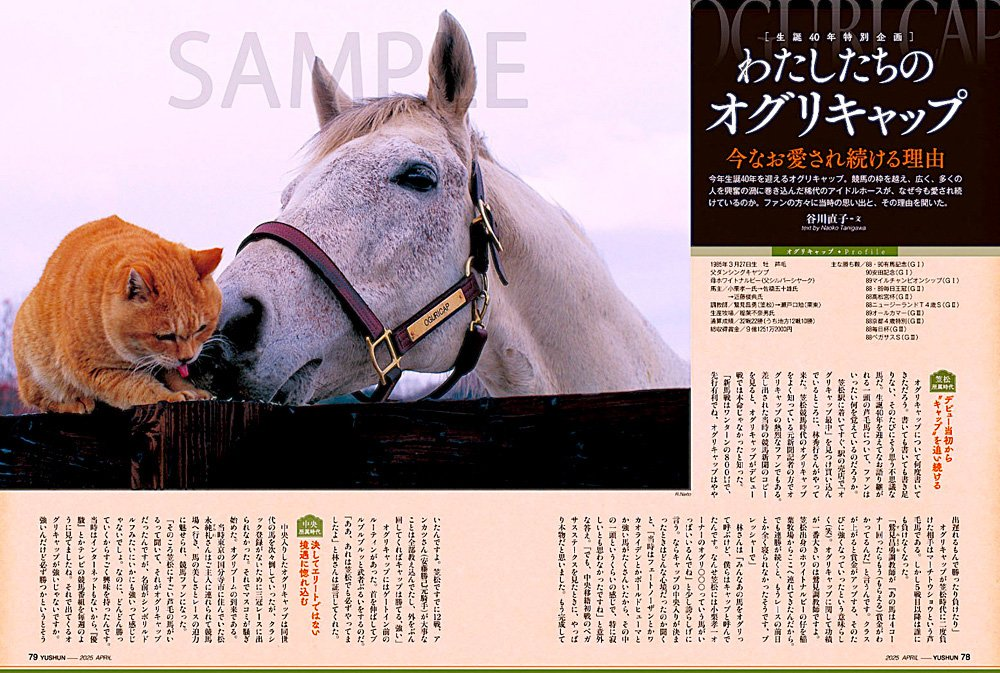
The real-life Oguri Cap was a local horse that debuted in 1987 at the Kasamatsu Racecourse in Gifu Prefecture. Its bloodline was considered unremarkable, even dubbed "third-rate." Yet, after transitioning to central racing in 1988, it exploded onto the scene. From the New Zealand Trophy 4-Year-Old Stakes to the Arima Kinen, Oguri Cap consistently defeated the strongest rivals of its era, forging a legendary career. Its impressive record stands at 22 wins and 6 second-place finishes in 32 races, boasting an astonishing 87.5% win/place rate against a roster of historically great horses.
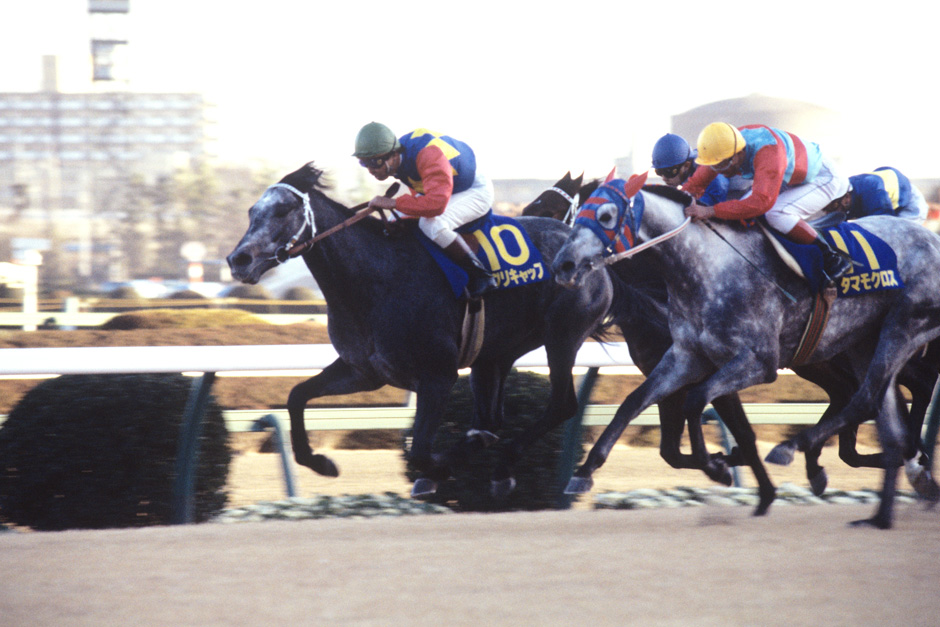
Oguri Cap was originally slated for retirement after the 1989 Arima Kinen. However, lobbying by racing officials led to a delay. By 1990, Oguri Cap's performance had sharply declined, with more losses than wins, leading many to believe its era was over.
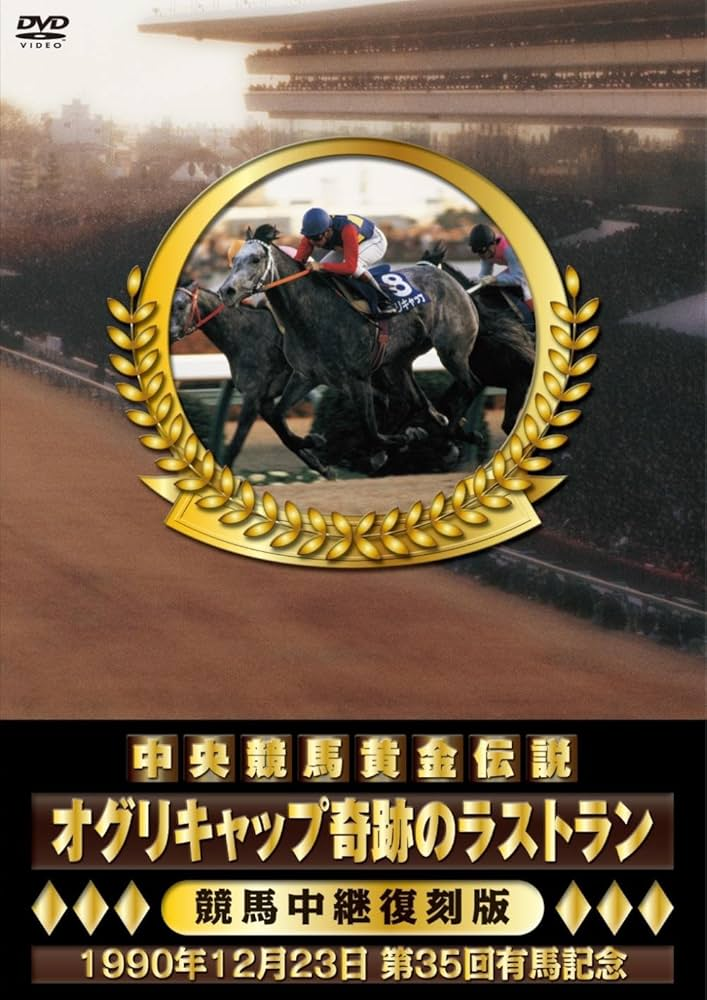
But then, in its farewell race at the Arima Kinen later that year, Oguri Cap staged an incredible comeback, clinching victory amidst the roars of 178,000 spectators. That race is still celebrated as "The Miracle Last Run," an iconic moment in Japanese horse racing history.
While Oguri Cap's racing career spanned a mere four years from 1987 to 1990, its impact was immense. In 1988, Japan Racing Association (JRA) betting ticket sales surpassed 2 trillion yen for the first time, skyrocketing to 3 trillion yen by 1990—a staggering 1 trillion yen increase in just two years. Oguri Cap was truly a "money-making machine." Some scholars even compare its influence to that of today's Shohei Ohtani, suggesting Oguri Cap's economic impact back then was just as significant, perhaps even equivalent to Ohtani's total impact over a decade.
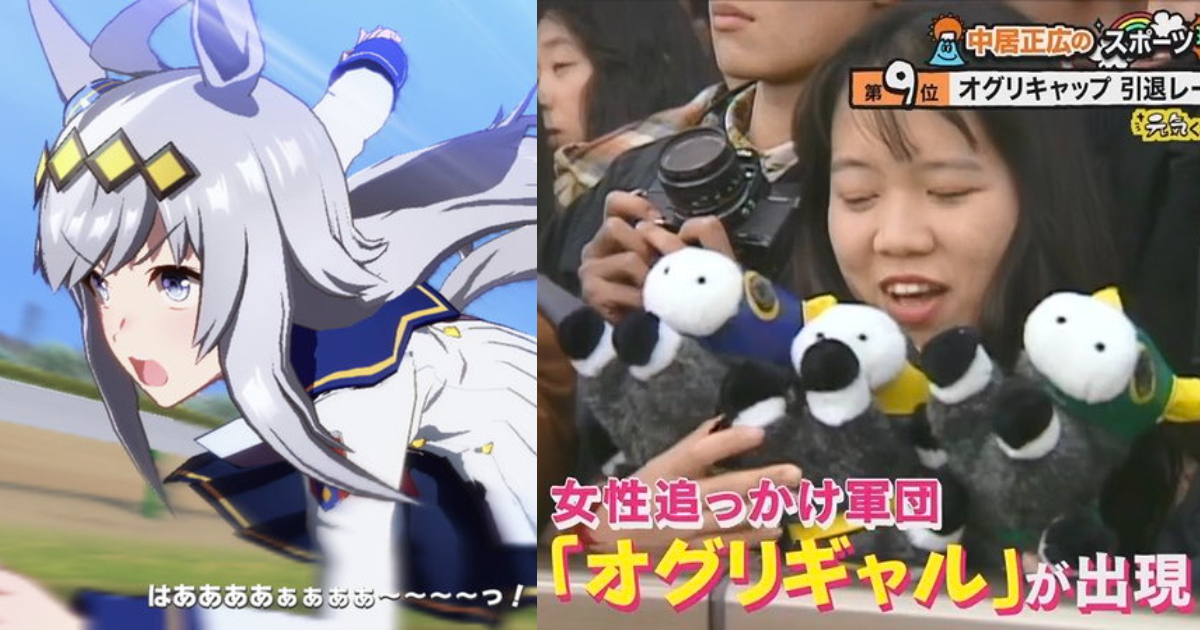
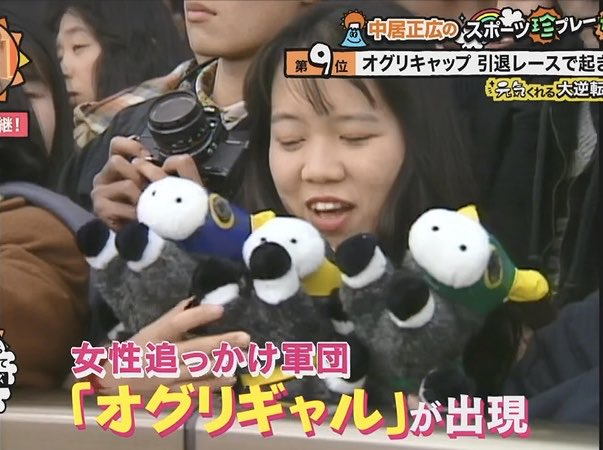
Even more astounding was the merchandise frenzy: Oguri Cap plushies (not in the Uma Musume style), from small 2,000-yen versions to large 40,000-yen ones, were constantly sold out. In 1990 alone, 1.6 million units flew off the shelves, with total sales eventually exceeding 11 million. Many young women, dubbed "Oguri Gals" (オグリギャル), flocked to the racecourses with their plushies to cheer for Oguri Cap, completely transforming the demographics of Japanese horse racing spectators.


Naturally, "Uma Musume: Cinderella Gray" tells the legendary tale of Oguri Cap—how it captivated racing fans in such a short time, its thrilling races, and its legendary final victory before retirement. If you're interested in Japanese horse racing, or just a good underdog story, be sure to catch up on the first season and get ready for season two this October!
via: real sound