

The Pokémon Trading Card Game (PTCG) has exploded in popularity globally in recent years, drawing in countless players across Asia, Japan, Europe, and North America. With new card packs dropping and tournaments happening everywhere, the game's card values continue to skyrocket, cementing its status as a true titan in the TCG world.
Demand for physical cards surged again in October 2024, leading to constant stock shortages. Convenience stores even had to implement "limit two packs per person" rules. But as the market rapidly expands, so do the scam cases, with fraudsters developing increasingly clever tactics.

Japanese media outlet Nikkan SPA! recently interviewed Jin Gishi, a senior executive at the trading platform SNKRDUNK, who revealed the current state of the Pokémon card market and the endless stream of new scam methods.
Gishi pointed out that the unique appeal of Pokémon cards lies in the diverse ecosystem of its players:
1. Collectors who only chase rare cards
2. Players who compete in tournaments while also collecting cards
3. Speculators who treat cards as investment assets
These three groups intertwine, keeping the market in a delicate yet balanced state. The pandemic years, in particular, fueled the overall card market's heat, coupled with Pokémon's superstar IP status and its global fanbase. Add in the involvement of artists like Naoki Saito and the authentication system by the international card grading service PSA, and card values became even more secure. This attracted a flood of investors, leading to a massive market boom in 2023.

What's more, the first Pokémon card mobile game, Pokémon Trading Card Game Pocket (PTCGP), launched late last year. The game's explosive popularity doubled the demand for physical cards yet again, sparking a global frenzy.
It's worth noting that Japanese-version cards sold in Japan and English-version cards sold overseas have subtle differences, leading many collectors to acquire both, further highlighting their scarcity.
▼ Mobile game "Pokémon Trading Card Game Pocket"

With card prices consistently soaring, many rare cards are constantly being hyped up in the market. However, as prices climb, so does the opportunity for scams, and the methods are evolving.
Previously common tactics included: Seller shipping issues, such as listing cards as "near mint" but sending damaged ones, or simply shipping the wrong card.
But lately, the more prevalent scam involves buyers exploiting the "return" process:
A buyer purchases a high-value card, receives it, then claims the card is flawed. They then request a return and send it back. However, the seller receives a cheap substitute card instead. This allows the fraudulent buyer to effectively steal a Pokémon card worth over 100,000 Japanese Yen at zero cost.
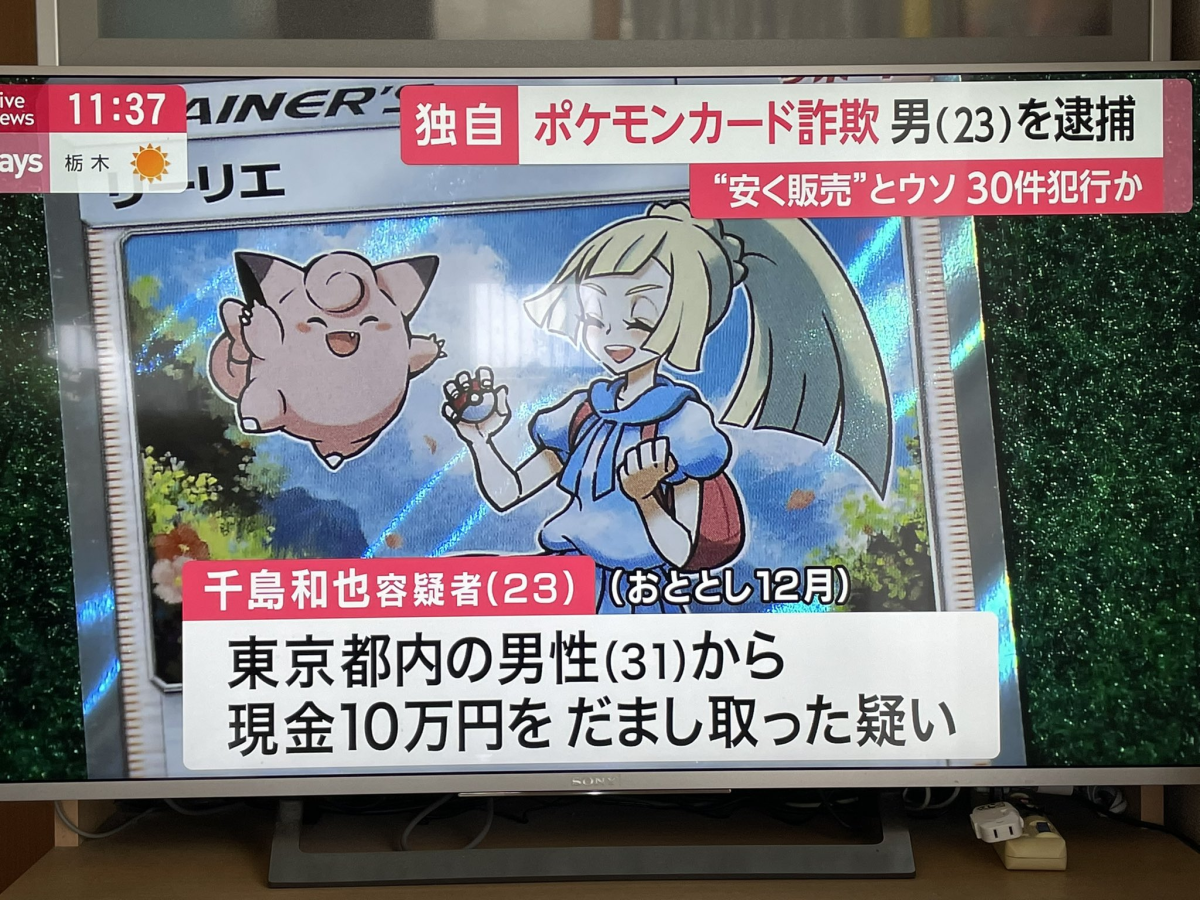
▼ Japan previously saw a 23-year-old arrested for Pokémon card fraud.
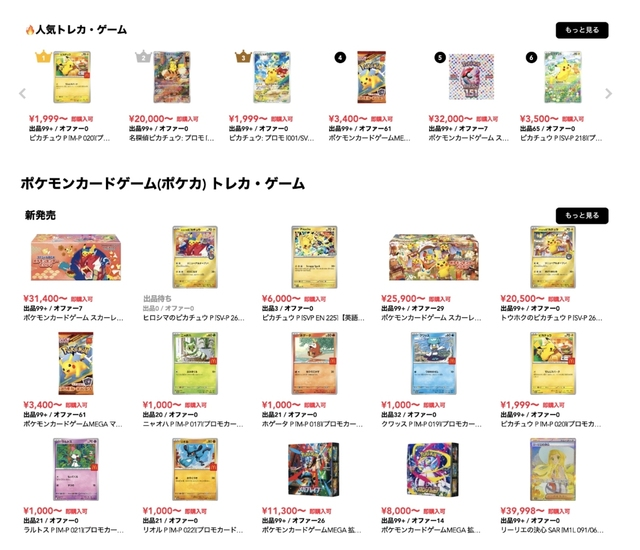
To combat such disputes, SNKRDUNK, which handles a massive volume of Pokémon card transactions, has implemented a third-party authentication and inspection system. All cards undergo inspection before reaching the buyer's hands, preventing issues like counterfeits or "return swapping."
Gishi emphasized, "In a market where fakes are constantly evolving, providing a safe and reliable trading environment is paramount. We will continue to strengthen our inspection processes to ensure players can collect cards with peace of mind."
Today, Pokémon cards are no longer just a simple card game; they are high-value collectibles, and for some, even investment assets. But with this comes a continuous wave of new scams. For players and collectors, beyond enjoying the thrill of battles and collecting, it's crucial to stay vigilant and avoid becoming a victim of fraud.
via: 日刊SPA!