

Anyone learning Japanese knows the struggle: sometimes, phrases carry hidden meanings, metaphors, or sarcasm that are easily lost in literal translation. It's a real hurdle for many!
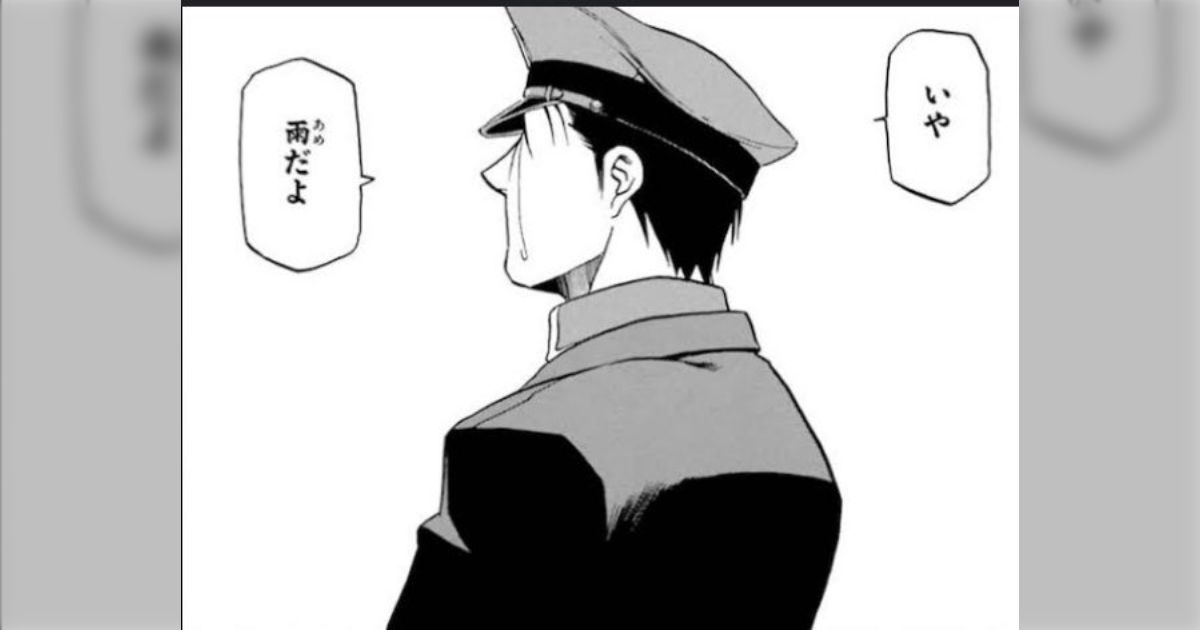
Recently, a discussion blew up on Japanese X (formerly Twitter) after a user admitted they didn't understand "Mugon no Kitaku" (無言の帰宅w) – literally "silent return home." This got the original poster thinking about how many years ago, people were equally baffled by why Roy Mustang suddenly declared "It's raining" in "Fullmetal Alchemist." Are some metaphors just too obscure, or is the context too deep to grasp?
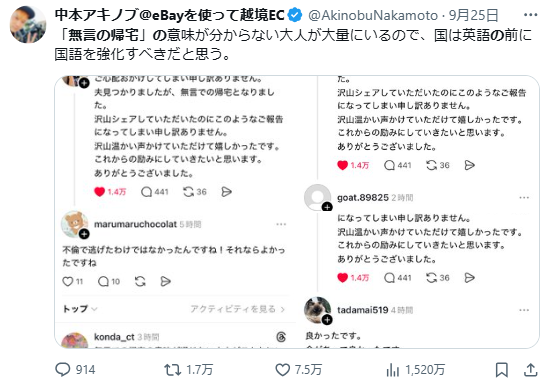
The phrase "Mugon no Kitaku" recently sparked a massive debate on Japanese X. Many mistakenly thought it simply meant "returning home quietly." In reality, it's a somber euphemism for a deceased body being brought home – signifying death. The discussion revealed that even some native Japanese speakers struggled with the nuance, thinking it meant a safe return. Some even replied to posts with "Glad you're safe," leaving others scratching their heads.
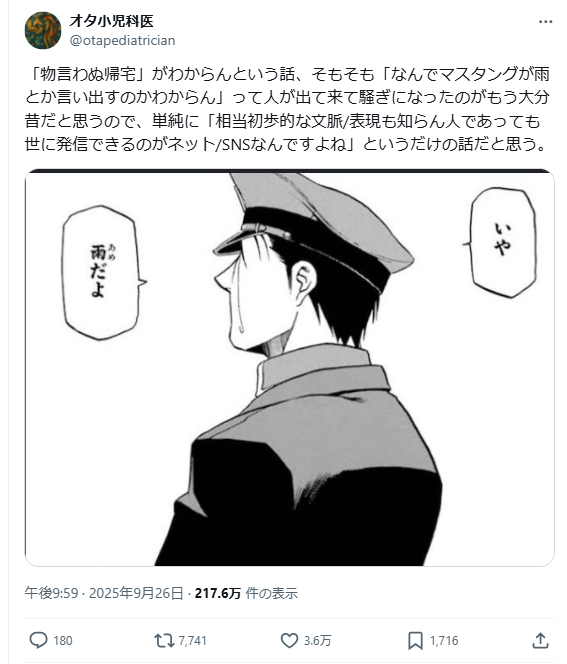
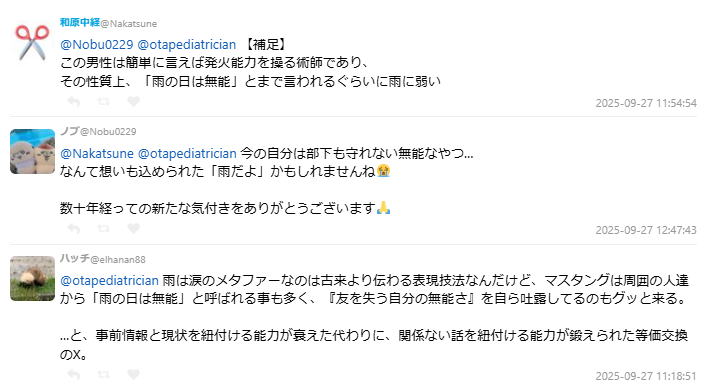
Another user chimed in, recalling the confusion around Mustang's "It's raining" line. This just goes to show that even fundamental linguistic nuances or expressions can stump some people. But thanks to the internet and social media, everyone can now openly admit their confusion, often because many tend to take things literally without deeper thought.
Fans of "Fullmetal Alchemist" will undoubtedly remember Mustang's iconic "It's raining" scene from Episode 16 of the fourth season. After his close subordinate and friend is murdered, he looks up and says, "Damn it, it's raining." Riza Hawkeye replies, "Huh? It's not raining?" To which Mustang responds, "No, this is rain." It's a poignant moment, subtly implying that those aren't raindrops, but tears. A truly classic and heartbreaking scene.
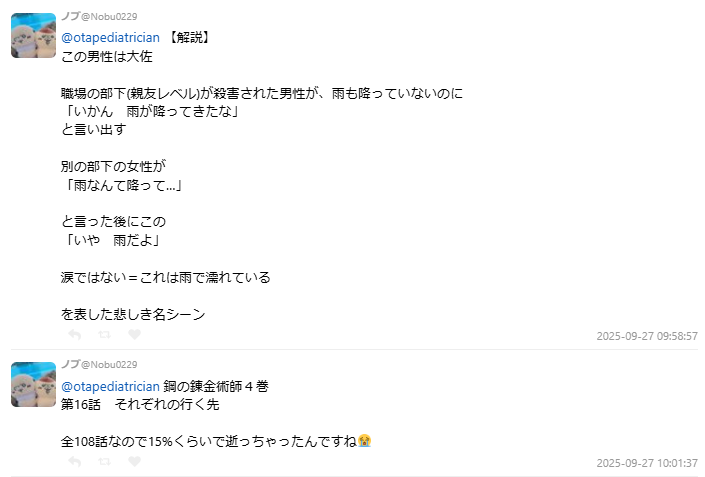
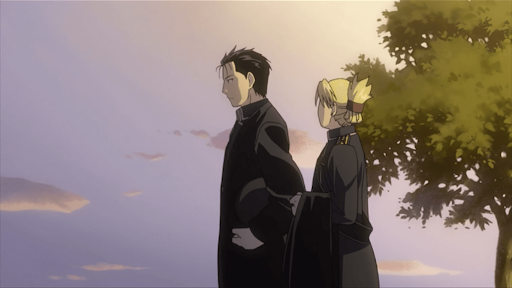

Some netizens added another layer of meaning: Mustang, a flame alchemist, is famously useless in the rain, even earning him the nickname "Rainy Day Failure." So, his "It's raining" line also carries the bitter self-reproach of, "I couldn't even protect my subordinate; I'm truly useless." The "rain = tears" metaphor is ancient, but here, it's not just his own tears but also his profound self-hatred for his powerlessness, making the double meaning even more gut-wrenching.
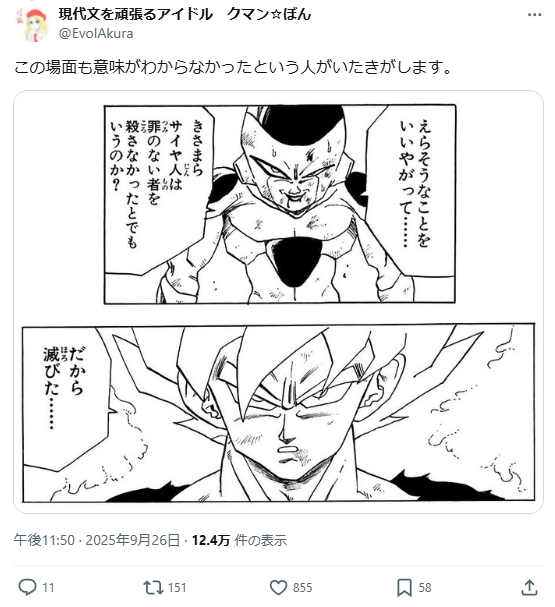
The discussion then drifted to a scene from "Dragon Ball Z" featuring Goku and Frieza, where the dialogue's brevity also puzzled some.
Frieza: "You talk like you're so righteous... didn't you Saiyans kill innocent people too?"
Goku: "That's why we were wiped out..."
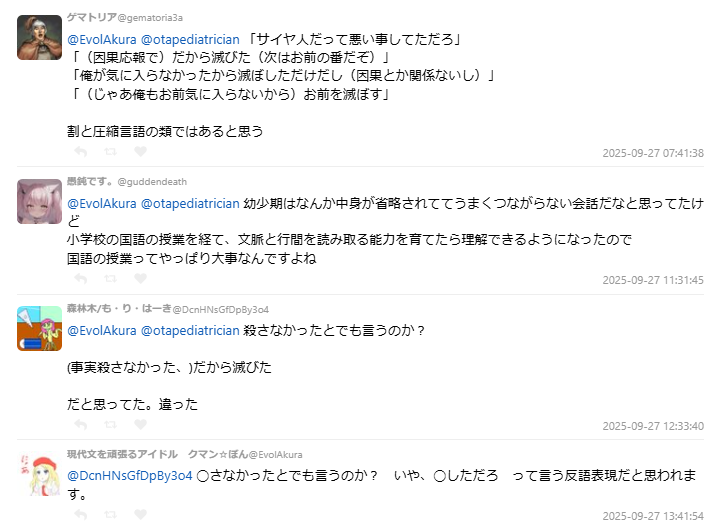
Netizens pointed out that this exchange is a classic example of "compressed language" (壓縮語言) often used in Japanese. The full, implied conversation goes something like this:
Frieza: "Saiyans did a lot of terrible things in the past, didn't they?"
Goku: "That's why we were wiped out." (Implying karma, and that Frieza, who's also done terrible things, is next.)
Frieza: "It wasn't karma; I just wiped you out because I didn't like you."
Goku: "Well, I don't like you either, so I'm going to take you down."
From "Mugon no Kitaku" to Mustang's "It's raining" and even Goku and Frieza's terse exchange, many Japanese users highlighted how even iconic scenes can be lost in translation due to context, metaphor, or irony. It's a unique characteristic of Japanese expression, and sometimes, even native speakers struggle to grasp it, let alone international audiences. But in the age of the internet, everyone can openly admit "I don't get it," leading to these classic moments being re-evaluated and re-appreciated, unlocking new layers of enjoyment and mystery.
via: togetter