

Valve has made a stunning announcement, revealing three new hardware products that signal a major expansion of its gaming ecosystem. These include the all-new Steam Frame VR headset, the resurrected Steam Machine, and a completely redesigned Steam Controller. Following the Steam Deck's successful entry into the handheld gaming market, players have eagerly anticipated Valve's next move, and this latest unveiling represents the company's most significant hardware update in years.
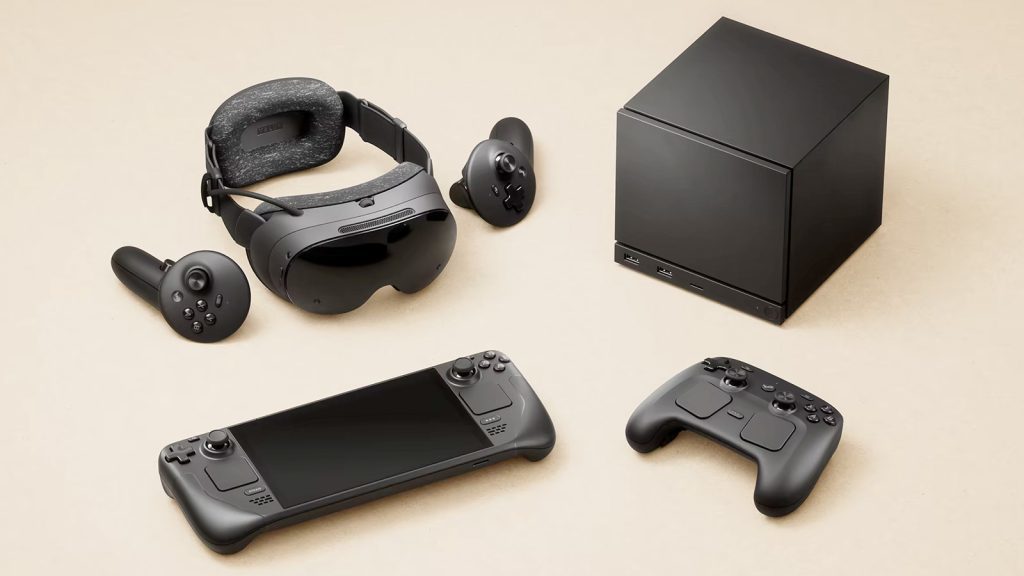
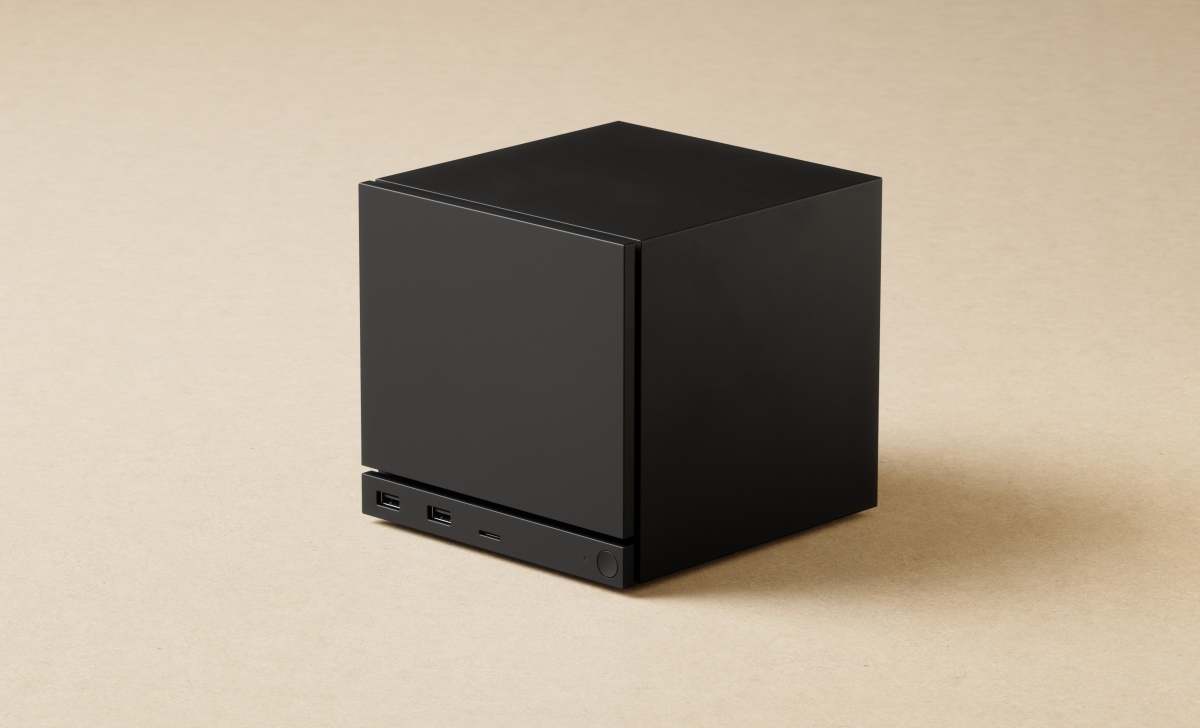
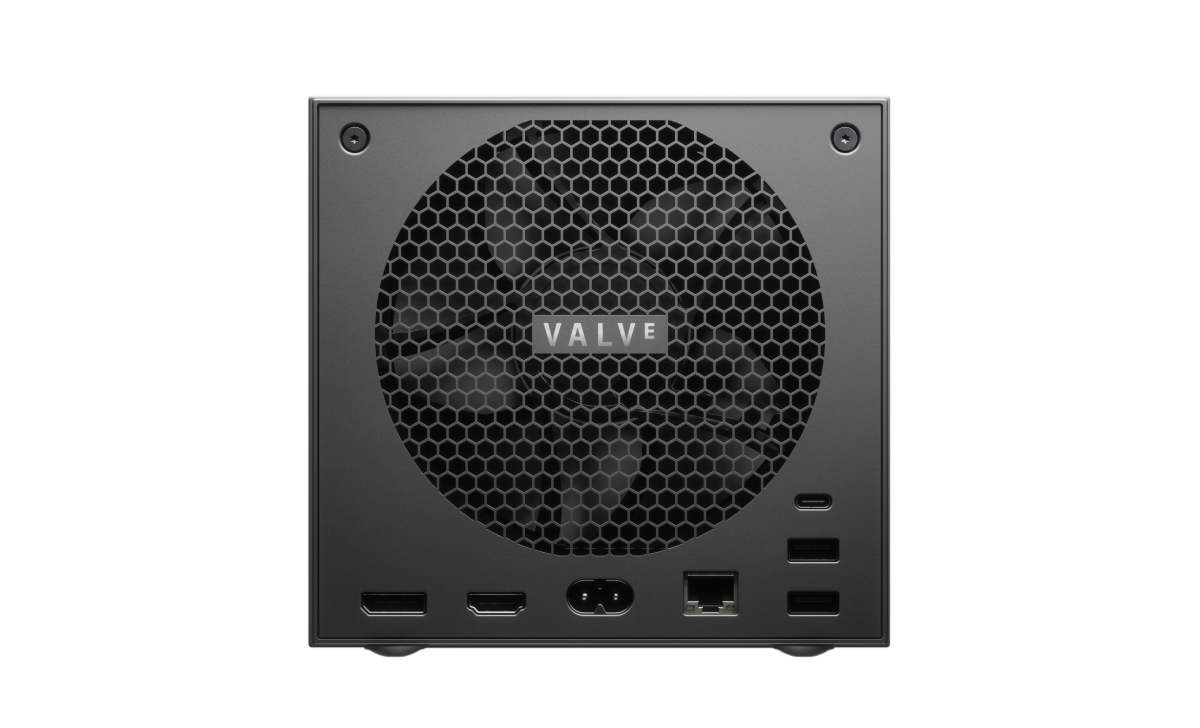
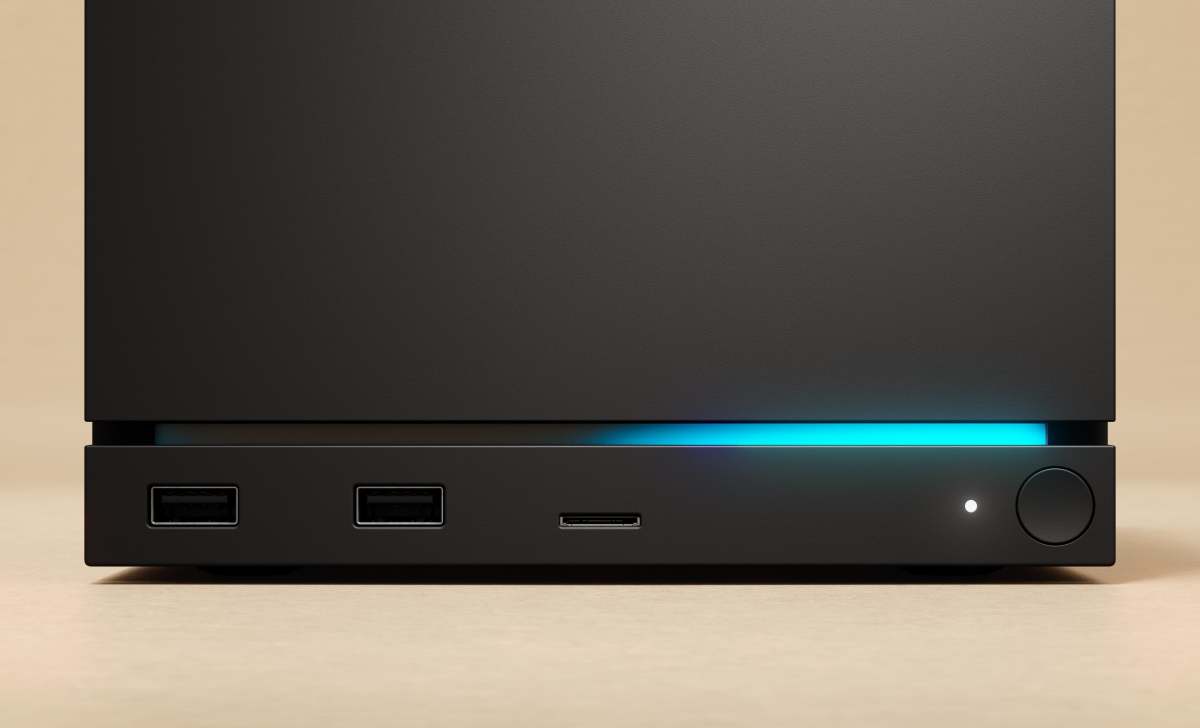
According to Valve, the new Steam Machine is positioned as a desktop gaming PC, boasting six times the performance of the Steam Deck. It will feature an unannounced AMD CPU and GPU, with Valve emphasizing its capability to smoothly run the latest AAA games at 4K resolution and 60 frames per second.
The machine will be available in 512GB and 2TB versions, with support for MicroSD expansion. This indicates Valve's intent to re-enter the "living room console" market, a space it hasn't touched in years, and to build a more robust Linux gaming platform with SteamOS.

Another major highlight is the Steam Frame VR, a standalone VR headset capable of not only supporting VR games on Steam but also directly playing standard PC games. This design means players can completely detach from a PC, experiencing the full Steam game library directly on the headset. Steam Frame will come with Valve's own motion controllers but can also seamlessly connect with the new Steam Controller, allowing for a more natural transition between VR and traditional gameplay.
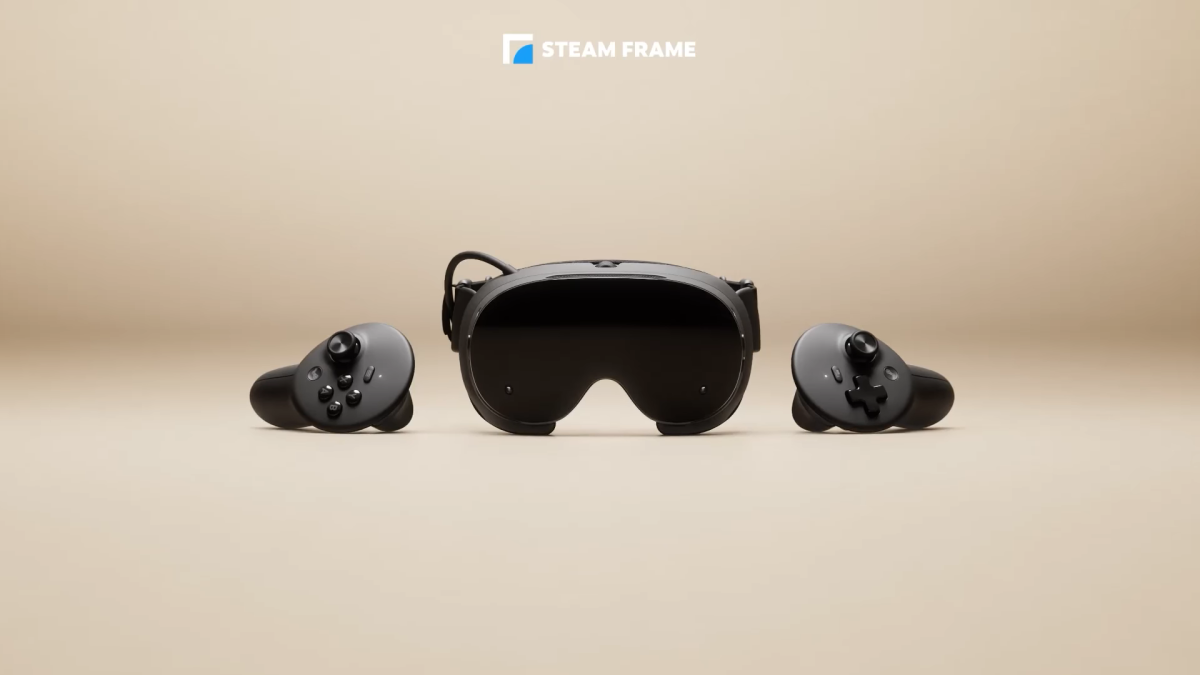
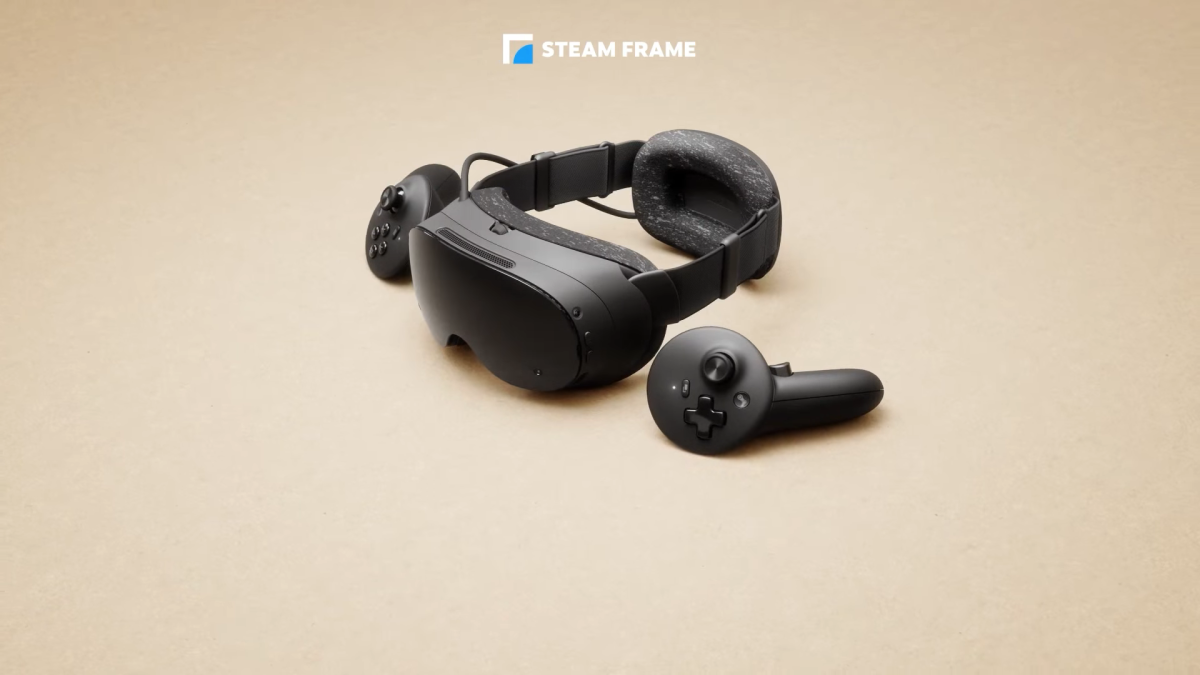
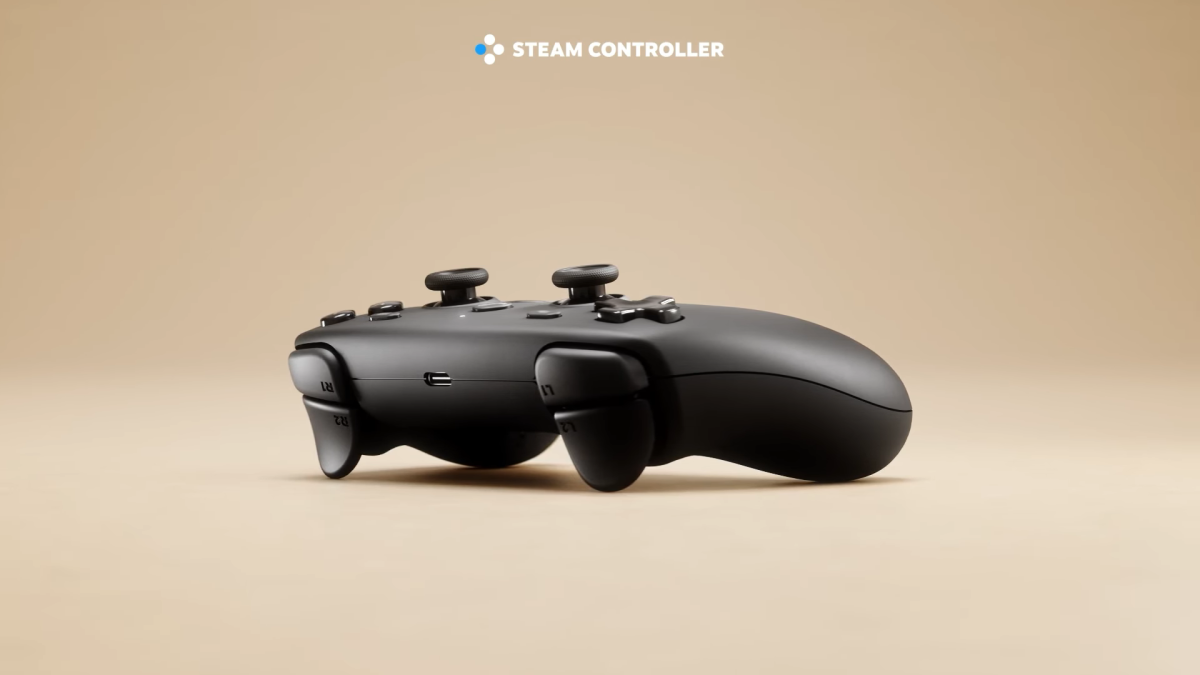
The redesigned Steam Controller adopts a layout closer to modern console controllers than its predecessor, relocating the dual trackpads below the joysticks and incorporating lower-latency wireless technology. This new controller offers optimal compatibility with both new hardware products, signaling Valve's renewed effort to create a unified and expanded hardware ecosystem.
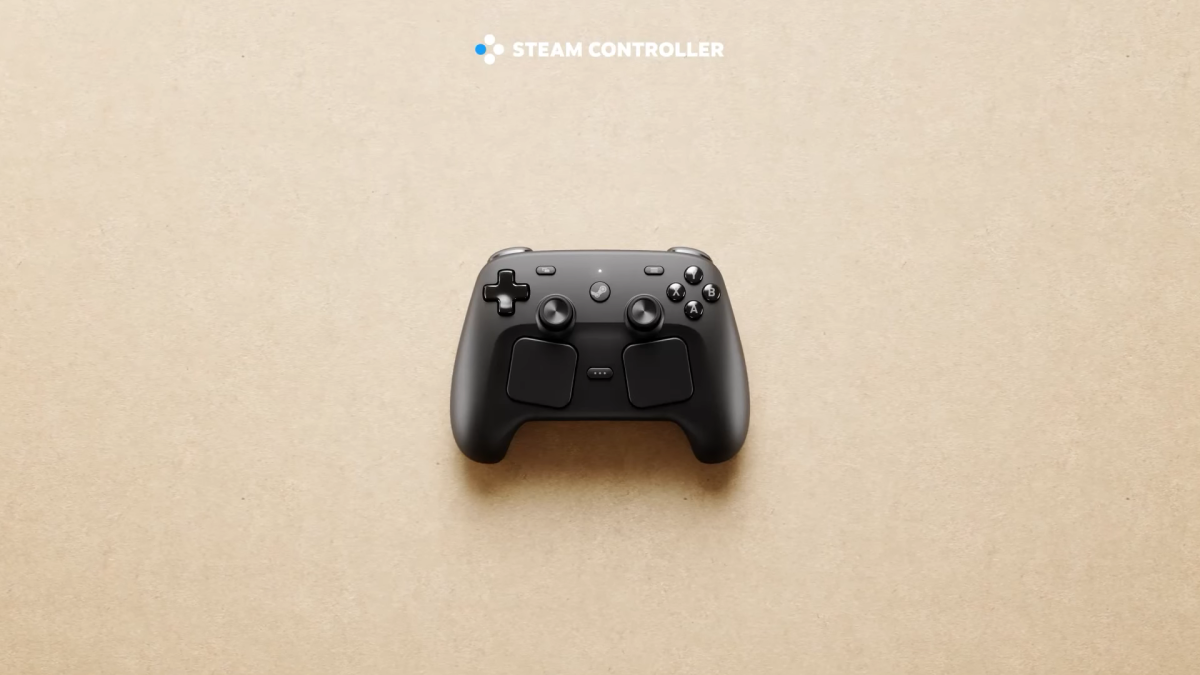
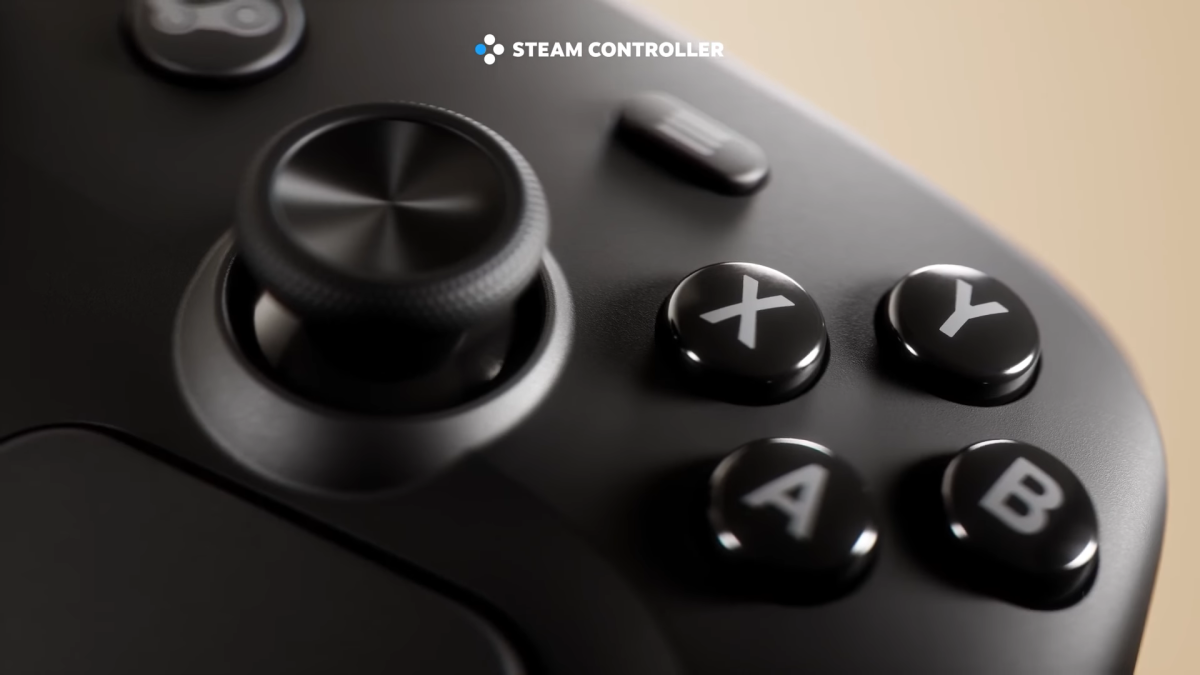
All three products will run on the latest version of SteamOS, further strengthening the Linux gaming environment Valve has been cultivating for years. With the maturation of the Proton compatibility layer, Valve clearly intends to draw more players into its platform ecosystem, moving away from reliance on traditional Windows PC models.
Currently, Valve has not announced official pricing or precise release dates for any of the products, but all are expected to launch in 2026. This wave of new releases marks Valve's next major offensive in the hardware landscape, following the success of the Steam Deck.