

Thirty years after its TV anime debut, Neon Genesis Evangelion remains a cultural behemoth, a certified classic, and for many, one of history's greatest masterpieces.
Recently, a Japanese professor on X (formerly Twitter) shared his surprise after showing the final two episodes (25 and 26) of the TV anime Neon Genesis Evangelion in class. His students' reaction — "So this is that mysterious cult anime from 30 years ago?" — sparked a massive online discussion about how the show's original context differs from today's.
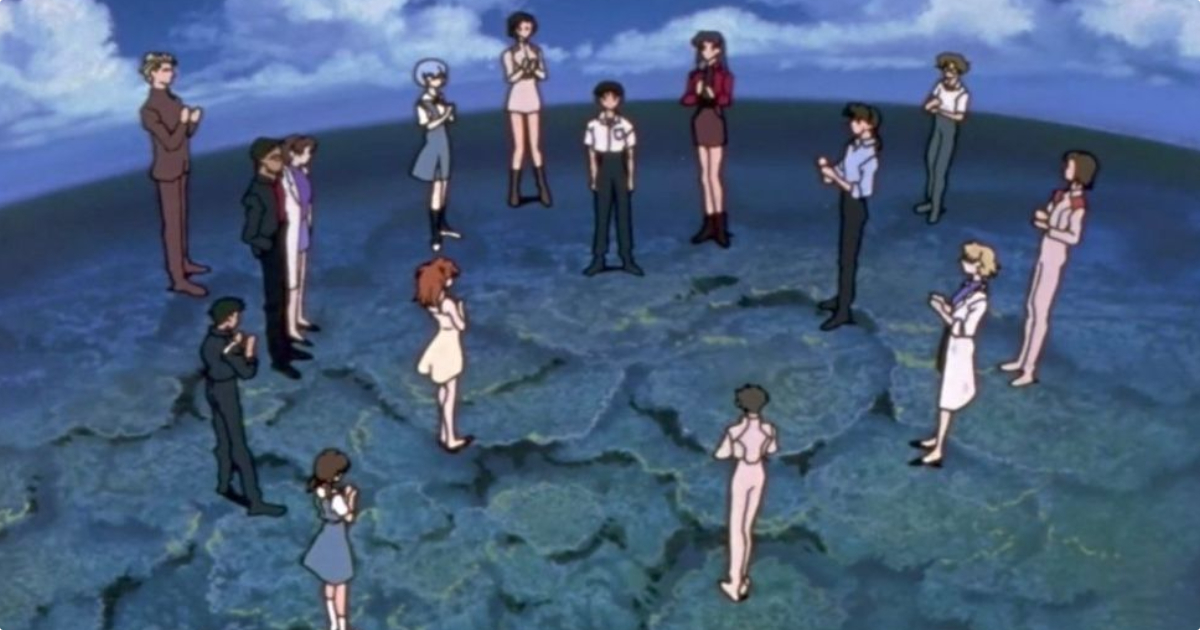
Professor Tetsuya Matsushita (@pinetree1981) recounted how his students watched episodes 25 and 26 of the Evangelion TV series with a mix of complex and awkward smiles. He emphasized that in the 90s, the show was a phenomenon, with viewers eagerly anticipating each week's conclusion. "Then these last two episodes aired, and everyone was utterly floored," he explained. Matsushita admitted it's "incredibly difficult" to convey the atmosphere and shock of that era to today's university students. 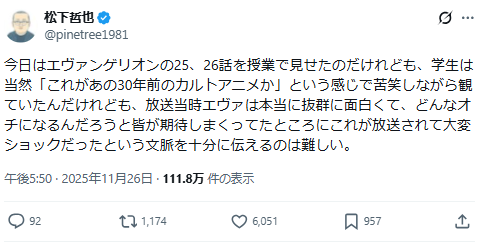
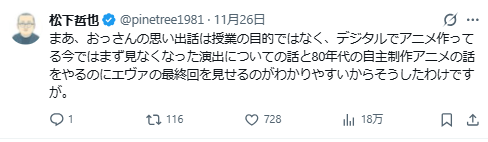
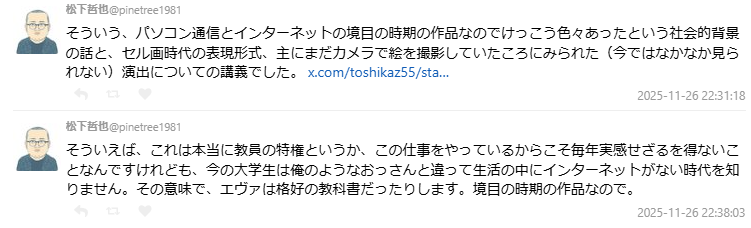
The professor clarified that his goal wasn't to share nostalgic "old man" memories or preach about the show. Instead, he wanted students to grasp the production techniques of the
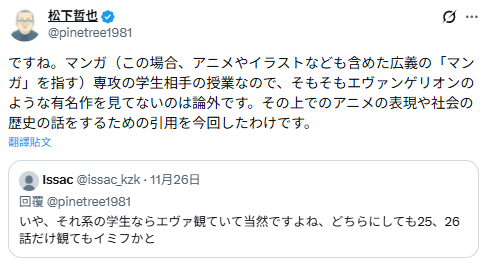
"hand-drawn cel animation era" and "filming original drawings with a camera"—methods that have largely vanished with the rise of digital production. As a professor of "broad manga studies," encompassing animation and illustration, he believes students need a foundational understanding of classics like Evangelion, using its finale as a teaching tool for animation history and directorial techniques.
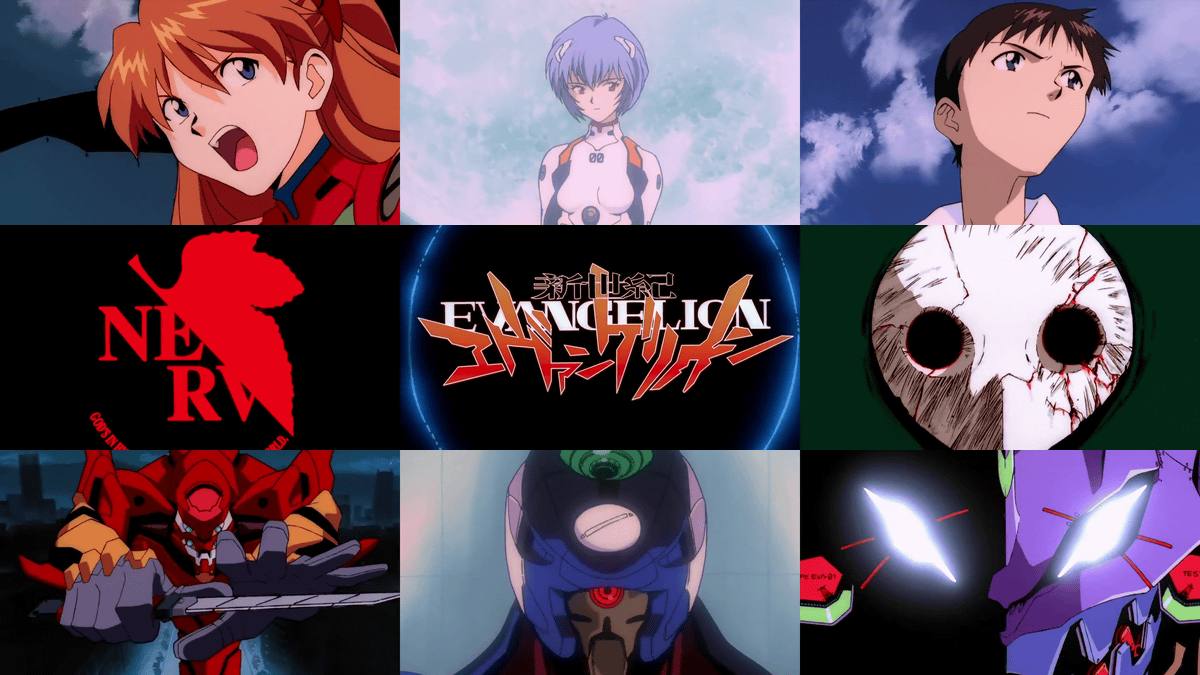
Many netizens pointed out that Neon Genesis Evangelion emerged at the cusp of computer communication evolving into the internet. Back then, there were no instant social media platforms or official explanations from studios. Viewers pieced together production rumors from fragmented info, leading to widespread speculation as the finale approached: "Are they running out of budget and staff?" With only two episodes left, everyone wondered, "Can they really wrap this up?" The sudden shift to a psychological drama in episodes 25 and 26 was completely unpredictable, leaving audiences "weak in the knees" and "utterly bewildered by what they'd just watched."

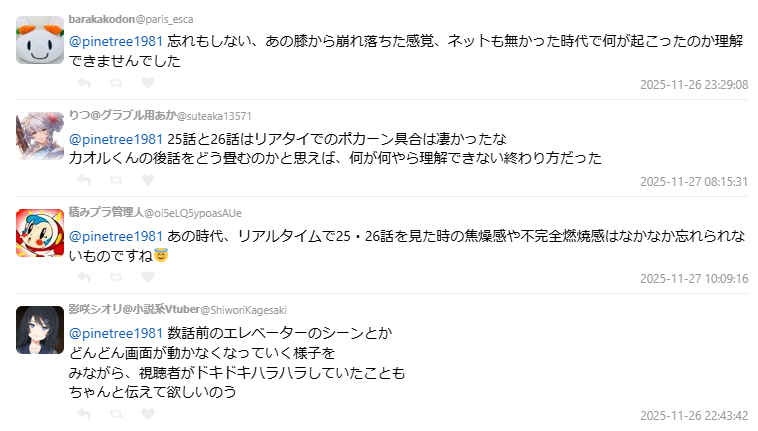
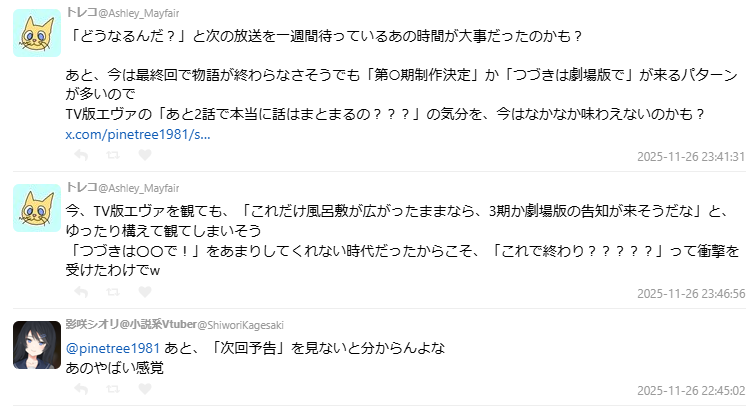
One netizen offered an analogy: showing someone who hasn't seen the preceding episodes the ending of Puella Magi Madoka Magica won't elicit the same immediate emotion or shock. The impact comes from the emotional build-up. Perhaps if the students had watched the first 24 episodes, they could have accumulated the necessary emotional investment for the finale; otherwise, that profound shock is hard to connect with.
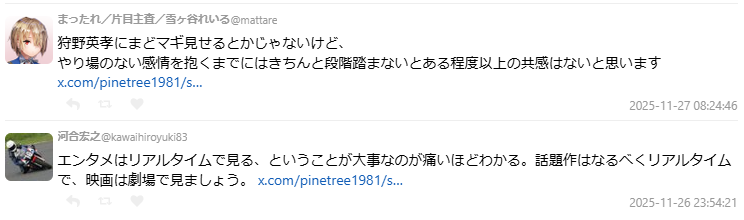
Similarly, today's students have grown up with countless works influenced by Neon Genesis Evangelion. Asking them to feel the shock of "EVA did all this first" is an even taller order.

The professor also stated that he doesn't expect students to fully grasp the original shock. Instead, he wants them to understand how Neon Genesis Evangelion, in an era without the internet and with fragmented information, fundamentally altered the entire animation landscape. For students specializing in manga and animation, Evangelion isn't just a show; it's a textbook—a landmark work born at a historical crossroads, symbolizing a changing era.
It's clear that the shocking impact Neon Genesis Evangelion delivered to anime fans back then is truly difficult to replicate for the current generation. After all, the entire historical context and environment are vastly different, and similar works have since emerged. Perhaps there's a better way to convey that original seismic impact....
via: togetter