
Netflix's proposed $72 billion acquisition of Warner Bros. has once again sent shockwaves through the market. Beyond calls from U.S. lawmakers for the Department of Justice to intervene, an HBO Max subscriber from Las Vegas – who has never subscribed to Netflix – has filed a class-action lawsuit directly against Netflix, alleging the merger would significantly diminish competition in the U.S. subscription streaming market and requesting the court block the acquisition.
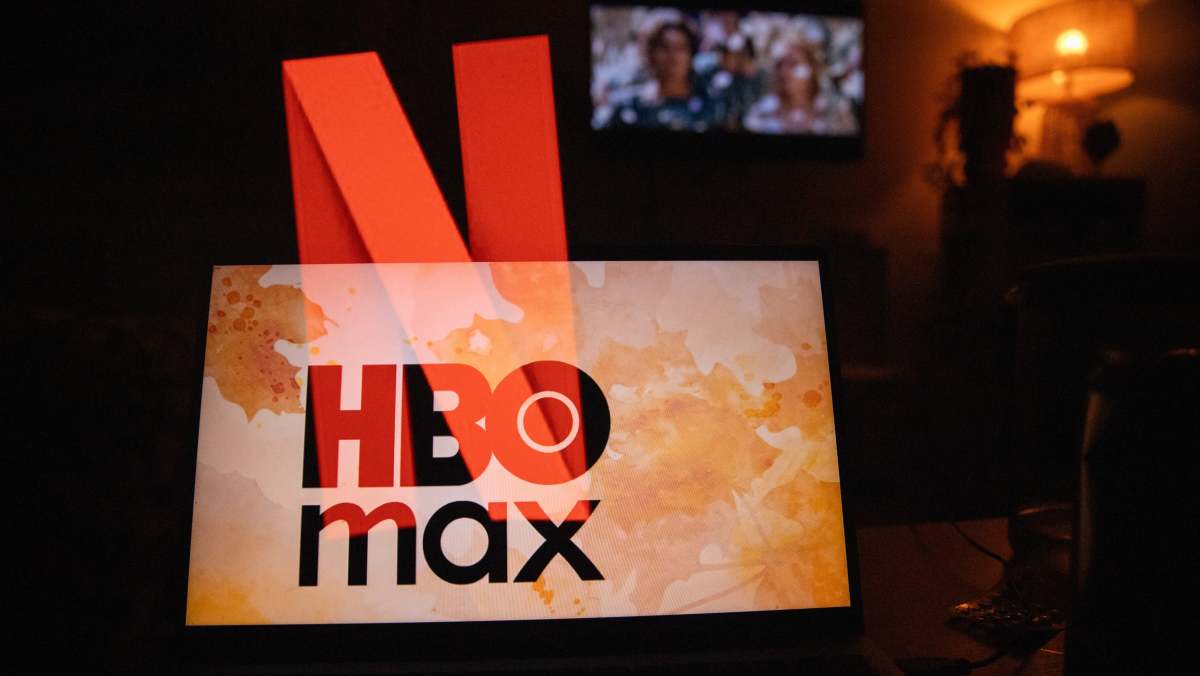
The lawsuit, filed by HBO Max subscriber Michelle Fendelander in federal court in San Jose, claims that if Netflix successfully acquires Warner Bros., it would cause "immediate and profound" harm to consumers.
The complaint alleges that subscription fees would inevitably rise, while content quality, service diversity, and overall output would decline due to reduced competition. Fendelander argues that the consolidation of these two major players would not only limit content choices for users but also diminish opportunities for creators to be heard on mainstream platforms.
Netflix quickly responded, not only criticizing the lawsuit as "baseless" but also accusing the plaintiff's lawyers of merely trying to "capitalize on the high-profile merger."
However, this lawsuit isn't the only voice of opposition. Democratic Senator Elizabeth Warren recently publicly urged the Department of Justice to conduct a thorough investigation, describing the acquisition as an "antitrust nightmare" and warning that Netflix's control of Warner Bros. could lead to mass layoffs and increased subscription fees.
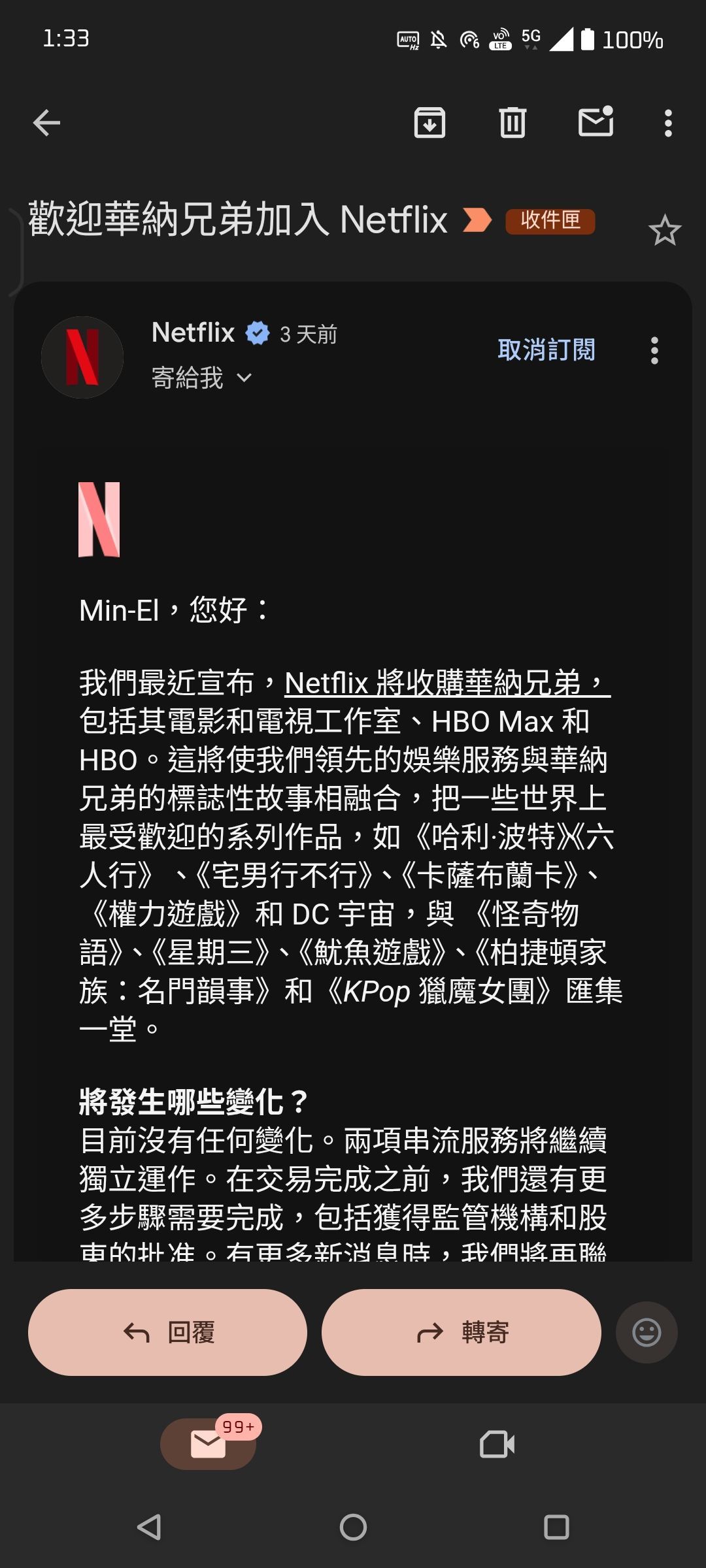
Last week, Netflix sent a reassuring email to its subscribers, attempting to quell market concerns about price hikes. The email emphasized that "nothing will change" for now, and Netflix and HBO Max would continue to operate independently until the deal closes. The company also clarified that the acquisition still requires regulatory and shareholder approval, estimated to take 12 to 18 months to complete, meaning formal integration might not occur until late 2026 at the earliest. Regarding pricing, Netflix did not entirely rule out future rate adjustments, only promising no changes to existing plans before the transaction is finalized.
Despite external skepticism, Netflix CEO Ted Sarandos remains highly confident. He stated at an investor conference, "We have a high degree of confidence in the regulatory process. This is a deal that's good for consumers, good for creators, and good for the market." Sarandos also revealed that Warner Bros.' new films would continue to have theatrical releases for a period, but the exclusive theatrical window would gradually shorten to provide viewing options more "aligned with user habits."
Notably, external reports suggest that Netflix is particularly keen on Warner Bros.' vast content library, partly because the company is developing future AI content generation capabilities. Recently, Disney announced that Disney+ would integrate AI creation tools, escalating the streaming platform competition into a new kind of battleground.
via: L.A. Times