

Nintendo recently found itself in the middle of a generative AI controversy, facing accusations of using AI-generated mother-and-baby images to promote a Super Mario children's toy line. The rumors kicked off on social media when a model's thumb in a promotional photo appeared unusually angled. This led some netizens and media outlets to quickly label it an "AI fake," reflecting the current widespread distrust in image authenticity.
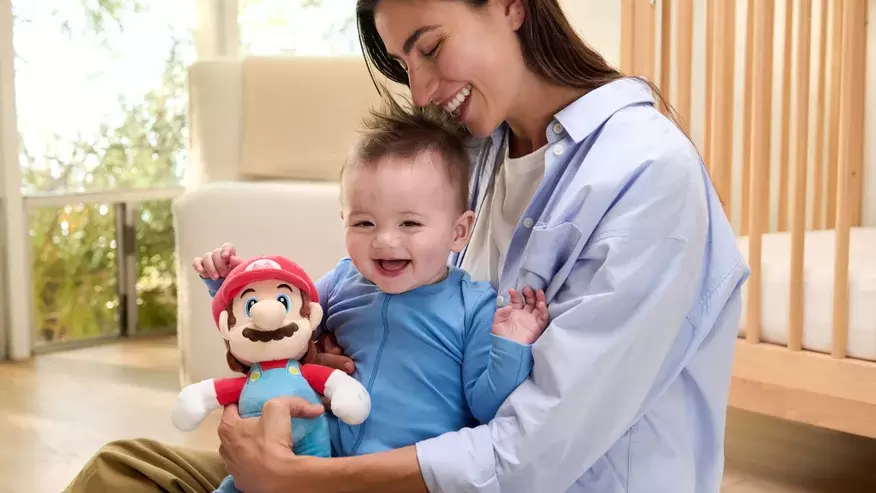
In response, Nintendo has officially denied all allegations, emphasizing that all promotional materials were shot with real human models and did not utilize any generative AI technology. A Nintendo spokesperson confirmed to international media that the entire production process followed traditional advertising methods, with real people involved from casting to the actual shoot.
Adding to the clarification, IGN interviewed Brittoni O’myah Sinclair, one of the models involved in the shoot. She stated that the marketing campaign went through formal auditions and multiple callbacks, with many models even bringing their actual families to participate. "Everything is real," she affirmed.
Sinclair also noted that while she wasn't the specific model in the controversial photo, she had seen the person on set and confirmed they were indeed a real human being.
The incident quickly gained traction due to recent advancements in AI image technology. As generative AI becomes capable of producing highly realistic photos, a "doubt first, verify later" mentality has emerged on social media, making even legitimate advertising images susceptible to misjudgment.
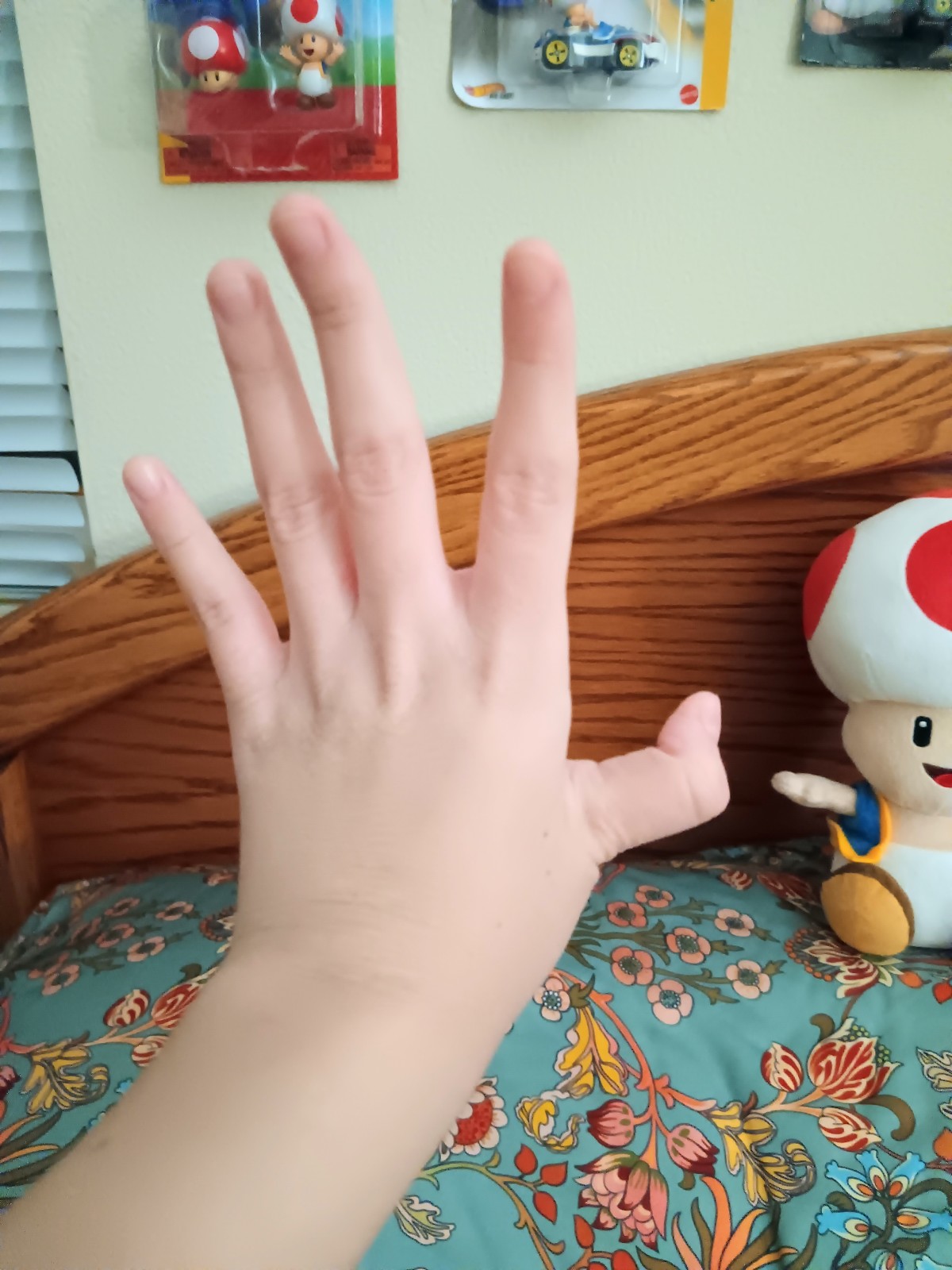
Some netizens have also come forward to refute the doubts, pointing out that human joints naturally exhibit variations, and one should not conclude something is AI-generated based solely on visual intuition.
This controversy once again highlights the entertainment and gaming industry's heightened sensitivity to AI. From game art and marketing materials to image production, the use of AI continues to spark ethical and trust discussions. Nintendo's swift clarification, to some extent, reflects how brands in the AI era must proactively address public concerns and anxieties about "authenticity."
via: IGN