

 (Image: Sony Pictures)
(Warning: This article contains spoilers.)
Full disclosure: I’m a massive fan of last year’s third installment, "28 Years Later." I loved it even more than the original, admiring its wealth of new ideas and its poetic tone. It’s without a doubt one of the most daring—and successful—sequels in recent memory. But it’s not a masterpiece for everyone. Some great films are destined to polarize audiences. If you went in expecting something similar to the first movie, hoping it would adhere to standard zombie genre tropes (and yes, I know they're the Infected, I'm referring to genre conventions), or if you were hung up on the protagonist failing to save his mother and believe heroes must always emerge victorious, then you were likely not the target audience. The film had zero interest in delivering on those expectations.
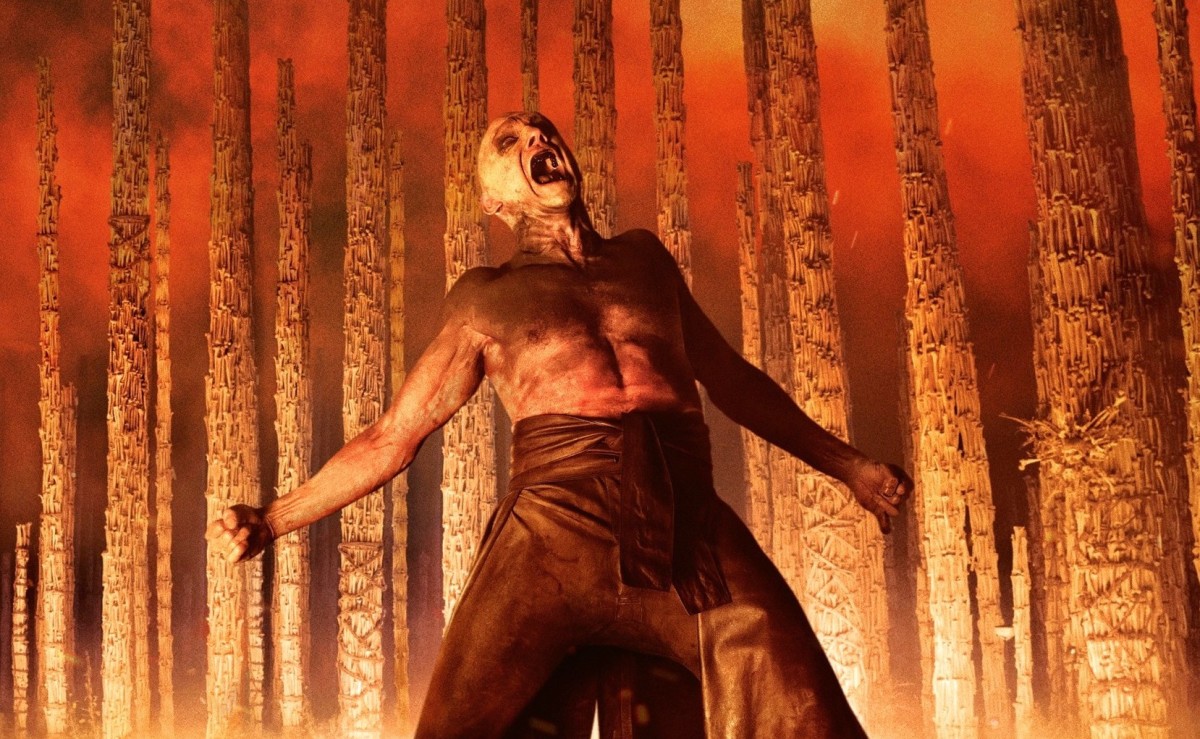
The sequel, "28 Years Later: The Bone Temple," follows the same playbook. In some ways, it’s even more rebellious, practically daring the audience to hate it. The Infected are almost completely irrelevant here, reduced to occasional background figures who pose little to no threat. "The Bone Temple" is easily the least thrilling and least commercial installment in the entire franchise. At its core, it’s a straight-up drama. Its themes diverge from the third film, and the focus isn't solely on Spike anymore. "The Bone Temple" operates more like an ensemble piece, with screen time distributed evenly and narrative perspectives constantly shifting.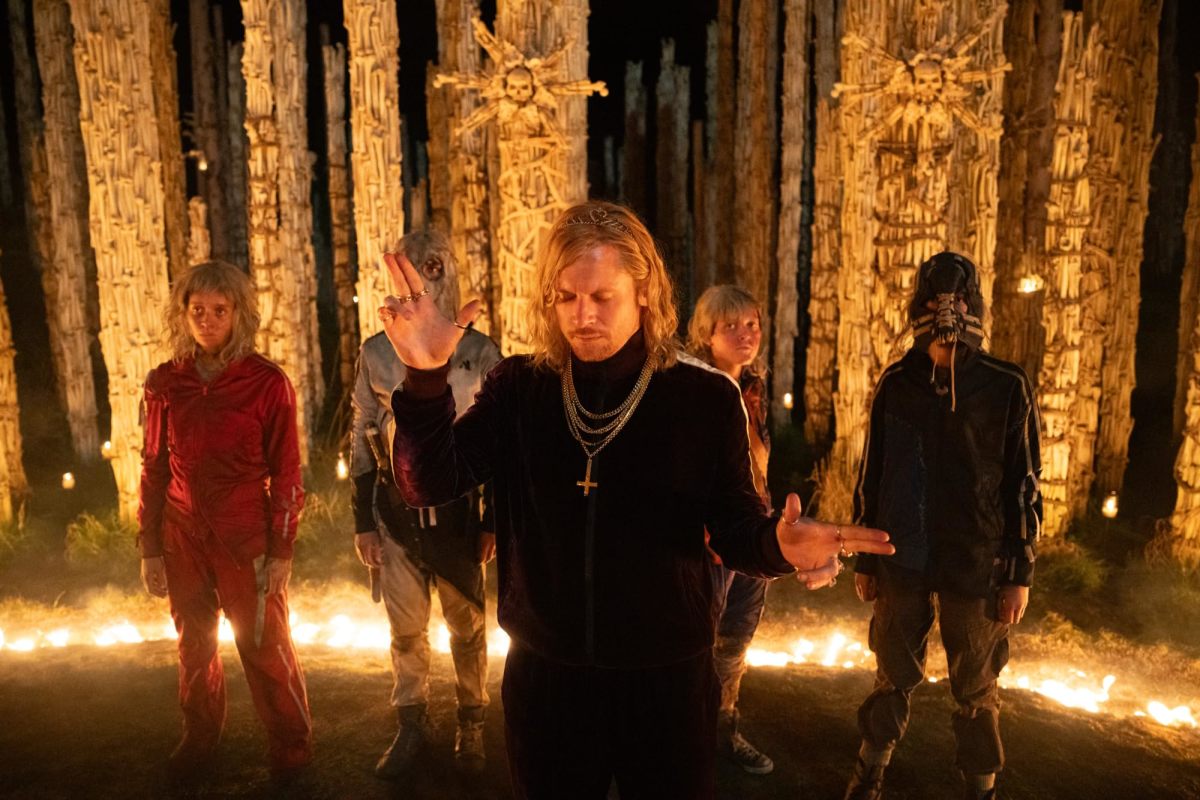
(Image: Sony Pictures)
But I loved "The Bone Temple" all the same. I couldn't care less whether it fits the mold of a typical "zombie" movie; as long as the story is compelling, I'm on board. And this film absolutely delivers on that front. Overall, "The Bone Temple" doesn't deviate from the thematic framework of its predecessor: escaping a system built on lies. In the last film, Spike broke free from the falsehoods of his father, Jamie. Here, he must escape the deceptions of a cult leader named Jimmy. Both Jamie and Jimmy are survivors from the old world, and though their temperaments are wildly different, they both use deceit to forge a new kind of order in this broken world.
Jamie sought order simply to raise his son, but Jimmy craves it to feed his own lust for power and to heal the childhood trauma inflicted upon him by religion. Jimmy feels that faith—and God—abandoned him, so he, in turn, abandons God, co-opting other beliefs (with his own twisted additions) to make sense of his suffering. By a stroke of bad luck, the runaway Spike falls into Jimmy's clutches, setting him up for another harsh life lesson. But "The Bone Temple" isn't really about Spike's escape this time. Instead, it chronicles the gradual disintegration of Jimmy's entire worldview. The audience follows his journey: from his imposing missionary patrols at the start, to the mid-film sacrifices of his followers due to his own carelessness, and finally to the climactic brainwashing ritual that backfires spectacularly, causing his dogma to utterly collapse. We see most of the film through Jimmy's eyes, with Spike serving more as a bystander.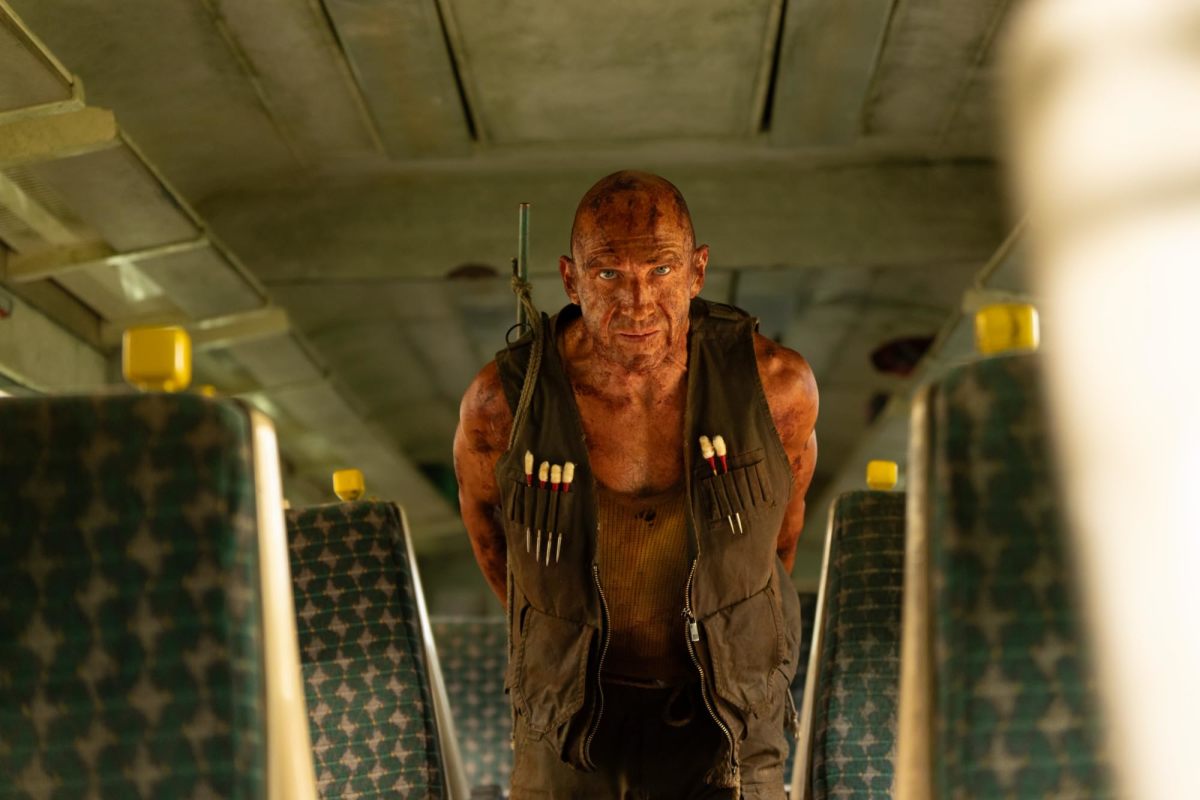 (Image: Sony Pictures)
As a villain, Jimmy is a complex figure. He can be chillingly aggressive one moment and absurdly comical the next, especially in the latter half of the film. Once you realize Jimmy is terrified of his own propaganda being exposed, the movie shifts into a dark comedy that feels like it could have been written by Quentin Tarantino. It’s hilarious watching his panicked, shocked reactions every time his beliefs are challenged. The audience discovers that this ruthless, cold-blooded killer is driven by motives so profoundly foolish that the contrast is staggering—and hysterical. This isn't a case of bad writing; the script wants you to find him ridiculous. It pushes the audience to consider whether the origins, doctrines, and circumstances that give rise to some real-world religions are any less absurd than Jimmy's little cult.
Beyond the cult storyline, "The Bone Temple" dedicates significant focus to Dr. Kaisen, played by Ralph Fiennes. A common question after the last film was why Kaisen didn't just kill the Infected subject, Samson, from the start. This sequel spends a good deal of time answering that question (though the clues were already there). Kaisen’s relationship with Samson mirrors that of a biologist and a predator in the wild: he understands the inherent danger but refuses to kill the creature purely for self-preservation.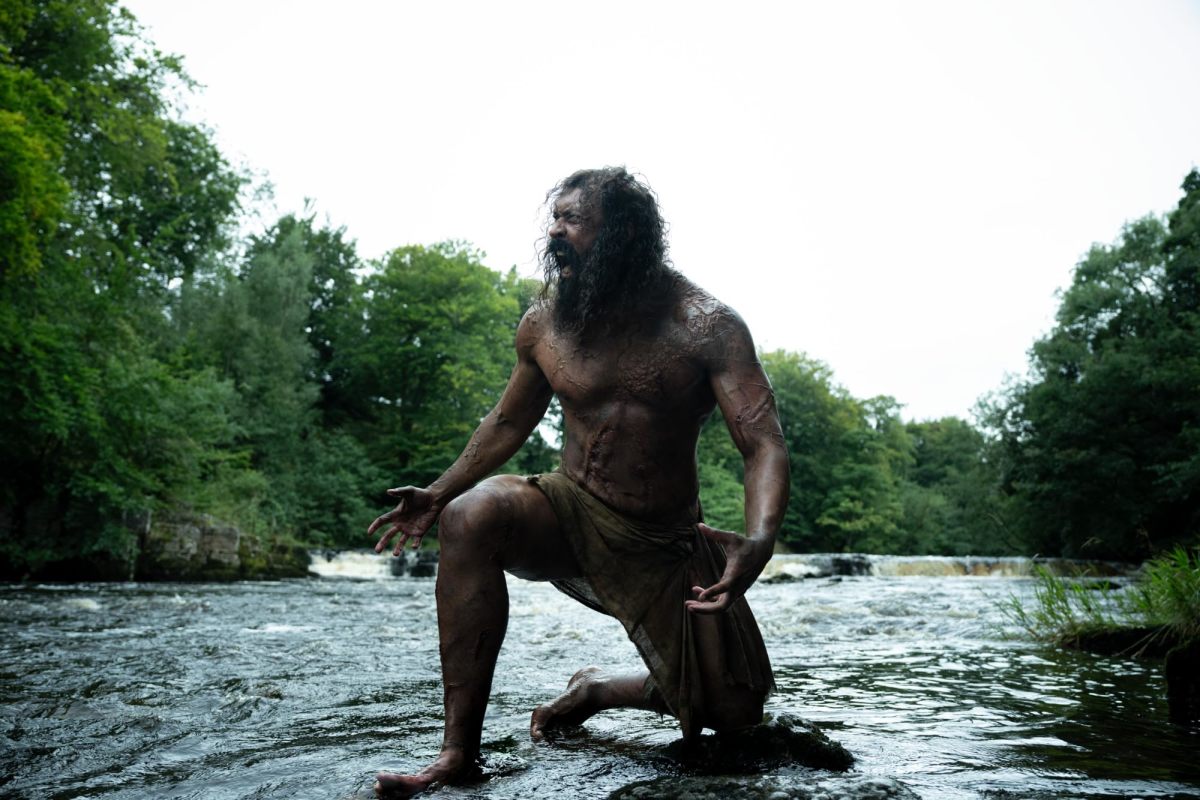 (Image: Sony Pictures)
What’s surprising is that Kaisen actually uses Samson to develop a cure—one that not only heals the Infected but also grants permanent immunity. His method? Getting high with Samson. This is where "The Bone Temple" leans into comedy again, and it’s a plot point guaranteed to make detractors see red. People will inevitably scoff at the idea of tripping with an Infected. For me, however, the interactions between Samson and Kaisen were the most beautiful and poetic element of the film; I found it deeply moving. This is the kind of high-caliber surprise you get when Alex Garland, the writer of the original, returns to mastermind a new trilogy. As one of the most important science-fiction minds working today, he was never going to just repeat himself.
If there’s a slight disappointment, it might be for those hoping director Nia DaCosta would inject a fresh visual dynamism into the series. Her direction is more measured and less frenetic than Danny Boyle’s work. Even the climactic, fever-dream dance sequence, where Fiennes lip-syncs to Iron Maiden’s "The Number of the Beast," feels more like a product of the script than a director-driven flourish. But that’s a minor quibble. Not many were looking to this film as a DaCosta showcase anyway. Mainstream audiences will likely just write her off as the director of "The Marvels," unaware of how little creative control she had on that project, her tasteful approach to horror in 2021’s "Candyman," or the fact that her new film "Hedda" is a favorite among many of her industry peers.
Frankly, the potential audience for "The Bone Temple" was always going to be limited. This new trilogy is destined to exist far outside the mainstream. But regardless of what others think, I’m even more excited for the fifth installment and can’t wait to see how Garland will subvert our expectations next. The simple fact that each film ends by passing the torch to the next movie's lead—Jack O’Connell at the end of the third, Cillian Murphy at the end of this one—is enough to leave me hyped beyond words.