

The January 17, 2026 episode of "Saturday Night Live" (SNL) has once again thrust "Stranger Things" into the center of a firestorm, with the show's series of parody sketches about hypothetical spinoffs drawing widespread criticism for its controversial humor.
One sketch, titled "Mike in Manhattan," adopted the narrative style of "Sex and the City" to depict an adult Mike pursuing a writing career in New York. The segment featured "Stranger Things" stars Finn Wolfhard (Mike), Gaten Matarazzo (Dustin), and Caleb McLaughlin (Lucas), which many fans initially saw as a fun reunion for the characters in their adult years.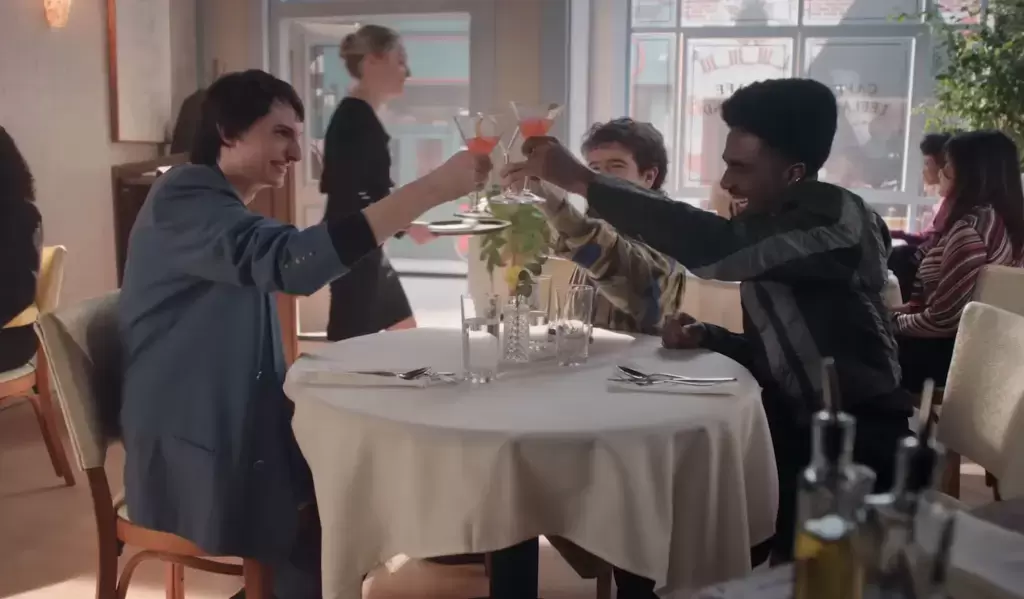
However, the sketch quickly sparked backlash. The most inflammatory moment came from a line about Lucas and Max's relationship. While talking with Matarazzo, McLaughlin, in character as Lucas, said:
"Well, me and Max were hot and heavy at first, right? But after a few years, she just lies there, like she's back in a coma again." The dialogue was widely interpreted by viewers as a disturbing allusion to having sex with a comatose person.
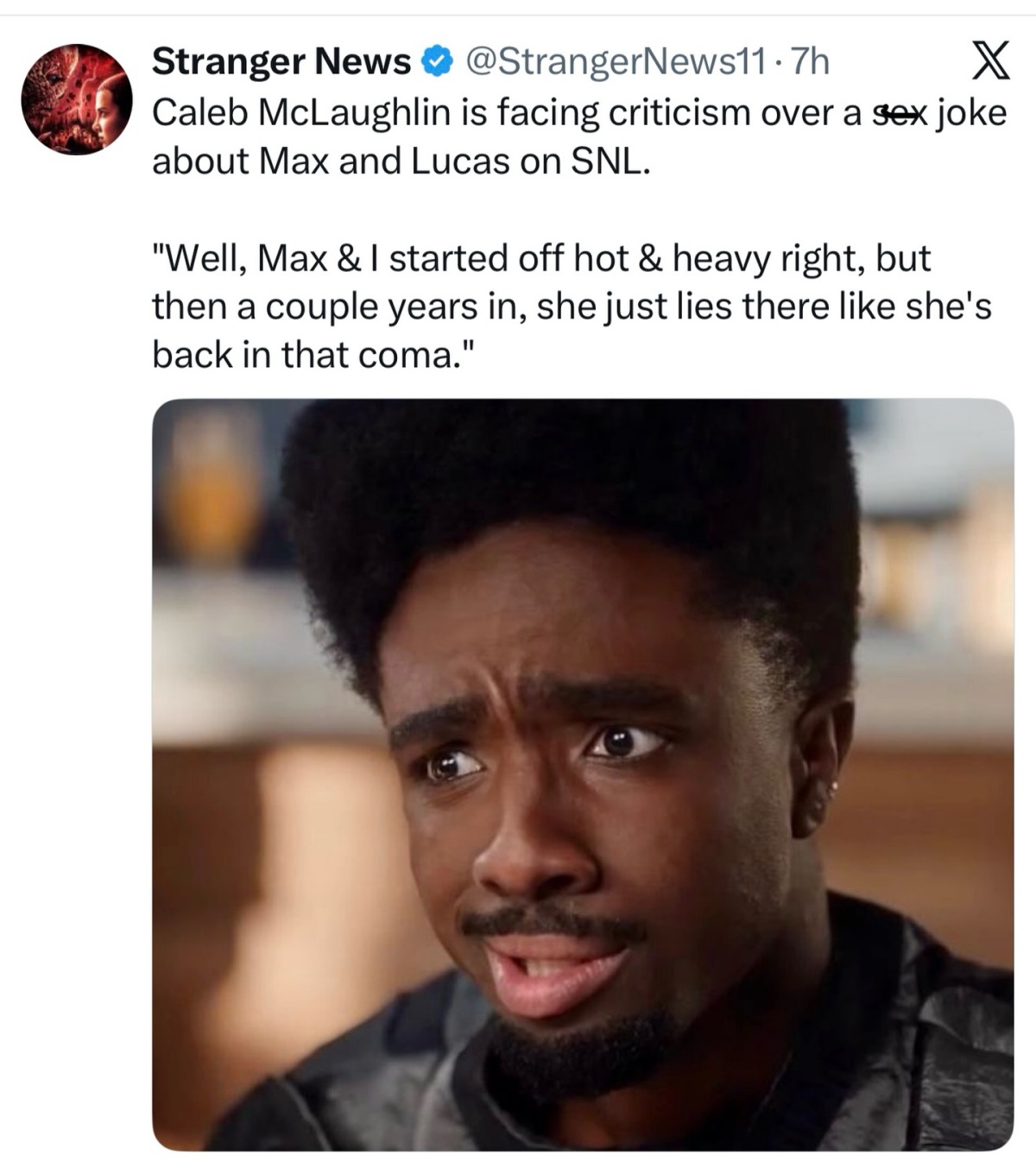
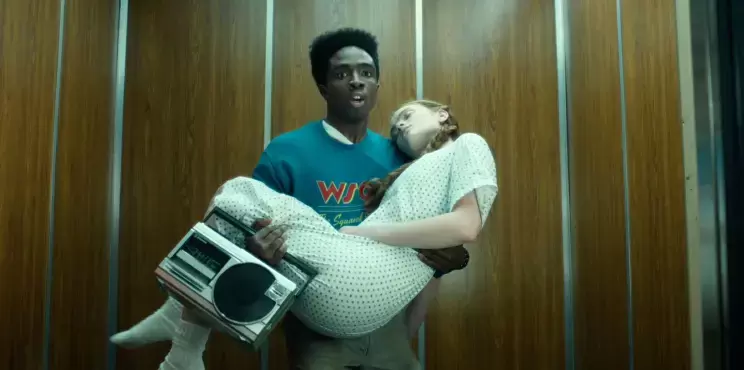
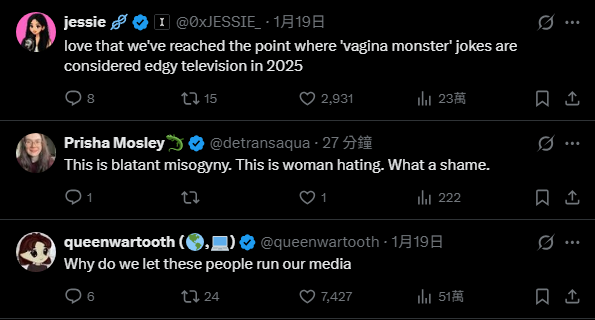
One user on social media asked what SNL was thinking, calling the jokes "flat and disgusting" and adding that making a sex joke about a coma was deeply uncomfortable. Another viewer was more direct, criticizing the show for implying Lucas had sex with a comatose Max and questioning the show's direction.

In the original "Stranger Things" series, Max falls into a coma after battling the villain Vecna, leaving her in a life-or-death state that symbolized trauma and loss for many viewers. In response to the sketch, one fan wrote that the coma joke felt "really weird" and seemed less like a joke and more like it was "exploiting the character's pain."
Furthermore, another segment from the same episode, featuring Finn Wolfhard himself, also stirred discussion. In a comedic bit, Wolfhard mentioned going through puberty while filming "Stranger Things" and exaggeratedly claimed he learned "what female private parts looked like for the first time" from the show, at which point the screen cut to an image of the Demogorgon opening its petal-like head.
After the clip surfaced, some online critics slammed the joke for being sexist and misogynistic. However, others defended it as a classic example of SNL's style, using exaggeration and deliberately uncomfortable humor to mock the awkwardness and confusion of adolescence.
In a matter of seconds, the line between politically incorrect humor and scripted comedy blurred, reigniting the debate over the show's creative limits and standards.
In addition, another SNL sketch comedically explained Will's absence by claiming "his coming-out scene is still going," deliberately dragging out the moment with awkward puns.
In the sketch, Will, played by Jeremy Culhane, says: "Guys, I'm 'gay'-thering my courage because the truth is… I'm 'gay'-zing at you all, and I like D… and D, as in Dungeons & Dragons, just like you guys."
This segment also ignited anger. One viewer criticized the show for making a joke out of Will's coming-out scene, calling it "not funny and disrespectful." Another stated they were "sick of queer people being a punchline" and that "Will deserves better."
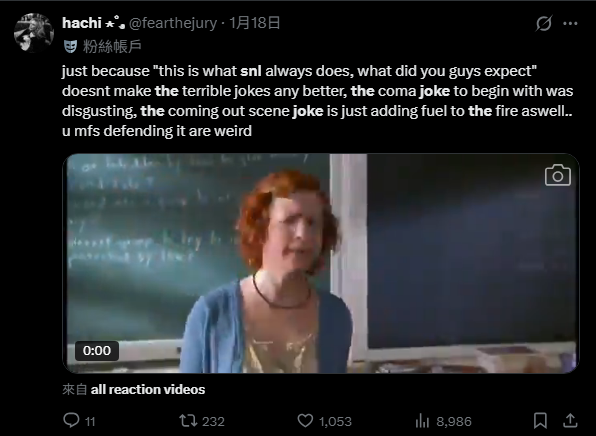

Some users also came to the defense of Noah Schnapp, who plays Will, arguing that it was particularly upsetting to see the character's most vulnerable moment of growth isolated and mocked. "The other three boys were there, and only Will was used as a punchline," one user noted. "It feels terrible."
Despite the criticism, some viewers defended the show, arguing that the satire was aimed at the series' often repetitive handling of emotional beats rather than at the character himself.
However, coming in the wake of the "Stranger Things" finale, which left audiences divided and fueled conspiracy theories, this SNL parody clearly struck a sensitive nerve.