

A recent viral video showcasing an AI-generated, playable Pokémon-style game has sparked a heated debate within the gaming community regarding artificial intelligence and copyright. A user reportedly used just one prompt to create a fully functional Pokémon clone, complete with character selection, a battle system, and town interactions. The entire process required virtually no manual coding, positioning it as a cutting-edge example of AI's game generation capabilities.

Chris, the X (formerly Twitter) user who shared the impressive feat, stated that he simply instructed the AI to "make a Pokémon-style game," and the AI model completed the entire project in approximately 90 minutes.
The video reveals a game sporting a Game Boy-era pixel art style, featuring classic elements like starter Pokémon selection, Charmander battling Rattata, NPC dialogues, shop purchases, and a Pokémon Center. The gameplay flow closely mirrors that of official Pokémon titles.
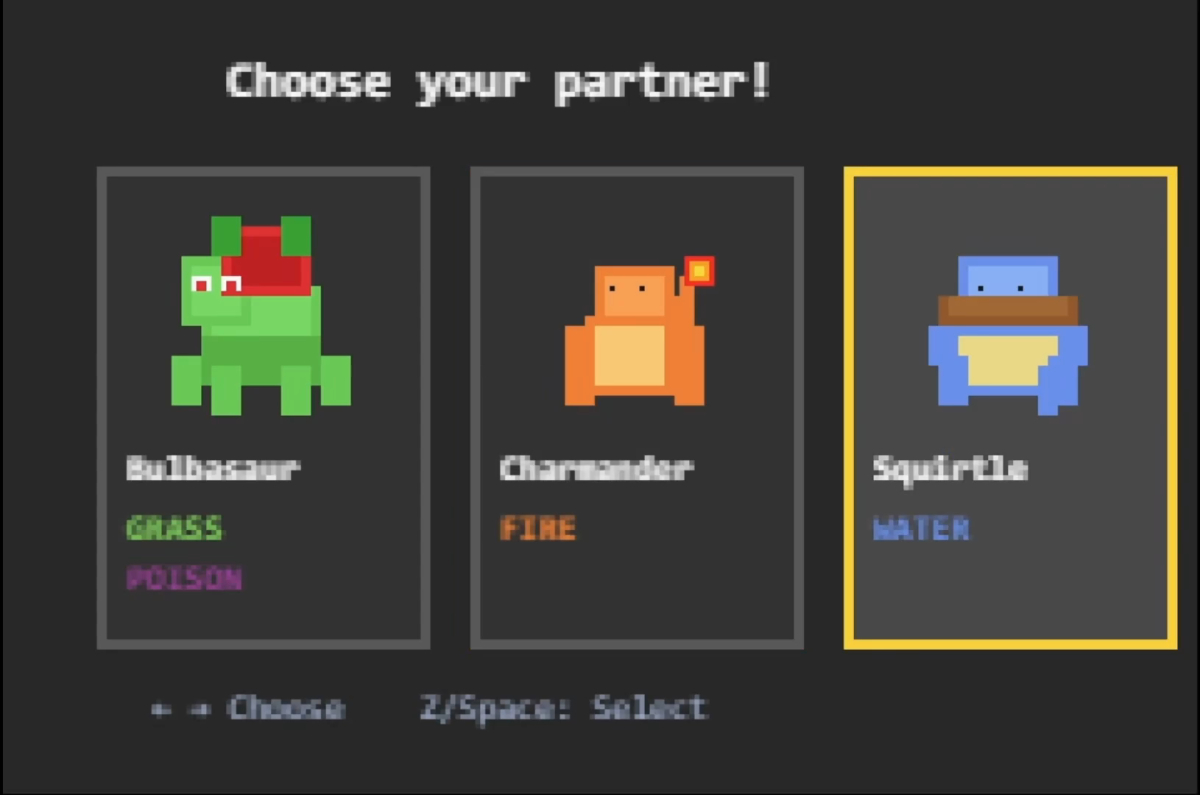
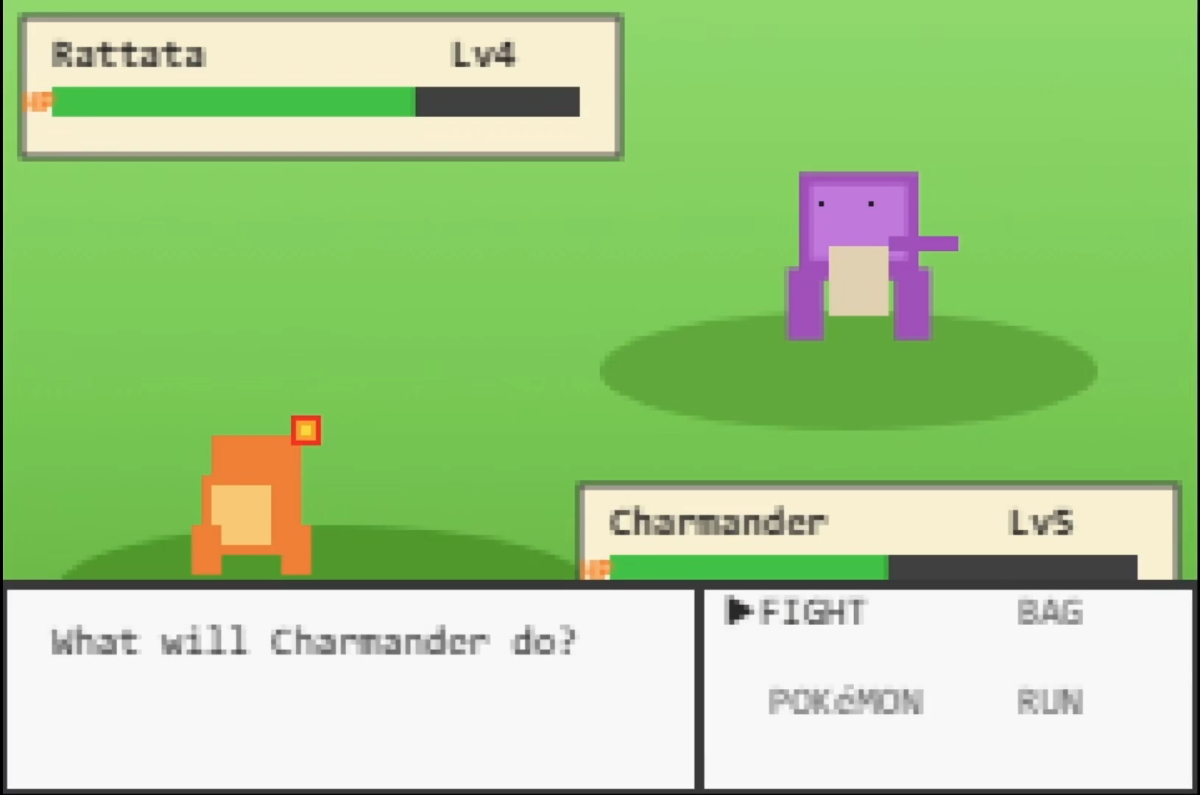
However, this AI-generated game quickly ignited controversy. The creation directly uses the name "Pokémon FireRed" and fully incorporates Poké Balls, character names, and core battle designs without any significant alterations or homage-style packaging. This has led many to question whether it infringes upon copyrighted content. Nintendo has a history of taking legal action against similar clone games, indicating that even non-commercial projects can pose an infringement risk.
On one hand, some developers see this incident as a testament to AI's potential as a creative tool, possibly aiding in rapid prototyping and small-scale game development in the future. Yet, others warn that if AI-generated content too closely mimics existing IP, it could not only lead to legal disputes but also deepen player distrust in the "AI-made content flood."
As technology rapidly advances, AI's role in game development and the blurred lines of copyright are undoubtedly becoming critical new challenges the industry must confront.
via: GameRant