

 (Image: Warner Bros. Pictures)
(This review contains spoilers.)
Generally speaking, audiences don't take kindly to film adaptations that stray too far from the source material. The original author, after all, likely honed the plot through countless revisions, landing on what they considered the perfect narrative. Any attempt to rewrite it is a gamble; it's not impossible to improve upon the original, but the odds are low. More often than not, viewers are left with a diluted, second-rate version.
Then there are the purists, who treat the original text as scripture. To them, any deviation or omission in a screen version is nothing short of blasphemy. Strictly speaking, an adaptation is its own entity, a different interpretation of a work. But many fans—and sometimes even the original authors themselves—view adaptations as mere accessories to the source. When that accessory deviates too far, they erupt, like parents who demand their child become a doctor, only to be crushed when the kid decides to paint or join a band instead.
(Image: Warner Bros. Pictures)
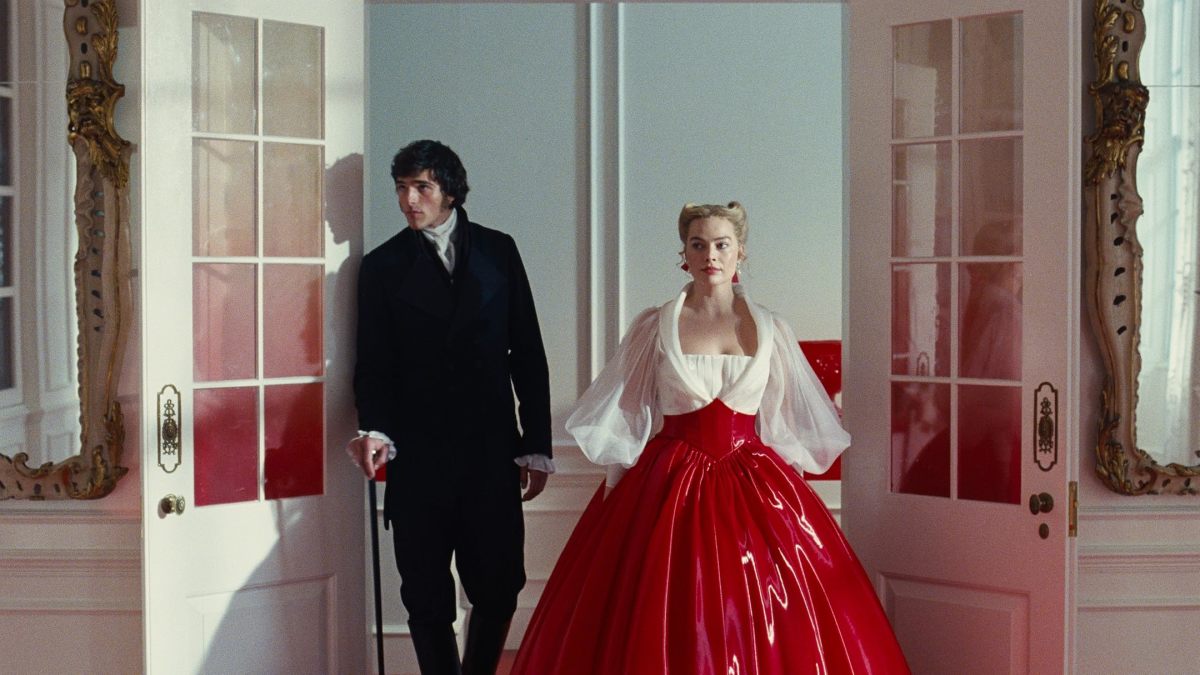
Emerald Fennell's 2026 version of "Wuthering Heights" is that rebellious child, ready to infuriate its parents—and it's the type to tear up its report card right in their faces. But Fennell has been clear from the start: she never intended to create a definitive, faithful adaptation. A friend of mine put it perfectly: what Fennell really wanted was to write her own high-budget fan fiction. If you can accept it on those terms, you're more likely to enjoy the ride. If not, you'll probably leave the theater fuming.
Personally, I fall into the former camp. I can fully embrace a radical reimagining, even one that's completely unrecognizable, as long as it operates with its own internal logic and achieves its creative goals. And Fennell's logic is refreshingly simple: she's turned "Wuthering Heights" into an erotic thriller. Not a high-brow, arthouse piece, but a pulpy, sensory-driven romp designed for maximum visceral impact—a genre Hollywood has long neglected.
 (Image: Warner Bros. Pictures)
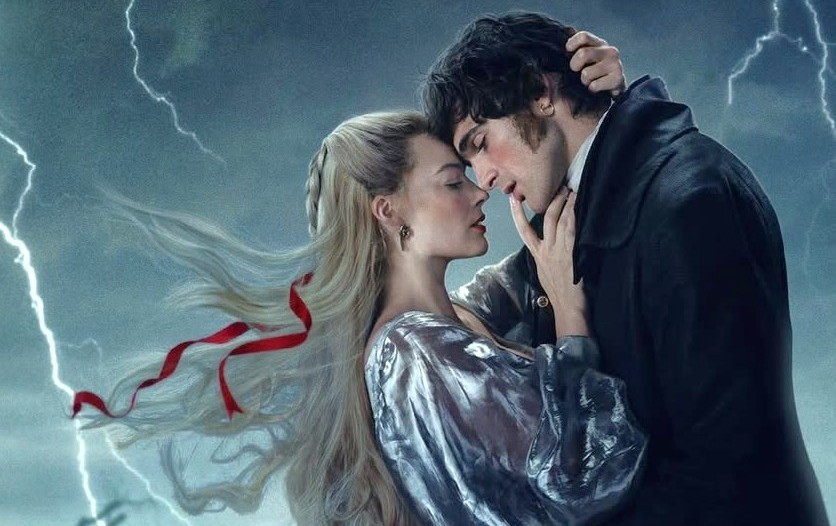
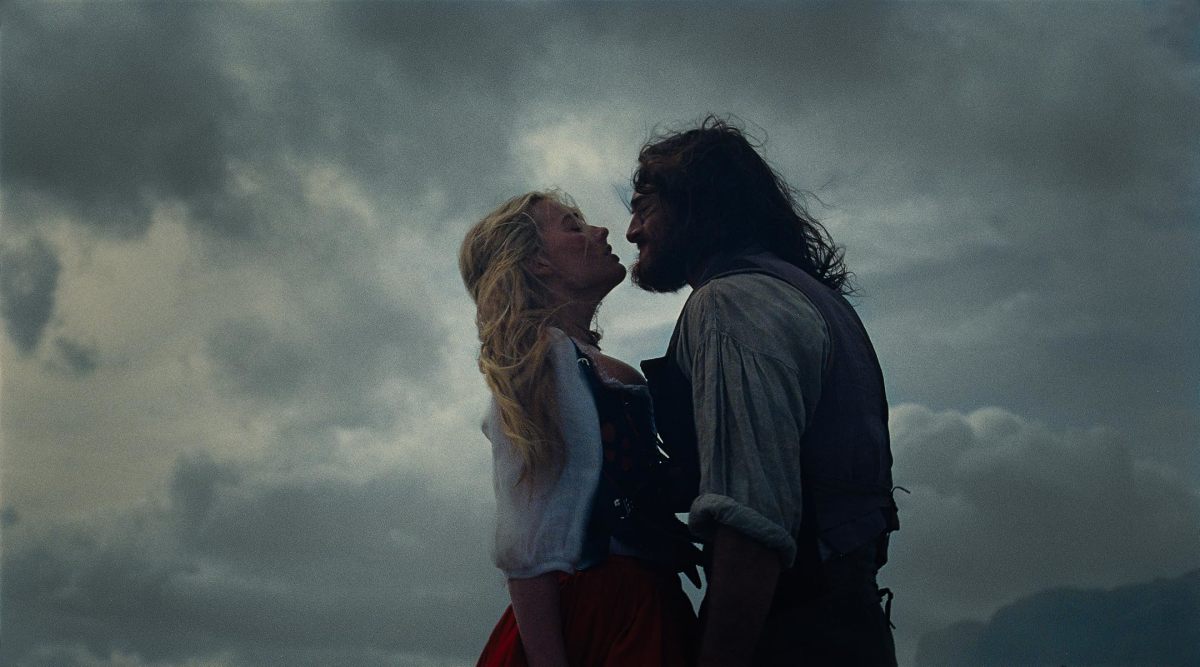
Fennell's "Wuthering Heights" feels less like a film and more like reading a piece of erotic literature—not the kind with graphic descriptions, but one that uses metaphor, wrapping the characters' desire and arousal in descriptions of landscapes, architecture, and objects. Fennell is chasing the thrill of that literary tease. Or, more accurately, she's capturing the atmosphere she *personally* felt when reading the novel. The focus is on provocation and seduction, not frequent physical encounters. I know some will cry, "But 'Wuthering Heights' isn't that kind of book!" For Fennell, it is. Which brings us back to my friend's point: this is her fan fiction, one brought to life with an $80 million-plus studio budget to fulfill her own fantasies.
This fan fiction doesn't just amplify the novel's erotic potential; it completely reshapes the story to serve that purpose. Characters are cut, some are merged, others are made more villainous. The entire second half, following Heathcliff's return, is almost entirely Fennell's original creation, carving out time for Catherine and Heathcliff to actually have a clandestine affair. Most interestingly, Fennell marks a clear dividing line, as if to announce, "From here on out, you're getting the climax of my fan-fic fantasy." That line is drawn the moment Heathcliff turns back in the rain to kiss Catherine, and when they learn of Nelly's scheming that tore them apart. The turn is deliciously dramatic.
 (Image: Warner Bros. Pictures)
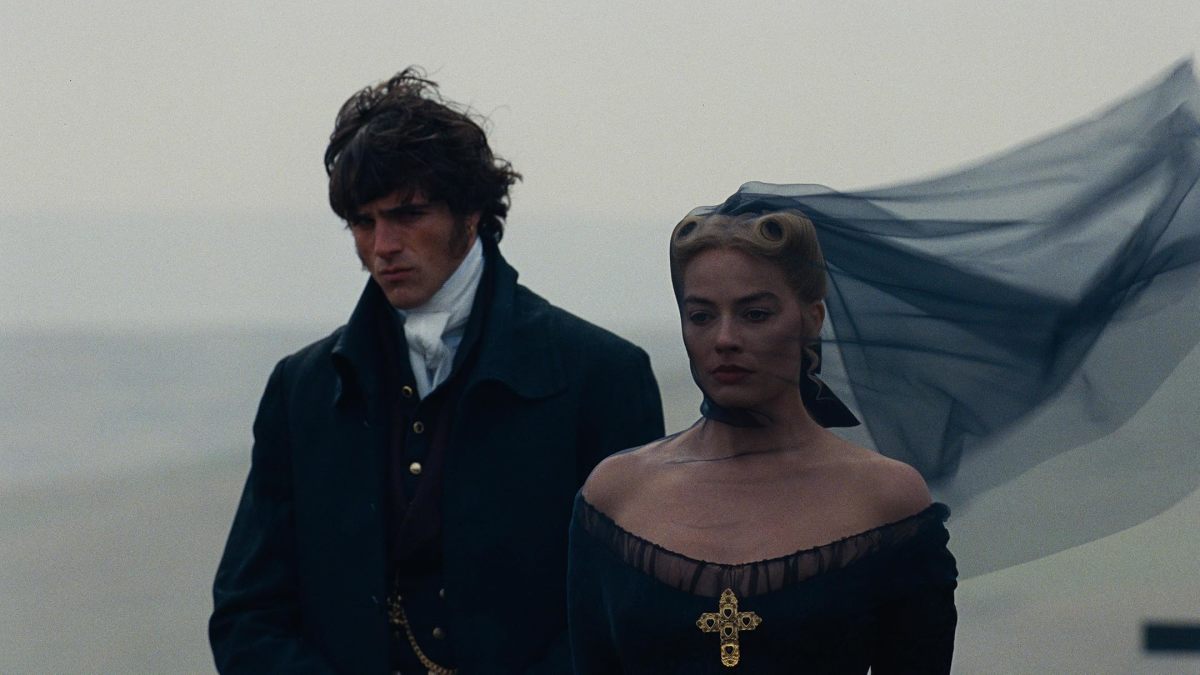
Fennell's extensive rewrites ultimately serve the theme of "regaining control"—an element present in the novel, but now intensified through an erotic lens. Both Nelly and Heathcliff, tormented by their social standing, love Catherine but also resent being controlled by her. Their revenge becomes a twisted mix of hatred and possession, evolving into a battle to own her. The original novel resolves this multi-generational saga of revenge with the love of the third generation, but Fennell cuts that storyline entirely, leaving the film to end in pure tragedy, with no redemption, no turning point, and no glimmer of light.
For the most part, I enjoyed this version. My only major reservation is the ending, which I don't feel has the same power as the novel's. In the book, Heathcliff is moved by the love of the next generation, allowing him to let go and break the cycle of revenge, bringing the story to a satisfying close. Fennell's conclusion, however, feels more like the characters have simply run out of steam. The resolution feels passive—not driven by a new perspective or a change of heart, but by sheer exhaustion. As far as endings go, this feels like the kind of "second-rate" solution I mentioned earlier, born from a desire to be different without finding a better alternative.
(Image: Warner Bros. Pictures)
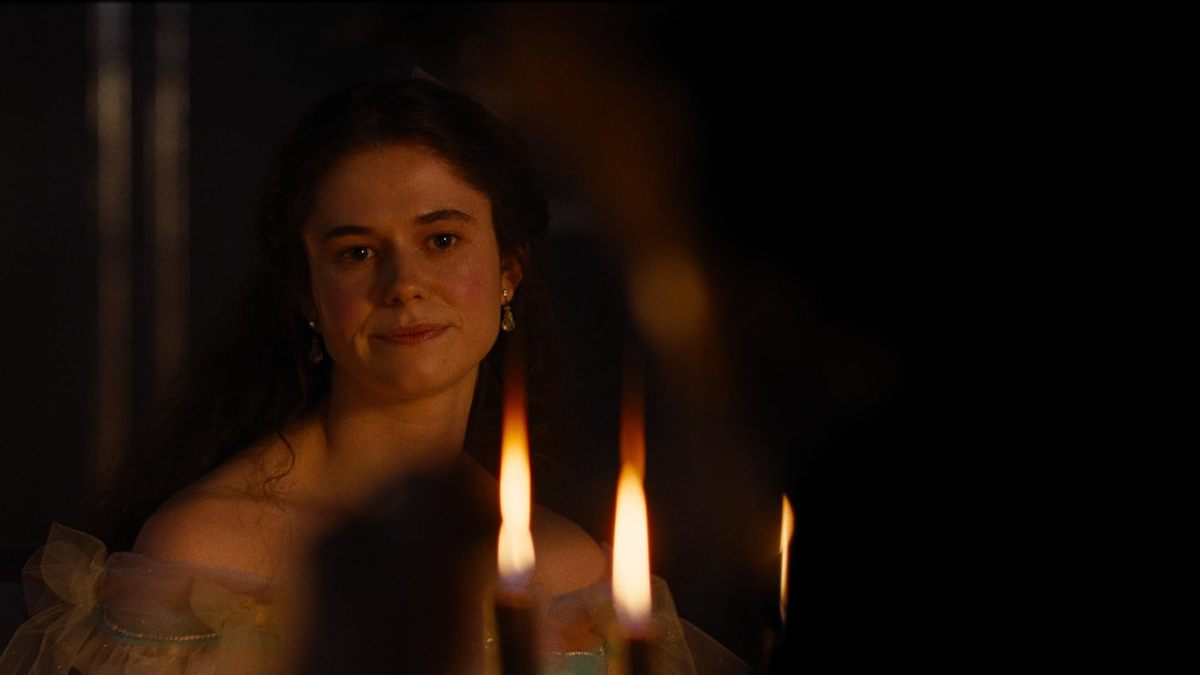
And now for the casting, which, like most readers of the novel, I found a bit strange. First, Margot Robbie is clearly too mature for the role of Catherine. Fennell tries to patch this by raising the character's age and having her marry later, but even with that adjustment, Robbie's age impacts the film's dynamic. She isn't playing a more mature character; she's playing a young girl, which creates a strange, contradictory feeling. That said, her performance itself is commendable. She captures the essence of Catherine—or rather, the essence of the Catherine this version wants her to be.
Jacob Elordi's age is fine; the issue is his lack of feral energy. He's too polished, too gentle. When he returns later in the film, well-groomed and refined, it feels like his natural state, not a transformation. There's no stark contrast of a savage man forced into high society, none of the falseness of a brute in ill-fitting noble attire. Think of Tom Hardy or Ralph Fiennes—their versions had that raw, untamed quality. But Elordi's unsuitability for the part doesn't diminish his screen presence. The man is impossibly handsome, even more so in period costume, and was born to be a movie star. And like Robbie, his performance, taken on its own, is more than convincing.
 (Image: Warner Bros. Pictures)
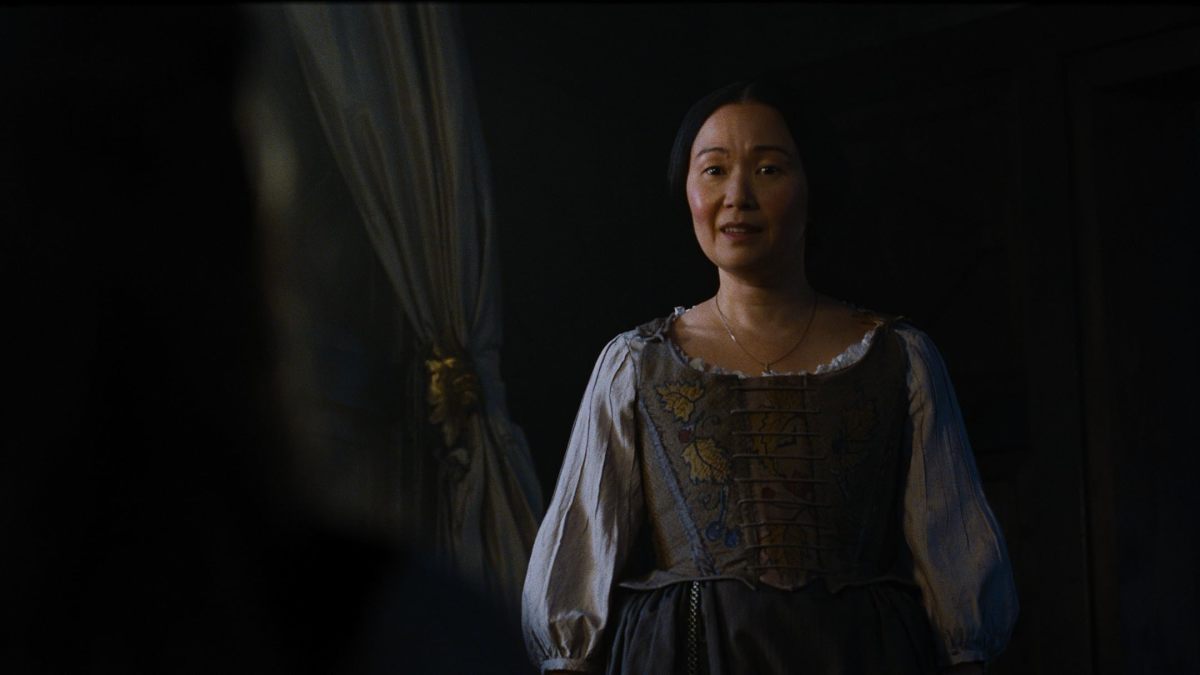
But the most baffling casting choice has to be Hong Chau as Nelly. Setting other adaptations aside, within this film alone, the actress playing young Nelly appears to be around the same age as young Catherine. Yet after the time jump, Nelly suddenly looks a generation older than Catherine (Chau is 46, Robbie is 35). It's a detail that makes no sense. But perhaps we're not supposed to take it so literally. With production design that feels straight out of a Tim Burton or Tarsem Singh film, surreal symbolic flourishes, and a pulsatingly modern electronic score by Charli XCX (which I absolutely loved), it's clear this film has no interest in realism. This is a hyper-stylized, magical-realist interpretation. If you can get on board with that, you'll have a much better time. If not, well, you won't.