

As the Pokémon series marks its 30th anniversary this year, the franchise's powerful and enduring influence is being recognized across various fields.
Recently, Nature, one of the world's most authoritative scientific journals, published an article on its website celebrating Pokémon's 30th year. The piece looks back at how this globally popular IP has profoundly impacted not just the gaming industry and commercial ventures, but also the scientific community.
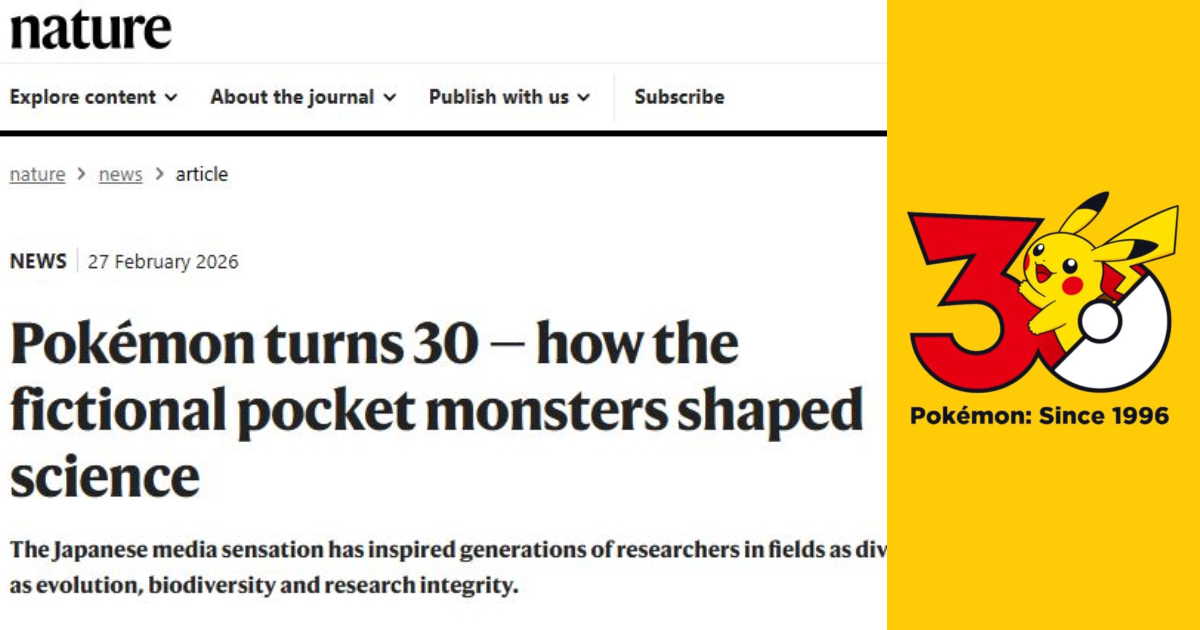
After three decades, Pokémon has not only become a world-renowned IP but has also inspired numerous researchers across multiple scientific disciplines, including ecology, evolutionary biology, education, and even academic publishing research.
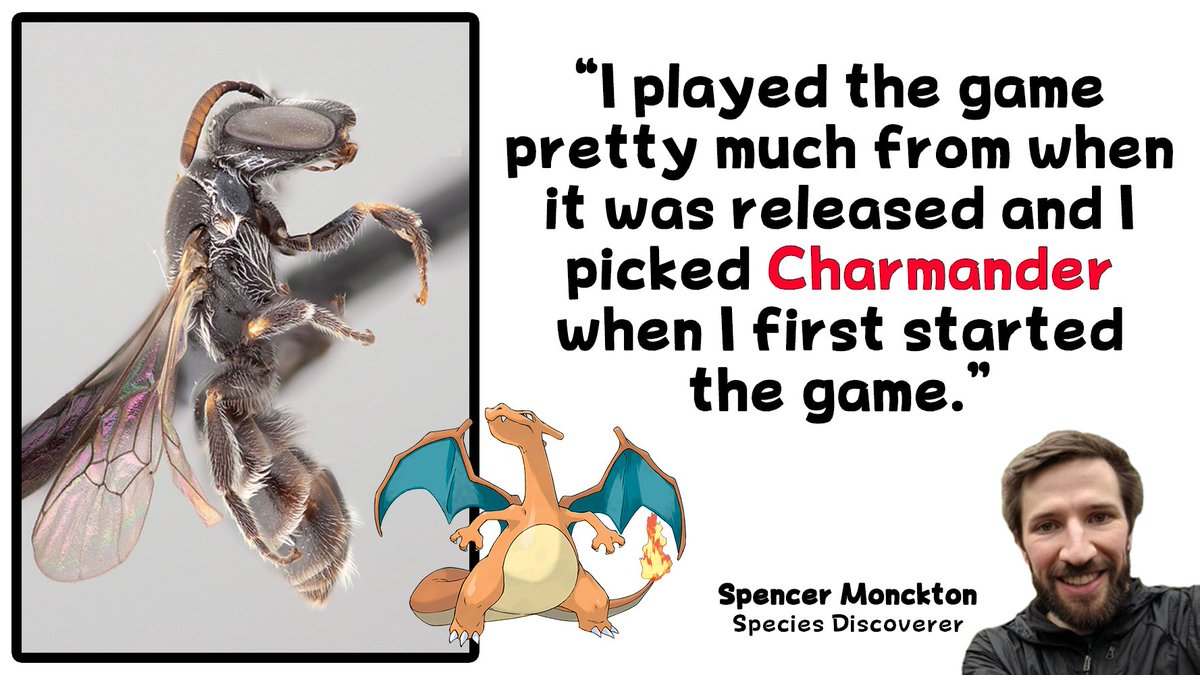
According to the Nature report, many researchers stated that their childhood experiences playing Pokémon significantly influenced their later pursuit of scientific research. Spencer Monckton, a researcher at the University of Guelph in Canada, pointed out that the process of "collecting Pokémon and classifying them by their characteristics" in the game is almost identical to the work of a taxonomist. He even stated bluntly, "It's almost exactly what an entomologist does."

Nature also provided examples of Pokémon's practical impact on academia. Spencer Monckton, for instance, once discovered a new bee species in Chile. Because its face resembled a dragon, he named it *Chilicola charizard*, inspired by the Pokémon Charizard.
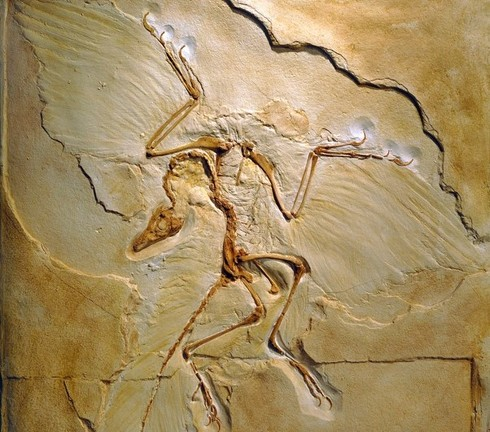
In the field of paleontology, Pokémon also has a strong presence. The Field Museum of Natural History in the United States is planning an exhibition that will compare Pokémon characters with their real-world fossil counterparts. Examples include the pterosaur-inspired Pokémon Aerodactyl and the Archaeopteryx-inspired Pokémon Archeops.
In fact, there's even a real-world pterosaur genus named *Aerodactylus*, with its name directly inspired by the Pokémon Aerodactyl, showcasing its influence extending to scientific nomenclature.
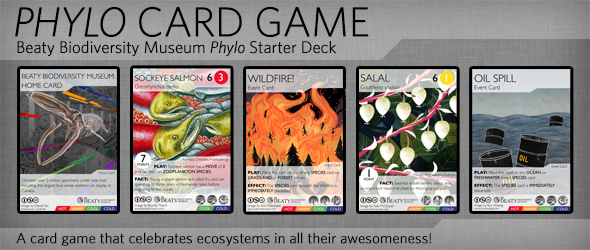
In education, Pokémon has been adopted as a learning tool. Researchers found that children in the UK remembered more Pokémon names than local wild animals. Capitalizing on this "collect and battle" game concept, scholars developed an ecology card game called PHYLO.
Studies showed that students remembered more biological species after playing this game compared to traditional slide-based lectures, demonstrating the significant benefits of gamified learning in science education.
Nature concludes that from taxonomy and paleontology to educational research, Pokémon is far more than just entertainment. For many researchers, it serves as a crucial starting point that ignites their interest in science.
While this might be a surprising revelation for some Pokémon fans, it's clear the franchise has had a massive impact on related scientific fields. Perhaps for veteran players, it brings a sense of "we've been doing scientific research since childhood!"
via: 科學期刊Nature官網