

As Japan's academic year transitions and graduation season arrives, many people list unneeded uniforms and school supplies for sale. However, this practice has also given rise to some problematic issues.
Japan's major second-hand marketplace, Mercari, recently issued an official warning: the practice known as "burusera" (the buying and selling of used items for sexual fetish purposes) is strictly prohibited. Sellers are urged to exercise caution, as violations will result in forced delisting.
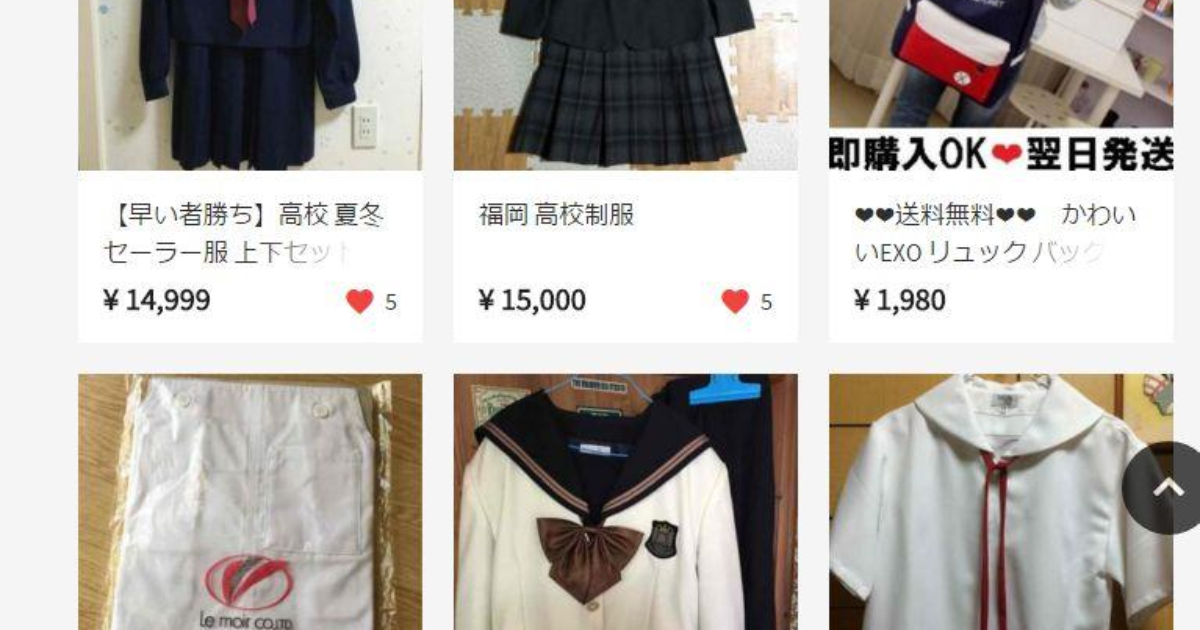
With the changing academic year and graduation season in full swing, many are putting their old uniforms and school supplies up for sale. Mercari officially stated, "Passing on items filled with memories to the next person is a wonderful thing." However, they also emphasized, "If a listing is deemed to be 'burusera' (second-hand sales with sexual connotations), there's a risk of violation, so please be extremely careful."
The term "burusera" itself was once a significant social issue. Back in the 1990s, "burusera shops" selling used schoolgirl uniforms and gym clothes emerged in Japan, becoming a widespread problem. Today, most local governments regulate the sale of worn intimate apparel through youth protection ordinances.
Mercari explicitly stated that regardless of product category or name, listings will be prohibited if they involve any of the following:
Emphasizing "used" in a sexually suggestive manner.
Featuring inappropriate text or images that evoke "burusera."
Harassment or other inappropriate behavior directed at sellers after purchase.
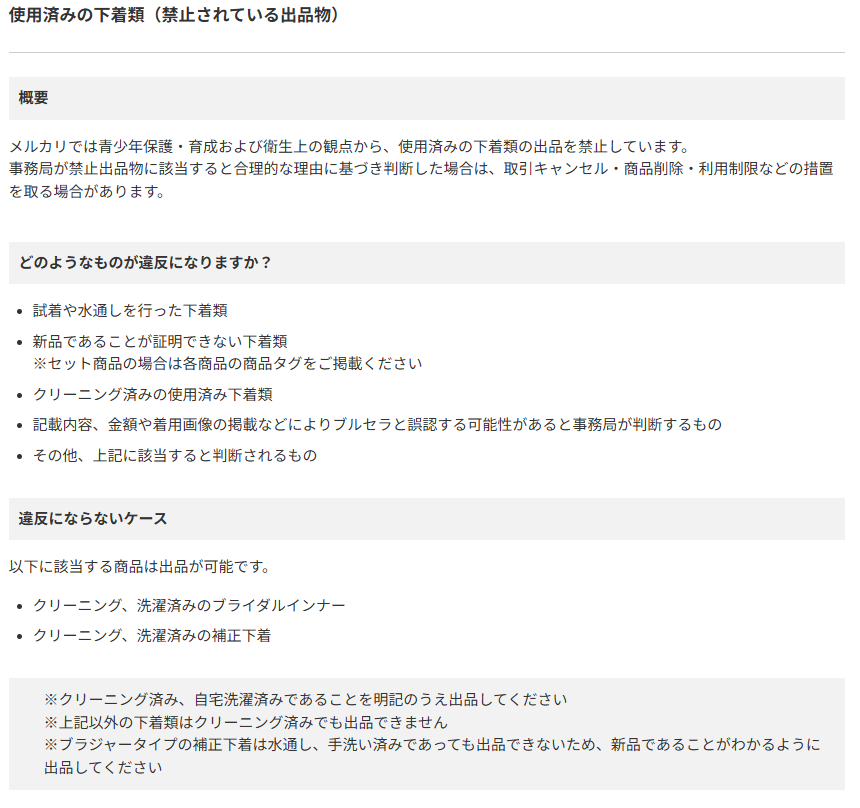
Furthermore, items such as "used school swimsuits, gym clothes, and uniforms" are already directly listed as prohibited for sale due to youth protection and hygiene considerations.
The platform also added a reminder: the crackdown isn't limited to uniforms. Even school supplies like textbooks and stationery, if deemed in violation, could lead to product deletion and even account restrictions.
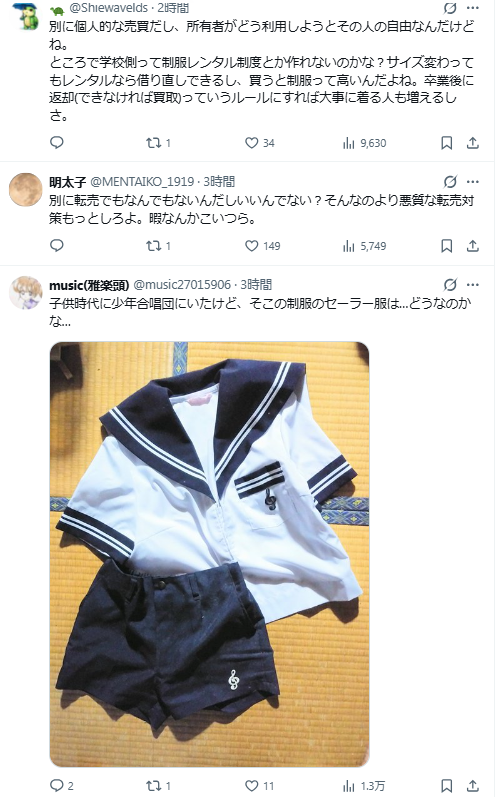
However, many netizens have pointed out that since Mercari already hosts numerous listings for used clothing, if the review process can't accurately identify the true problematic listings, many legitimate sellers simply trying to clear out their wardrobes might be unfairly targeted.
Users also felt that specifically cracking down on items that only appear in a short-term surge is somewhat unrealistic. They suggested the focus should instead be on malicious scalpers who resell items on the platform, arguing that "burusera" is a relatively niche issue.
Of course, if listings for used clothing genuinely contained sexually suggestive descriptions, they likely wouldn't even make it onto Mercari in the first place. Yet, many netizens expressed confusion that in 2026, the practice of "burusera"—the buying and selling of "worn" items—still persists, wondering why people still have such collection fetishes.