

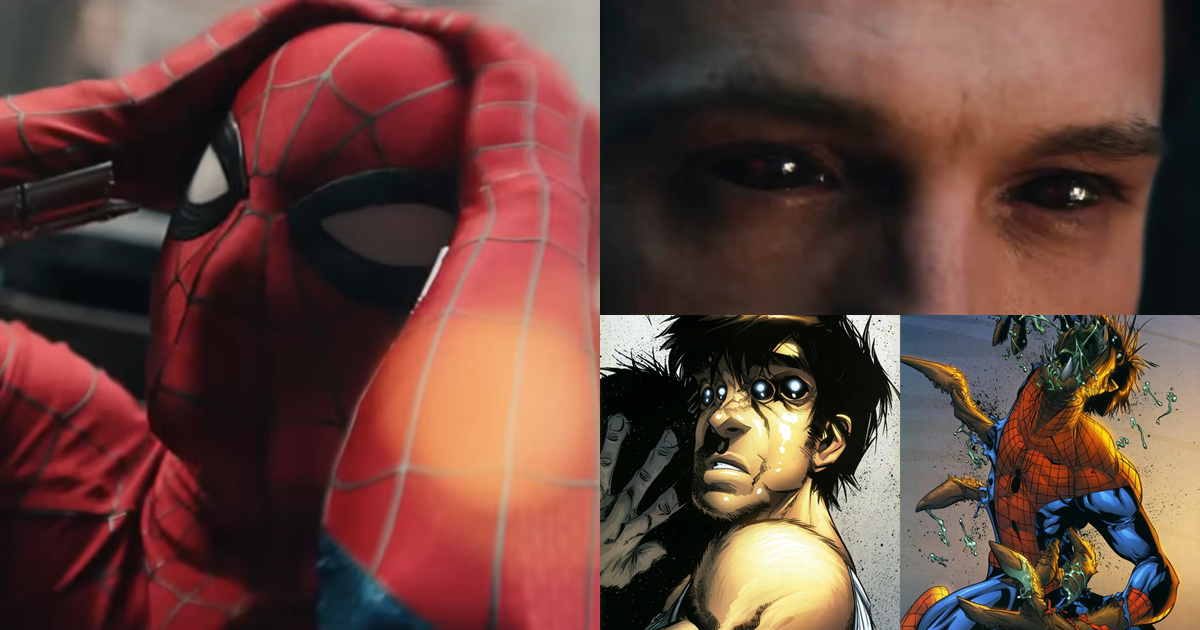
In the vast and expansive Marvel Comics universe, "Spider-Man" Peter Parker has always stood out as one of the most human and conflicted heroes. He's far from the perfect archetype, often paying a heavy price for his choices and mistakes.
As highlighted in the first trailer for the MCU's "Spider-Man: Brand New Day," Peter faces immense crises, including "failing powers" and "genetic mutation." Looking back at early Marvel stories, there's a precedent for a completely out-of-control and unsettling form that perfectly encapsulates the blurred line between power and curse: the "Man-Spider."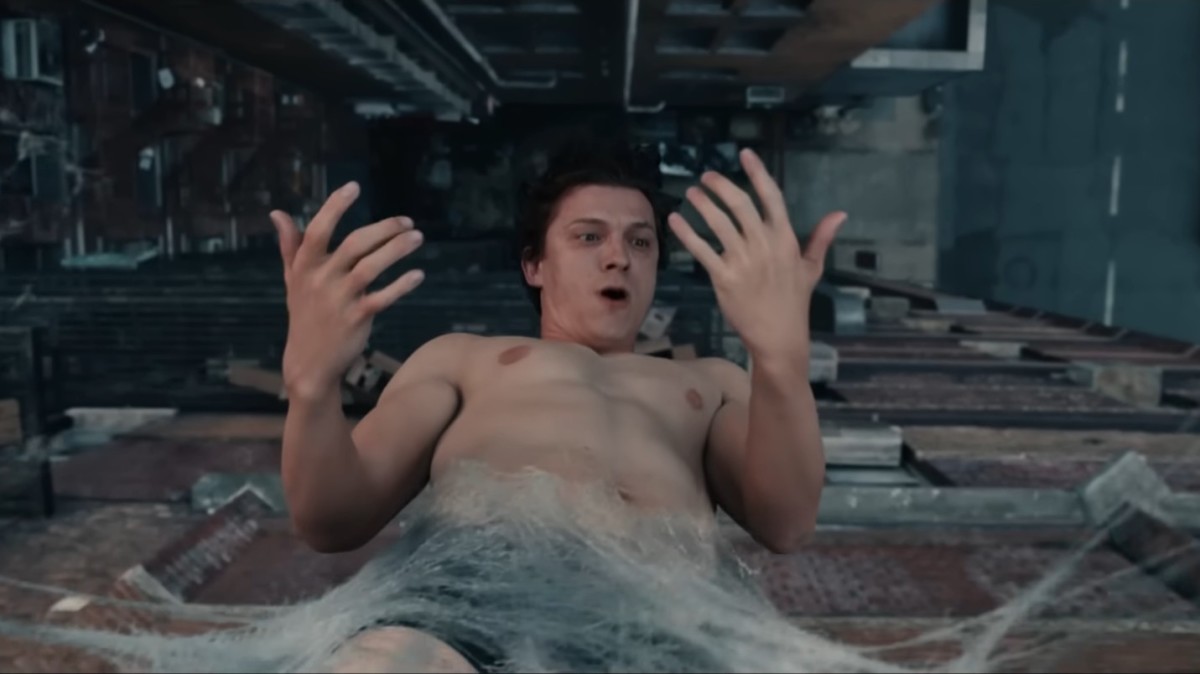
This isn't merely a power upgrade or a typical character dark turn; it's a genuine "mutation." When Peter's abilities spiral out of control, threatening to consume his very humanity, "Spider-Man" ceases to be the masked hero and instead devolves into a monster slowly losing himself.
Origin and First Appearance: Man-Spider in Comics and Animation
● Serum Experiment Gone Wrong and the Six-Armed Spider-Man
The concept of "Man-Spider" can be traced back to "The Amazing Spider-Man" #100 in 1971. This issue was significant for Spider-Man, not only as a 100th-issue milestone but also because it initiated a story arc about "powers backfiring."
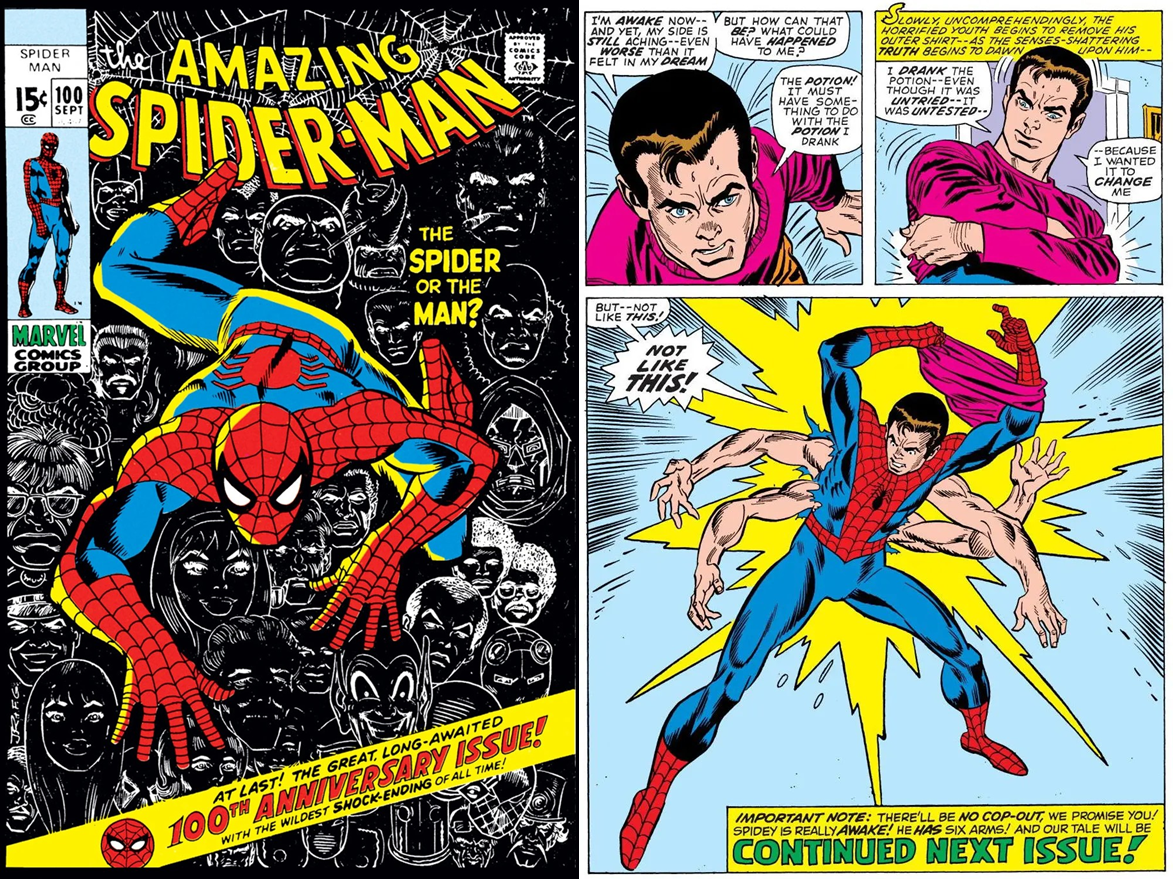
In this storyline, Peter, utterly weary of the immense pressure from his dual identity, decided to concoct a special serum. His goal was to completely eradicate the spider-gene within him, yearning to shed the burden of heroism and return to a stable, ordinary life. This intense desire for normalcy is a core aspect of Peter Parker's humanity.
However, the experiment failed. Instead of eliminating his powers, the serum caused a drastic mutation in his body, resulting in four additional arms, transforming him into a six-armed "Spider-Man." While this form didn't completely lose its sanity, it had clearly diverged from human form.
In subsequent storylines, Peter sought help from Morbius, attempting to find a cure to reverse the mutation. This plot cleverly intertwined the tragic fate of another half-human, half-monster character, casting a shadow of scientific ethical collapse and deep human struggle over the entire story arc.
● "Marvel Fanfare": Spider-Man's Loss of Sanity and Regression After Mutation
While the 1971 "Six-Armed" incident was horrifying, Peter still retained his sense of self. However, this storyline planted an unsettling seed in the Marvel Universe: What if the spider-gene completely overwhelmed the human gene?
This terrifying hypothesis became a reality in "Marvel Fanfare" #1–#4, published in the 1980s, marking Peter Parker's first transformation into the true "Man-Spider" form in the comics.
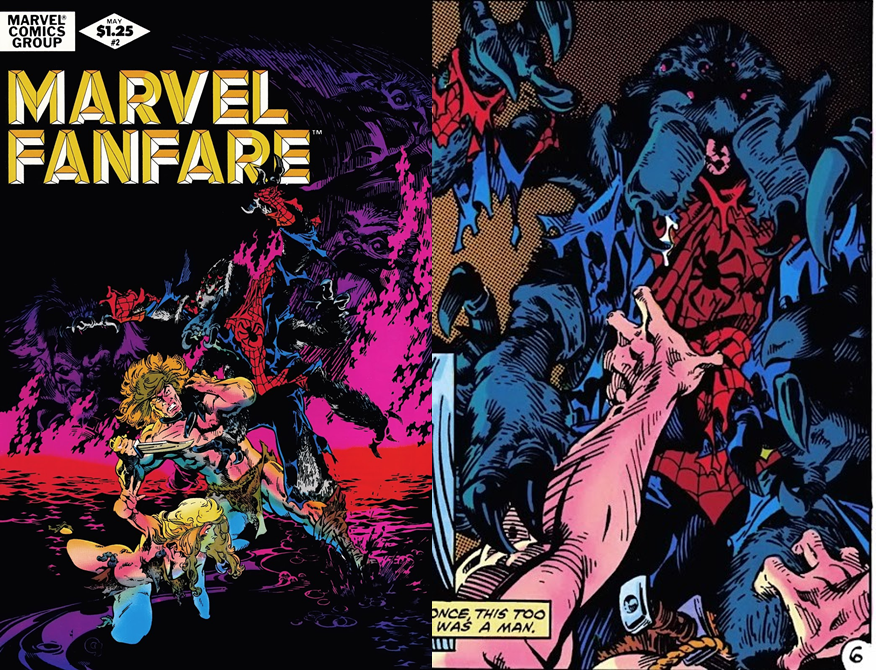
In this story, Peter, alongside the X-Men's Angel (Warren Kenneth Worthington III), was captured and taken to the perilous Savage Land. There, they endured cruel experiments by the mutant villain Brainchild, who forcibly activated Peter's genes, causing his body to completely "regress" into a primal spider-hybrid monster.
At this point, Spider-Man had not only sprouted multiple extra limbs but had taken on a terrifying, monstrous appearance. While he miraculously retained a sliver of his human consciousness—even managing to speak—his animal instincts had almost completely consumed him. Although he was eventually restored to his human form with the help of his allies, this harrowing experience in the Savage Land officially kicked off the horrifying "Man-Spider" saga in the hero's history.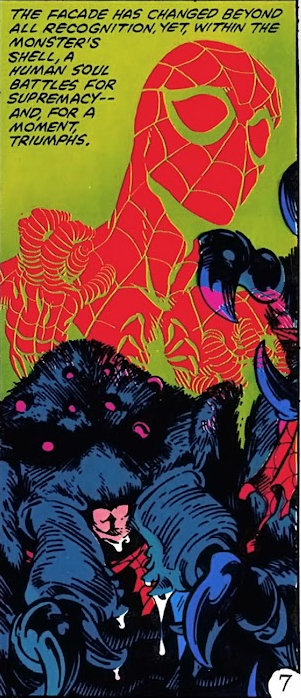
● A Lingering Shadow of Mutation: The 90s "Spider-Man: The Animated Series"
Man-Spider also made his animated debut in the classic 1990s "Spider-Man: The Animated Series," becoming a lingering childhood nightmare for many fans watching at home.
The storyline unfolded during the show's second season, "Neogenic Nightmare," which centered on a mutation crisis triggered by the instability of Peter Parker's spider-genes. Initially, he noticed his powers—wall-crawling, web-slinging, and spider-sense—were malfunctioning as his body grew progressively weaker.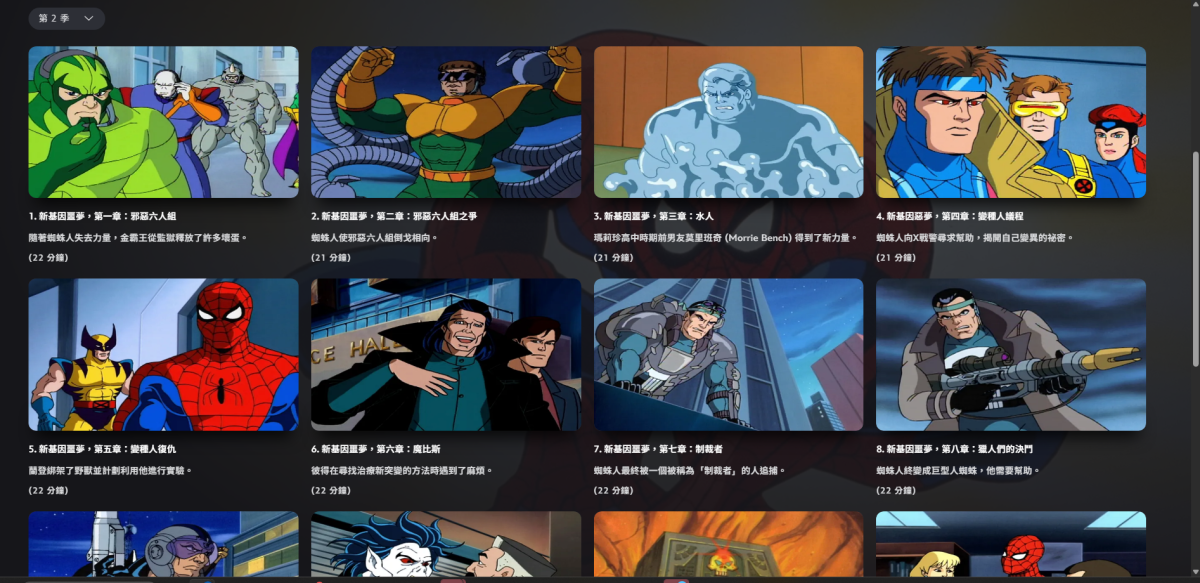
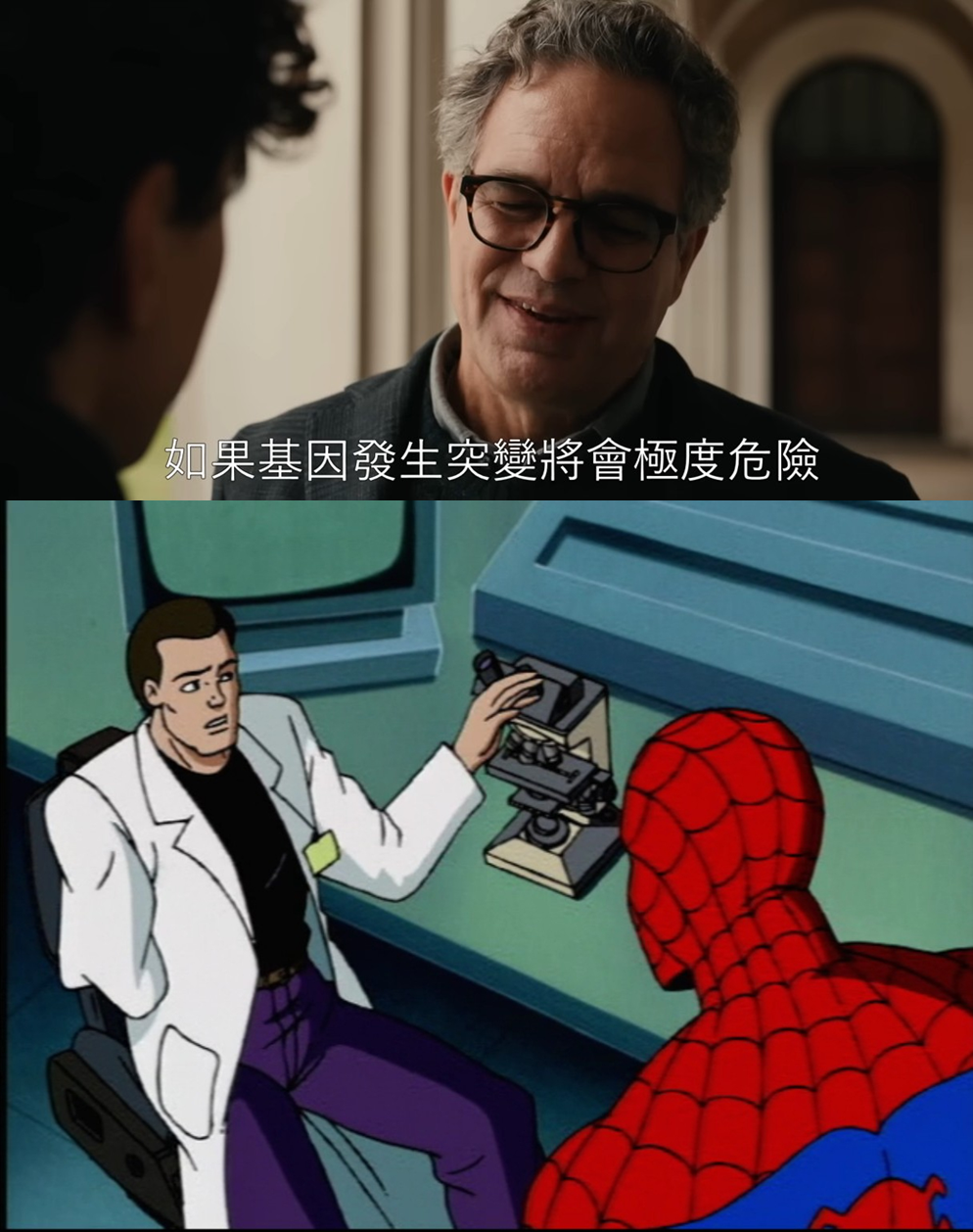
Tests conducted by Dr. Connors, The Lizard, revealed a devastating truth: the irradiated spider DNA within Peter was mutating violently and accelerating, making it impossible for his physiology to maintain its human form.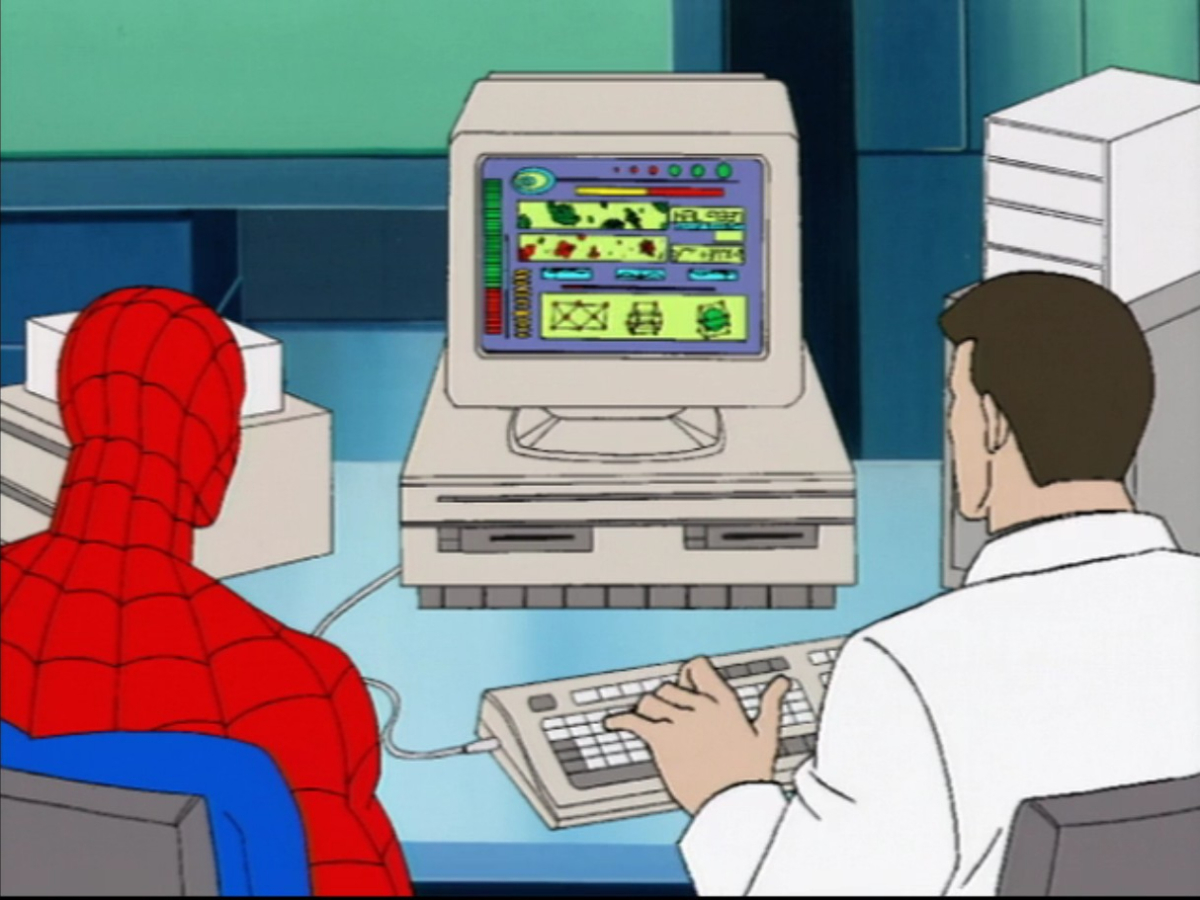
Desperate and out of options, Peter even sought help from Professor X of the X-Men, hoping their advanced knowledge of mutants could reverse the crisis.
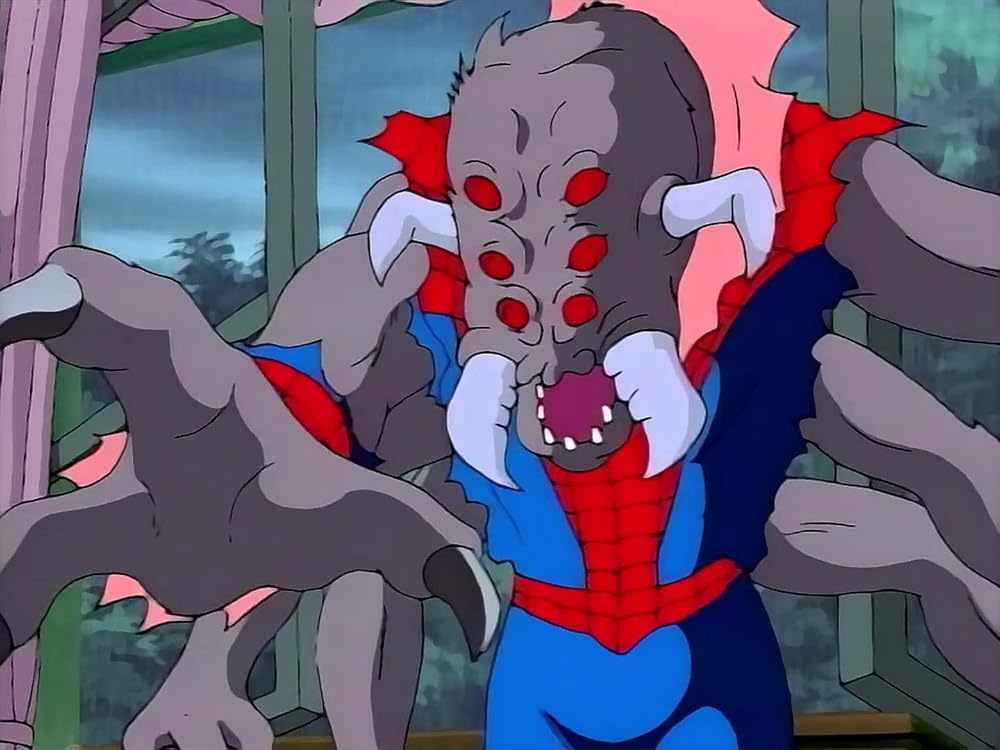
Unfortunately, not even the X-Men could help, and after mistakenly consuming the wrong serum, the genetic mutation spiraled completely out of control. Peter not only grew extra arms but fully devolved into the eight-limbed Man-Spider. This dramatic arc forced audiences to witness the terrifying side of a hero completely losing his humanity, pushing the theme of a "genetic curse" to its desperate peak.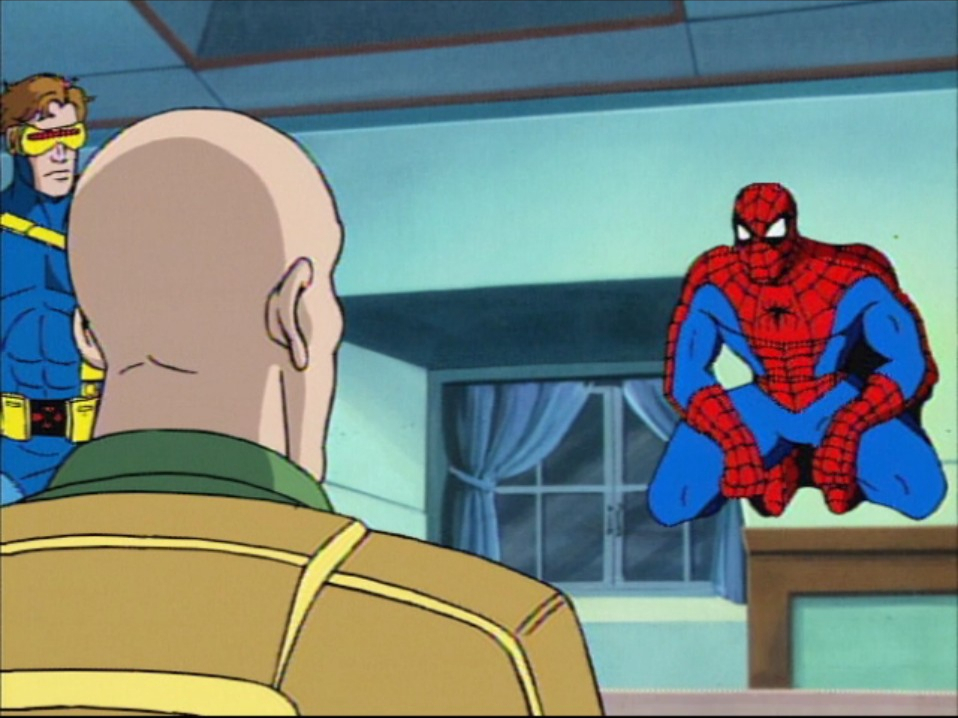
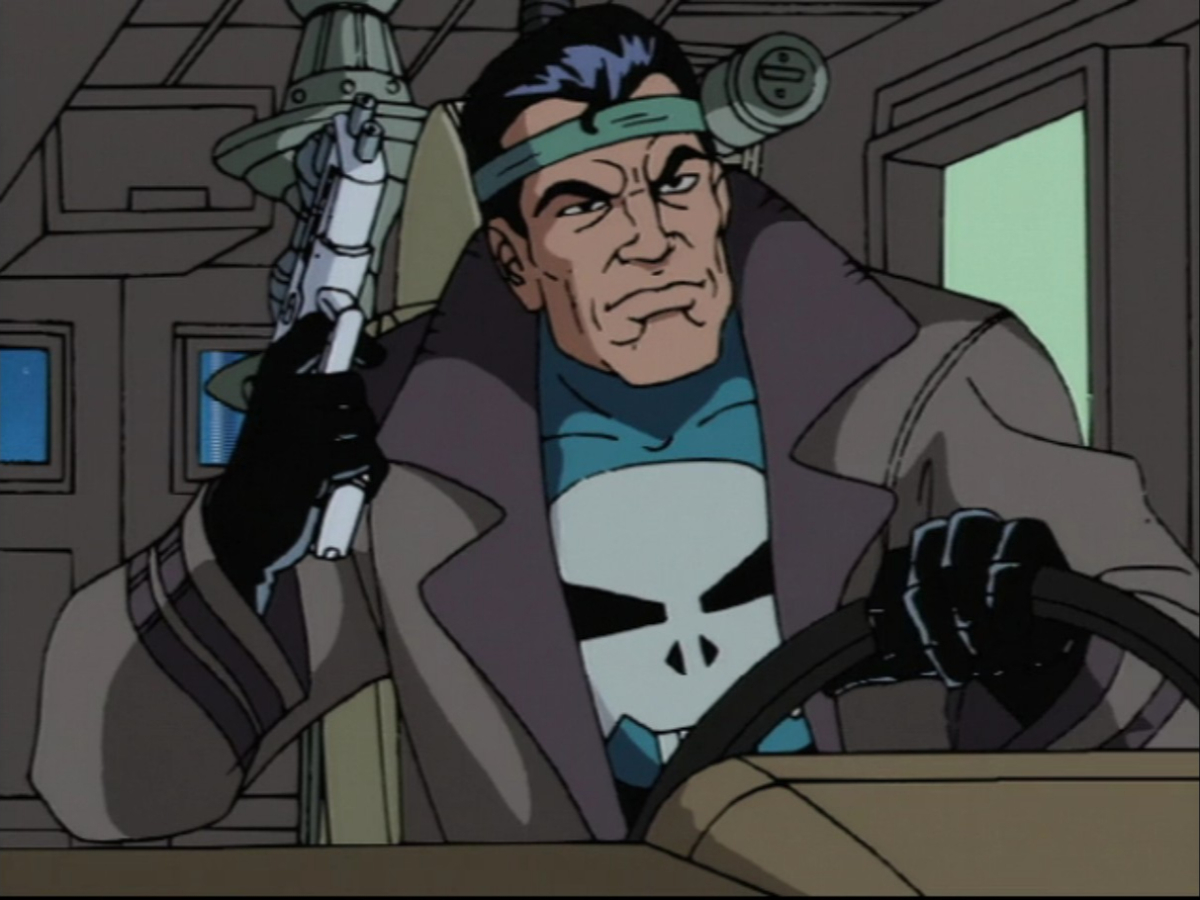
To heighten the tragedy during this out-of-control phase, the story brought in The Punisher. As the transformed Man-Spider roamed the city, Peter had lost the ability to speak and couldn't defend himself, becoming nothing more than a bloodthirsty monster in the public's eyes. Unlike Dr. Connors, who was trying to find a cure, the extremist Punisher saw the creature as a societal threat that needed to be eliminated immediately.
A New MCU Nightmare! Ominous Signs of Mutation in "Spider-Man: Brand New Day"
The suffocating "Neogenic Nightmare" from the animated series now seems to be descending upon the MCU's Peter Parker in a new form.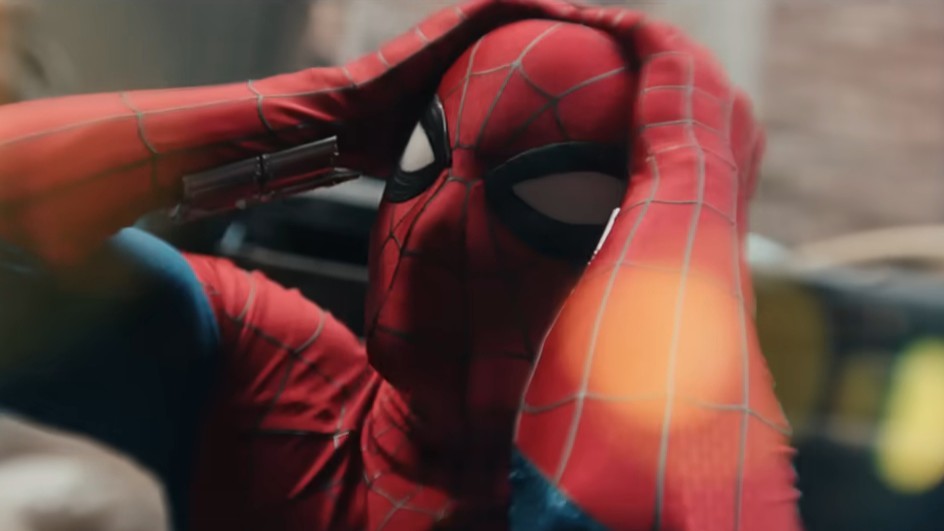
In the first trailer for the upcoming "Spider-Man: Brand New Day," we not only see Peter's isolation after the world forgot him in "No Way Home," but we also get a strong sense of impending genetic meltdown. Several key moments and lines in the trailer share chilling parallels with the Man-Spider storylines from the comics and animated series.
● Bruce Banner's Warning and a Relentless Hunt
In the 90s series, Peter turned to Dr. Connors to analyze his deteriorating genes. In the "Brand New Day" trailer, that scientific heavy-lifting falls to Bruce Banner, a man who knows all too well about mutation and loss of control. In the preview, a grim Banner warns, "If the genes mutate, it will be extremely dangerous."
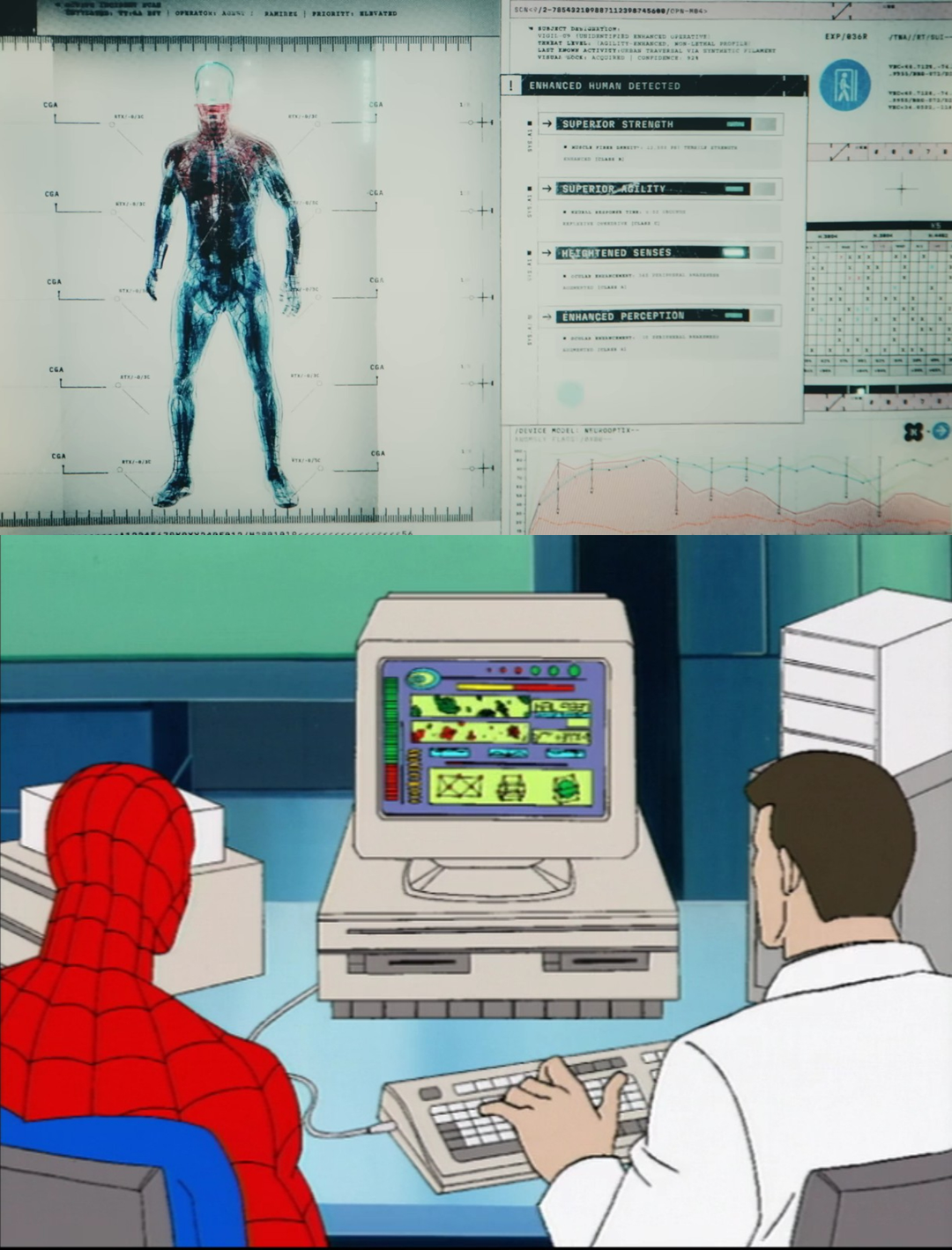
The trailer also features a voiceover stating, "Spiders have three life cycles. During the transition, they become incredibly vulnerable." This new piece of lore not only perfectly mirrors Peter's failing powers but also hints that he is in a dangerous transitional phase, potentially molting into an uncontrollable new form.
But the most nail-biting sequence involves the appearance of The Punisher, Frank Castle. Unlike typical superhero sparring matches, The Punisher makes his entrance by ramming Spider-Man with a truck before mercilessly opening fire with heavy artillery.
This oppressive street chase feels like a direct adaptation of the classic 1990s animated series storyline, where The Punisher relentlessly hunted a mutated Spider-Man, viewing him as a monster. Facing The Punisher's lethal pursuit, Peter, in his vulnerable state of genetic mutation, appears more isolated and helpless than ever.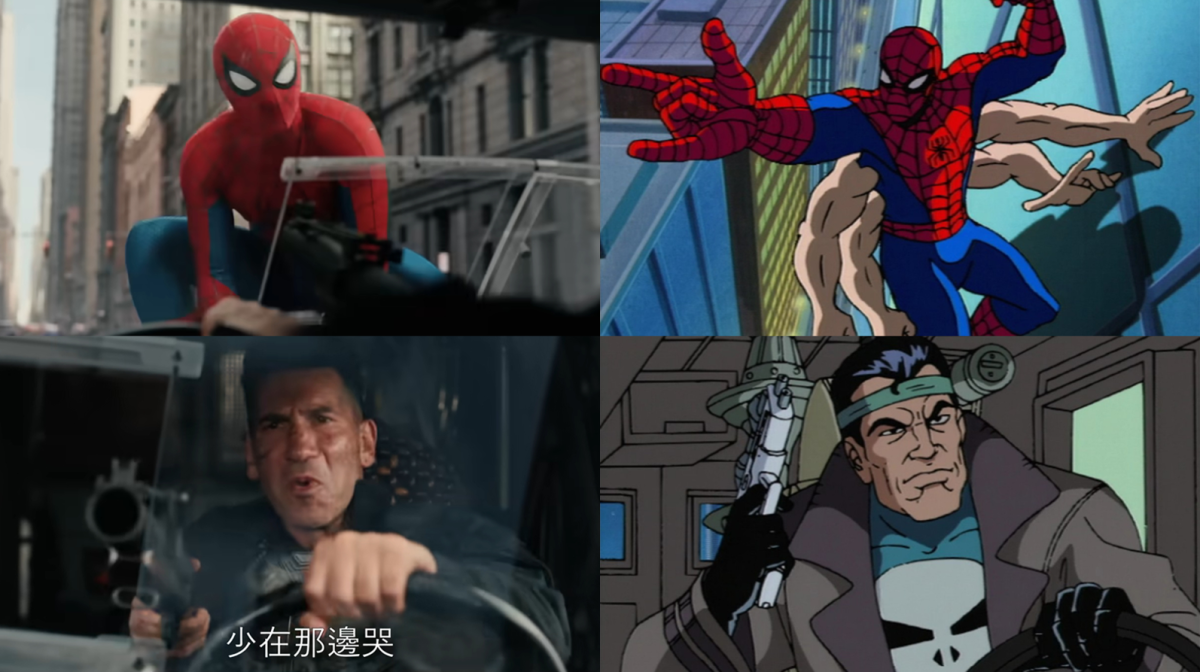
● Inhuman Eyes Devoid of Humanity
The trailer's most intriguing tease comes in the latter half, where we see a shirtless Peter Parker struggling in a giant web, unable to use his web-shooting abilities—a clear visual metaphor for his physiological mutation.
In another shot, Peter blinks to reveal a horrifying pair of eyes with solid black sclera. This is definitely not the look of your "Friendly Neighborhood Spider-Man," but rather that of a predator consumed by beastly instincts.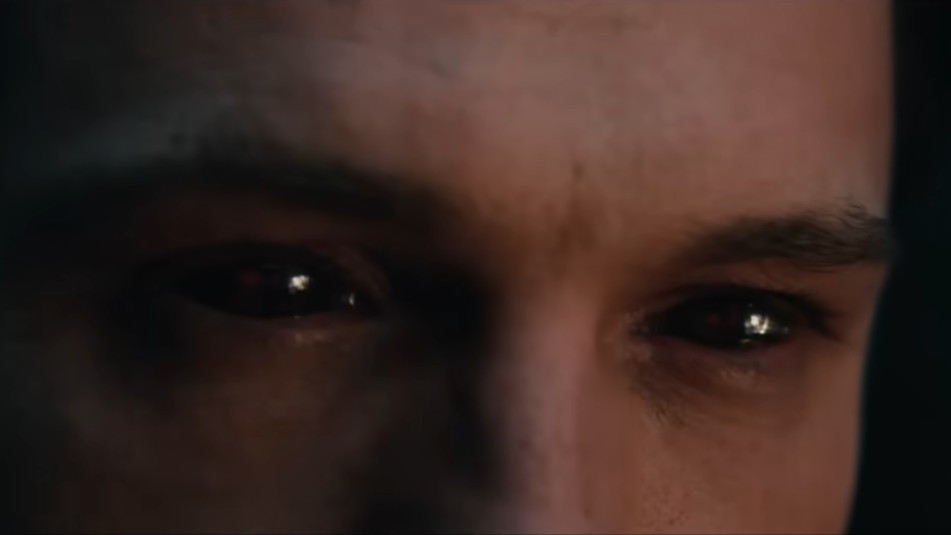
This brief but shocking image strongly suggests Peter's mutation has crossed a critical threshold. While we haven't yet seen him sprout six arms or fully transform into a giant spider-monster in the trailer, those inhuman eyes, devoid of human reason, are a terrifying precursor to the genetic horror of "Man-Spider's" descent into the abyss.
Differences in Anatomy, Abilities, and from Spider-Man
In his Man-Spider form, Peter Parker's appearance and abilities are drastically different from his original Spider-Man persona, exhibiting distinct arachnid traits. The most striking change is the proliferation of limbs. Typically, Man-Spider has eight limbs—six arms and two legs—mirroring a spider's anatomy.
In the classic animated series and some comics, the transformation is depicted gruesomely, with four new arms bursting from beneath his ribcage. These extra limbs provide immense strength and agility but also give him a severely distorted physique.
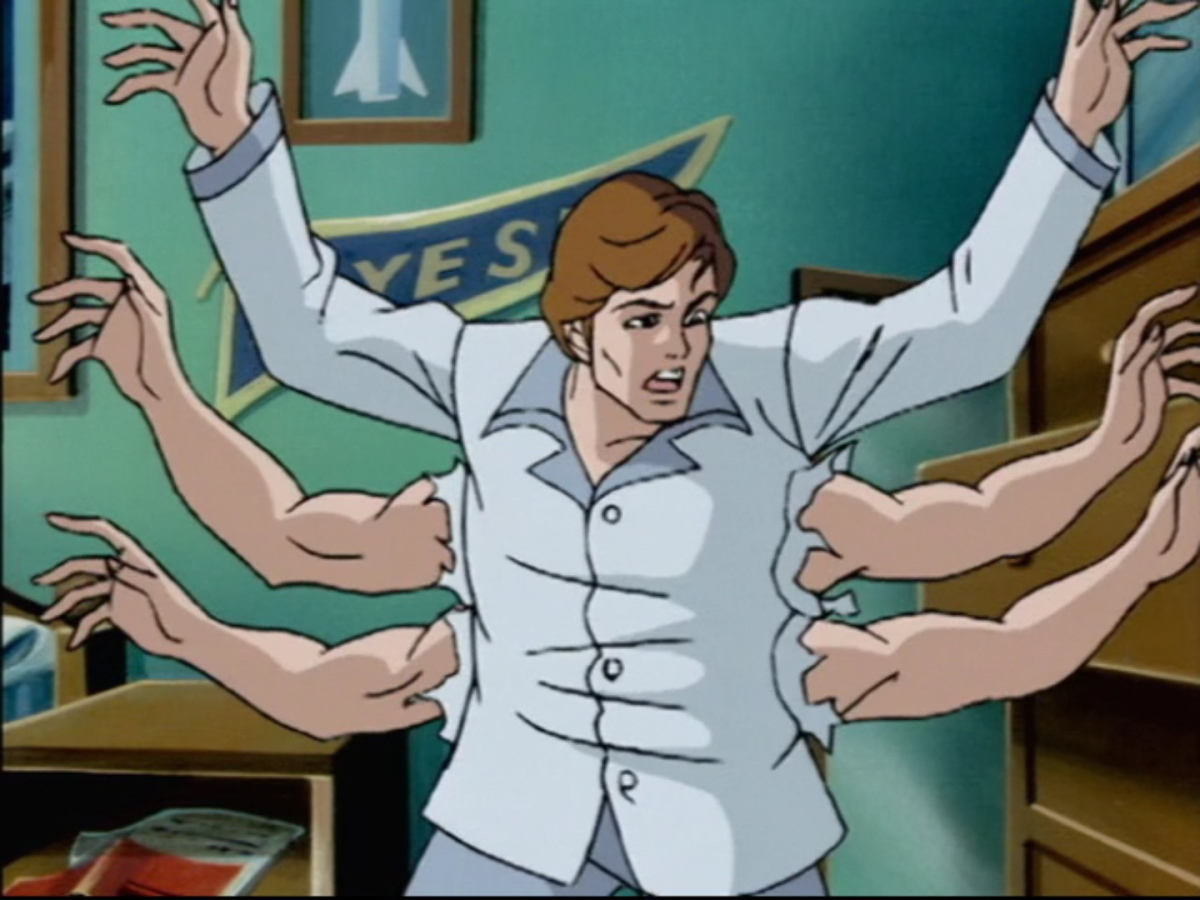
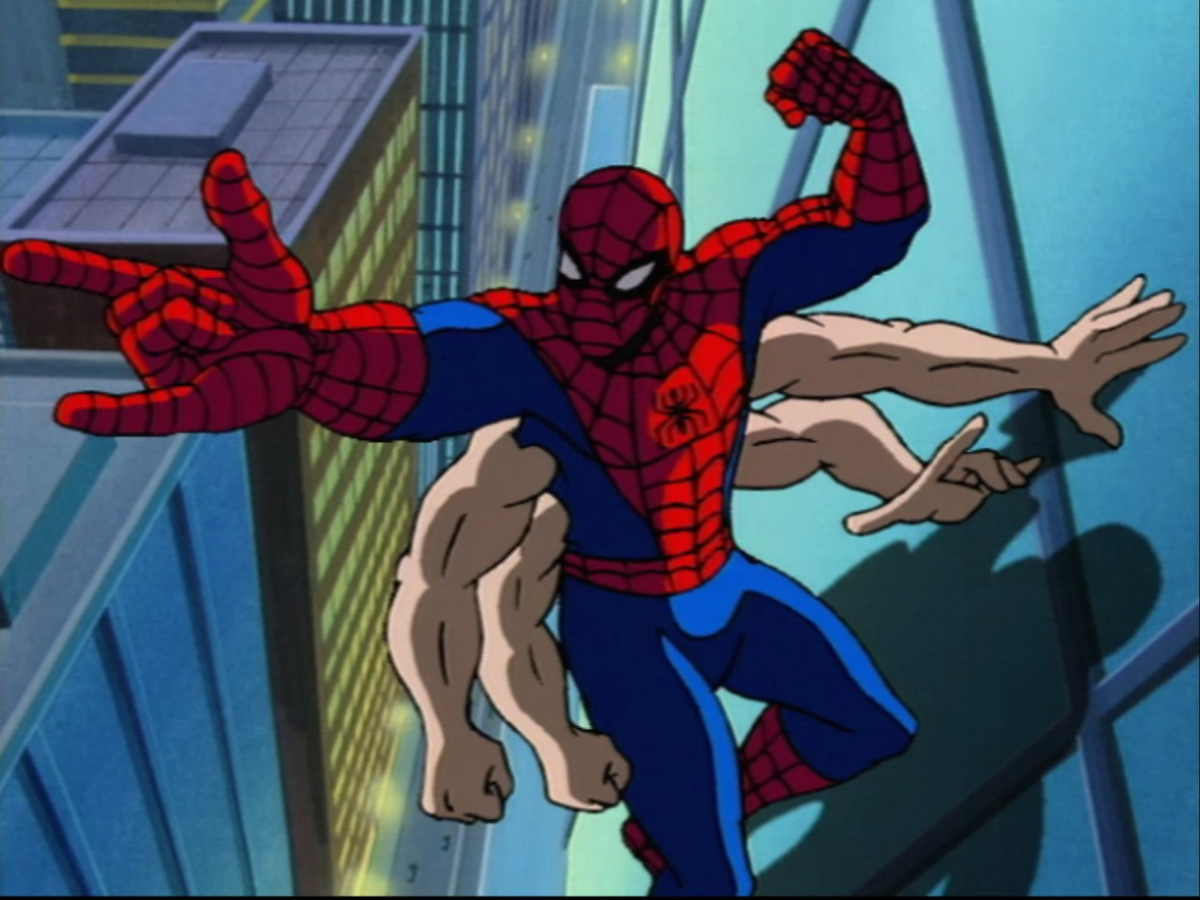
Beyond the extra limbs, Man-Spider's head and senses also become more arachnid-like. For instance, comics and animation have both depicted Man-Spider with multiple compound eyes (often drawn as six spider-eyes), altering his vision and light perception. His face sprouts sharp chelicerae or fangs, and his mouth sometimes resembles that of a venomous spider. These changes render him unable to speak in a human language, only capable of emitting piercing shrieks and hisses, making communication impossible.
In terms of abilities, Man-Spider not only retains but significantly enhances his original powers. Due to the changes in his physique and musculature, his monstrous strength far exceeds that of his usual Spider-Man form. His power and endurance reach new heights, allowing him to lift even heavier objects and move with greater speed and agility.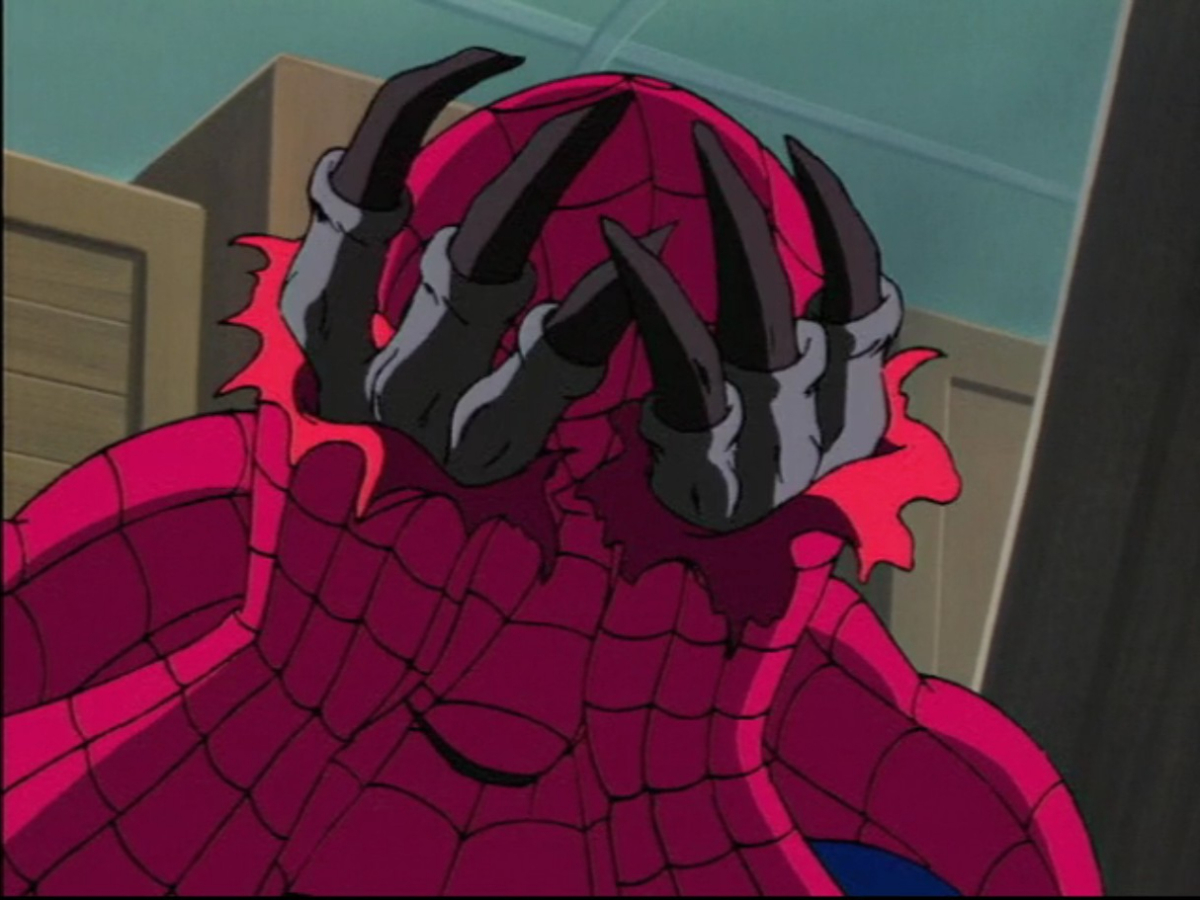
A key difference is his web-shooting ability. While the original Spider-Man (in the Marvel 616 universe, for example) typically relies on self-made mechanical web-shooters, the Man-Spider form becomes fully arachnid, capable of generating organic webbing directly from his body.
In the animated series, Man-Spider could shoot webs from each of his arms, no longer needing any external devices. This endless supply of organic webbing allowed him to set traps like a true giant spider. The animated version of Man-Spider even demonstrated the ability to spit acid from his mouth to repel enemies or corrode obstacles—a power the original Spider-Man lacks, highlighting his monstrous transformation.
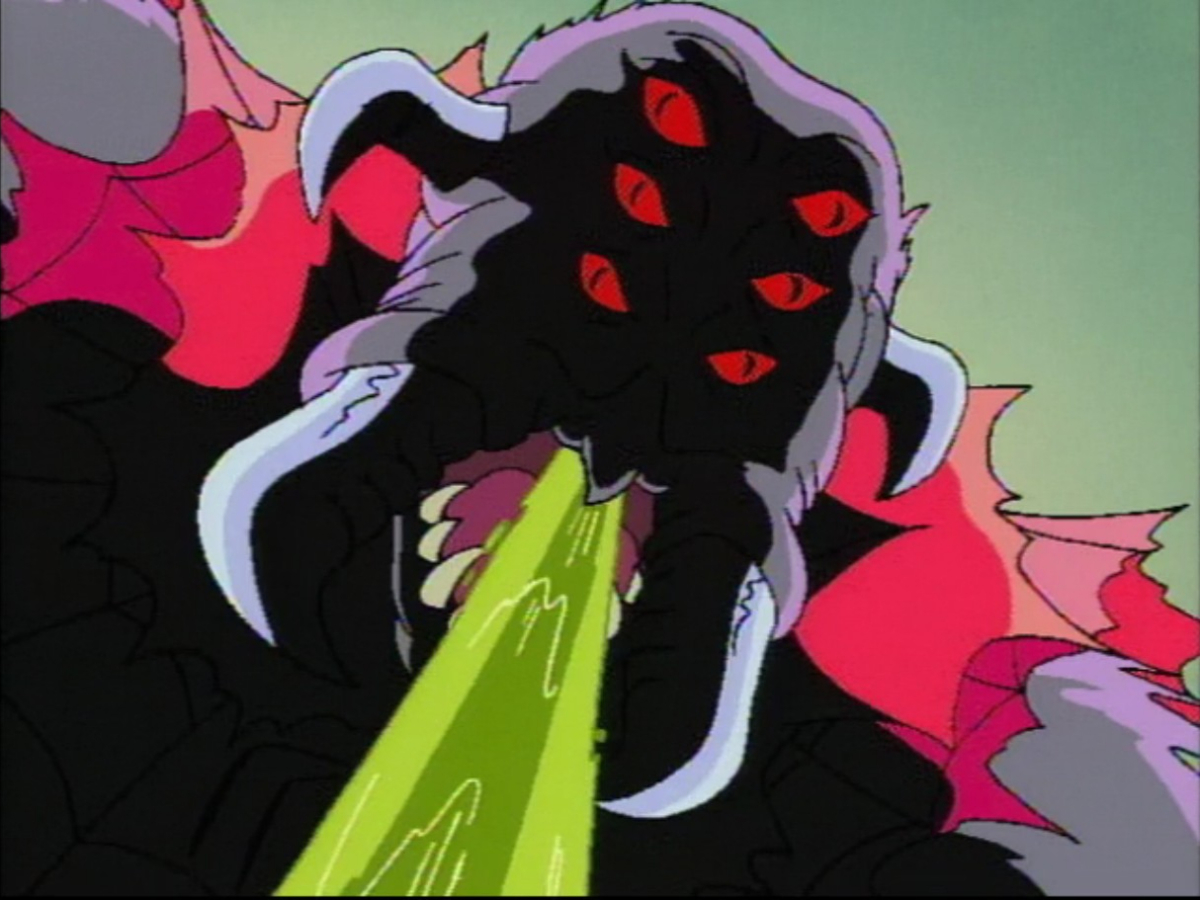

However, these powerful physiological instincts come at the cost of his intellect and humanity. Man-Spider's most significant drawback is the regression of his intelligence and humanity. After mutating, Peter Parker's mind is gradually overtaken by beast-like instincts. In both comics and animation, Man-Spider often loses the ability to speak or communicate, left with only primal responses for attack and escape.
For instance, in the animated series, while Man-Spider still retains remnants of Peter's emotional connection to his friends and family—instinctively seeking out acquaintances like Mary Jane—his actions are perceived by others as nothing more than a wild beast's attack, forcing him to flee with a sorrowful cry. In other words, his rationality and moral compass are drastically weakened in the Man-Spider state, replaced by animalistic predatory and defensive instincts.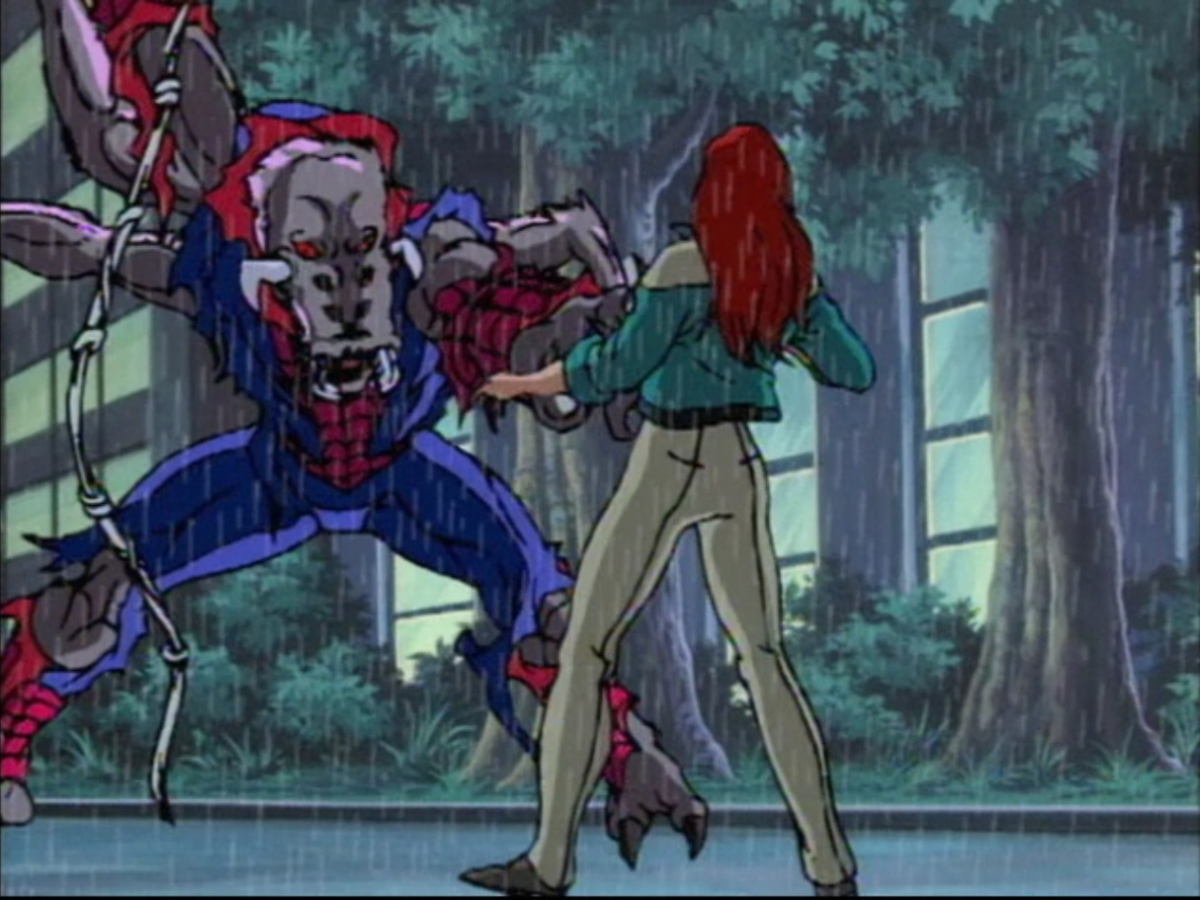
It's worth noting that the depiction of Man-Spider varies slightly across different media. In the comics (such as in "Marvel Fanfare"), although his appearance is terrifying, he retains part of Peter's consciousness and ability to communicate. He even once pleaded with his allies to kill him before his animalistic nature completely overtook his reason, to prevent himself from becoming a permanent monster.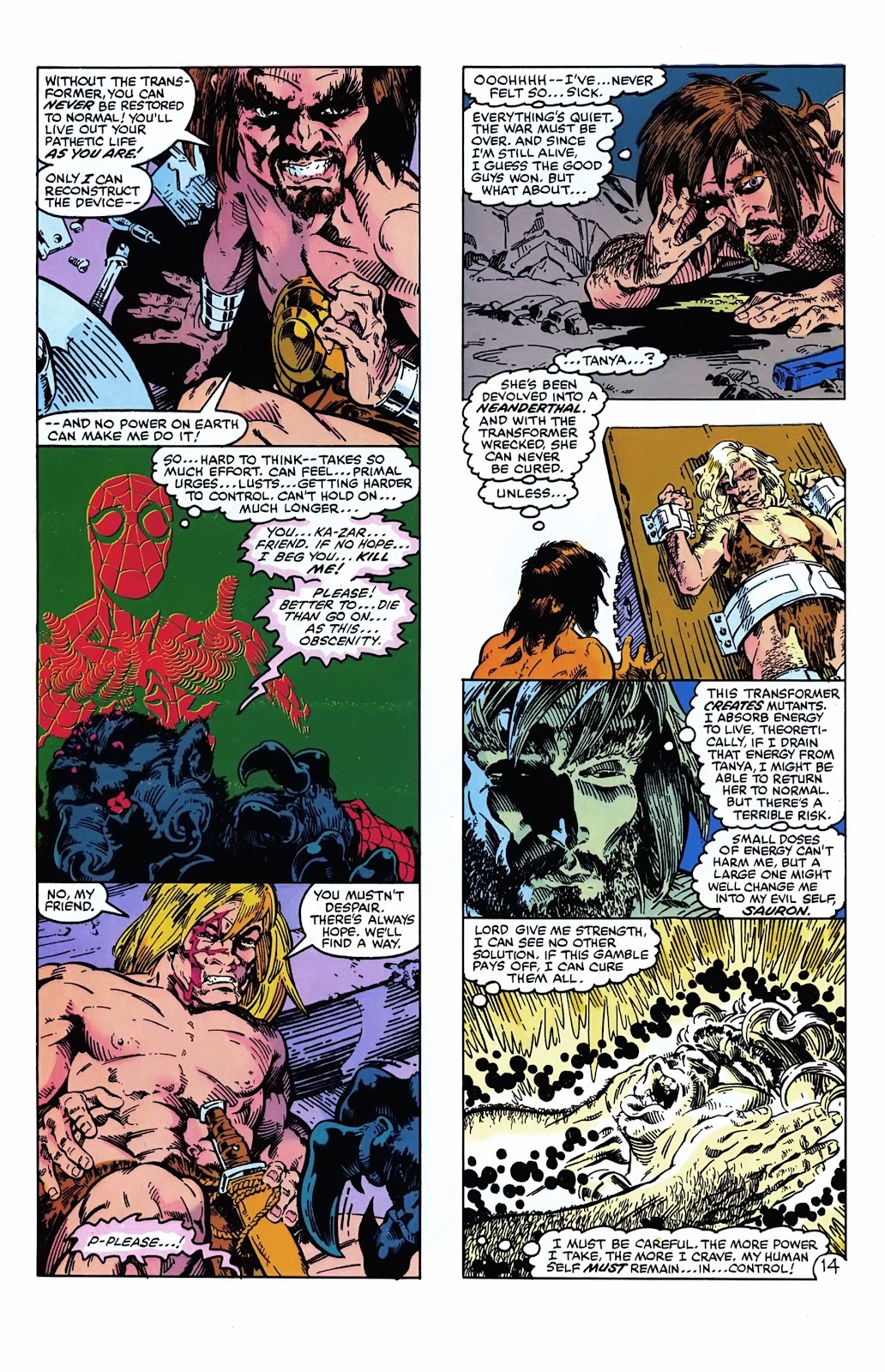
In contrast, the Man-Spider from "Spider-Man: The Animated Series" is completely non-verbal, only able to express faint memory fragments and emotions through his actions. Additionally, the animated version's acid-spitting ability was a new addition not seen in classic comic storylines. These differences reflect how creators emphasized different aspects of the character on various platforms: the comics tend to focus on Peter's internal psychological struggle, while the animation leans into Man-Spider's image as an out-of-control monster.
Overall, compared to the original Spider-Man, Man-Spider is a physically superior but dehumanized "feral evolution." He possesses a more arachnid-like anatomy—multiple limbs, compound eyes, fangs, and exponentially greater strength and instincts—but has almost completely lost the human intellect and moral constraints of Peter Parker. This stark contrast is precisely what makes the Man-Spider persona so chilling.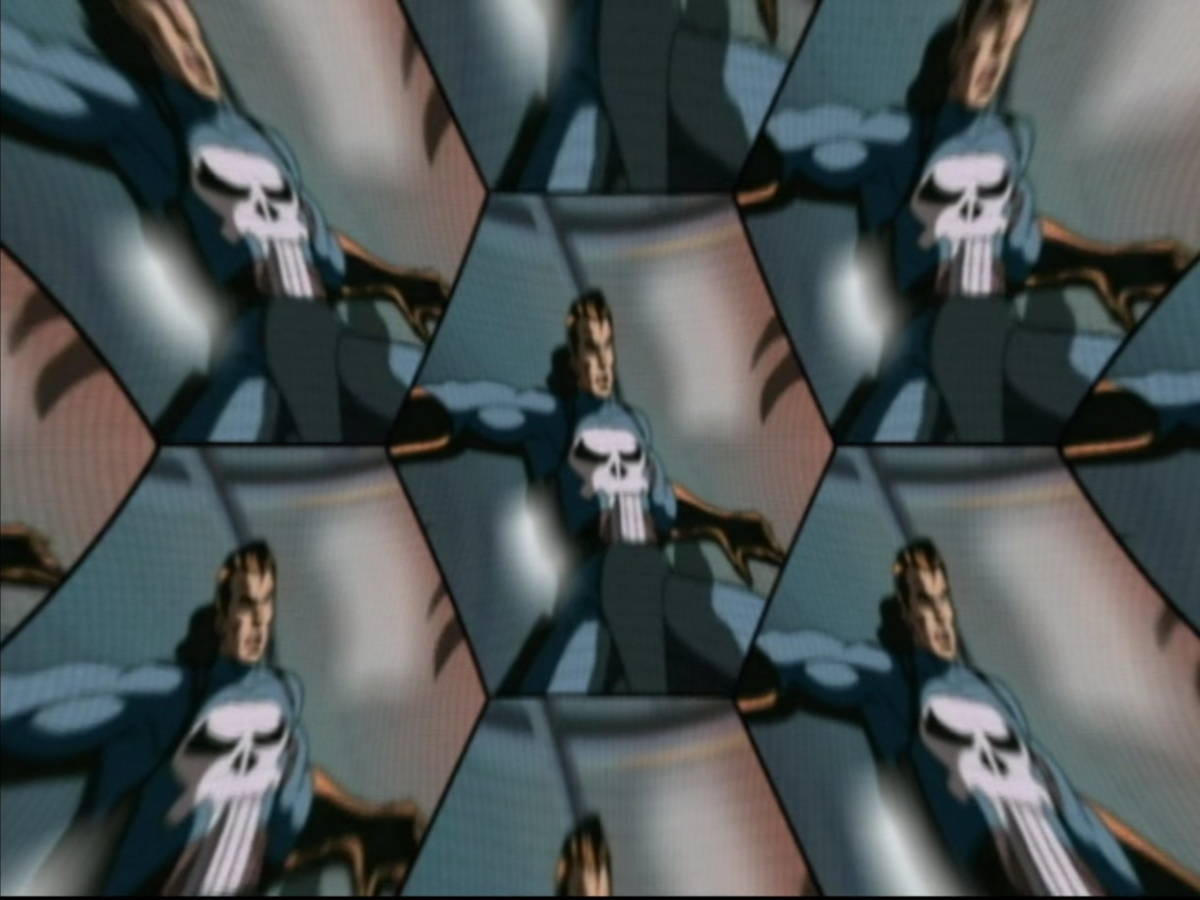
Other Genetic Curses in the Marvel Comics Universe
In Marvel's vast and storied comic book history, the "Man-Spider" was not just a one-time tragedy. From early adventures in the Savage Land to mainline series around the turn of the millennium and even universe-altering mega-events, this mutated form has haunted nearly the entirety of Peter Parker's heroic career. Looking back at this history of genetic decay, we can clearly see how the horror of "monstrous transformation" has been revisited time and again across different eras.
● "The Amazing Spider-Man" #437
The shadow of this mutation loomed again in the late '90s. In 1998's "The Amazing Spider-Man" #437, Peter and Synch, a young mutant from Generation X, get caught in a scheme by the villain Plantman. The mutagenic pollen spread by Plantman causes genetic mutations in numerous people across the city, and Spider-Man unfortunately falls victim, his body beginning to twist into a deformed, arachnoid state.

The issue's cover bluntly declared, "I, Monster!" While this transformation wasn't as complete as his ordeal in the Savage Land, Peter had to rely on immense willpower to defeat Plantman and secure the antidote. The event served as a stark reminder that the Man-Spider curse never truly left him, and a single accident could plunge him back into its grasp.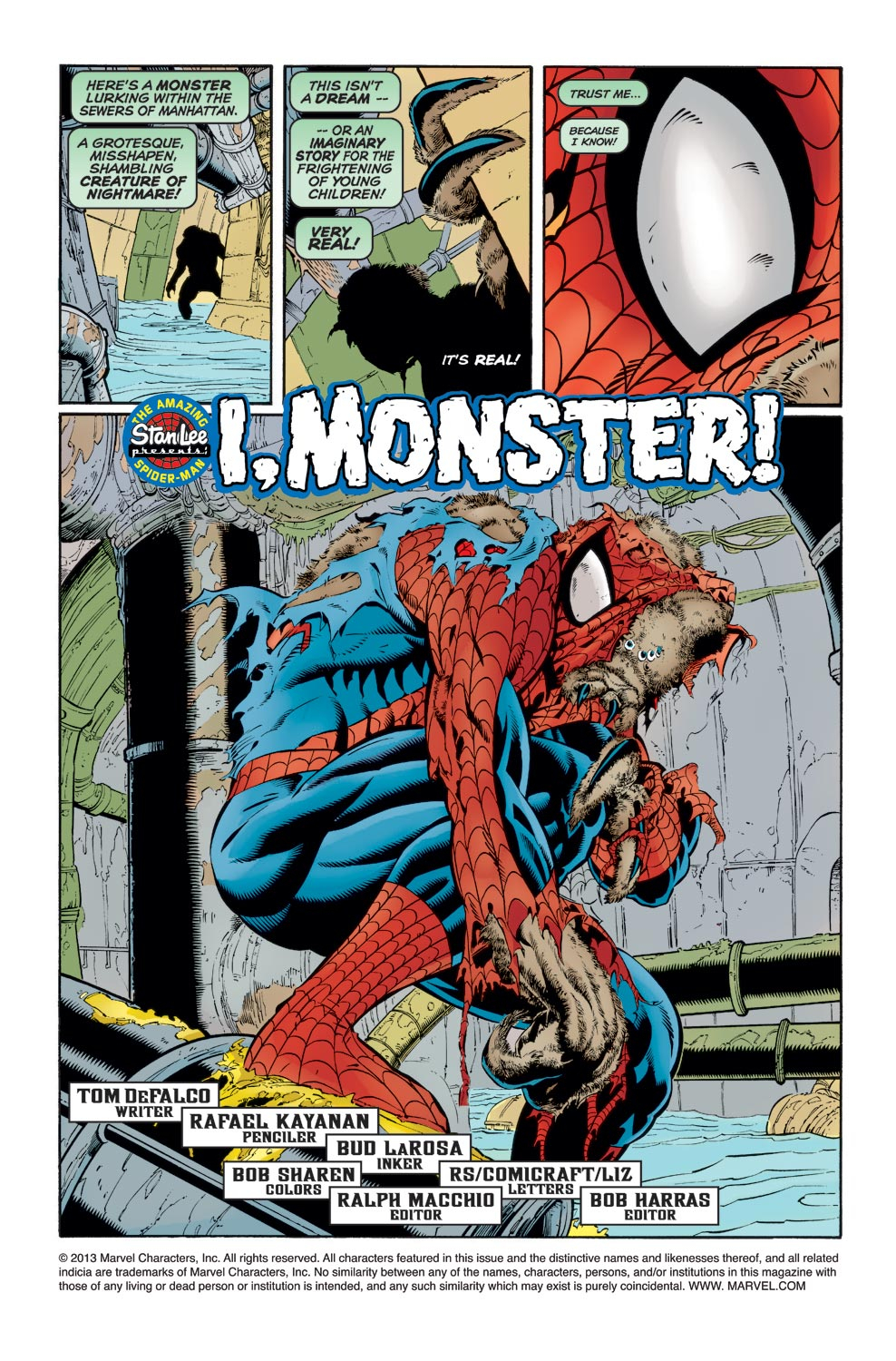
● "Spectacular Spider-Man"
However, the most dramatic and bizarre interpretation of Man-Spider arguably came during the 2004 "Avengers Disassembled" storyline in the pages of "Spectacular Spider-Man."
The villainous Spider-Queen set her sights on Spider-Man, intending to transform him into one of her own kind using a special virus. Peter first grew thick black hair and extra compound eyes, then mutated into a monstrous half-human, half-spider creature with powerful limbs and a back covered in sharp spines. Shockingly, he miraculously retained a portion of his human consciousness in this form.
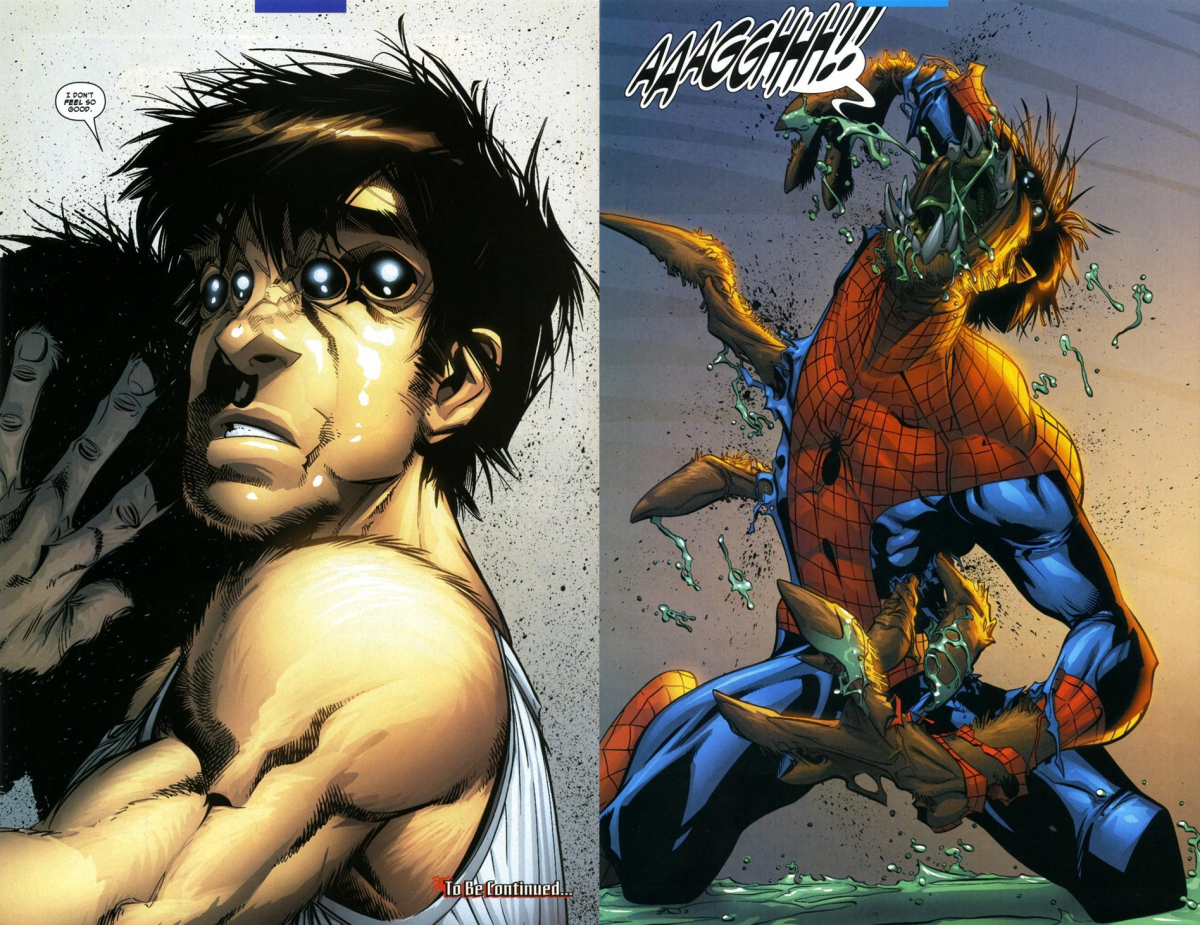
But the tragedy didn't stop there. Peter eventually transformed completely into a giant spider and was even presumed dead after losing his human form. The story then took a stunning turn—the massive spider produced a cocoon from which Peter "hatched," not only restored to his human self but also possessing enhanced strength and organic webbing. This metaphorical journey from man to spider, and then rebirth from a deathly cocoon, is undoubtedly the most extreme monsterification process to date.
● The Enduring Shadow of Mutation and a Metaphor for Disaster
Even in recent years, Marvel has continued to revisit this theme of physical and mental conflict. In the 2022 miniseries "Savage Spider-Man," Peter is again reduced to a savage spider-monster after being injected with a mysterious drug, battling evil forces on a remote tropical island.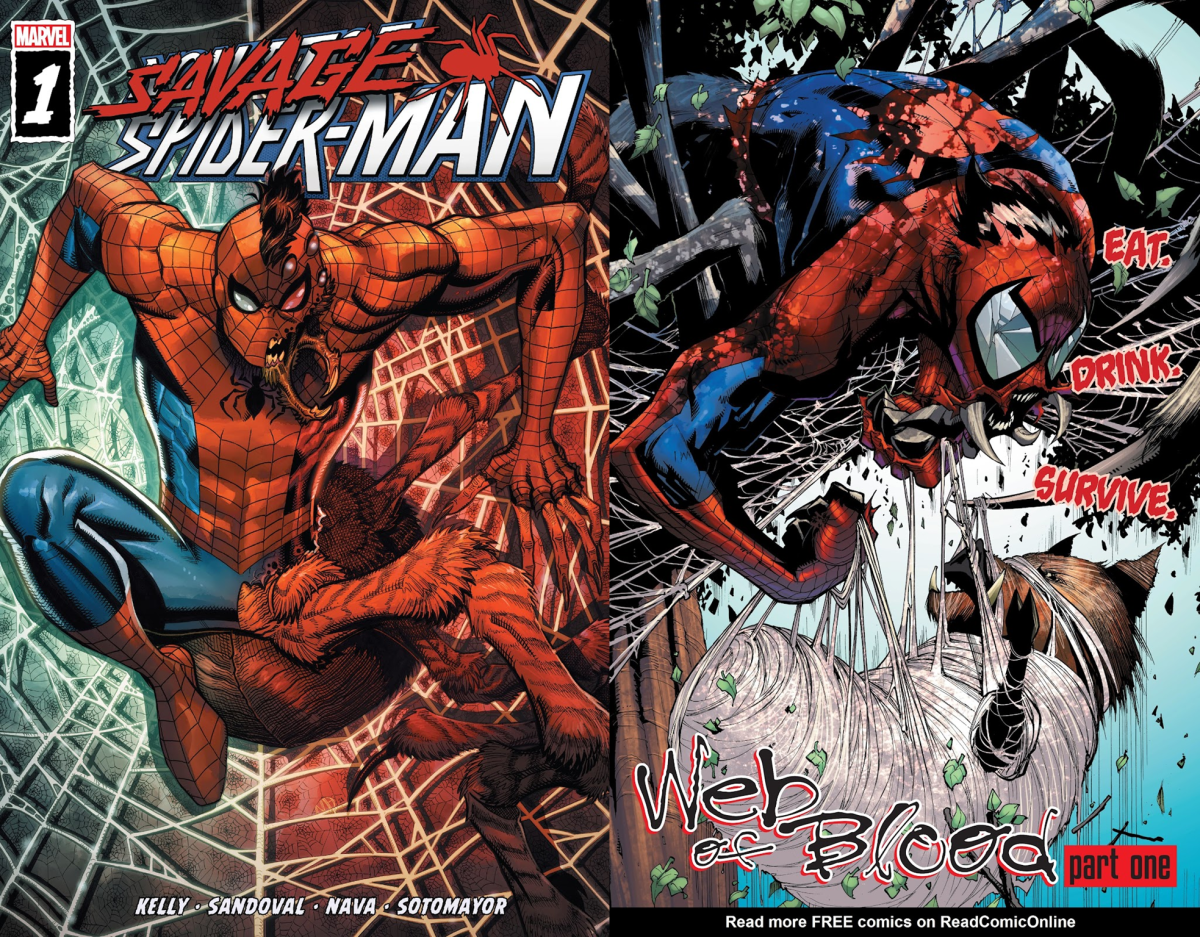
This storyline pays strong homage to the Man-Spider concept from the '90s animated series, showcasing Peter's desperate struggle against the beast within. Furthermore, the 2011 major event "Spider-Island" pushed this fear to another extreme.
When a mutagenic virus swept through Manhattan, turning countless citizens and Peter's friends into giant spider-monsters, the "Spider-Island" event cleverly scaled the individual crisis of Man-Spider into a metaphor for a city-wide disaster.
"Spider-Man: Reborn": The Ultimate Test of Power and Curse
Returning to the MCU's "Spider-Man: Reborn," how will this impending genetic storm conclude? While we can't be certain if the plot will ultimately push Peter Parker irrevocably toward the extreme transformation of "Man-Spider," nor can we confirm if the Marvel Cinematic Universe will deliver a visual breakthrough by giving Tom Holland a terrifying new mutated look, the clues are hard to ignore.
From the powerlessness of his malfunctioning abilities and Bruce Banner's solemn genetic warning to the relentless pursuit by The Punisher and The Hand, and those all-black eyes—it's difficult not to draw strong parallels to "Man-Spider," especially the classic storyline from the '90s animated series.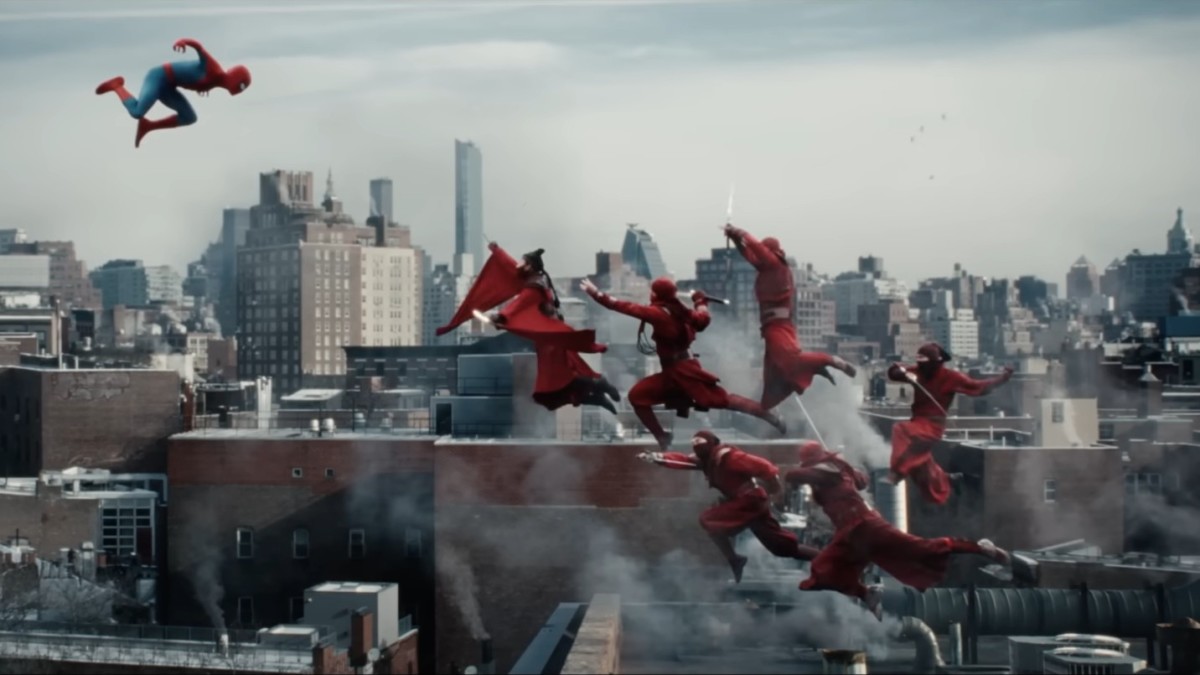
Whether the final on-screen result is a temporary genetic rampage or a tragic, complete regression into an eight-limbed monster, "Spider-Man: Reborn" is clearly prepared to lead audiences deep into the darkness of Peter Parker's psyche and physiology.
The mantra "With great power comes great responsibility" will face its harshest test yet. Because when that power itself becomes the ultimate curse, ready to turn on its host at any moment, Spider-Man must find the last shred of his humanity before he becomes a monster.