

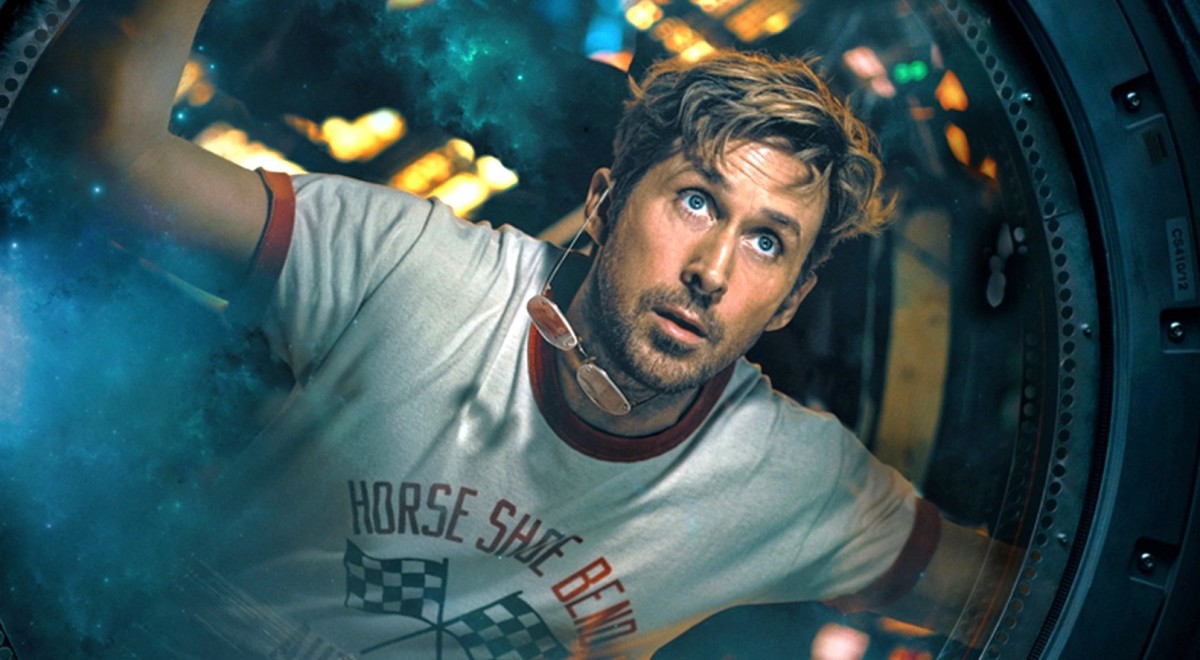
 (Image: Sony Pictures)
Phil Lord and Christopher Miller are a special kind of genius. Every few years, their creative careers seem to hit a singularity, a point where their skills level up dramatically, leading them to create something you never expected or tackle a genre you never thought they'd touch. The longer you follow them, the harder it is to pin them down with any single label. We first met Lord and Miller through Sony Pictures Animation's "Cloudy with a Chance of Meatballs" series. At the time, it was easy to assume they were simply creators of zany, hyper-exaggerated fantasy stories, and expectations were set accordingly.
But then, their next project after "Cloudy" was a live-action film. Just when you thought they were animation guys, they pivoted, and surprisingly, they were great at it. With a fresh comedic style, they paired the unlikely duo of Channing Tatum and Jonah Hill—a combination with off-the-charts chemistry—to successfully resurrect Johnny Depp's classic TV series "21 Jump Street." Soft reboots of beloved shows often have a high failure rate, but "21 Jump Street" wasn't just a rare success; it captured a whole new generation of fans who are still clamoring for a third installment. 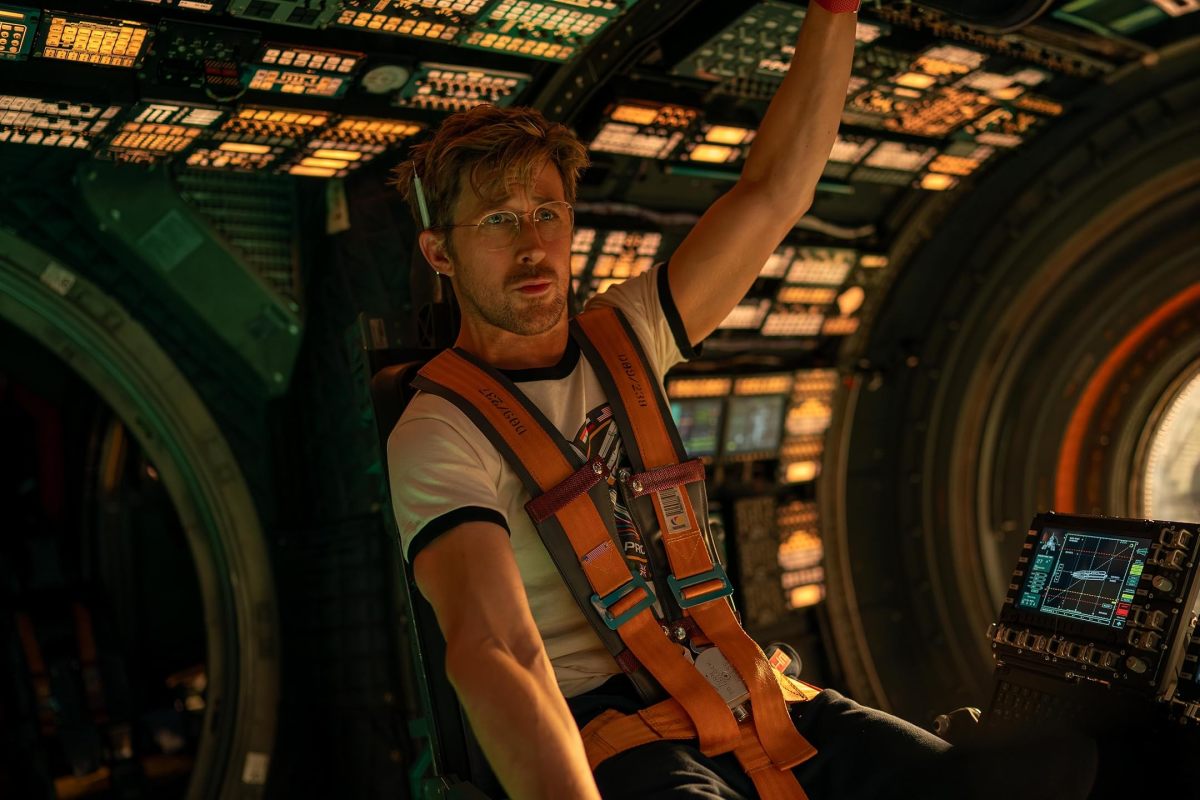
(Image: Sony Pictures)
A few years later, they returned to animation and immediately delivered the stunning "The Lego Movie," cleverly embedding the spirit and joy of building with LEGO bricks into the story through meta-comedy. Talent like this, of course, quickly became sought-after for Hollywood blockbusters. Both "The Flash" and "Solo: A Star Wars Story" tried to enlist their magic touch, though neither project came to fruition. But they didn't stay idle. Focusing more on producing in recent years, Lord and Miller helped bring to life animated hits like the "Spider-Man: Into the Spider-Verse" series and "The Mitchells vs. the Machines." Even R-rated comedies like "Cocaine Bear" and "Strays" were nurtured under their guidance.
After a busy 12 years, Lord and Miller have finally returned to the director's chair with their long-gestating film, "Project Hail Mary." This movie marks another evolution for the duo. While it contains their familiar comedic tone, it's far more restrained, not allowing them to go completely wild. More importantly, this is the first time they've had to seriously delve into a character's psyche. It is, in a real sense, their first drama—and a highly character-driven one at that. I'm thrilled to witness them successfully pull off another transformation. If you covered the directors' names, I would never have guessed "Project Hail Mary" was their work. They have truly stepped outside their comfort zone. 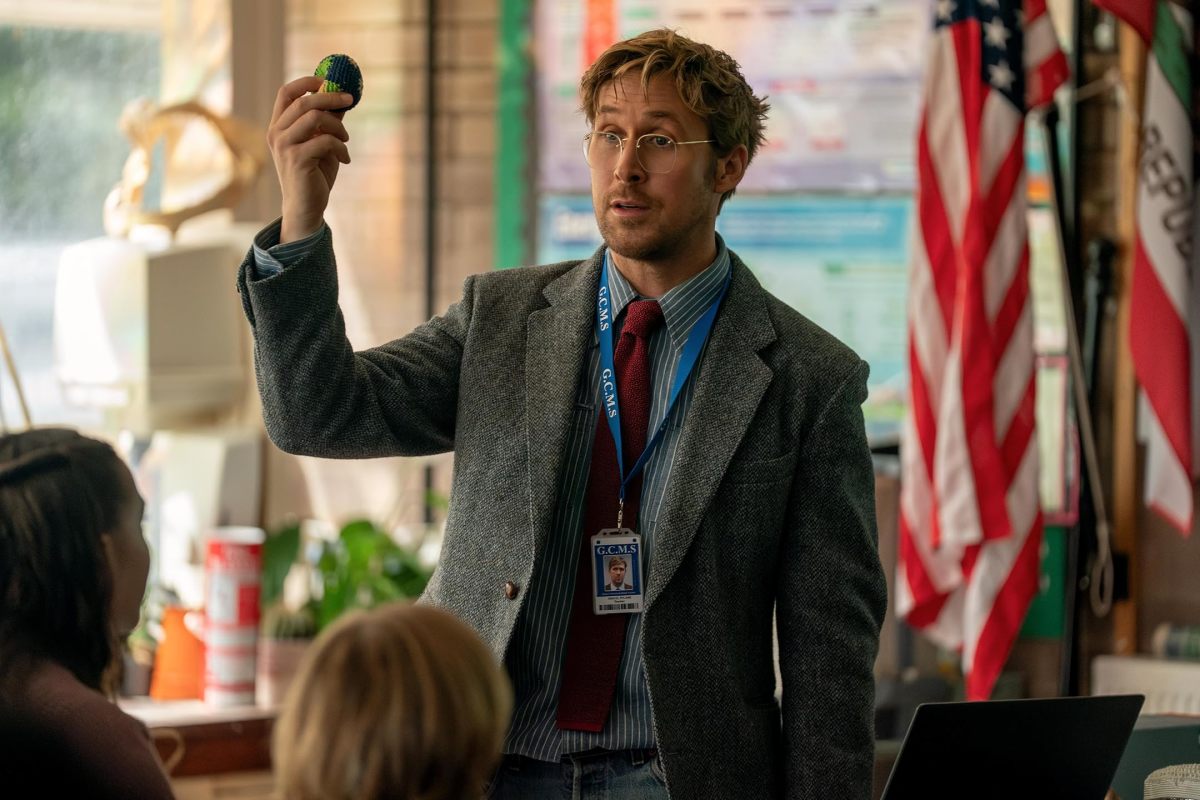 (Image: Sony Pictures)
This significant shift is largely due to their desire to remain as faithful as possible to the original novel, capturing its atmosphere and emotional intensity. They were willing to use a slower pace and longer build-up to carefully accumulate that feeling. (I even felt the sequence where Ryan Gosling first explores the alien ship and meets Rocky dragged a bit and could have been shorter, but since the second half continuously builds on the film's overall positive impression, I'm not too bothered by it). Thanks to their refusal to give "Project Hail Mary" a typical Hollywood sanitization, the story's power is fully realized.
The concept behind "Project Hail Mary" isn't entirely original. Its basic premise is common: traveling to outer space to find a solution to save Earth? Matthew McConaughey already did that in "Interstellar." A protagonist, stranded like a castaway, forming a touching friendship with a non-human entity? Tom Hanks made you cry without ever leaving the planet in "Cast Away" (many, many times). A reluctant hero? The examples are countless. Yet, these elements in "Project Hail Mary" still resonate deeply because the film isn't lazy; it internalizes them to convey its own unique message. 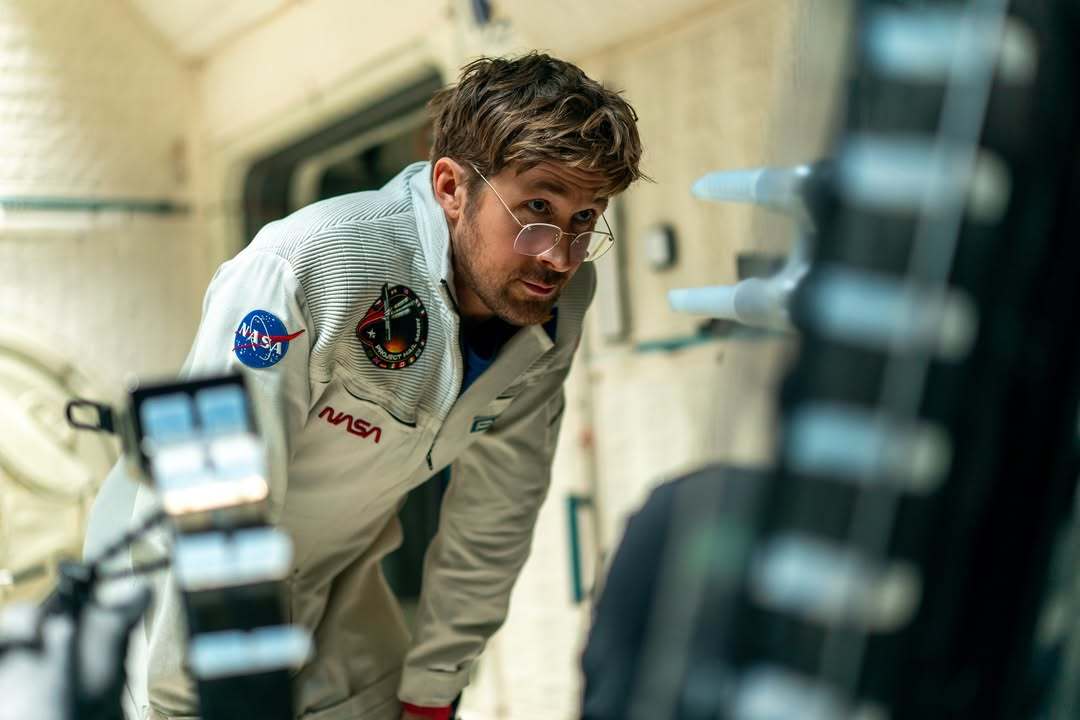 (Image: Sony Pictures)
"Project Hail Mary" is simple, but it executes that simplicity to perfection. We've seen countless reluctant heroes, but Gosling's Ryland Grace is reluctant out of profound fear and because he has nothing and no one to protect. But when forced into an impossible situation, he must confront that fear, learn to accept responsibility, and unexpectedly finds someone (though not technically a person) worth protecting. He learns to give and experiences the warmth of receiving, gradually ceasing to resist his destiny. Summoning courage for a loved one might sound like a cliché sermon, but "Project Hail Mary" isn't preaching. It purely drives you to empathize—to feel what it's like to be afraid of responsibility, afraid of loss, and how some fears can ultimately inspire unexpected bravery. "Project Hail Mary" is just that simple, but it achieves an extraordinary greatness—an old-fashioned greatness, the kind Hollywood once used to establish its global cultural dominance but now struggles to capture.
The film's cinematography also deviates sharply from Lord and Miller's typically vibrant and colorful style, feeling closer to the realism of a Denis Villeneuve or Christopher Nolan film. The man behind the camera, Greig Fraser, has indeed worked with Villeneuve as the director of photography on both "Dune" films. While "Interstellar" undoubtedly set a high bar for realistic space visuals, "Project Hail Mary" constructs its own breathtaking and authentic spectacle, with a slightly suffocating atmosphere that is no less immersive. In every aspect, "Project Hail Mary" is a high-caliber masterpiece.