

Since its founding in 2011, animation studio MAPPA has been on a roll. After starting with co-productions, the studio has churned out hit after hit, from Yuri!!! on ICE and Zombie Land Saga to post-2020 blockbusters like Jujutsu Kaisen, Attack on Titan, and Chainsaw Man, showcasing its formidable production prowess.
In a recent interview with Bungeishunju, Manabu Otsuka, who at just 43 has been MAPPA's president since 2016, looked back on the studio's journey and shared his personal philosophy and MAPPA's core mission in creating anime.

In the past, business and negotiations with streaming platforms were largely dominated by TV networks or music labels; animation studios themselves rarely took the lead. However, with Jujutsu Kaisen and Attack on Titan: The Final Season, despite being co-productions, MAPPA began to manage the domestic streaming rights directly.
For them, this was a crucial learning experience. It was the first time they were truly involved in "how a work gets to the audience," going beyond just "making anime." Over the past decade, the parallel model of television broadcasting and online streaming has become the norm. But decisions about which platforms to use and how to allocate rights directly impact the entire revenue structure. Some models are based on profit-sharing from view counts, while others involve a one-time flat fee—the difference is significant.

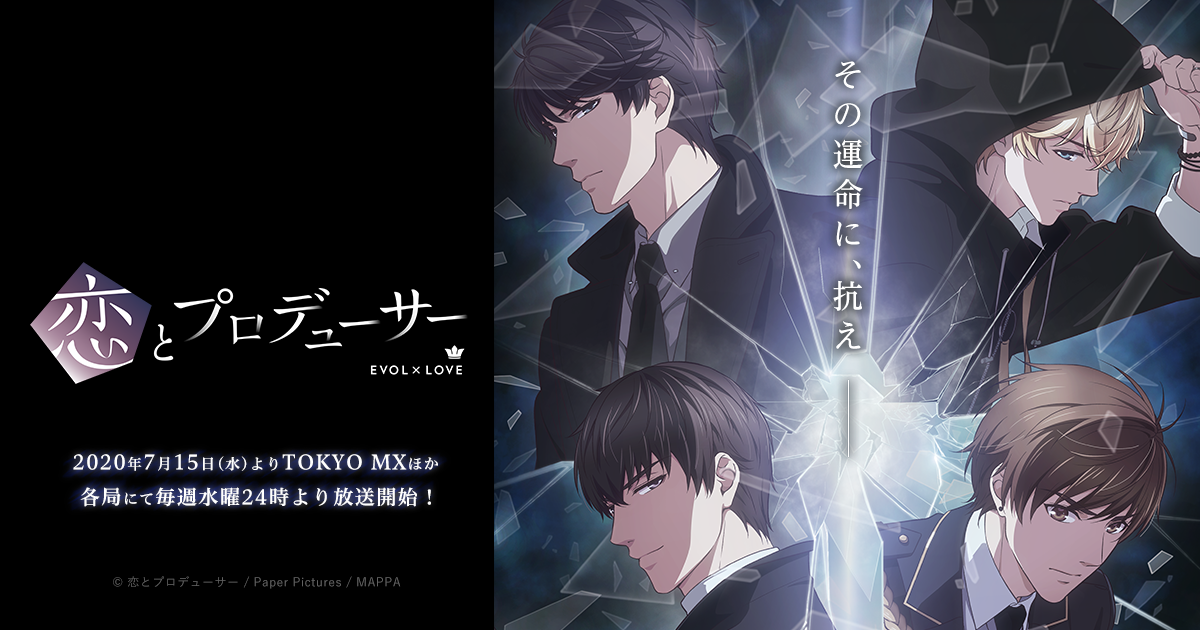
An earlier experiment in this area was the 2020 series Mr Love: Queen's Choice (Koi to Producer ~EVOL×LOVE~). Based on a Chinese game, MAPPA handled the streaming rights for all regions outside of China. While their partnership with Crunchyroll showed progress, the project could hardly be called a success, both as a work and commercially. They also hadn't yet mastered the art of rights management.
They realized that the production skills and trust they had built over the years had not yet fully converted into tangible value. Under the existing system, they hadn't truly grasped the "copyright business model." It was through this process of trial and error that they encountered Chainsaw Man, which aired in 2022.
Otsuka stated that Chainsaw Man embodies "the very reason he chose to work in animation in the first place," including the subculture spirit that captivated him during his time at the production company STUDIO4℃. That impulse to break free from existing frameworks, a charm that's a bit twisted yet still works as entertainment, deeply resonated with the creative temperament at MAPPA and the style of works they've always gravitated toward.
Because of this, he felt that if they were going to produce Chainsaw Man, they couldn't just treat it as another contract job. They had to pour everything they had into it. This led to the decision to "fund it 100% solo"—no production committee. They would handle everything from promotion and overseas expansion to merchandising themselves. Otsuka admits this was less about confidence and more about a sense of "resolve."
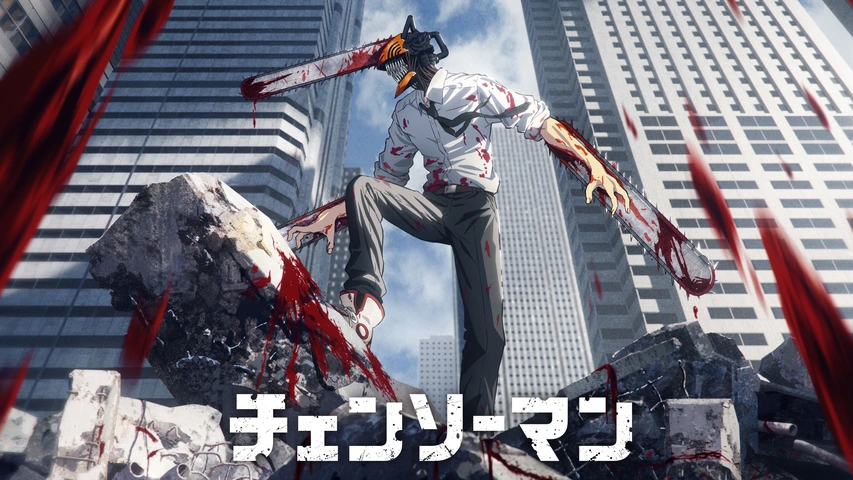
On the flip side, single-handedly taking on a beloved manga with a massive fanbase, including all aspects of rights management, was a far heavier responsibility than they had imagined. They were no longer just focused on production; every decision in promotion, overseas marketing, and merchandising directly affected the show's reception.
The first season of Chainsaw Man didn't quite reach their ideal state in many respects, exposing their inexperience and an immature system. But having chosen to fund it alone, they had to own all the results.
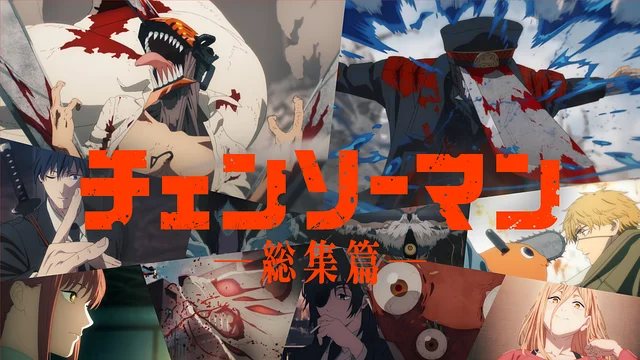
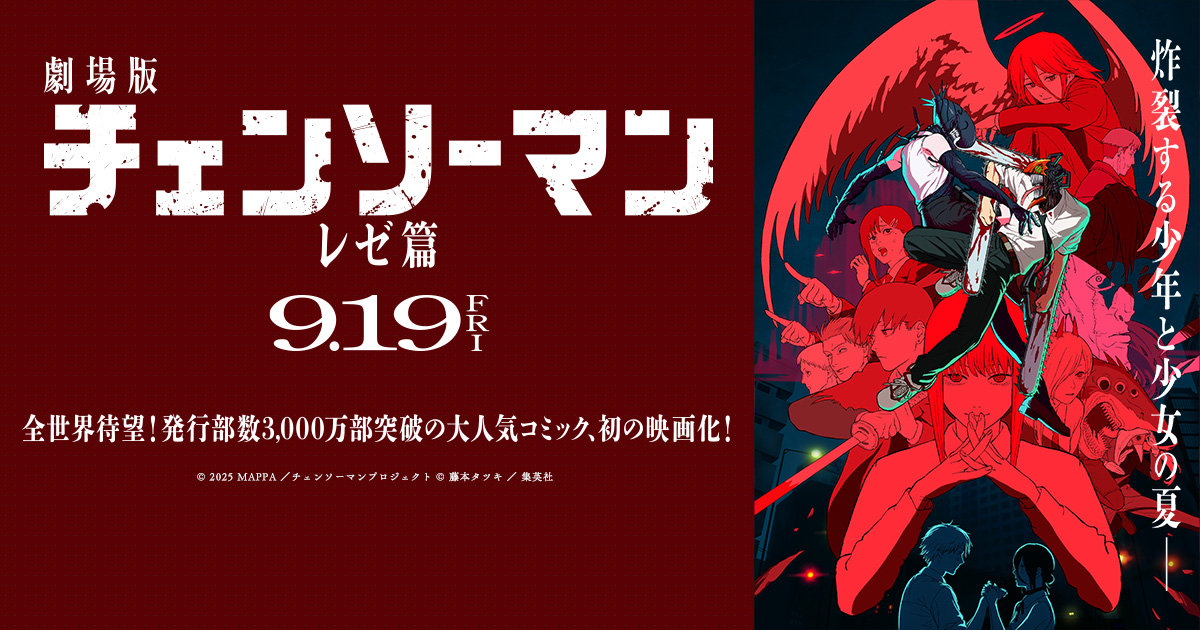
But they weren't deterred. The subsequent movie, Chainsaw Man – The Movie: Reze Arc, completely expanded the IP's footprint, successfully broke into overseas markets to great acclaim, and even became MAPPA's next 10-billion-yen box office hit after Jujutsu Kaisen 0.
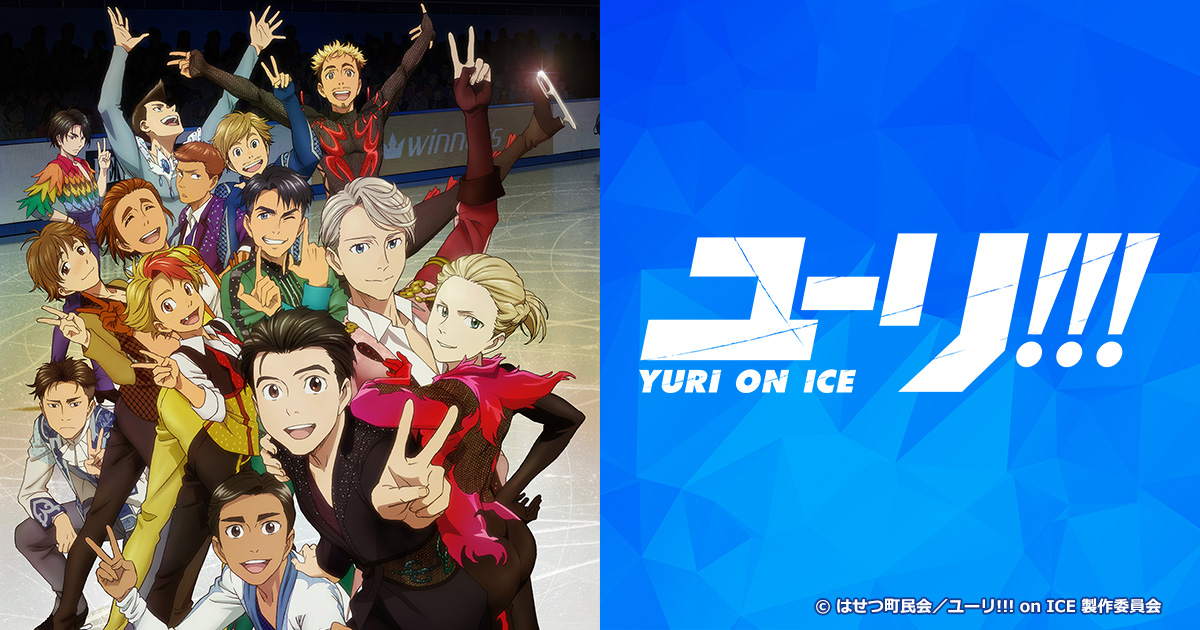
On another note, when discussing their past work on Yuri!!! on ICE, Otsuka mentioned that while Blu-ray and DVD sales alone brought in about $20 million, the company ultimately couldn't continue with the project because their share of the profits was the smallest.
He confessed: "We painfully realized that under the production committee system, the animation studio can't be at the core of the business. We take on so much responsibility, like quality control and meeting deadlines, and even bear investment risks, yet we're the ones who receive the smallest share of the profits. This made us see the structural problems very clearly."
(Related: After a Seven-Year Wait, It's Over... MAPPA Announces Cancellation of "Yuri!!! on ICE" Movie)
This sheds light on why MAPPA decided to "fund Chainsaw Man solo." It was a necessary attempt to break new ground and master the "copyright business model" to adapt to the modern streaming era.
While the first TV season could be seen as a setback, the movie reportedly restored the franchise's reputation, showing that MAPPA's confidence remains high. Whether they will use this model for other projects in the future likely depends on whether they find another work they're willing to bet on again.
via: 文春ONLINE