

The United States Patent and Trademark Office (USPTO) recently revoked a game mechanic patent granted to Nintendo last year. The patent, which covers gameplay involving "summoning characters to fight for the player," had drawn significant attention from the gaming industry and player communities. According to foreign media reports, the USPTO has rejected all 26 claims made in the patent, meaning the patent is currently revoked. However, this is not a final decision, and Nintendo still has the option to respond or appeal.
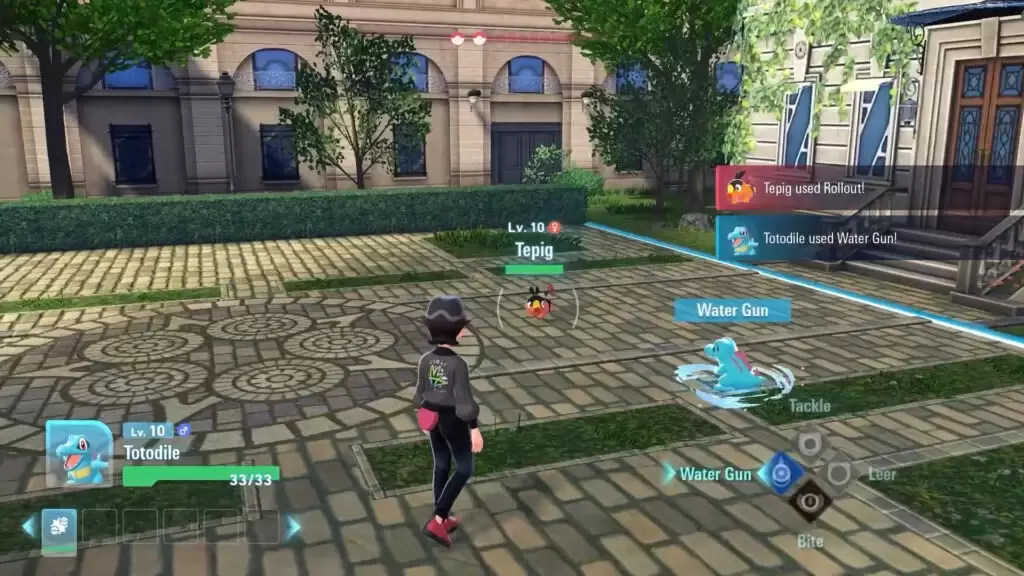
The patent was originally granted in September 2025, covering scenarios where players summon sub-characters to assist in combat, with options for either automatic or manual control. It was widely believed that such mechanisms have long existed in numerous games, with the "Pokémon" series, for instance, having a long history of incorporating character summoning for battles. Consequently, the patent's approval raised concerns within the industry about potential lawsuits from Nintendo.
Two months later, USPTO Director John A. Squires personally ordered a re-examination of the patent. This marked the first time since 2012 that the Director had initiated a review without a formal request from another company. Squires indicated that multiple prior patents could affect the validity of Nintendo's patent, identifying "substantial questions of patentability" in the case.
During the re-examination, the USPTO cited several existing patents, including Konami's "Yabe patent" from 2002 and Nintendo's own "Taura patent" from 2020, both of which involve sub-characters fighting alongside the player. Additionally, Nintendo's "Motokura patent" from 2022 and Bandai Namco's "Shimomoto patent" from 2020 were also considered.
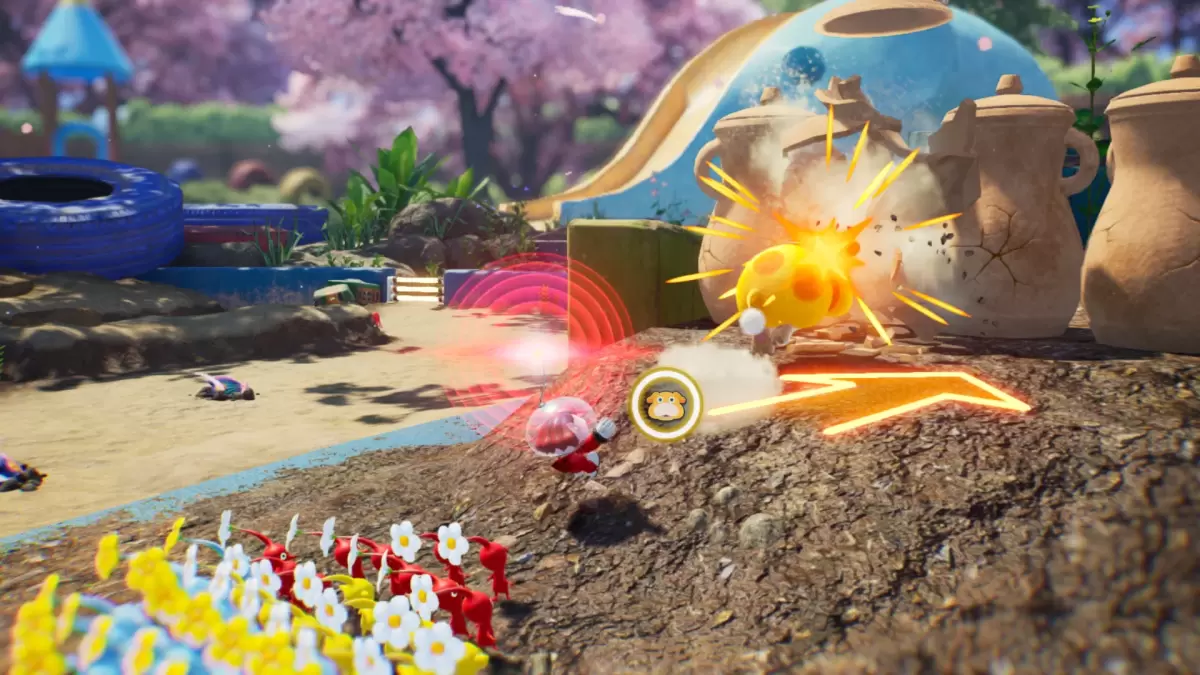
In response, the USPTO stated that a combination of these patents would be sufficient to render all claims of Nintendo's new patent lacking in novelty and validity.
Nevertheless, reports indicate that Nintendo has two months to respond and can appeal the decision to the U.S. Court of Appeals for the Federal Circuit. If Nintendo successfully retains some claims, it could still maintain limited legal protection for the related technology.
Furthermore, patent law does not mandate that companies actively pursue infringement. Therefore, even if Nintendo had secured the patent, it would not necessarily initiate lawsuits against all works utilizing summoning mechanisms. Analysts suggest that Nintendo might only take legal action in the future when its own IP faces a direct threat, similar to the past controversy involving "Palworld".
via: GamesFrog